
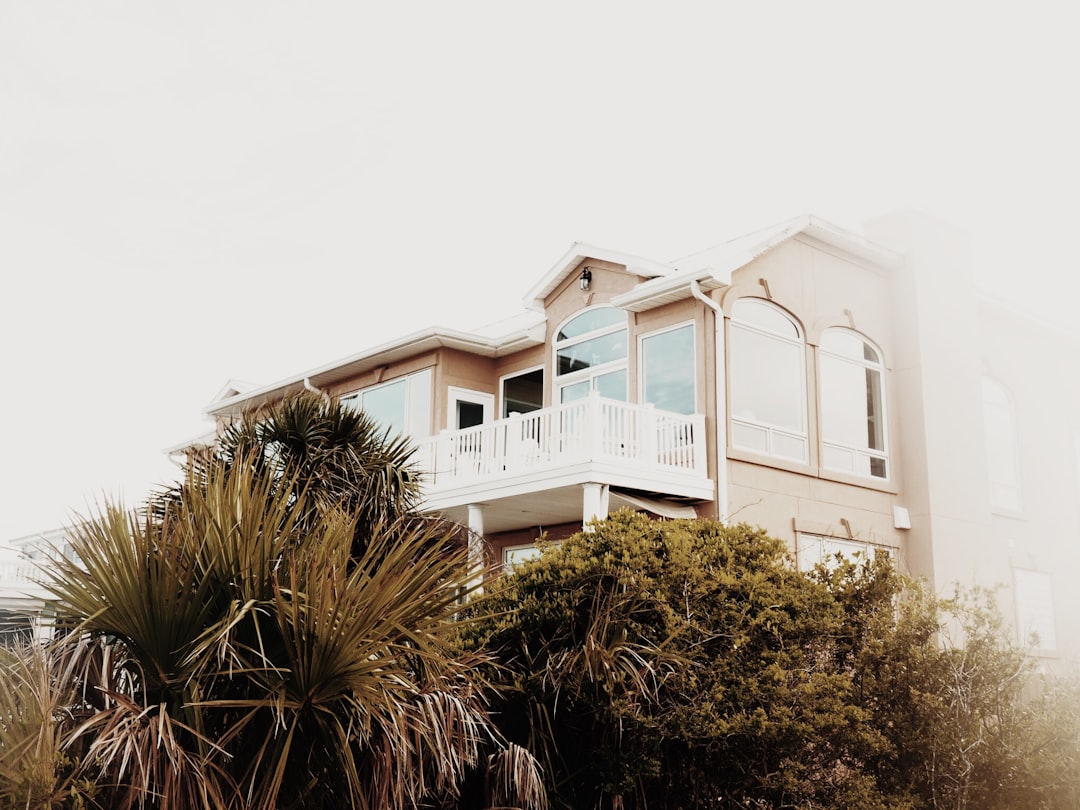
Best Way to Finance a New Roof: Smart Options for Homeowners
I have been a roofing contractor for over 18 years. Our team has completed more than 2,300 roofing projects across Texas. We hold certifications from major manufacturers like GAF and CertainTeed. This article exists because I have seen too many homeowners struggle with roof replacement costs. They often feel overwhelmed by financing choices. This guide answers your most pressing question: What is the best way to pay for a new roof without financial stress? We will explore all your options with real examples from our customer projects. The information comes from helping hundreds of families finance their roofs. We analyzed industry data from sources like the National Roofing Contractors Association. We studied manufacturer specifications and local building codes. Our recommendations are based on what actually works for homeowners in real situations. This is not theoretical advice. This is practical guidance from the field.
Roof replacement is a major investment. The national average cost ranges from $8,000 to $25,000 according to HomeAdvisor's cost data. Most homeowners cannot pay this amount in cash. That is why financing becomes essential. The right financing plan protects your home and your budget. A poor financing choice can create long-term financial problems. This guide will help you avoid those mistakes. We will compare every option in detail. You will learn about insurance claims, loans, payment plans, and special programs. We include real project case studies with actual costs and outcomes. By the end, you will know exactly how to proceed with confidence. Let us begin with understanding your roof's true condition and replacement needs.
Understanding Your Roof Replacement Needs and Costs
Before discussing financing, you must understand your project scope. Not all roof replacements are equal. The cost depends on many factors. Your roof size is the biggest factor. Roofers measure in squares. One square equals 100 square feet. A typical 2,000 square foot home has about 20 squares of roofing. Material choice dramatically affects price. Basic asphalt shingles cost less than metal or tile. The roof pitch also matters. Steeper roofs require more safety equipment and labor. The existing roof layers must be considered too. Some local codes allow two layers. Others require complete tear-off. We always check the International Residential Code and local amendments.
Professional Roof Inspection and Estimate
Never skip a professional inspection. A certified roofer should assess your roof. They will check for leaks, damaged shingles, and structural issues. They will inspect the flashing, vents, and gutters. The inspection report becomes your roadmap. It details what needs repair versus full replacement. We provide free inspections to all homeowners. The estimate should be detailed and transparent. It should list all materials, labor, and permit costs. Ask for a line-item breakdown. This helps you understand where your money goes. A good estimate also includes the project timeline. It should specify the warranty terms for both materials and workmanship. Never accept a vague verbal quote. Always get everything in writing.
Real Project Cost Examples
Let me share real examples from our recent projects. These are actual Texas homes. A single-story 1,800 square foot home in Kingwood needed a new roof. The existing shingles were 22 years old. We installed GAF Timberline HDZ shingles. The total cost was $11,500. This included complete tear-off and new synthetic underlayment. Another project was a two-story 3,200 square foot home. The roof had storm damage from hail. We installed a CertainTeed Landmark PRO roof. The total cost was $24,800. This included ice and water shield in critical areas. A smaller 1,200 square foot ranch home cost $8,900. We used Owens Corning Duration shingles. Costs vary based on your specific choices. These examples give you realistic expectations.
Insurance Claims for Roof Replacement
Insurance should be your first consideration if you have storm damage. Many homeowners pay for roofs themselves when insurance would cover it. Homeowners insurance typically covers sudden, accidental damage. This includes hail, wind, and fallen trees. It does not cover normal wear and tear. You must understand your policy's terms. Look for your deductible amount and coverage limits. The claims process can be complex. We help homeowners navigate it regularly. Start by documenting the damage thoroughly. Take clear photos from the ground and if safe, from a ladder. Note the date of the storm event. Contact your insurance company promptly. They will send an adjuster to inspect.
Working with Insurance Adjusters
The insurance adjuster represents the insurance company. Their job is to assess damage and determine coverage. It helps to have your own contractor present during the inspection. We often accompany homeowners to these meetings. We can point out damage the adjuster might miss. We use hail identification gauges and moisture meters. We provide detailed documentation to support the claim. The adjuster will write an estimate for repairs. This estimate might be lower than your contractor's estimate. This is common. You have the right to negotiate. Provide your contractor's detailed estimate for comparison. The insurance company should pay for code-compliant repairs. Reference the building code requirements for insurance claims. Do not accept a patch job when full replacement is needed.
Depreciation and Recoverable Depreciation
Understand depreciation in your claim. Many policies have Actual Cash Value (ACV) or Replacement Cost Value (RCV). ACV pays the current value of your roof, minus depreciation. A 15-year-old roof has lost much of its value. RCV pays the full cost to replace it with a similar new roof. However, you often receive the ACV payment first. After the work is complete, you submit the final invoice. Then you receive the recoverable depreciation. This two-payment system is standard. Make sure your contractor understands this process. We help clients manage these payments. We never demand full payment upfront on insurance jobs. We work with the payment schedule. This keeps the process smooth for everyone.
Cash Payment: Pros and Cons
Paying cash is the simplest financing method. If you have sufficient savings, it avoids interest and loan applications. Many contractors offer cash discounts. We typically offer a 3-5% discount for cash payments. This can save you hundreds of dollars. Paying cash also gives you full control. There are no bank approvals or credit checks. The project can start immediately. However, draining your emergency fund is risky. Roofing is a major expense. You should not deplete your savings completely. Financial advisors recommend keeping 3-6 months of living expenses saved. If a roof replacement would erase your safety net, consider financing. Also, consider opportunity cost. The money could be invested elsewhere. Sometimes low-interest financing is smarter than using cash.
Savings Strategies for Roof Replacement
If you choose to save for a roof, start early. Regular maintenance extends your roof's life. This gives you more time to save. Create a dedicated savings account. Automate monthly transfers into this account. Treat it like a necessary bill. Even $200 per month adds up to $2,400 in a year. Consider a high-yield savings account for better interest. Also, budget for potential repairs. A small leak repair might cost $500. Fixing it promptly prevents bigger, more expensive damage. We offer maintenance plans to help homeowners budget. These plans include annual inspections and minor repairs. They spread the cost over time. This proactive approach is often more affordable than crisis replacement.
Home Equity Loans and Lines of Credit (HELOC)
Home equity financing uses your home's value as collateral. You borrow against the equity you have built. Equity is your home's market value minus your mortgage balance. These loans often have lower interest rates than personal loans. The interest may be tax-deductible if used for home improvement. Consult a tax advisor about this. A home equity loan provides a lump sum. You receive all the money at once. You make fixed monthly payments over a set term, like 10 or 15 years. A HELOC works like a credit card. You have a credit limit based on your equity. You draw money as needed during a draw period. You only pay interest on what you use. After the draw period, you enter the repayment period.
Applying for Home Equity Financing
The application process is similar to a mortgage. Lenders will check your credit score, income, and debt-to-income ratio. They will order an appraisal to confirm your home's value. This process can take several weeks. Start early if you choose this option. Your loan-to-value ratio (LTV) is key. Most lenders allow you to borrow up to 80-85% of your home's value combined with your first mortgage. For example, if your home is worth $300,000 and you owe $200,000 on your mortgage, you have $100,000 in equity. You might qualify for a $40,000 home equity loan (80% of $300,000 is $240,000, minus the $200,000 mortgage). Shop around with different banks and credit unions. Compare interest rates, fees, and terms carefully.
Personal Loans for Roofing Projects
Personal loans are unsecured loans. They do not require using your home as collateral. This makes the application faster. You can often get funds within a few days. Banks, credit unions, and online lenders offer personal loans. Interest rates depend heavily on your credit score. Excellent credit can secure rates around 6-10%. Fair credit might mean rates of 15-20% or higher. Loan terms typically range from 2 to 7 years. Monthly payments are fixed. The loan amount is usually between $1,000 and $50,000. This fits most roofing projects. The biggest advantage is speed and simplicity. The biggest disadvantage is higher interest rates compared to home equity products. Also, monthly payments might be higher due to shorter terms.
Comparing Personal Loan Lenders
Do not accept the first loan offer you receive. Get quotes from multiple lenders. Use online comparison tools from reputable sites like Bankrate. Look at the Annual Percentage Rate (APR). The APR includes both interest and fees. It gives you the true cost of the loan. Read the fine print about origination fees or prepayment penalties. Some lenders charge fees just for applying. Credit unions often offer better rates to members. Online lenders like SoFi or LightStream might have competitive offers. Check your local community bank too. We have seen clients get the best deals from credit unions. Once you choose a lender, the process is straightforward. You sign the agreement, and the funds are deposited into your account. Then you pay your contractor.
Financing Through Your Roofing Contractor
Many reputable roofing companies offer financing programs. They partner with third-party lenders. These are often point-of-sale loans. You apply at the time of signing the contract. Approval can be instant. These programs are designed specifically for home improvement. They understand the project's nature. The contractor handles much of the paperwork. This is convenient for homeowners. Terms vary widely. Some contractors offer promotional periods with 0% interest. This is usually for 6, 12, or 18 months. You must pay the full balance before the promotional period ends. If not, high deferred interest may apply. Read these terms very carefully. Other programs offer fixed interest rates for longer terms. Always ask who the actual lender is. Research that lender's reputation independently.
Evaluating Contractor Financing Offers
Ask your contractor for all financing details in writing. Get the full disclosure of terms. What is the interest rate after any promotional period? What are the monthly payments? Is there an origination fee or early payoff penalty? How does it affect the total project cost? A good contractor will be transparent. They should not pressure you into financing. We present it as one option among many. We never tie our workmanship warranty to using our financing. That is an unethical practice. Compare the contractor's offer with a personal loan from your bank. Sometimes the bank offer is better. Sometimes the contractor's promotional 0% deal is best if you can pay it off quickly. It depends on your personal financial situation.
Government and Energy Efficiency Programs
Some government programs help with roofing costs. These are often tied to energy efficiency or low-income assistance. The Federal Residential Energy Efficient Property Credit has expired for roofs but check for updates. Some states and local utilities offer rebates for cool roofs. Cool roofs reflect more sunlight. They reduce cooling costs. The Cool Roof Rating Council certifies these materials. You might get a rebate for installing one. Also, check with your city or county housing department. They sometimes have grant or loan programs for essential repairs. These are often for seniors, veterans, or low-income households. The USDA offers home repair loans and grants in rural areas. Research all possible assistance before taking a conventional loan.
FHA Title I Property Improvement Loans
The Federal Housing Administration insures Title I loans. These are for home improvements. You can borrow up to $25,000 for a single-family home. The loan term can be up to 20 years. You apply through an FHA-approved lender. Your home does not need equity for this loan. It is a personal loan backed by the government. Interest rates are competitive. These loans are useful if you lack home equity. The process can be slower than a standard personal loan. The lender will want to see your contractor's license and detailed estimate. The work must meet FHA property standards. This program is not widely advertised. Ask your bank if they are an FHA Title I lender. It is a viable option for many homeowners.
Credit Cards: A Last Resort Option
Using credit cards is generally not recommended for roof financing. Credit card interest rates are very high, often 18-25%. This can make your roof cost thousands more. However, there are two exceptions. First, if you have a card with a 0% introductory APR offer. You could charge the roof and pay it off during the interest-free period. This requires discipline. You must pay it off before the rate jumps. Second, for small remaining balances. If you finance most through a loan but need $1,000 more, a card might work. Never put a full roof on a high-interest credit card. The monthly payments will be stressful. The total cost will balloon. We have seen homeowners regret this choice. It can damage your credit score if you max out your cards. Explore all other options first.
Step-by-Step Guide to Choosing Your Financing
Follow this systematic approach to make the best decision. First, get a detailed, written estimate from a licensed contractor. Know the exact cost. Second, check your homeowners insurance policy. Assess if storm damage might be covered. File a claim if appropriate. Third, evaluate your savings. Can you pay cash without harming your financial security? If yes, consider a cash discount. Fourth, if insurance says no and cash is not feasible, explore loans. Start with home equity options if you have sufficient equity. Get quotes from your bank and credit union. Fifth, compare personal loan offers from multiple lenders. Sixth, ask your contractor about their financing programs. Get all terms in writing. Seventh, compare all options side-by-side. Create a simple spreadsheet. List the total cost, monthly payment, loan term, and total interest paid. Choose the option with the lowest total cost that fits your monthly budget.
Negotiating with Your Contractor
Once you choose financing, discuss payment terms with your contractor. Most require a deposit to schedule the work. This is typically 10-33% of the total cost. The balance is due upon completion. Never pay 100% upfront. That is a major red flag. Reputable contractors have material suppliers who extend credit. They do not need your full payment to start. We require a small deposit to secure the materials delivery date. The final payment is made after the final walkthrough. The homeowner inspects the work with the foreman. We ensure they are completely satisfied. Then we process the final payment. For financed projects, we often work directly with the lender. The lender may disburse funds in stages. We are flexible with these arrangements. Clear communication prevents misunderstandings.
Real Project Case Studies and Outcomes
Case Study 1: The Johnson Family. Their roof was damaged in a spring hailstorm. They filed an insurance claim. The initial adjuster estimate was $8,500. We provided supplemental documentation for code upgrades and full tear-off. The insurance company increased the settlement to $12,300. Their deductible was $1,000. They paid the deductible in cash. The insurance covered the rest. Outcome: New roof with no loan, only $1,000 out-of-pocket.
Case Study 2: The Garcia Family. Their roof was 25 years old and leaking. No storm damage, so insurance did not apply. They had $15,000 in savings but did not want to use it all. They took a home equity loan from their credit union at 4.5% interest for 10 years. The roof cost $14,200. Their monthly payment is about $150. They kept their savings intact. Outcome: Affordable monthly payment, tax-deductible interest, preserved emergency fund.
Case Study 3: The Miller Family. They needed a $9,800 roof repair urgently. They had little equity and average credit. Their roofing contractor offered 0% financing for 12 months through a partner lender. They budgeted to pay $817 per month for 12 months. They paid it off in 10 months with no interest. Outcome: No interest paid, manageable aggressive payment plan, roof fixed quickly.
Frequently Asked Questions (FAQ)
What credit score do I need for roofing financing?
Requirements vary by lender. For home equity loans, a score of 680 or higher is often needed for the best rates. For personal loans, scores of 720+ get low rates, 640-719 get moderate rates, and below 640 may have difficulty. Contractor financing programs sometimes accept scores as low as 580, but the interest rate will be much higher. Always check your credit report for errors before applying.
Can I finance a roof with bad credit?
Yes, but options are limited and expensive. Some contractor programs work with subprime lenders. Interest rates could be 25% or higher. You might need a co-signer. Consider saving for a larger down payment to reduce the loan amount. Also, some government assistance programs do not require good credit. Explore those options first before accepting a high-interest loan.
How long does roofing financing approval take?
Personal loans and contractor financing can be approved in minutes to 24 hours. Funds may be available in 1-3 business days. Home equity loans and HELOCs take longer, often 2-6 weeks. They require an appraisal and more documentation. If you need a roof urgently due to active leaks, discuss this with your contractor. They may start work with a deposit while your loan processes.
Does financing affect my roof warranty?
No, your financing method should not affect the manufacturer's material warranty or the contractor's workmanship warranty. These are separate agreements. Be wary of any contractor who ties warranty coverage to using their financing. That is an unethical practice. Your warranty is based on the materials installed and the quality of the installation, not how you paid.
Should I use my retirement savings to pay for a roof?
Generally, no. Withdrawing from a 401(k) or IRA often incurs taxes and penalties. You lose future compound growth. It is usually better to take a loan, even with interest, than to raid retirement funds. There are rare exceptions for severe hardship. Always consult a financial advisor before touching retirement accounts for home repairs.
What if I cannot afford any monthly payments?
Explore all assistance programs first. Contact your local housing authority. Consider a less expensive roofing material. Asphalt shingles are the most budget-friendly. Maybe only a section of the roof needs replacement now. A reputable contractor can prioritize the most damaged areas. Temporary repairs might buy you a year to save. Do not ignore major leaks, as they cause more expensive structural damage.
Can I refinance my mortgage to include roof costs?
Yes, a cash-out refinance is an option. You replace your existing mortgage with a new, larger one and take the difference in cash. This makes sense if current mortgage rates are lower than your existing rate. However, refinancing has significant closing costs (2-5% of the loan). It resets your loan term to 30 years. Calculate carefully. It is often better to keep a low existing rate and get a separate home equity loan.
Conclusion and Your Next Steps
Financing a new roof is a major decision. It protects your biggest investment, your home. The best way depends on your unique situation. Start with a professional inspection and detailed estimate. Explore insurance coverage if damage exists. If paying cash, ensure you keep an emergency fund. For loans, compare home equity products, personal loans, and contractor programs. Choose the option with the lowest total cost that fits your monthly budget. Avoid high-interest credit cards. Do not let financing stress delay essential repairs. A failing roof causes interior damage that costs far more. We have helped hundreds of homeowners navigate this process. You can make a smart, confident choice. Your next step is simple. Contact a trusted, local roofing contractor for an inspection. Get the facts about your roof's condition. Then use this guide to plan your financing strategy. A secure, dry home is worth the investment.