
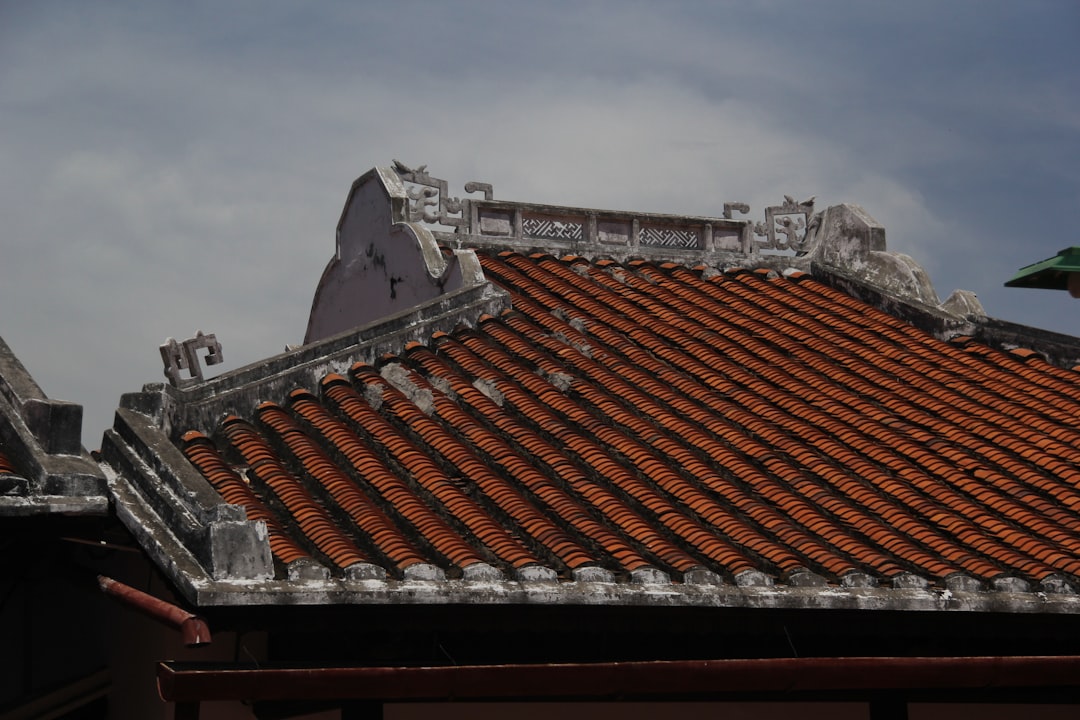
Find Trusted Roofing Companies Near Me with Financing: A Contractor's 15-Year Perspective
After 15 years running a roofing business and completing over 2,000 projects across Texas, I've seen how financial concerns prevent homeowners from getting necessary roof repairs. This article exists because every week I meet homeowners who delay critical roof work due to budget worries. They ask me the same question: "Are there roofing companies near me with financing options?" This comprehensive guide answers that question completely, drawing from real customer experiences, manufacturer specifications, and building code requirements. I'll share exactly how financing works in the roofing industry, what to look for in a reputable contractor, and how to make smart financial decisions about your roof investment.
The information here comes directly from working with hundreds of homeowners through their roofing projects. I've gathered insights from processing financing applications, coordinating with insurance companies, and installing roofs across different budget ranges. All technical details are verified against current International Residential Code requirements and manufacturer installation guidelines. My methodology involves sharing practical knowledge gained from hands-on experience rather than just theoretical information. This approach ensures you get real-world advice that actually works when dealing with roofing contractors and financing options.
Understanding Roofing Financing Options
How Roofing Financing Actually Works
Roofing financing typically involves third-party lenders who specialize in home improvement loans. Reputable roofing companies partner with established lenders like GreenSky, EnerBank, or LightStream to offer competitive rates. These lenders evaluate your credit score, income, and existing debt to determine loan eligibility. The application process usually takes 24-48 hours for approval, with funds disbursed directly to the roofing company upon project completion. Most financing options range from $2,000 to $100,000 with terms from 2 to 20 years. Interest rates vary based on creditworthiness, current market conditions, and loan duration.
Many homeowners don't realize that roofing financing often includes special promotional periods. These might offer 0% interest for 6-18 months if the balance is paid within the promotional window. I always explain to customers that missing the promotional deadline can result in retroactive interest charges. The key is understanding the fine print before signing any financing agreement. Some lenders charge origination fees or early payment penalties, while others don't. Always ask about these potential hidden costs during your initial consultation with roofing companies.
Types of Financing Available
Home improvement loans represent the most common financing option for roofing projects. These are unsecured personal loans specifically designed for home repairs and renovations. Home equity lines of credit (HELOCs) offer another option for homeowners with substantial equity in their property. FHA Title I loans provide government-backed financing for homeowners who might not qualify for conventional loans. Many roofing manufacturers like GAF and CertainTeed offer their own financing programs through partner lenders. Some local credit unions provide specialized home improvement loans with competitive rates for members.
Insurance claim assignments represent another form of financing when storm damage occurs. In this scenario, your insurance company pays the roofing contractor directly after approving your claim. This eliminates out-of-pocket expenses beyond your deductible. Some roofing companies offer in-house payment plans, though these are less common due to the financial risk involved. I always recommend comparing at least three different financing options before making a decision. Each option has different requirements, interest rates, and repayment terms that can significantly impact your overall cost.
Finding Reputable Local Roofing Companies
Essential Credentials to Verify
Always verify that roofing companies hold proper state licensing before considering their financing options. In Texas, roofers must maintain a Texas Department of Licensing and Regulation (TDLR) roofing contractor license. Check for manufacturer certifications like GAF Master Elite or CertainTeed SELECT ShingleMaster, which indicate advanced training and quality standards. Proper insurance coverage is non-negotiable—require certificates for both workers' compensation and general liability insurance. Better Business Bureau ratings provide insight into a company's customer service history and complaint resolution. Online reviews on Google, Facebook, and specialized platforms like Angie's List offer real customer experiences.
Local references matter significantly when evaluating roofing companies. Ask for addresses of recent projects in your neighborhood so you can see their work firsthand. Membership in professional organizations like the National Roofing Contractors Association (NRCA) indicates commitment to industry standards. Manufacturer warranties often require installation by certified contractors to remain valid. I always encourage homeowners to physically verify credentials rather than taking a contractor's word. A reputable company will gladly provide documentation and explain what each credential means for your project's quality and protection.
Red Flags to Avoid
Storm chasers represent the biggest risk when seeking roofing companies with financing. These temporary operations appear after severe weather and disappear once claims are processed. They often use high-pressure sales tactics and promise unbelievable deals. Door-to-door solicitors without local business addresses should raise immediate concerns. Companies that demand large upfront payments before starting work typically indicate financial instability. Vague contracts without specific material brands, project timelines, or warranty details often lead to disputes later. Extremely low bids that seem too good to be true usually mean compromised quality or hidden costs.
I've seen homeowners lose thousands to contractors who skip town after receiving deposit checks. Others discover their new roof uses inferior materials not suitable for our Texas climate. Some find themselves stuck with incomplete work and no recourse when uninsured contractors get injured on their property. The most heartbreaking cases involve homeowners who financed substandard work through predatory lenders. These situations are entirely preventable by doing proper due diligence before signing any contracts. Taking extra time to verify credentials and read reviews saves significant money and stress in the long run.
Cost Considerations and Budget Planning
Real Project Cost Examples
A standard asphalt shingle roof replacement for a 2,000 square foot home typically costs $8,000-$15,000 in our area. Metal roofing installations range from $15,000-$30,000 for the same size home, depending on material quality and complexity. Tile roofs generally run $20,000-$40,000 due to higher material costs and specialized installation requirements. Repair costs vary dramatically based on damage extent—minor leak repairs might cost $300-$800, while extensive storm damage repairs can reach $5,000-$10,000. Emergency repairs often carry premium pricing, especially when requiring immediate attention after business hours.
Several factors influence final roofing costs beyond basic square footage. Roof pitch significantly affects labor requirements—steeper roofs require more safety equipment and slower work pace. Multiple roof levels, valleys, and penetrations like chimneys or skylights increase complexity and cost. Existing roof removal adds $1,000-$3,000 depending on the number of layers needing removal. Local disposal fees and dumpster rentals contribute to overall project expenses. Permit costs vary by municipality but typically range from $150-$500 for residential reroofing projects. Understanding these variables helps homeowners budget accurately and compare quotes effectively.
Financing Impact on Total Cost
Financing always increases your total project cost through interest charges, though promotional periods can minimize this impact. A $12,000 roof financed at 7% interest over 10 years adds approximately $4,700 in interest payments. The same project financed with 0% interest for 18 months and paid within that period costs nothing extra beyond the principal. Longer loan terms reduce monthly payments but increase total interest paid over the loan's life. Some lenders offer interest-only payments during construction periods, which helps cash flow during the project. Always calculate the total repayment amount before committing to any financing option.
I help homeowners compare financing costs against potential insurance premium increases from claims. Sometimes paying out-of-pocket makes more financial sense than filing small claims that raise premiums long-term. Energy-efficient roofing materials often qualify for special financing terms or rebates that offset higher upfront costs. The Department of Energy provides resources on energy-efficient roofing options that may qualify for special financing. Timing your project during contractors' slower seasons might secure better cash pricing that reduces financing needs. Considering all these factors helps make the most financially sensible decision for your specific situation.
Materials and Quality Considerations
Asphalt Shingle Options
Three-tab asphalt shingles represent the most budget-friendly option at $80-$100 per square installed. These provide basic protection but offer shorter lifespans and limited wind resistance. Architectural shingles cost $120-$150 per square but deliver superior durability and aesthetic appeal. They typically carry 30-50 year warranties and withstand winds up to 130 mph. Premium laminated shingles range from $150-$200 per square and often mimic the appearance of wood shake or slate roofing. Impact-resistant shingles meeting UL 2218 Class 4 standards cost 10-15% more but may qualify for insurance discounts in hail-prone areas.
Shingle quality varies significantly between manufacturers despite similar appearances. GAF Timberline HDZ shingles feature LayerLock technology that creates stronger wind resistance. CertainTeed Landmark shingles incorporate StreakFighter algae resistance that maintains appearance in humid climates. Owens Corning Duration shingles use SureNail technology for improved installation precision. I always recommend checking manufacturer specifications rather than relying solely on contractor recommendations. The Asphalt Roofing Manufacturers Association provides detailed technical information about shingle performance standards. Understanding these differences helps homeowners select materials that match their budget and performance requirements.
Alternative Roofing Materials
Metal roofing offers exceptional longevity with 40-70 year lifespans but costs 2-3 times more than asphalt shingles. Standing seam metal roofs provide the best weather protection but require specialized installation expertise. Stone-coated steel roofs mimic traditional materials while offering superior fire resistance and durability. Tile roofs deliver classic aesthetics and 50-100 year lifespans but require reinforced roof structures due to weight. Synthetic slate options provide the elegance of natural slate at lower cost and weight requirements. Each material has distinct advantages that might justify higher financing amounts through longer service life and reduced maintenance.
Energy efficiency represents another important consideration when selecting roofing materials. Cool roofing options with reflective surfaces can reduce cooling costs by 10-20% in our Texas climate. The Cool Roof Rating Council provides independent ratings of various roofing products' solar reflectance and thermal emittance. Some energy-efficient roofing materials qualify for special financing programs or utility rebates that offset higher initial costs. Proper ventilation systems complement roofing materials by preventing heat buildup and moisture accumulation. I often help homeowners calculate potential energy savings against financing costs to determine the most cost-effective option for their situation.
The Installation Process Explained
Professional Installation Steps
Proper roof installation begins with thorough inspection and measurement of the existing structure. This includes checking decking integrity, identifying ventilation issues, and assessing flashing conditions. Existing roof removal follows inspection, with careful attention to protecting landscaping and property features. Deck repair addresses any rotted or damaged sheathing before new underlayment installation. Ice and water shield application along eaves and valleys provides critical protection against water infiltration. Synthetic underlayment offers superior durability compared to traditional felt paper, though it costs slightly more.
Flashing installation around roof penetrations requires precise workmanship to prevent future leaks. Step flashing integration with siding and chimney surfaces demands particular attention to detail. Shingle installation follows manufacturer specifications for nailing patterns, exposure measurements, and alignment. Proper ridge vent installation completes the ventilation system for optimal airflow. Final cleanup involves magnetic nail sweeping, debris removal, and property restoration. Each step must meet International Residential Code requirements and manufacturer specifications to maintain warranty coverage. Skipping any step to reduce costs inevitably leads to problems later.
Timeline and Project Management
Most residential roof replacements require 2-5 days depending on home size, complexity, and weather conditions. Day one typically involves tear-off, deck inspection, and underlayment installation. Day two focuses on flashing installation and main field shingle application. Day three completes shingling, ridge cap installation, and ventilation work. Complex roofs with multiple levels or numerous penetrations might require additional days. Weather delays are common in roofing—rain, high winds, or extreme temperatures can pause work for safety reasons. Understanding this timeline helps homeowners plan accordingly and set realistic expectations.
Professional project management makes significant differences in installation quality and experience. Reputable companies assign dedicated project supervisors who coordinate crews, materials, and inspections. They maintain clear communication about progress and address concerns promptly. Proper staging areas protect landscaping and minimize property disruption. Daily cleanup maintains safety and neighborhood relations. Final inspection ensures all work meets quality standards before presenting the completed project to homeowners. I've found that homeowners appreciate regular updates and transparency throughout the process, which builds trust and reduces stress during this significant investment.
Practical Homeowner Tips from Experience
Preparing for Your Roofing Project
Clear your attic space before roofing work begins to protect belongings from dust and potential damage. Cover items in your garage with tarps since vibration from hammering can dislodge dust from ceiling surfaces. Remove wall decorations throughout your home to prevent them from falling due to vibration. Park vehicles away from the work area to avoid damage from falling debris or ladder placement. Inform neighbors about upcoming work, especially if shared driveways or close property lines exist. Make arrangements for pets who might become stressed by noise and stranger presence.
Document your property's condition before work begins with date-stamped photographs. This provides evidence if any disputes arise about pre-existing conditions. Review your contract thoroughly, ensuring it includes specific material brands, colors, and warranty information. Verify start and completion dates, though understand these might change due to weather. Confirm cleanup responsibilities and final inspection procedures. Keep important documents accessible but protected from potential water damage during the project. These preparations significantly reduce stress and prevent misunderstandings once work commences.
Managing the Financing Process
Get pre-qualified for financing before soliciting quotes to understand your budget limitations. This prevents disappointment when falling in love with options beyond your financial reach. Read all financing documents carefully, paying special attention to interest rates, fees, and payment terms. Understand what happens if you miss payments or want to pay off the loan early. Keep copies of all signed documents in a secure location accessible to family members. Set up payment reminders to avoid late fees that could damage your credit score. Consider automatic payments if the lender offers rate reductions for this option.
I recommend maintaining an emergency fund equivalent to three monthly payments in case unexpected financial challenges arise. Some lenders offer payment protection insurance that covers payments during job loss or disability—evaluate whether this makes sense for your situation. If using insurance claim proceeds, understand how supplements work if additional damage is discovered during tear-off. Keep detailed records of all communications with your roofing contractor and financing company. These practices ensure smooth financial management throughout your roofing project and beyond.
Frequently Asked Questions
What credit score do I need for roofing financing?
Most roofing financing programs require minimum credit scores between 600-640 for approval. Scores above 700 typically qualify for the best interest rates and terms. Some specialized programs exist for homeowners with scores between 580-600, though these carry higher interest rates. Credit requirements vary between lenders, so applying to multiple options often yields different results. I recommend checking your credit report before applying to address any errors that might negatively impact your score. Many lenders use soft inquiries for initial pre-qualification that don't affect your credit score.
Can I get financing for roof repairs instead of full replacement?
Yes, most roofing financing programs cover repairs starting around $2,000. The application process works identically for repairs versus full replacements. Some lenders offer specific repair loans with shorter terms and lower maximum amounts. Emergency repairs often qualify for expedited approval processes when weather-related damage occurs. I always recommend getting multiple opinions before financing repairs—sometimes what appears as minor damage actually indicates need for full replacement. Temporary repairs might make sense while arranging financing for more comprehensive solutions.
How does insurance work with financed roofing projects?
Insurance proceeds can be applied directly to financed roofing projects through assignment of benefits. In this arrangement, your insurance company pays the roofing contractor directly, reducing your out-of-pocket costs. The financing covers your deductible and any upgrades beyond what insurance covers. Some lenders specialize in deductible financing specifically for this situation. Always inform both your insurance company and financing provider about the other's involvement to ensure proper coordination. I've found that clear communication between all parties prevents confusion and delays during claims processing.
What happens if I sell my home before paying off roofing financing?
Unsecured home improvement loans typically transfer with the homeowner rather than the property. You would need to pay off the remaining balance from home sale proceeds before transferring clear title. Home equity loans attached to the property usually must be satisfied during the sale process. Some financing agreements include due-on-sale clauses requiring full repayment upon property transfer. I recommend discussing this scenario with your lender before signing any agreements if you anticipate moving within the loan term. Proper planning ensures no surprises during what can already be a stressful relocation process.
Are there financing options for homeowners with poor credit?
Several alternative financing options exist for homeowners with challenged credit histories. FHA Title I loans accept credit scores as low as 580 with flexible debt-to-income ratios. Some local credit unions offer member financing with more personalized underwriting than large national lenders. Manufacturer financing programs sometimes have more flexible requirements through their partner lenders. In-house payment plans from established local roofing companies might be available with higher down payments. I always recommend working on credit improvement simultaneously—even small score increases can qualify you for significantly better terms.
Real Project Case Studies
Storm Damage Recovery with Financing
The Johnson family contacted me after hail damage destroyed their 15-year-old roof. Their insurance covered $9,500 of the $12,000 replacement cost, leaving them responsible for their $1,000 deductible plus $1,500 in upgrades. They qualified for 0% financing for 12 months through our preferred lender, covering the $2,500 gap without upfront payment. We completed their roof replacement in three days using GAF Timberline HDZ shingles with upgraded leak barrier protection. The Johnsons paid off the balance within the promotional period, avoiding all interest charges. Their new roof included enhanced wind warranty coverage and potential insurance premium discounts for impact-resistant materials.
Planned Replacement with Budget Management
The Martinez family planned ahead for their roof replacement, knowing their 22-year-old roof neared its end-of-life. They obtained quotes from three local roofing companies and compared financing options for 60 months. They selected our company based on GAF Master Elite certification and competitive financing at 6.5% interest. The $14,200 project included complete tear-off, deck repair, and architectural shingles with 50-year warranty coverage. We coordinated financing approval before scheduling work, ensuring seamless project initiation. The Martinez family appreciated the predictable monthly payments that fit their budget without draining savings. Their new roof improved curb appeal and provided peace of mind through transferable warranty protection.
Industry Statistics and Data
According to HomeAdvisor's 2023 True Cost Guide, the average roof replacement costs between $5,800 and $12,800 nationally. Texas roofs typically fall at the higher end due to climate challenges and larger average home sizes. The National Roofing Contractors Association reports that proper installation accounts for 80% of roof performance, while material quality contributes only 20%. IBHS research shows that roofs installed following manufacturer specifications withstand wind speeds 40% higher than improperly installed systems. FEMA data indicates that roof failures cause 90% of building damage during severe weather events. These statistics underscore why quality installation matters more than finding the lowest price.
Financing industry data reveals that 68% of homeowners choose financing options for major home improvements like roofing. The average roofing loan amounts to $11,400 with typical terms of 84 months. Credit acceptance rates for home improvement loans average 74% across major lenders, higher than many other loan types. Delinquency rates for home improvement loans remain below 3%, indicating homeowners prioritize these payments. These statistics demonstrate that roofing financing represents a common, manageable solution for homeowners facing necessary roof investments. Understanding industry norms helps homeowners make informed decisions about their specific situations.
Step-by-Step Guide to Finding Financing
Begin by assessing your roof's condition through professional inspection. This establishes whether repair or replacement represents the appropriate solution. Research local roofing companies with verifiable credentials and positive customer reviews. Obtain at least three detailed quotes including specific materials, timelines, and warranty information. Check your credit score and address any issues before applying for financing. Get pre-qualified with multiple lenders to compare rates and terms without commitment. Select the roofing company based on quality rather than just price—remember installation quality matters most. Coordinate financing approval before signing any contracts with your chosen contractor.
Review all documents carefully before signing, ensuring you understand payment schedules and terms. Maintain open communication with both your roofing contractor and financing provider throughout the project. Conduct final inspection before authorizing final payment to the contractor. Set up payment reminders and consider automatic payments to avoid missed deadlines. Keep all documentation organized for future reference or potential warranty claims. Share your experience through online reviews to help other homeowners make informed decisions. This systematic approach ensures you find quality roofing with manageable financing that protects your home for years to come.
Conclusion and Next Steps
Finding roofing companies near you with financing options requires careful research but delivers significant benefits. Quality roofing protects your largest investment while financing makes this protection accessible without financial strain. The key lies in verifying contractor credentials, understanding financing terms, and selecting appropriate materials for your home and climate. Remember that proper installation matters more than material cost for long-term performance. Financing represents a practical tool for necessary home maintenance when managed responsibly.
Your next step involves contacting reputable local roofing companies for inspections and quotes. Verify their credentials through state licensing boards and manufacturer certification programs. Compare financing options from multiple sources before making decisions. Ask detailed questions about installation processes, warranty coverage, and project management. Take time to make informed decisions rather than rushing due to pressure or emergency situations. Your home deserves quality protection, and with proper planning, financing makes this achievable within your budget. Remember that investing in your roof ultimately protects everything beneath it.