
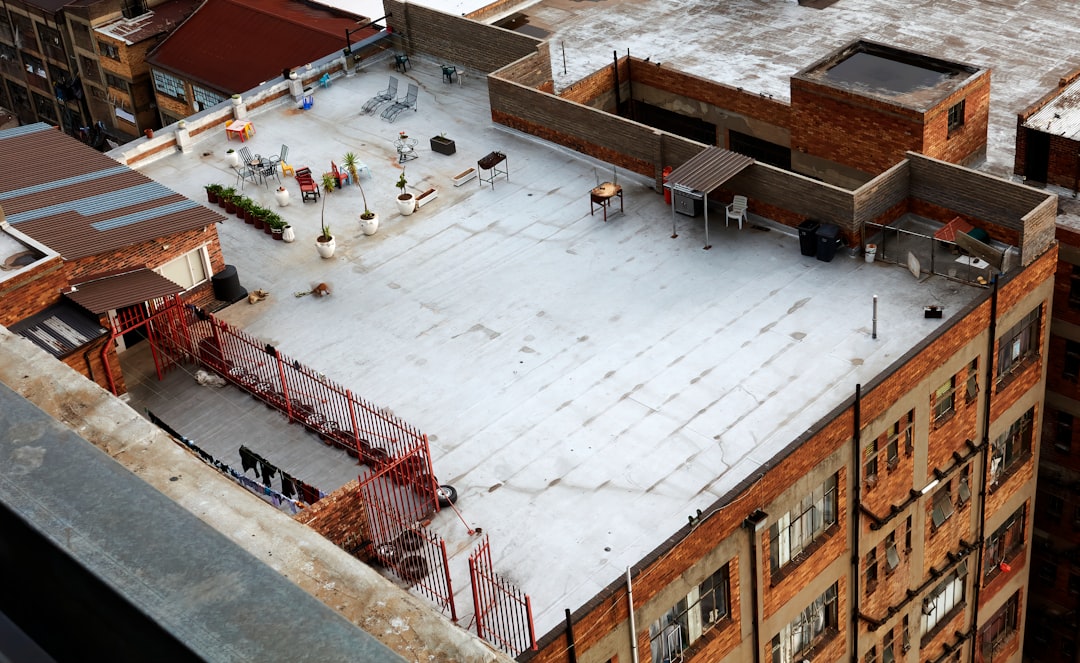
Hearth Roof Financing: Your Complete Guide from a Texas Roofing Contractor
I have been installing and repairing roofs across Texas for over fifteen years. My team has completed more than two thousand roofing projects. We hold certifications from major manufacturers like GAF and CertainTeed. This hands-on experience gives me a unique perspective on what homeowners truly need. I have seen the stress a roof replacement can cause. This article exists to solve one big problem. That problem is finding clear, honest information about paying for a new roof. Many homeowners feel overwhelmed by financing options. They worry about making the wrong choice. My goal is to answer all your questions in one place. I want you to feel confident and informed. This guide is based on real customer projects and industry data. We will look at costs, materials, and smart payment strategies. Let's get started on your path to a secure, beautiful roof.
Understanding the True Cost of a New Roof
Before discussing financing, you must know what you are paying for. A roof is a complex system. The price is not just for shingles. It includes labor, underlayment, flashing, and ventilation. In Texas, the average roof replacement costs between $8,000 and $25,000. The final price depends on many factors. Your roof's size, pitch, and complexity matter a lot. The materials you choose have a huge impact on cost. Simple asphalt shingles are the most affordable option. Metal, tile, or slate roofs cost significantly more. Local labor rates and disposal fees also affect the total. Always get at least three detailed written estimates. A good estimate breaks down every cost. It should list materials, labor, and warranty information clearly. Do not choose a contractor based on the lowest price alone. The cheapest option often leads to problems later. Quality workmanship is worth the investment.
Breaking Down a Roofing Estimate
A proper estimate is your roadmap. It should detail every component of the job. Look for line items for tear-off and disposal. This is the cost to remove your old roof. It includes dumpster fees and labor. The estimate should list all materials by brand and type. This includes shingles, underlayment, and ice and water shield. It should specify the type of flashing for valleys and chimneys. Ventilation is critical for roof health. The estimate must include ridge vents or other intake/exhaust systems. Do not forget about drip edge and starter shingles. These small items are essential for a proper installation. Finally, the estimate should state the workmanship warranty period. A reputable contractor stands behind their labor. This breakdown helps you compare quotes fairly. It also prevents surprise charges later.
What is Hearth Roof Financing?
Hearth is a technology company that partners with contractors. They offer financing solutions for home improvement projects. For roofing, Hearth acts as a marketplace. They connect homeowners with multiple lending partners. You apply once through Hearth's platform. Then you receive several loan offers to compare. This can save you time shopping around. The loans are typically unsecured personal loans. This means your house is not used as collateral. Loan amounts usually range from $1,000 to $100,000. Terms can vary from two to twelve years. Interest rates depend on your credit score. Hearth financing is often presented as an option by roofing contractors. It allows homeowners to start a project without large upfront cash. However, it is crucial to read the fine print. Understand the annual percentage rate (APR) and all fees. Compare it with other financing methods before deciding.
Pros and Cons of Using Hearth
Hearth financing has clear advantages for some homeowners. The application process is fast and online. You can get pre-qualified quickly without a hard credit pull. Comparing multiple offers in one place is convenient. Funding can be fast, sometimes within a few days. This lets you schedule your roof replacement sooner. The loans are unsecured, so there is no lien on your home. However, there are important drawbacks to consider. Interest rates can be higher than home equity options. The loan terms create a new monthly payment. This adds to your existing financial obligations. If you have excellent credit, you might find better rates elsewhere. Always calculate the total cost of the loan, including interest. For a $15,000 loan at 10% APR for seven years, you pay over $6,000 in interest. Make sure the monthly payment fits your budget comfortably.
Comparing All Your Roof Financing Options
Hearth is just one path. A responsible homeowner explores all avenues. Your goal is to secure the best terms for your situation. Let's compare the most common roofing financing methods. This will help you make an informed choice.
Home Equity Loan or Line of Credit (HELOC)
This is often the most cost-effective option if you have equity. A home equity loan provides a lump sum at a fixed rate. A HELOC works like a credit card with a variable rate. Both use your home as collateral. This makes them less risky for lenders. Therefore, interest rates are usually lower. The interest may be tax-deductible if you itemize. However, the application process is longer. It requires a home appraisal and thorough credit check. You also risk foreclosure if you cannot make payments. This is a serious commitment. It is best for homeowners with stable income and good equity.
Cash-Out Mortgage Refinance
You replace your current mortgage with a new, larger one. You take the difference in cash to pay for the roof. This can make sense if current mortgage rates are lower than your existing rate. You might lower your overall monthly payment. But refinancing comes with significant closing costs. These can be thousands of dollars. It also resets the clock on your mortgage. You will pay interest for a longer period. This option requires careful math. Consult with a financial advisor before proceeding.
Personal Loans from Banks or Credit Unions
You can apply directly to your bank or a local credit union. Credit unions often offer favorable rates to members. These are unsecured loans, like Hearth's offers. The benefit is dealing with a known institution. You might get personalized service. The downside is you must apply separately to each lender. This can result in multiple hard inquiries on your credit report. It is more legwork than using a marketplace like Hearth.
Credit Cards
Using a credit card is convenient but expensive. Standard credit card interest rates are very high. Some cards offer a 0% introductory APR for a period. This can be a smart short-term solution if you can pay off the balance in time. If not, the deferred interest can be devastating. Only use a credit card if you have a solid, quick repayment plan. Never put a full roof replacement on a high-interest card.
FHA Title I Property Improvement Loan
The Federal Housing Administration insures these loans. They are offered through local banks. The loan is for homeowners who may not have much equity. It is specifically for home improvements. Loan limits are around $25,000 for a single-family home. Terms go up to 20 years. The interest rates are competitive. This is a good government-backed option to research. Visit the HUD website for official details.
Manufacturer or Contractor Financing
Some roofing material manufacturers offer financing programs. Contractors may also have in-house plans or partner with lenders. These can be convenient as they are bundled with the project quote. Always ask about the lender's name and the loan terms. Compare the APR with other options. Sometimes these plans offer promotional periods with no interest. Ensure you understand the terms to avoid penalties.
Insurance Claim Payout
If your roof was damaged by a covered peril, use your insurance. A storm, hail, or wind event might qualify. Your insurance company will pay for repairs or replacement. You pay your deductible. This is the most affordable way to fund a new roof. The process involves filing a claim and working with an adjuster. A reputable roofing contractor can help you navigate this. They can provide a detailed estimate for the insurance company. Do not assume damage is cosmetic. Have a professional inspection after any major storm. Refer to the Insurance Information Institute for policy basics.
Step-by-Step Guide to Financing Your Roof
Follow this proven method to secure the best financing. These steps are based on helping hundreds of homeowners.
- Get a Professional Inspection and Estimate. Start with a solid understanding of the work needed. Hire a licensed, insured contractor for a thorough inspection. Get a detailed, written estimate. This document is essential for all financing steps.
- Check Your Credit Score. Know where you stand. Your credit score determines your loan options and interest rates. You can check your score for free through many banks or services like AnnualCreditReport.com.
- Review Your Budget. Determine how much you can afford as a down payment and monthly payment. Be realistic. A new roof is an investment, but it should not break your finances.
- Research All Options. Do not jump at the first offer. Look into home equity loans, personal loans, and programs like Hearth. Make a list of lenders to contact.
- Get Pre-Qualified. Many lenders offer a soft-credit-check pre-qualification. This shows you potential loan amounts and rates without hurting your score. Do this with several lenders.
- Compare Loan Offers. Look at the Annual Percentage Rate (APR), which includes fees. Compare the total loan cost, monthly payment, and term length. Choose the offer that best fits your budget and goals.
- Read the Final Contract Carefully. Before signing any loan agreement, read every line. Understand the repayment schedule, late fees, and any prepayment penalties. Ensure the loan amount covers the full project cost.
- Schedule the Work. Once financing is secured, work with your contractor to schedule the installation. Ensure your contract with the roofer is clear and includes all details from the estimate.
Real Project Case Studies: How Homeowners Paid
Let's look at real examples from our project files. Names are changed for privacy.
Case Study 1: The Storm Damage Insurance Claim
The Johnson family in Kingwood had a 25-year-old roof. A severe hailstorm damaged their shingles and gutters. They called us for an inspection. We documented the damage with photos and measurements. We helped them file a claim with their homeowner's insurance. The adjuster agreed it was a covered loss. The insurance company approved a replacement. The total project cost was $18,500. The Johnsons paid only their $1,000 deductible. Their new GAF Timberline HDZ shingles came with a strong warranty. They financed nothing. The key was acting quickly after the storm and having proper documentation.
Case Study 2: The Planned Replacement with HELOC
The Garcia family knew their roof was near the end of its life. They planned ahead. They had significant equity in their home. They applied for a Home Equity Line of Credit at their local credit union. They were approved for $40,000 at a 5.5% variable APR. They used $22,000 of it for a complete roof replacement with upgraded synthetic underlayment and ridge vent. The monthly payment fit their budget easily. The interest was tax-deductible for them. This was a low-cost way to fund a major improvement.
Case Study 3: The Quick Fix with Hearth Financing
Mr. Davis discovered a major leak during heavy rains. The repair was urgent. He did not have $12,000 in savings. His contractor offered Hearth financing as an option. He applied online and was approved for a $12,000 personal loan at 9.99% APR for 5 years. The funds were available in two days. We replaced his roof quickly, preventing interior damage. The convenience was worth the higher interest rate for him. He valued getting the project done immediately.
Frequently Asked Questions (FAQ)
What credit score do I need for Hearth roof financing?
Hearth works with multiple lenders, so requirements vary. Generally, a score of 640 or higher will give you options. Scores above 700 will qualify for the best rates. You can get pre-qualified with a soft credit check to see your offers without affecting your score.
Is it better to finance a roof or pay cash?
If you have the cash without draining your emergency fund, paying cash is always best. You avoid interest and debt. However, if paying cash would leave you financially vulnerable, financing is a smart alternative. It allows you to keep savings for other needs while addressing a critical home repair.
How long does Hearth financing take to get approved?
The pre-qualification process is often instant. After you choose a loan offer and submit a full application, final approval can take one to three business days. Funding after approval typically takes another few days. The entire process from application to having funds can often be completed within a week.
Can I finance a roof with bad credit?
Yes, but options are more limited and expensive. Some lenders specialize in loans for lower credit scores. You might need a co-signer. You will likely face higher interest rates and possibly lower loan amounts. It is crucial to improve your credit if possible before applying, or explore an FHA Title I loan.
Does financing a roof affect my taxes?
Interest on personal loans or credit cards is generally not tax-deductible. However, interest on home equity loans or lines of credit (HELOCs) used for home improvement may be deductible if you itemize your deductions. Always consult with a tax professional for advice specific to your situation.
Should I use contractor financing or get my own loan?
Compare both. Contractor financing is convenient, but the rates may not be competitive. Get the details of the contractor's offer, including the lender's name and the APR. Then, check with your own bank or credit union. Choose the option with the lowest total cost and best terms for you.
What happens if I can't make a payment on my roof loan?
Contact your lender immediately. Do not ignore the problem. Most lenders have hardship programs or can offer a temporary forbearance. Missing a payment will hurt your credit score and may incur late fees. For secured loans like a HELOC, you risk foreclosure. Communication is key to finding a solution.
Industry Statistics and Data
Understanding the broader market helps you make smart decisions. According to Remodeling Magazine's 2024 Cost vs. Value Report, a midrange asphalt shingle roof replacement recoups about 61% of its cost in home value at resale. The National Association of Home Builders reports that a new roof is one of the top requests from home buyers. A survey by HomeAdvisor found the national average roof replacement cost is $9,000, but this varies widely by region and materials. In Texas, hail and wind cause billions in damage annually, making quality roofing a critical investment. Financing allows homeowners to address these needs without delay.
Practical Tips from a Roofer's Perspective
Here is my advice after thousands of projects. First, never let a contractor pressure you into a financing decision. A reputable roofer will give you time to review your options. Second, always verify your contractor's license and insurance. In Texas, check the Texas Department of Licensing and Regulation website. Third, understand the warranties. You should get both a manufacturer's warranty on materials and a workmanship warranty from the installer. Fourth, plan for the unexpected. During tear-off, we sometimes find rotten decking. Your financing should have a small buffer for these unforeseen repairs. Finally, maintain your new roof. Clean your gutters and trim overhanging branches. A small maintenance effort extends your roof's life dramatically.
Conclusion: Your Path to a Financed Roof
Financing a roof replacement is a major financial decision. It is also an investment in your home's safety, efficiency, and value. Start with a professional assessment of your roof's condition. Get detailed estimates from trusted contractors. Then, methodically explore your financing choices. Compare Hearth offers with home equity loans, personal loans, and other options. Choose the path that offers the best balance of cost, convenience, and comfort for your budget. Do not let the complexity stop you. A failing roof leads to much more expensive problems inside your home. With the right information and a clear plan, you can secure the financing you need. You can move forward with confidence. Protect your biggest investment with a quality roof installed by professionals. Your home and your family deserve nothing less.