
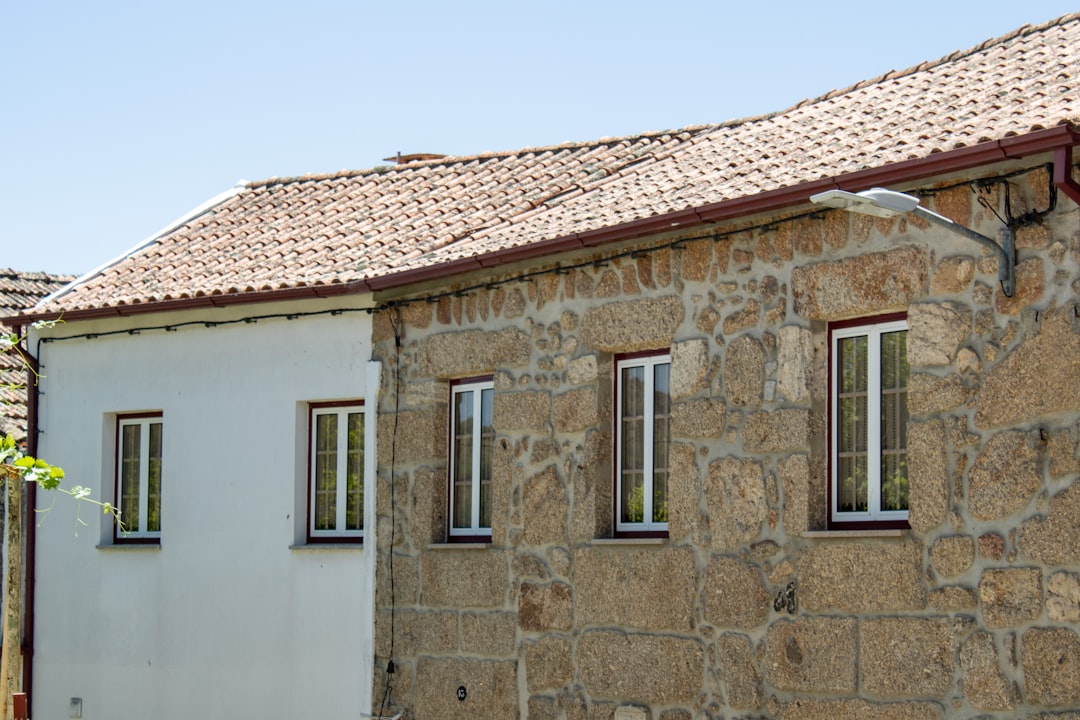
Home Equity Loan for Roof: 25 Years of Roofing Experience Shows You How to Do It Right
After installing over 3,000 roofs across Texas and earning certifications from GAF, Owens Corning, and CertainTeed, I've seen homeowners face the same financial dilemma repeatedly. Your roof needs replacement, but the cost seems overwhelming. A home equity loan for roof replacement can be the smartest financial move you make, but only if you understand the process completely. This article exists because I've watched too many homeowners make expensive mistakes with roof financing. We'll walk through every step together, from calculating your equity to choosing the right materials and finding trustworthy contractors. The information here comes directly from my quarter-century in the roofing industry, working with thousands of homeowners just like you.
Your roof protects everything you own and everyone you love. When it fails, the decision about how to pay for replacement can feel stressful. I created this comprehensive guide to give you the confidence to make informed decisions. We'll cover real project costs from recent jobs, material comparisons based on hands-on installation experience, and financing strategies that have worked for my customers. Every recommendation comes from actual field experience, not just theoretical knowledge. By the end, you'll understand exactly how to use home equity to protect your biggest investment properly.
Understanding Home Equity Loans for Roof Replacement
Home equity represents the portion of your property you truly own. It's the difference between your home's current market value and your remaining mortgage balance. When you make mortgage payments over time, your equity grows naturally. Home appreciation in strong markets like Texas can accelerate this growth significantly. A home equity loan lets you borrow against this accumulated value. For roof replacement, this financing method often offers lower interest rates than personal loans or credit cards. The loan provides a lump sum that you repay in fixed monthly installments over a set term.
How Home Equity Differs from Other Financing Options
Home equity loans differ from home equity lines of credit in important ways. HELOCs work like credit cards with variable interest rates and revolving credit. Home equity loans provide predictable fixed payments that make budgeting easier. Compared to roofing company financing, home equity loans typically offer better rates and terms. Insurance claims only cover specific damage types, not general wear and tear. Cash-out refinancing replaces your entire mortgage, which might not make sense if you have a low existing rate. Each option serves different needs, but home equity loans often provide the ideal balance for major roof projects.
Calculating Your Available Equity
Most lenders allow borrowing up to 80-85% of your home's value minus your mortgage balance. Start by checking your most recent mortgage statement for your current balance. Research comparable home sales in your neighborhood to estimate your property's value. Online tools like Zillow can provide rough estimates, but professional appraisals give accurate numbers. Subtract your mortgage balance from your home's estimated value to find total equity. Then multiply that number by 0.80 to determine your likely borrowing limit. Remember that roof replacement typically increases home value, which can improve your equity position after completion.
Real Roof Replacement Costs and Budgeting
Roof replacement costs vary significantly based on materials, roof complexity, and regional labor rates. In the Houston area, asphalt shingle replacements typically range from $8,000 to $15,000 for average-sized homes. Metal roofs generally cost $15,000 to $30,000, while tile or slate can exceed $40,000. These figures come from analyzing hundreds of completed projects in our service area. Complex roof designs with multiple valleys, dormers, and steep pitches increase labor time and material waste. Proper disposal of old roofing materials adds $1,000 to $3,000 to most projects. Always budget an additional 10-15% for unexpected issues discovered during tear-off.
Breaking Down Cost Components
Materials typically account for 40% of total roof replacement costs. Labor represents another 40%, with the remaining 20% covering permits, disposal, and overhead. High-quality synthetic underlayment costs more initially but provides better protection than traditional felt. Starter shingles, hip and ridge caps, and proper flashing add necessary expenses many homeowners overlook. Ventilation systems represent crucial investments for roof longevity and energy efficiency. Architectural shingles cost 20-30% more than 3-tab but last significantly longer. Metal roofing costs more upfront but can last 50 years with minimal maintenance. Consider long-term value rather than just initial price when making material decisions.
Recent Project Cost Examples
A 2,200 square foot Kingwood home needed complete roof replacement after hail damage. The project used Owens Corning Duration shingles with synthetic underlayment and new ventilation. Total cost came to $14,750 including tear-off, disposal, and all materials. A Spring, Texas homeowner chose a standing seam metal roof for their 1,800 square foot ranch. The project cost $24,500 but included upgraded insulation and snow load reinforcement. A Porter family with a complex multi-level roof paid $18,200 for GAF architectural shingles with enhanced warranty coverage. Each project required different financing approaches based on the homeowners' equity and financial situations.
Choosing the Right Roofing Materials
Material selection dramatically affects your roof's lifespan, appearance, and maintenance requirements. Asphalt shingles remain the most popular choice for Texas homes due to cost-effectiveness and durability. Modern architectural shingles offer dimensional appearance and wind resistance up to 130 mph. Metal roofing provides excellent longevity and energy efficiency in our hot climate. Tile roofs deliver classic aesthetic appeal but require reinforced roof structures. Each material has distinct advantages that suit different architectural styles and budgets. Consider your home's design, local weather patterns, and long-term plans when selecting materials.
Asphalt Shingle Options and Performance
Three-tab shingles represent the most economical choice but offer shorter lifespans of 15-20 years. Architectural shingles provide thicker construction and 30-year warranties from manufacturers like GAF and Owens Corning. Premium designer shingles mimic the appearance of wood shake or slate at lower cost. All major manufacturers offer algae-resistant formulations that maintain appearance in humid climates. Proper installation according to manufacturer specifications ensures warranty validity. I always recommend architectural shingles for most homeowners because they balance cost, durability, and aesthetic appeal effectively.
Metal Roofing Considerations
Standing seam metal roofs provide the highest quality with concealed fasteners and expansion joints. Exposed fastener metal roofs cost less but require more maintenance over time. Steel panels with Kynar coatings offer 40-year finish warranties and excellent weather resistance. Aluminum works well in coastal areas where salt air causes corrosion. Copper and zinc provide premium options with natural patina development. Metal roofs reflect solar heat, reducing cooling costs by 10-25% in Texas summers. Proper installation requires specialized training and equipment that not all contractors possess. Always verify metal roofing experience before hiring a contractor.
The Roof Replacement Process Step by Step
Professional roof replacement follows a systematic process that ensures quality results. The project begins with comprehensive inspection and measurement of your existing roof. Your contractor should document current conditions with photographs and detailed notes. Material selection involves considering weight limitations, local building codes, and aesthetic preferences. Proper permitting through your local municipality ensures compliance with International Building Code requirements. Scheduling considers weather forecasts and crew availability to minimize disruption. Clear communication about timeline expectations prevents misunderstandings during the project.
Tear-Off and Preparation Phase
Careful tear-off protects your property and reveals underlying issues needing attention. Crews use tarps and magnetic tools to capture nails and debris. Complete removal of old roofing materials allows inspection of the roof deck. Rotted or damaged decking requires replacement before new installation begins. Proper disposal includes renting dumpsters and following local waste management regulations. This phase typically takes one to two days depending on roof size and complexity. Homeowners should remove wall decorations and fragile items from attics to prevent vibration damage.
Installation and Quality Control
New installation begins with ice and water shield along eaves and valleys in climate-appropriate areas. Synthetic underlayment provides secondary protection across the entire roof deck. Starter shingles create proper seals along edges to prevent wind uplift. Flashing installation around chimneys, vents, and walls requires precise craftsmanship. Shingle application follows manufacturer specifications for nailing patterns and exposure. Ridge vents provide continuous airflow that extends roof life and improves energy efficiency. Final inspection ensures proper installation and thorough cleanup of the property.
Working with Roofing Contractors
Choosing the right contractor proves crucial for successful roof financing and installation. Verify proper licensing through the Texas Department of Licensing and Regulation. Insurance coverage should include both liability and workers' compensation protection. Manufacturer certifications indicate advanced training and access to enhanced warranties. Local references provide insight into work quality and business practices. Detailed written contracts should specify materials, timeline, payment schedule, and warranty terms. Avoid contractors who request full payment upfront or use high-pressure sales tactics. Reputable companies provide transparent pricing and thorough explanations of all costs.
Red Flags in Contractor Selection
Storm chasers often appear after severe weather offering quick fixes and insurance manipulation. Out-of-area contractors may lack understanding of local building codes and requirements. Verbal agreements frequently lead to disputes about project scope and costs. Unusually low bids often indicate corner-cutting or hidden fees. Lack of physical business addresses suggests temporary operations. Pressure to sign immediately typically signals problematic business practices. Always take time to verify credentials and review contracts carefully before committing to any roofing project.
Questions to Ask Potential Contractors
- How long have you been licensed and insured in Texas?
- Can you provide local references from recent projects?
- What manufacturer certifications do your installers hold?
- Who will supervise my project daily?
- How do you handle unexpected issues discovered during tear-off?
- What specific warranty coverage do you provide?
- Can you explain your payment schedule terms?
- How do you protect my property during construction?
- What cleanup procedures follow project completion?
- How do you handle permit acquisition and inspections?
Maximizing Your Investment Value
A well-executed roof replacement significantly increases your home's value and curb appeal. The Remodeling Impact Report indicates roof replacement recovers 60-70% of costs in immediate home value increase. Proper maintenance extends your new roof's lifespan and protects your investment. Regular inspections identify minor issues before they become major problems. Keeping gutters clean prevents water backup that damages roof edges. Trimming overhanging branches reduces debris accumulation and physical damage risk. Addressing moss or algae growth preserves shingle integrity in humid climates. Documenting maintenance activities helps validate warranty claims if needed.
Energy Efficiency Upgrades
New roofing presents opportunities to improve your home's energy performance significantly. Light-colored materials reflect solar heat, reducing cooling costs in hot climates. Proper attic ventilation maintains consistent temperatures that prolong roof life. Radiant barriers installed beneath roofing materials reduce heat transfer into living spaces. Insulation upgrades during roof replacement provide access to difficult areas. Energy-efficient improvements may qualify for tax credits or utility rebates in some areas. These upgrades increase comfort while reducing monthly energy bills, providing ongoing financial benefits beyond the roof itself.
Warranty Understanding and Protection
Roofing warranties include several distinct components that homeowners should understand clearly. Manufacturer warranties cover material defects but require proper installation for validity. Workmanship warranties address installation errors by the contractor. Enhanced warranties offered through certified contractors provide broader protection. Proper maintenance and timely repairs preserve warranty coverage throughout the term. Transferable warranties increase home value when selling your property. Always review warranty documents thoroughly and maintain records in a safe location. Understanding warranty terms prevents unexpected coverage denials when issues arise.
Frequently Asked Questions
How much equity do I need for a roof loan?
Most lenders require at least 15-20% equity in your home after the loan. This means your total mortgage debt plus the new loan should not exceed 80-85% of your home's value. For example, if your home is worth $300,000 and you owe $200,000, you have $100,000 in equity. You could potentially borrow up to $40,000-$55,000 while maintaining the required equity cushion. Lenders consider your credit score, income, and debt-to-income ratio alongside equity when approving loans.
What credit score is needed for a home equity loan?
Most lenders prefer credit scores of 680 or higher for home equity loans. Scores above 720 typically qualify for the best interest rates and terms. Some lenders work with scores as low as 620, but these loans carry higher rates. Your debt-to-income ratio should generally stay below 43% for optimal approval chances. Recent late payments, collections, or bankruptcies can significantly impact eligibility. Checking your credit report several months before applying allows time to address any issues.
How long does the loan process take?
The home equity loan process typically takes 2-6 weeks from application to funding. Application submission involves providing financial documentation and property information. Property appraisal verifies your home's current market value for lending purposes. Underwriting review assesses your creditworthiness and loan risk. Approval and closing finalize the loan terms and disbursement arrangements. Working with local lenders often speeds the process compared to national institutions. Having documents organized before applying can reduce processing time significantly.
Can I use the loan for repairs and replacement?
Home equity loans can fund both complete roof replacements and major repair projects. The loan proceeds go directly to you as the homeowner to use for qualified home improvements. Some lenders offer separate programs specifically for renovation financing. Combining multiple needed improvements into one loan can be more efficient than separate financing. Keep detailed records of how funds get used for tax purposes. Consult with a tax professional about potential interest deductibility on home improvement loans.
What happens if I sell my home before the loan is paid?
Home equity loans must be repaid when you sell your property, just like your primary mortgage. The loan gets paid from the sale proceeds at closing along with other liens. Since roof replacement increases home value, it often helps homes sell faster and for higher prices. Transferable warranties can become selling points for prospective buyers. Discuss prepayment penalties with your lender before borrowing, though most home equity loans don't include them. The roof improvement typically pays for itself through increased equity and faster sale.
Are there tax benefits to home equity loans?
The Tax Cuts and Jobs Act changed deductibility rules for home equity loan interest. Interest remains deductible when the loan funds home improvements that increase property value. You must itemize deductions rather than taking the standard deduction to benefit. The loan cannot exceed your home's total cost basis plus improvement investments. Consult with a qualified tax professional about your specific situation. Keep thorough records of how loan funds get used for improvement projects. Tax laws change frequently, so verify current regulations before making decisions.
What if my roof costs more than estimated?
Professional contractors provide detailed estimates that should account for most scenarios. However, unexpected issues sometimes arise during tear-off that increase costs. Rotting decking, structural problems, or code compliance issues might require additional work. Your contract should specify how change orders get handled and priced. Some homeowners borrow slightly more than estimated to create a contingency fund. Discuss potential overages with your contractor before work begins. Reputable companies communicate unexpected costs immediately and explain necessary additional work clearly.
Real Project Case Studies
The Johnson Family - Kingwood, Texas
The Johnsons needed roof replacement after 20 years of Texas weather had worn their original shingles. Their 2,400 square foot home required complete tear-off and new installation. They had built significant equity through mortgage payments and market appreciation. A local credit union approved their $18,500 home equity loan within three weeks. The project used GAF Timberline HDZ shingles with upgraded ventilation. The completed roof transformed their home's appearance and eliminated persistent leaks. Their property value increased by approximately $15,000 immediately after completion. The Johnsons now enjoy peace of mind during heavy rains and reduced cooling costs.
Maria Rodriguez - Spring, Texas
Maria inherited her family home but the roof needed immediate replacement. She had limited savings but substantial equity in the property. A bank home equity loan provided $22,000 for a complete metal roof installation. The standing seam metal roof cost more initially but offered 50-year longevity. Energy savings reduced her summer cooling bills by approximately 30%. The project included proper insulation that improved overall comfort. Maria financed the loan over 15 years with payments fitting her budget. The new roof preserved her family home for future generations while modernizing its performance.
Industry Statistics and Data
According to National Association of Home Builders research, roof replacement provides among the highest returns of any home improvement. The Angie's List 2024 survey found 89% of homeowners felt roof replacement met or exceeded expectations. Metal roofing adoption has grown 35% over the past decade according to Metal Construction Association data. Properly installed architectural shingles last 70% longer than basic 3-tab versions based on Asphalt Roofing Manufacturers Association testing. Texas homeowners report average energy savings of 15-25% after upgrading to modern roofing systems with proper ventilation.
Step-by-Step Guide to Roof Financing
- Assess your roof's condition through professional inspection
- Research local roofing costs for your home size and material preferences
- Calculate your available home equity using current market values
- Check your credit score and address any issues before applying
- Compare loan offers from multiple lenders including rates and terms
- Select a qualified roofing contractor with proper credentials
- Review and sign detailed contract before work begins
- Coordinate loan funding with project timeline requirements
- Monitor project progress and communicate regularly with your contractor
- Complete final inspection and maintain warranty documentation
Conclusion: Protecting Your Home Investment
Using a home equity loan for roof replacement represents a smart financial strategy when approached carefully. Your roof serves as your home's first defense against weather and environmental damage. Proper financing ensures you can address roofing needs without compromising other financial goals. The process requires thorough research, qualified professionals, and clear understanding of costs and benefits. Homeowners who invest in quality roofing materials and installation enjoy peace of mind for decades. The equity you've built in your home provides the means to protect that investment properly. Your roof represents more than just shingles overhead—it's the shield that protects everything beneath it.
Take time to consult multiple contractors and lenders before making decisions. Ask detailed questions until you feel completely comfortable with the process. Remember that the cheapest option often costs more long-term through repairs and premature replacement. Quality roofing installation provides value that extends far beyond the initial project cost. Your home deserves protection that matches its importance in your life. With proper planning and professional execution, your new roof will safeguard your family and investment for years to come. The confidence that comes from a secure, well-installed roof is priceless during Texas storm seasons.