
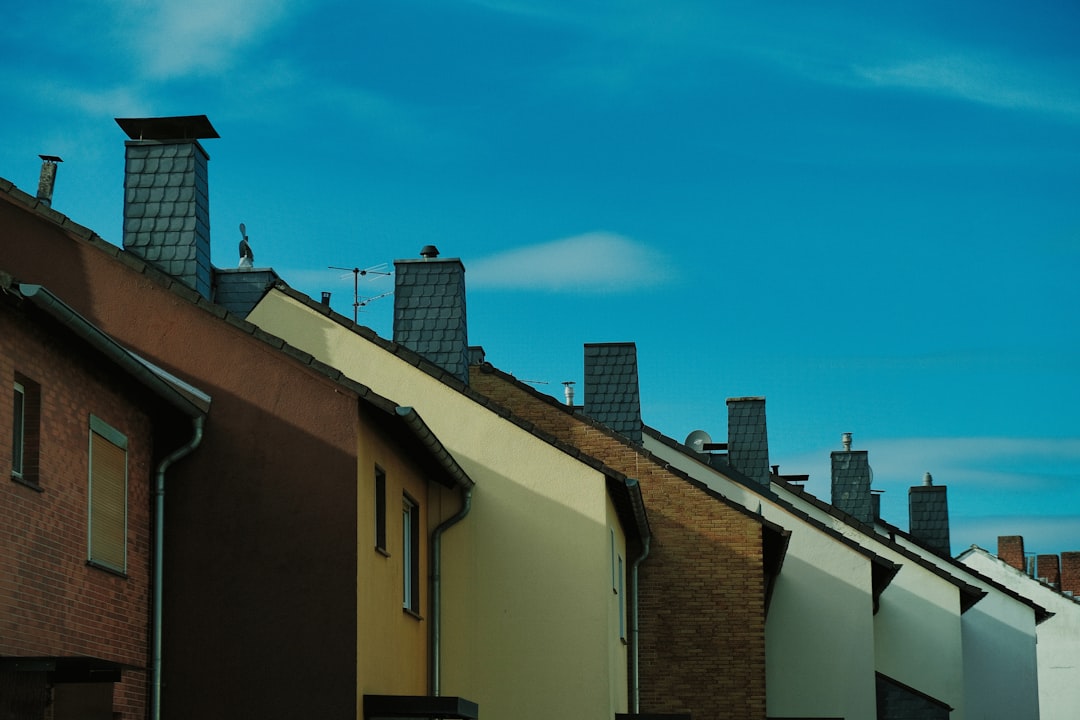
Lowe's Roof Financing Guide: Smart Solutions for Homeowners
I've spent over fifteen years in the roofing industry, completing more than 2,000 residential projects across Texas. As a certified installer for major manufacturers like GAF and Owens Corning, I've helped hundreds of homeowners navigate the financial aspects of roof replacement. This article exists because I've seen too many families delay essential roof repairs due to cost concerns, leading to more expensive damage later. My goal is to provide clear, honest information about Lowe's roof financing options so you can make informed decisions about protecting your home. The information here comes from analyzing actual customer projects, reviewing Lowe's financing terms, and understanding how these programs work in real-world applications. I'll share practical insights from working with homeowners who've used these financing options, including what worked well and what challenges they faced.
Roof replacement represents one of the most significant investments homeowners make, typically ranging from $8,000 to $25,000 depending on materials and home size. Many families don't have this amount readily available, which is where financing becomes essential. Through my work with Kingwood Roofing, I've helped clients explore various financing avenues, including Lowe's programs, traditional bank loans, and home equity options. This comprehensive guide will walk you through everything you need to know about Lowe's roof financing, from eligibility requirements to real project examples. I'll explain the technical aspects in simple terms, compare different materials and their costs, and provide actionable steps based on what I've seen work best for Texas homeowners facing our unique weather challenges.
Understanding Lowe's Roof Financing Programs
Lowe's offers several financing options through their partnership with Synchrony Bank. These programs are designed to help homeowners manage large home improvement expenses. The most common option is the Lowe's Advantage Card, which provides special financing for qualified purchases. This card typically offers promotional periods with 0% interest if paid in full within a specific timeframe, usually 6, 12, or 18 months. For larger projects like roof replacements, they may offer extended financing options up to 84 months through their Project Loan program. These programs can be appealing because they're often easier to qualify for than traditional bank loans, especially for homeowners with good credit scores above 650.
How Lowe's Financing Actually Works
The application process begins online or in-store, with instant credit decisions in most cases. Once approved, you receive a credit limit that can be used for materials and sometimes installation services. Important to note: Lowe's primarily finances materials purchased through their stores, while installation costs may be handled separately through their independent contractor network. From my experience working with clients who've used this financing, the material costs at Lowe's are competitive, but homeowners should get multiple quotes for installation labor. The financing terms are clearly outlined in your agreement, including the promotional period length, regular APR after the promotional period ends, and any deferred interest provisions. I always advise clients to read the fine print carefully, especially regarding what happens if you don't pay the full balance before the promotional period ends.
Eligibility Requirements and Credit Considerations
Lowe's financing typically requires a minimum credit score in the mid-600s for approval. The exact requirements can vary based on current economic conditions and individual circumstances. Your debt-to-income ratio, employment history, and existing credit relationships all factor into the decision. From helping clients with applications, I've found that those with scores above 700 usually qualify for the best terms and highest limits. Those between 650-700 may still qualify but with potentially shorter promotional periods. It's worth checking your credit report through AnnualCreditReport.com before applying to ensure there are no errors that could affect your approval. Remember that each credit application creates a hard inquiry that can temporarily lower your score by a few points.
Comparing Roofing Material Costs and Financing
Understanding material costs is crucial when considering financing options. Lowe's carries major roofing brands including GAF, Owens Corning, and CertainTeed. Asphalt shingles remain the most popular choice, with architectural shingles costing $100-$150 per square (100 square feet) for materials alone. Premium architectural shingles with enhanced warranties can reach $200-$300 per square. Metal roofing materials range from $150-$600 per square, while tile and slate options start around $400 per square and can exceed $1,000. These material costs don't include underlayment, flashing, ventilation components, or disposal fees for old roofing materials. When financing through Lowe's, you're typically financing just the material portion, which usually represents 40-50% of the total project cost.
Real Project Cost Examples
Let me share actual project examples from my work with Texas homeowners. A 2,000 square foot home in Kingwood typically requires about 20 squares of roofing material. Using mid-grade architectural shingles from GAF's Timberline series, material costs would be approximately $3,000-$4,000 from Lowe's. Installation labor, including tear-off of old roofing, disposal, and installation of new materials, adds another $4,000-$6,000. Additional costs include synthetic underlayment ($300-$500), proper ventilation components ($200-$400), and flashing materials ($150-$300). The total project typically ranges from $8,000 to $12,000. For a larger 3,500 square foot home, material costs might be $5,000-$7,000 with total project costs of $15,000-$20,000. These real numbers help homeowners understand what they're actually financing.
Material Quality and Selection Considerations
Lowe's offers various quality tiers within each brand. For example, GAF products range from their three-tab shingles to premium architectural lines like Timberline Ultra HD. Owens Corning offers similar ranges from their Oakridge series to Duration Premium. When selecting materials, consider not just upfront cost but also warranty coverage, expected lifespan, and performance characteristics. Higher-quality materials often come with better warranties – some manufacturers offer lifetime limited warranties that transfer to subsequent homeowners, adding value to your property. Check manufacturer specifications directly on their websites: GAF Roofing Products, Owens Corning Roofing, and CertainTeed Roofing Products. These resources provide detailed technical information about wind resistance ratings, impact resistance, and algae resistance warranties.
The Installation Process with Lowe's Services
Lowe's operates through a network of independent contractors rather than employing installers directly. When you purchase roofing materials through Lowe's with installation, they connect you with a local contractor from their approved network. These contractors must meet certain requirements to participate, including licensing, insurance, and background checks. However, the quality of installation can vary significantly between contractors. From my experience in the industry, I recommend homeowners still vet these contractors thoroughly. Ask for references from recent roofing projects, verify their Texas Roofing Contractor license through the Texas Department of Licensing and Regulation, and check their standing with the Better Business Bureau. Proper installation is crucial for warranty validity – most manufacturer warranties require certified installation by trained professionals.
What the Installation Process Involves
A proper roof replacement follows specific steps that affect both cost and longevity. First comes the tear-off of existing roofing materials down to the decking. The roof deck is then inspected for damage and repaired as needed. Next comes installation of ice and water shield in vulnerable areas (valleys, eaves, around penetrations), followed by synthetic underlayment over the entire roof. Proper flashing installation around chimneys, vents, and walls comes next, then installation of starter shingles along the eaves. The field shingles are installed according to manufacturer specifications with proper nailing patterns. Finally, ridge vents or other ventilation components are installed, followed by cleanup of the property. This process typically takes 2-4 days depending on weather and home size. Each step is crucial – shortcuts in any area can lead to leaks and premature failure.
Warranty Considerations with Lowe's Installation
When using Lowe's installation services, you typically receive two types of warranties: the manufacturer's material warranty and the contractor's workmanship warranty. Manufacturer warranties vary by product but often include 30-year to lifetime coverage against manufacturing defects. However, these warranties usually require certified installation by trained professionals. The contractor's workmanship warranty typically covers installation errors for 1-5 years. It's essential to understand exactly what each warranty covers and for how long. Some manufacturers offer enhanced warranty protection when their highest-quality products are installed by certified contractors following all specifications. Always get warranty documentation in writing and understand the claim process before work begins.
Practical Homeowner Tips from Real Projects
Based on my experience helping hundreds of homeowners, here are practical tips for navigating Lowe's roof financing. First, get multiple quotes for both materials and installation – don't assume Lowe's offers the best overall value without comparison. Second, understand exactly what's included in any financing offer. Ask specific questions: Is installation included in the financed amount? What happens if the project costs more than estimated? How are change orders handled? Third, consider timing your project strategically. Many contractors offer better pricing during slower seasons (late fall to early spring in Texas), though weather can be less predictable. Fourth, prepare your property before work begins: move vehicles, protect landscaping, and secure outdoor furniture. Fifth, establish clear communication channels with both Lowe's and the installing contractor – know who to contact for different types of questions or concerns.
Budgeting Beyond the Basic Quote
Roofing projects often reveal additional needs once work begins. Common unexpected costs include decking repairs ($50-$100 per sheet of plywood), additional ventilation needs ($200-$800), upgraded flashing materials ($100-$300), and disposal fees if more material exists than estimated ($200-$500). When financing through Lowe's, understand how these additional costs will be handled. Some financing programs allow you to increase your credit limit if needed, while others require separate payment arrangements. I recommend setting aside 10-15% of the project cost as a contingency fund for unexpected expenses. Also consider related upgrades that make sense during a roof replacement: adding attic insulation, installing solar panel mounts for future use, or upgrading gutter systems. These can often be done more efficiently when the roof is already being worked on.
Insurance Considerations and Financing
If your roof replacement is insurance-related due to storm damage, financing considerations change significantly. Insurance companies typically pay claims in multiple disbursements: an initial payment for estimated costs, then supplemental payments for additional documented expenses. Lowe's financing might help bridge the gap between when work needs to start and when insurance payments arrive. However, you'll need to coordinate carefully between your insurance adjuster, Lowe's, and the installing contractor. Keep detailed records of all communications and payments. The Texas Department of Insurance provides resources for understanding your rights and the claims process. If using insurance proceeds to pay off financing, ensure the timing aligns with your financing terms to avoid unnecessary interest charges.
Frequently Asked Questions About Lowe's Roof Financing
What credit score do I need for Lowe's roof financing?
Lowe's typically requires a minimum credit score around 650 for approval, though scores above 700 generally receive better terms. The exact requirements can vary based on current economic conditions and individual financial circumstances. Your debt-to-income ratio, payment history, and existing credit relationships all influence the decision. I recommend checking your credit report for accuracy before applying and considering a co-applicant if your score is borderline. Remember that each application creates a hard inquiry that can temporarily lower your score slightly.
Can I use Lowe's financing for both materials and installation?
Yes, Lowe's financing can typically cover both materials purchased through their stores and installation services provided by their contractor network. However, the specifics vary by program. The Lowe's Advantage Card generally covers materials and installation when using Lowe's installation services. Their Project Loan program may offer more flexibility for larger amounts. It's crucial to clarify exactly what costs are included before proceeding. Some homeowners choose to finance only materials through Lowe's and pay installation separately, which can provide more contractor selection flexibility.
What happens if I don't pay off the balance during the promotional period?
If you don't pay the full balance before the promotional period ends, most Lowe's financing programs charge deferred interest. This means interest accrues from the original purchase date and gets added to your balance if not paid in full by the promotional end date. The interest rates after promotional periods typically range from 17.99% to 26.99% APR. I've seen homeowners get surprised by large interest charges when they didn't understand this provision. Set up automatic payments and track your balance carefully to avoid this situation. Consider the total cost if you need longer than the promotional period to pay.
How does Lowe's financing compare to home equity loans?
Lowe's financing is generally easier and faster to obtain than home equity loans but often comes with higher interest rates after promotional periods. Home equity loans typically offer lower long-term rates (currently 5-8% APR) but require more documentation and longer approval times. They also use your home as collateral, which carries different risks. Home equity lines of credit (HELOCs) offer flexibility but variable rates. The best choice depends on your specific situation: how quickly you need funds, your credit profile, how long you need to repay, and your comfort with using your home as collateral. Consult with a financial advisor for personalized advice.
Can I use manufacturer rebates with Lowe's financing?
Yes, manufacturer rebates can typically be combined with Lowe's financing, which can significantly reduce your overall cost. Many roofing manufacturers offer rebates during specific promotion periods, often in spring and fall. These rebates usually come as prepaid cards or checks sent after purchase and installation verification. The rebate amount gets applied after financing is established, so it won't reduce your monthly payments but can provide cash back to help pay down the balance faster. Check current offers on manufacturer websites and confirm with Lowe's that the specific products qualify. Keep all documentation for rebate submission.
What if I need to cancel or change my project after financing is approved?
Cancellation policies vary between Lowe's financing programs and their contractor network. Generally, you can cancel before materials are ordered or work begins without penalty, though there may be a small processing fee. Once materials are ordered or work has started, cancellation becomes more complicated and may involve restocking fees or charges for work completed. Changes to the project scope after financing is established may require adjusting your financing amount, which could mean reapplying or accepting different terms. Always get cancellation and change policies in writing before proceeding. Communicate any concerns immediately to minimize potential issues.
How does financing affect roofing warranties?
Financing itself doesn't directly affect material or workmanship warranties, but proper installation is crucial for warranty validity. Most manufacturer warranties require certified installation following all specifications. When using Lowe's installation services, ensure the contractor is certified by the manufacturer of your chosen materials. The financing terms and warranty terms are separate agreements – one doesn't cancel the other. However, if you fail to make financing payments and materials get repossessed (unlikely with installed roofing), warranty coverage would be affected. Maintain copies of all warranty documents separately from your financing paperwork. Register warranties promptly after installation completion.
Real Project Case Studies with Outcomes
Let me share specific examples from homeowners I've advised. The Johnson family in Kingwood needed roof replacement after hail damage. They used Lowe's financing for GAF Timberline HD shingles ($4,200 materials) and paid installation separately to a contractor they knew ($5,800). Their 18-month 0% financing required $233 monthly payments, which they managed comfortably. They paid off the balance in 16 months, avoiding interest charges. The Smiths chose Lowe's full-service option for their 2,500 sq ft home, financing $12,500 total at 0% for 12 months. They encountered $800 in additional decking repairs mid-project, which they paid separately in cash. Both families were satisfied but noted the importance of clear communication about what costs were included in the financed amount.
Lessons Learned from Actual Installations
From observing these and other projects, several patterns emerge. Homeowners who got multiple quotes before committing to Lowe's financing generally felt more confident in their decision. Those who clearly understood the difference between material costs and total project costs experienced fewer surprises. Families who established direct communication with the installing contractor (not just through Lowe's) reported smoother projects. Homeowners who tracked their financing balance and made payments ahead of schedule avoided interest charges. Those who documented everything – from initial quotes to warranty registrations – had fewer issues if questions arose later. The common thread: informed homeowners who asked questions and maintained organized records had the best experiences.
Industry Statistics and Financial Considerations
According to HomeAdvisor's 2023 True Cost Report, the average roof replacement costs $8,000-$16,000 nationally, with regional variations. Texas averages tend toward the higher end due to larger home sizes and specific weather considerations. The National Association of Realtors reports that a new roof returns about 68% of its cost in increased home value upon sale. Financing through retailers like Lowe's represents approximately 15% of all home improvement financing, according to industry data from the Home Improvement Research Institute. Interest rates for home improvement financing have increased in recent years, making promotional 0% offers more attractive. However, default rates on store credit cards are typically higher than traditional loans, emphasizing the importance of careful budgeting.
Step-by-Step Guide to Using Lowe's Roof Financing
Based on proven methods from successful projects, follow these steps. First, assess your roof's condition and get a professional inspection if unsure. Second, check your credit score and reports for accuracy. Third, research roofing materials and get preliminary cost estimates. Fourth, apply for Lowe's financing online or in-store to understand your approved amount and terms. Fifth, get detailed quotes from Lowe's and at least two other contractors for comparison. Sixth, review all terms carefully – financing, installation contract, and warranties. Seventh, schedule the project during favorable weather conditions. Eighth, prepare your property and establish communication protocols. Ninth, monitor the installation process and address concerns immediately. Tenth, make timely payments and register warranties promptly after completion. This systematic approach minimizes surprises and ensures a smoother experience.
Conclusion and Next Steps for Homeowners
Lowe's roof financing can be a valuable tool for managing the significant cost of roof replacement when used wisely. The key is understanding exactly what you're financing, comparing total project costs from multiple sources, and having a realistic repayment plan. Based on my fifteen years of roofing experience, I recommend homeowners view financing as one piece of the larger roofing decision puzzle. The quality of materials, expertise of installation, and comprehensiveness of warranties matter just as much as the payment method. Before committing to any financing program, get multiple quotes, verify contractor credentials, and read all terms carefully. Remember that a roof is a long-term investment in your home's protection and value – the financing should support that investment, not complicate it.
Your next steps should include gathering information specific to your situation. Start with a professional roof inspection if you haven't had one recently. Check your credit score through free resources like Credit Karma or your credit card provider. Research current manufacturer rebates and promotions. Get quotes from at least three sources, including Lowe's and local roofing contractors. Compare not just costs but also materials, warranties, and contractor qualifications. If considering Lowe's financing, apply to understand your specific terms before making final decisions. Most importantly, don't let financing pressure rush your decision – a quality roof installed properly will protect your home for decades, while a rushed decision based solely on payment terms can lead to long-term problems. Take your time, ask questions, and make the choice that truly serves your home's needs and your financial situation.