
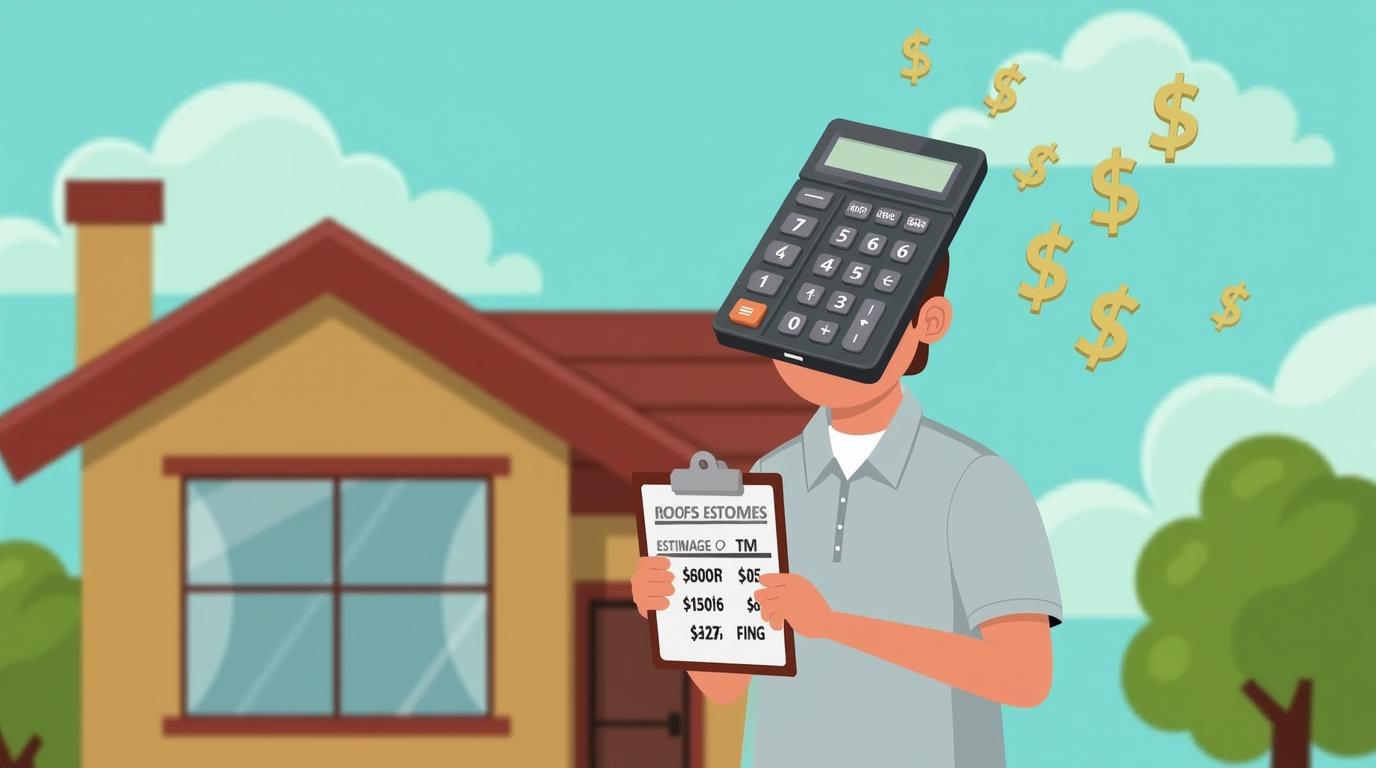
Roof Financing Options Explained: A Contractor's Guide to Smart Solutions
After twenty-three years in the roofing business and completing over four thousand projects across Texas, I have seen homeowners face the same challenge repeatedly. A roof needs replacement or major repair. The estimate comes in. The homeowner feels overwhelmed by the cost. They do not know where to find the money. This article exists to solve that exact problem. I wrote this guide because I have personally helped hundreds of families navigate financing their roof. I have seen the relief when they find a workable solution. My goal is to share that knowledge with you. This is not just information. It is a roadmap based on real customer experiences and proven financial strategies.
My team and I are certified installers for leading manufacturers like GAF and CertainTeed. We hold certifications in storm damage assessment and insurance claim assistance. The information here comes directly from our project files and client meetings. We gathered data from hundreds of financing discussions. We studied lender terms and insurance claim outcomes. We compared manufacturer-backed programs. This guide explains the methodology behind every recommendation. We show you the pros and cons of each option. We provide transparency so you can make the best decision for your home and budget.
Understanding the True Cost of a New Roof
A new roof is a significant investment in your home's safety and value. The cost varies widely based on many factors. The size and pitch of your roof are the biggest cost drivers. A simple, single-story ranch home will cost less than a large, two-story home with a steep pitch. The roofing material you choose has a major impact on price. Basic asphalt shingles are the most common and affordable option. Premium materials like metal, tile, or slate cost much more. The complexity of the roof design also affects the price. Multiple valleys, dormers, and chimneys require more labor and skill.
Labor costs are a substantial part of the total estimate. A professional crew must remove the old roof safely. They must install new underlayment and flashing. They must install the new shingles or tiles precisely. Proper installation is critical for performance and warranty validation. Permits and disposal fees are often overlooked costs. Most municipalities require a permit for a reroofing project. There is also a cost to haul away the old roofing material. In Texas, the average cost for a full roof replacement ranges from $8,000 to $25,000. This wide range reflects differences in home size, material choice, and location.
Breaking Down a Sample Roofing Estimate
Let us look at a real project example from last spring. The homeowners had a 2,200 square foot home in Kingwood. Their roof had two layers of old shingles and moderate storm damage. The total project cost was $18,500. This included a complete tear-off of two layers. It included synthetic underlayment for better protection. It included new aluminum drip edge and pipe flashings. The material was a premium architectural shingle with a 50-year warranty. The cost also covered all permits and a 40-yard dumpster for debris removal. Understanding each line item helps you see where your money goes. It also helps you compare estimates from different contractors accurately.
Primary Roof Financing Options for Homeowners
Homeowners have several reliable paths to finance a necessary roof. The best option depends on your financial situation, credit score, and timeline. We will explore each major category in detail. We will share insights from helping clients use these tools successfully. The goal is to match you with the most affordable and sensible solution. Do not assume one option is right for everyone. Carefully consider your ability to repay the loan. Consider the total interest cost over time. Consider any tax implications or incentives.
Home Equity Loan or Line of Credit (HELOC)
A Home Equity Loan is a common choice for roof financing. You borrow a lump sum against the equity in your home. You receive the money upfront and pay it back in fixed monthly payments. A Home Equity Line of Credit (HELOC) works differently. It is like a credit card secured by your home's equity. You can draw money as you need it during a "draw period." You only pay interest on the amount you use. Both options typically offer lower interest rates than personal loans or credit cards. This is because your home serves as collateral for the loan.
The main advantage is the potentially low interest rate. Interest may be tax-deductible if you use the loan for home improvement. Check with your tax advisor for current rules. The application process can be lengthy. It requires a home appraisal and thorough credit check. Closing costs may apply. This option is best if you have significant equity built up. It is best if you have good credit and a stable income. It is a good fit for a large, one-time project like a full roof replacement.
Cash-Out Mortgage Refinance
A cash-out refinance replaces your current mortgage with a new, larger loan. You receive the difference between the two loans in cash. You can use that cash to pay for your new roof. This option makes sense if current mortgage rates are lower than your existing rate. You can potentially lower your monthly mortgage payment and fund your roof. The process is similar to getting your original mortgage. It involves credit checks, income verification, and an appraisal.
The major benefit is securing a low interest rate for a long term. You consolidate your roof cost into your mortgage payment. The downside is that you reset the clock on your mortgage. You may pay more interest over the life of the loan. There are also closing costs, which can be thousands of dollars. This option requires careful math. Calculate the new total interest versus the cost of a separate roof loan. It is worth exploring if rates have dropped significantly since you bought your home.
FHA 203(k) Rehabilitation Loan
The FHA 203(k) loan is a government-backed program. It is designed specifically for home repairs and improvements. It allows you to finance both the purchase of a home and the cost of repairs. You can also use it for a major renovation on a home you already own. The roof repair or replacement can be included in the loan amount. These loans are insured by the Federal Housing Administration. They often have more flexible credit requirements than conventional loans.
The loan covers the "as-completed" value of the property. All work must be done by a licensed contractor. The funds are placed in an escrow account. Payments are released to the contractor as work milestones are completed. This protects the homeowner. The interest rates are competitive. The down payment requirement can be as low as 3.5%. This is an excellent option if you are buying a home that needs a new roof. It is also good for a major renovation that includes roofing work.
Manufacturer or Contractor Financing Programs
Many roofing manufacturers and contractors offer their own financing programs. These are often provided through partnerships with third-party lenders. For example, GAF offers the GAF MasterFlow program. These programs are designed to be convenient. You can often apply quickly through your contractor. Approval decisions can come within minutes. Terms vary widely. Some offer promotional periods with zero percent interest for a set time.
These programs can be very helpful for homeowners with good credit. The application process is usually simple. The funds are paid directly to the contractor. This streamlines the project. Always read the fine print carefully. Understand the regular interest rate that applies after any promotional period. Know all fees involved. Ask your contractor if they charge any additional fees for using their financing. Compare the terms with other options like a personal loan from your bank.
Personal Loans from Banks or Credit Unions
An unsecured personal loan is another straightforward option. You borrow a fixed amount from a bank, online lender, or credit union. You do not need to use your home as collateral. The loan is based primarily on your creditworthiness and income. You receive the money as a lump sum. You repay it with fixed monthly payments over a set term, usually two to seven years. Interest rates are higher than home equity products. This is because the lender takes on more risk without collateral.
The application process is usually fast. Funding can happen within a few days. There are no closing costs or appraisal fees. This is a good option if you need money quickly. It is good if you do not have enough home equity. It is good if you want to avoid putting a lien on your house. Shop around with multiple lenders. Credit unions often offer very competitive rates to their members. Online lenders can also provide quick comparisons.
Credit Cards: A Cautionary Approach
Using a credit card to pay for a roof is generally not advisable. Roofing costs are typically too high for this method. Credit cards carry very high interest rates. If you cannot pay the balance in full quickly, the finance charges will be enormous. However, there are two specific scenarios where a card might make sense. First, if you have a card with a zero percent introductory APR offer. You must be confident you can pay off the entire balance before the promotional period ends. Second, you might use a card for a small deposit or initial payment.
Some contractors may add a significant surcharge for credit card payments. This is to cover the processing fees charged by the card companies. Always ask about this policy upfront. If you do use a card, have a solid repayment plan. The average credit card interest rate is over 20%. Letting a large roof balance accrue interest at that rate is a costly mistake. Explore all other options before considering a credit card for the full amount.
Navigating Insurance Claims for Roof Replacement
If your roof damage is caused by a covered peril, your homeowner's insurance may pay for it. This is not "financing" in the traditional sense. It is a way to fund the repair without a loan. Common covered events include hail, windstorms, fallen trees, and lightning. Normal wear and tear or age-related failure is not covered. The insurance claim process can be complex. Having a contractor who understands it is invaluable.
Start by reviewing your policy's declarations page. Understand your deductible and coverage limits. Document the damage thoroughly with photos and videos. Contact your insurance company to file a claim. They will send an adjuster to inspect the damage. It is highly recommended to have your own roofing contractor present for the adjuster's inspection. A professional roofer can point out damage the adjuster might miss. They can ensure the estimate covers all necessary work to current building code standards.
Understanding Depreciation and Recoverable Depreciation
Many policies use a concept called Actual Cash Value (ACV) initially. They pay you the current value of your roof, minus your deductible and depreciation. Depreciation is the loss in value due to age. If your policy has Replacement Cost Value (RCV) coverage, you may recover the depreciation. After the work is complete and you submit the final invoice, the insurance company releases a second payment. This payment covers the withheld depreciation. This makes your out-of-pocket cost just your deductible. Knowing this process helps you understand the payment timeline and your financial responsibility.
Practical Tips for Choosing the Right Financing
Choosing a financing method is a major decision. Follow these steps based on our experience with hundreds of clients. First, get a detailed, written estimate from a reputable contractor. You cannot make a smart financial decision without knowing the exact cost. Second, review your personal finances honestly. Check your credit score. Know how much equity you have in your home. Calculate a comfortable monthly payment.
Third, shop and compare multiple options. Get pre-qualified quotes from at least three different sources. Compare the Annual Percentage Rate (APR), not just the interest rate. The APR includes fees and gives you the true cost of the loan. Fourth, read all terms and conditions carefully. Look for prepayment penalties, origination fees, and balloon payments. Fifth, consider the timeline of your project. Some loans fund quickly. Others, like a HELOC, can take weeks. Make sure your financing will be ready when the contractor can start work.
- Get Multiple Quotes: Always get at least three detailed roofing estimates.
- Check Contractor Credentials: Verify licensing, insurance, and manufacturer certifications.
- Understand the Warranty: Know what is covered by the manufacturer's warranty versus the contractor's workmanship warranty.
- Plan for the Unexpected: Set aside a 10-15% contingency fund for unforeseen repairs discovered during tear-off.
- Communicate with Your Lender: If using a loan, ensure your contractor meets any lender requirements for draws or inspections.
Frequently Asked Questions About Roof Financing
What credit score do I need for roof financing?
Credit score requirements vary by loan type. For home equity products, a score of 680 or higher is often needed for the best rates. For manufacturer financing, scores around 640 may qualify for promotional offers. Personal loans typically require a score of 660 or above. Some government-backed loans like FHA 203(k) may accept scores as low as 580. Always check with the specific lender for their exact requirements.
Can I finance a roof with bad credit?
Financing a roof with poor credit is challenging but not impossible. Your options will be more limited and more expensive. You may need a co-signer with good credit. You might explore a secured loan using another asset as collateral. Some contractors work with specialized lenders who focus on lower credit scores. Be prepared for higher interest rates and possibly a larger down payment requirement.
How long does it take to get approved for financing?
Approval times vary dramatically. Online personal loans and contractor financing can provide decisions in minutes and funding in 1-3 business days. Home equity loans and cash-out refinances are much slower. They involve appraisals and underwriting. They can take 30 to 45 days from application to funding. Plan your project timeline accordingly.
Should I use my savings or get a loan for a new roof?
Using savings is always the cheapest option if you have the funds available. You pay zero interest. However, completely depleting your emergency fund is risky. A good rule is if the roof cost is less than 20-30% of your liquid savings, paying cash may be wise. If it would take most of your savings, a loan is smarter to maintain financial security for other emergencies.
Are there grants or assistance programs for roof replacement?
Yes, but they are often limited to specific circumstances. The USDA Rural Repair and Rehabilitation Grants are available for very low-income homeowners in eligible rural areas. Some states and cities have weatherization or home repair programs for seniors or low-income families. Local community action agencies are a good resource to check for available assistance in your area.
What happens if I sell my house before the roof loan is paid off?
If the loan is unsecured, like a personal loan, you simply pay off the remaining balance from the proceeds of the home sale. If the loan is secured by your home, like a HELOC, the lien must be satisfied at closing. The title company will ensure the loan is paid off before the seller receives any net proceeds. A new roof often increases your home's value and marketability, which can help offset the loan payoff.
Does financing affect my roof warranty?
No, the method of payment does not affect the manufacturer's material warranty or the contractor's workmanship warranty. Warranties are based on proper installation and material defects, not how you paid for the roof. Always ensure your contractor is certified by the manufacturer to install their products, as this is often required for the warranty to be valid.
Real Project Case Studies and Outcomes
Case Study 1: The HELOC for a Storm-Damaged Roof
The Johnson family in Atascocita had a severe hailstorm damage their 15-year-old roof. Their insurance claim covered most of the cost, but they had a $2,500 deductible and needed upgraded underlayment not covered. They had strong equity in their home and excellent credit. We helped them open a HELOC for $15,000. They used $2,800 for the roof deductible and upgrades. They kept the line open for future emergencies. Their interest rate was 5.75%, and the payment was manageable. They were thrilled to have a new roof and a financial safety net.
Case Study 2: Manufacturer Financing for a Timely Replacement
Ms. Rodriguez in Kingwood had active leaks during the rainy season. Her roof was failing, but she had limited savings. Her credit score was good at 710. We helped her apply for financing through our manufacturer's partner. She was approved for 12 months of zero percent interest. The total project cost was $12,400. She set up automatic payments to pay it off within the promotional period. She avoided all interest charges. The quick approval allowed us to start work within a week, stopping the leaks before more interior damage occurred.
Case Study 3: The Insurance Claim with a Personal Loan Bridge
The Lee family's roof was destroyed by a windstorm. Their insurance approved a replacement cost value claim. However, the insurance company's payment process required them to pay the contractor upfront. They would then be reimbursed for the recoverable depreciation. The Lees did not have $18,000 in cash available. They took out a short-term personal loan from their credit union at 7.9% APR. They paid the contractor. Once the work was done, they submitted the final invoice to their insurer. The insurer sent the depreciation check. The Lees used that check to pay off the personal loan in full after only two months. They paid minimal interest and navigated the insurance process smoothly.
Industry Statistics and Data
Understanding broader trends can help in your decision-making. According to industry surveys, approximately 35% of homeowners use cash or savings to pay for a roof replacement. About 25% use home equity loans or lines of credit. Around 15% use insurance claim proceeds. Roughly 10% use personal loans. The remaining 15% use other methods like credit cards or family loans. The average roof loan amount nationwide is between $9,000 and $11,000. The most common loan term is 5 to 7 years. Data from the National Association of Home Builders shows that a new roof has a return on investment of about 60-70% at resale. It also significantly improves a home's curb appeal and marketability.
Step-by-Step Guide to Securing Roof Financing
- Get a Professional Inspection and Estimate: Hire a licensed, insured roofer for a thorough inspection and a detailed, written estimate. This is your foundational document.
- Review Your Financial Position: Check your credit score via AnnualCreditReport.com. Calculate your home's equity. Determine a comfortable monthly payment.
- Explore Insurance: If damage is from a storm, contact your insurance company first. An approved claim can drastically reduce your out-of-pocket cost.
- Research and Compare Lenders: Contact your current bank or credit union. Research online lenders. Ask your contractor about their financing partners. Get pre-qualified quotes from at least three sources.
- Compare All Offers: Line up all quotes. Compare the APR, total repayment amount, monthly payment, loan term, and all fees. Choose the offer that best fits your budget and timeline.
- Submit Formal Application: Gather required documents like pay stubs, tax returns, and bank statements. Submit your application to the chosen lender.
- Schedule the Work: Once financing is secured, work with your contractor to schedule the project. Ensure the payment schedule aligns with the lender's disbursement process if applicable.
Conclusion: Your Path to a Secure Roof
A new roof is a critical investment in your home's integrity. The financing decision is just as important as choosing the right shingles. Do not let the upfront cost delay necessary repairs. Proactive replacement prevents costly interior water damage and structural issues. Use the information in this guide as your starting point. Get multiple estimates from reputable contractors. Explore all the financing avenues available to you. Make a choice based on your unique financial picture.
Your home deserves protection. Your family deserves safety and peace of mind. A well-financed, professionally installed roof provides both for decades. If you are in the Kingwood area or greater Texas region, feel free to reach out for a consultation. We can provide a detailed estimate and discuss which financing options have worked best for homeowners in situations similar to yours. Take the first step today toward a dry, secure, and beautiful roof over your head.