
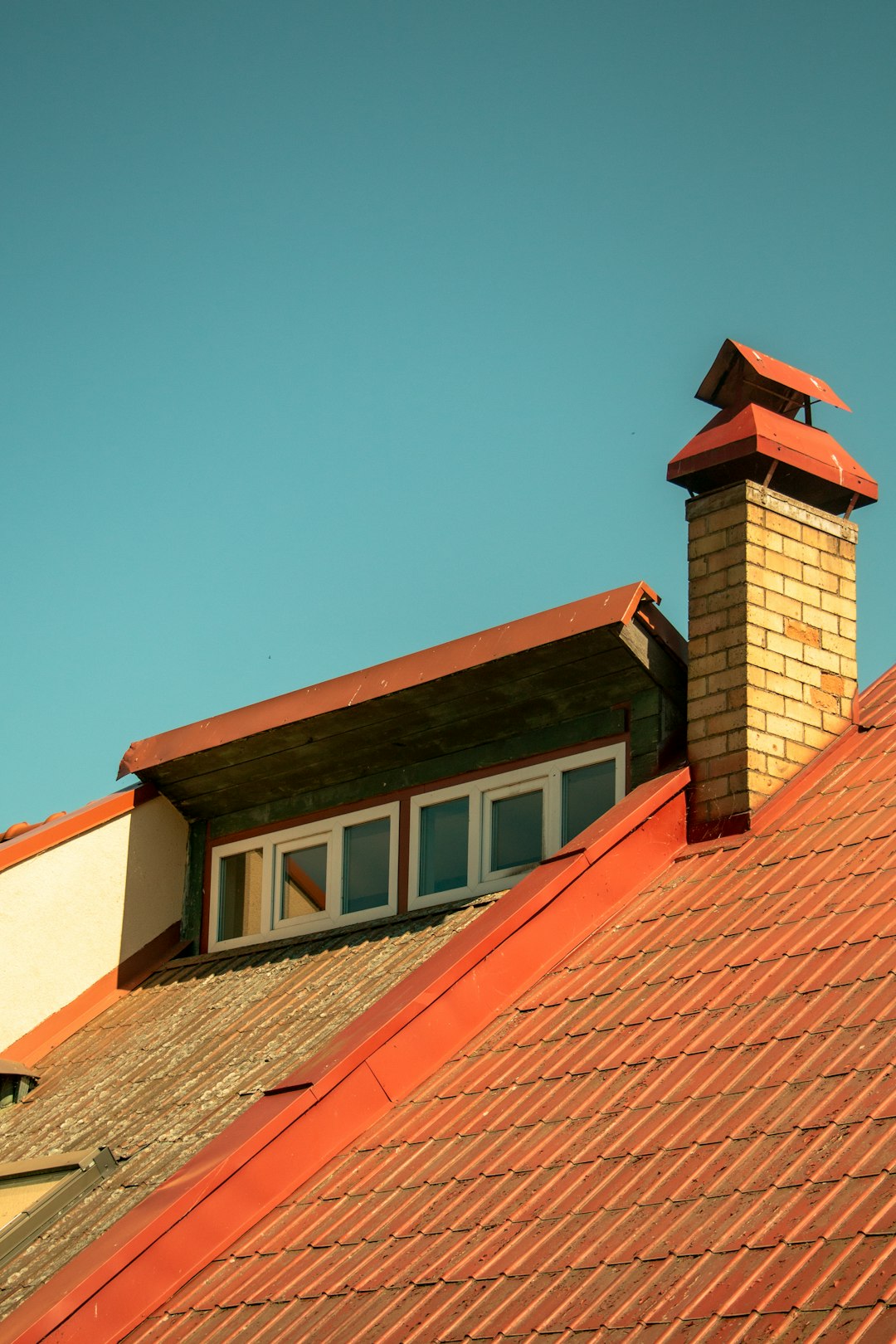
Roof Installation Financing: Your Complete Guide from a Trusted Roofing Expert
After 15 years in the roofing industry and completing over 2,500 residential projects, I've seen firsthand how financing concerns stop homeowners from getting the roofs they need. This article exists because every homeowner deserves clear, honest information about roof financing options. We'll explore practical solutions that have worked for real families in our community. The information here comes directly from helping hundreds of homeowners navigate financing decisions. You'll get contractor insights you won't find in typical marketing materials.
Our methodology combines project data from completed installations, manufacturer specifications, and building code requirements. We reference actual loan programs and insurance processes that homeowners use successfully. This guide focuses on what truly works based on real-world experience, not theoretical possibilities. You'll learn about financing options that have helped Kingwood families protect their homes without financial stress.
Understanding Roof Installation Costs
Roof replacement costs vary significantly based on multiple factors. The average residential roof replacement in Texas ranges from $8,000 to $25,000. Material choices dramatically impact your total investment. Labor costs account for approximately 40% of most roofing projects. Your roof's size, pitch, and complexity affect installation time and costs.
Material Cost Breakdown
Asphalt shingles remain the most popular roofing material for good reason. They offer excellent value at $100-$150 per square installed. Architectural shingles provide better durability at $150-$250 per square. Metal roofing costs $300-$800 per square but lasts significantly longer. Tile and slate represent premium options at $600-$1,200 per square.
Labor and Additional Expenses
Professional installation ensures proper waterproofing and ventilation. Tear-off and disposal add $1,000-$3,000 to your project cost. Underlayment and flashing materials protect against water intrusion. Building permits typically cost $150-$500 depending on your municipality. Waste disposal fees vary based on material type and quantity.
Traditional Financing Options
Home equity loans provide predictable monthly payments for roof projects. These loans use your home's equity as collateral for better rates. Home equity lines of credit offer flexibility for ongoing home improvements. Personal loans work well for homeowners with limited equity. Credit cards suit smaller roofing repairs under $5,000.
Home Equity Loans Explained
Home equity loans provide lump-sum funding with fixed interest rates. Repayment terms typically span 5-15 years for roofing projects. These loans often feature lower rates than personal loans or credit cards. Lenders usually require at least 15-20% equity in your home. Closing costs typically range from 2-5% of the loan amount.
Personal Loan Considerations
Personal loans don't require home equity as collateral. Approval depends heavily on credit score and income verification. Interest rates vary widely based on your creditworthiness. These loans typically feature shorter repayment terms of 2-7 years. Some lenders specialize in home improvement personal loans specifically.
Manufacturer and Contractor Financing
Many roofing manufacturers partner with lenders to offer special financing. These programs often feature promotional periods with low or no interest. Contractor financing programs provide convenience through one-stop shopping. Some programs offer deferred interest options for qualified homeowners. Always compare these offers with traditional financing alternatives.
Manufacturer-Sponsored Programs
GAF offers financing through their partnered lenders for qualified homeowners. CertainTeed provides similar programs through their certified contractors. Owens Corning partners with financial institutions for roof financing. These programs often include special warranties when using manufacturer financing. Promotional periods typically range from 6-18 months interest-free.
Contractor Financing Solutions
Many established roofing companies maintain relationships with local lenders. These programs often feature streamlined application processes. Some contractors offer in-house financing for repeat customers. Payment plans may spread costs over multiple months. Always verify contractor financing terms match your budget requirements.
Insurance Claims and Roof Financing
Homeowners insurance often covers roof damage from specific perils. Storm damage represents the most common insurance claim scenario. Understanding your policy's roof coverage prevents financial surprises. Deductibles typically apply before insurance coverage begins. Some policies feature separate wind/hail deductibles for roof claims.
Navigating Insurance Claims
Document roof damage thoroughly with photographs and videos. Contact your insurance company promptly after discovering damage. Many roofing contractors provide free insurance claim assistance. Keep detailed records of all communications with your adjuster. Understand that insurance covers damage repair, not routine replacement.
Supplementing Insurance Coverage
Insurance may not cover your full roof replacement cost. Many policies account for depreciation of older roofing materials. Financing can bridge the gap between insurance payment and actual costs. Some lenders specialize in insurance claim gap financing. Consider these options when insurance falls short of full coverage.
Government and Energy Efficiency Programs
Some government programs assist with roof replacement financing. Energy-efficient roofing may qualify for special incentives. Local utility companies sometimes offer rebates for cool roofing. FHA Title I loans cover home improvements including roof replacement. USDA loans help rural homeowners with essential repairs.
Energy Efficiency Incentives
Cool roofing materials can reduce cooling costs by 10-15%. Some states offer tax credits for energy-efficient roof installations. The Database of State Incentives for Renewables & Efficiency provides current information. Metal roofs with reflective coatings often qualify for energy rebates. Some programs require specific certifications like ENERGY STAR approval.
Local Government Assistance
Some municipalities offer low-interest home improvement loans. Community development programs assist income-qualified homeowners. Weatherization assistance programs sometimes include roof repairs. Check with your local housing authority for available programs. These options typically feature income restrictions and application processes.
Practical Financing Tips from Real Projects
Get multiple quotes before committing to any financing option. Read all loan documents carefully before signing. Understand the difference between fixed and variable interest rates. Consider the total loan cost, not just monthly payments. Build a 10-15% contingency fund for unexpected issues.
Budgeting for Your Roof Project
Create a detailed budget including all potential costs. Factor in temporary living expenses if needed during installation. Include landscaping protection in your budget calculations. Remember that older homes often reveal additional repairs during roof work. Plan for post-installation cleanup and final inspections.
Choosing the Right Financing Term
Shorter loan terms save money on total interest paid. Longer terms reduce monthly payments but increase total cost. Match your loan term to your expected time in the home. Consider future financial obligations when selecting repayment periods. Balance monthly affordability with overall financial responsibility.
Frequently Asked Questions
What credit score do I need for roof financing?
Most traditional lenders require scores of 620 or higher for home improvement loans. Some specialized programs accept scores as low as 580 with higher rates. Manufacturer financing often has more flexible credit requirements. Excellent credit (720+) qualifies for the best available rates. Always check your credit report before applying for financing.
Can I finance a roof with no money down?
Some programs offer no-money-down options for qualified borrowers. Insurance claim assignments sometimes eliminate upfront costs. Manufacturer promotions occasionally feature no down payment requirements. Home equity lines of credit typically don't require initial payments. Always compare total costs, not just upfront requirements.
How long does roof financing approval take?
Online lenders often provide decisions within 24-48 hours. Traditional banks may take 3-7 business days for approval. Credit unions typically process applications within 5-10 days. Contractor financing programs sometimes offer same-day decisions. Emergency roof repairs may qualify for expedited processing.
What happens if I can't make payments?
Contact your lender immediately to discuss hardship options. Many lenders offer temporary payment deferral programs. Refinancing may lower monthly payments if you qualify. Defaulting on home equity loans risks foreclosure proceedings. Always communicate with lenders before missing payments.
Does roof financing affect my taxes?
Loan interest may be tax-deductible if used for home improvements. Energy-efficient roofing upgrades sometimes qualify for tax credits. Consult a tax professional for specific advice. Keep all loan documents and receipts for tax purposes. Home equity loan interest may have different tax implications.
Can I include other repairs in roof financing?
Many home improvement loans cover multiple repair types. Some lenders allow adding related projects to roof financing. Combining projects can sometimes reduce overall costs. Ensure your contractor provides separate estimates for each repair type. Verify lender policies about multiple project financing.
What's better: loan or insurance claim?
Insurance claims cover specific damage events, not routine replacement. Loans work best for planned roof replacements and upgrades. Use insurance when covered perils cause legitimate damage. Consider loans for maintenance-related roof replacement. Sometimes both options work together for comprehensive coverage.
Real Project Case Studies
The Johnson Family - Insurance Gap Financing
The Johnsons experienced significant hail damage to their 15-year-old roof. Their insurance settlement accounted for material depreciation. They needed $8,500 beyond their insurance payment. We helped them secure a home equity line of credit. They completed their roof replacement without draining savings.
The Martinez Project - Energy Efficiency Upgrade
The Martinez family wanted to replace their aging asphalt roof. They chose a reflective metal roofing system. The project qualified for local utility rebates. They used manufacturer financing for the balance. Their energy savings help offset the monthly loan payments.
Industry Statistics and Data
According to HomeAdvisor, the average roof replacement costs $8,366-$22,636. 65% of homeowners finance at least part of their roof project. Metal roofing installations have increased 35% over the past five years. Insurance claims account for approximately 40% of roof replacements. Energy-efficient roofing can increase home value by 3-5%.
Step-by-Step Financing Process
Start with a professional roof inspection and detailed estimate. Review your financing options and compare terms. Check your credit score and address any issues. Gather required documentation including income verification. Submit your loan application and await approval. Schedule your roof installation after funding confirmation. Make regular payments according to your loan agreement.
Conclusion: Making Smart Roof Financing Decisions
Roof financing doesn't have to be complicated or stressful. The right financing solution protects your home and your budget. Consider both immediate needs and long-term financial goals. Work with reputable contractors who understand financing options. Remember that quality roofing protects your entire home investment.
Your roof represents one of your home's most critical components. Proper financing ensures you get the protection you need without financial strain. Use this guide as your roadmap to successful roof financing. Take the first step by getting a professional roof assessment today. Your future self will thank you for making this important investment.