
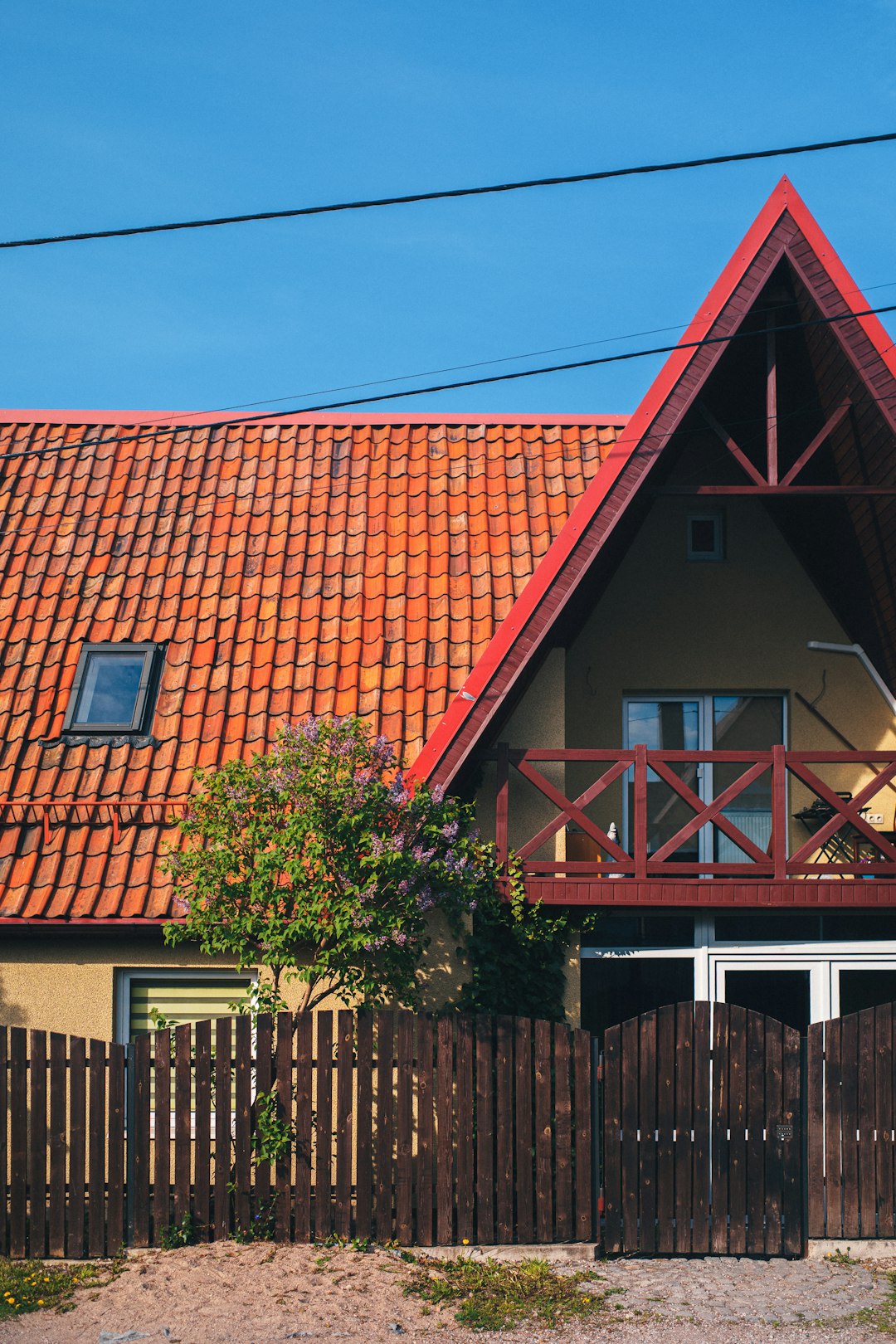
Roof Installation Financing: Your Complete Guide from a 15-Year Roofing Contractor
My name is Mark, and I've been installing and replacing roofs across Texas for over fifteen years. I've personally supervised more than 1,200 roofing projects, from simple repairs after a hailstorm to complete tear-offs on historic homes. I hold GAF Master Elite® and CertainTeed SELECT ShingleMaster™ certifications, which means I've been trained to the highest manufacturer standards. This experience has given me a front-row seat to the single biggest question homeowners face after "How much?"—"How do I pay for it?" This article exists because I've sat at countless kitchen tables with families just like yours, looking at estimates and feeling overwhelmed. My goal is to demystify the entire financing process, giving you the knowledge and confidence to make a smart decision for your home and your budget. The information here comes directly from those real conversations, combined with current industry data from the National Roofing Contractors Association (NRCA), manufacturer financing programs, and my own project records. I'll explain not just what options exist, but how to evaluate them like a pro, what red flags to watch for, and how to structure a payment plan that works for your life.
Let's be honest: a new roof is a major investment. According to Remodeling Magazine's 2024 Cost vs. Value Report, the average asphalt shingle roof replacement costs over $30,000. That's a significant sum for any household. The purpose of this guide is to answer your financing questions completely, so you don't have to piece together information from a dozen confusing websites. We'll cover everything from home equity loans and contractor payment plans to navigating insurance claims and special manufacturer programs. I'll share insights from financing thousands of projects, including what makes a loan offer good or bad, how your credit score impacts your options, and the smartest ways to budget for this essential home improvement. By the end, you'll have a clear roadmap and the peace of mind that comes from making an informed choice.
Why Roof Financing is Different from Other Home Loans
Financing a roof isn't like financing a car or a vacation. It's a critical investment in your home's structure, safety, and value. A roof protects everything underneath it. From a contractor's perspective, the financing needs to be secure and straightforward so the project can proceed smoothly without payment delays. For you, the homeowner, the loan terms must be manageable and the total cost transparent. A good financing plan aligns the project's timeline with your financial comfort. I've seen projects stall because of complicated loan approvals, and I've seen homeowners stressed by hidden fees. Understanding the unique aspects of roofing finance helps you avoid these pitfalls. The roof itself is collateral in a sense—it increases your home's value immediately. This makes it a strong candidate for loans tied to your property's equity.
The Real Cost of Waiting: Repair vs. Replacement Financing
Many homeowners try to finance endless repairs instead of one replacement. This is often a costly mistake. I recently worked with a family in Kingwood who spent nearly $8,000 over three years patching leaks and replacing damaged sections. When we finally did a full replacement, we discovered extensive decking rot that their repairs had missed. The total cost was higher because of the additional woodwork needed. Financing a complete roof earlier would have saved them money and prevented interior water damage. When considering financing, think about the total lifecycle cost. A low-interest loan for a proper, warrantied roof is usually smarter than putting small emergencies on a high-interest credit card. Your financing strategy should support the right long-term solution, not just the cheapest short-term fix.
A Detailed Breakdown of All Your Financing Options
Homeowners have more choices than ever. Each option has pros, cons, and ideal scenarios. I'll explain them from a contractor's viewpoint, telling you what I typically see work best for families in our area.
Home Equity Loans & HELOCs (Home Equity Lines of Credit)
These are often the first recommendations for good reason. A home equity loan provides a lump sum at a fixed interest rate, using the equity you've built in your home as collateral. A HELOC works more like a credit card with a set limit, allowing you to draw funds as needed. According to the Federal Reserve, interest rates for these products are generally lower than personal loans or credit cards because they're secured by your home. The interest may also be tax-deductible if you use the funds to "buy, build, or substantially improve" the home that secures the loan (always consult a tax advisor). From my experience, homeowners with strong equity and good credit find this the most cost-effective path. The application process goes through your bank or credit union, and funds are disbursed directly to you. This gives you full control to pay the contractor according to the agreed schedule.
FHA Title I Property Improvement Loans
This is a government-insured loan program specifically for home improvements. The FHA Title I loan is offered through local banks and lenders. It doesn't require equity in your home or perfect credit, which makes it accessible for newer homeowners. The maximum loan amount for a single-family home is $25,000 for a term up to 20 years. The lender must approve both you and the contractor. I am familiar with this process, as my company is often vetted by lenders for these projects. The benefit is a manageable fixed rate and longer term. The downside can be more paperwork and a slower approval timeline. This is a solid option if you lack substantial equity but have a steady income.
Manufacturer-Backed Financing Programs
Major roofing manufacturers like GAF and CertainTeed partner with financial institutions to offer financing. As a certified installer, I can often offer these programs directly. They frequently feature promotional periods with low or no interest if paid in full within a set time, like 12 or 18 months. This can be excellent for homeowners who have the cash flow to pay off the balance quickly and avoid all interest. It's crucial to read the fine print. If the balance isn't paid by the end of the promo period, high deferred interest can be applied retroactively. I only recommend this to clients who are 100% confident in their payoff plan. These programs also usually require credit approval at the time of purchase.
Personal Loans from Banks or Online Lenders
Unsecured personal loans from institutions like LightStream or your local bank are another route. They provide a fixed amount with a fixed monthly payment. Since they're not tied to your home, the approval and funding can be very fast—sometimes within a day. The interest rates are typically higher than home equity products but lower than credit cards. Your rate depends heavily on your credit score. I've had clients use these successfully for mid-sized projects where they wanted to keep the loan separate from their mortgage. The key is to shop around. Get quotes from multiple lenders and compare the Annual Percentage Rate (APR), which includes all fees.
Contractor Payment Plans
Some roofing companies, including mine, offer in-house payment plans. These are not loans from a bank. Instead, we break the total cost into scheduled payments. This requires a high level of trust between homeowner and contractor. Reputable companies will structure these with clear contracts, a reasonable down payment, and payments tied to project milestones (e.g., 30% at start, 40% at delivery of materials, 30% upon completion and final inspection). Be very wary of any contractor asking for full payment upfront. That is a major red flag. The Texas Department of Licensing and Regulation (TDLR) provides resources on hiring a contractor. A good payment plan should feel fair and give you leverage to ensure the work is done correctly.
Credit Cards: A Last Resort for Financing
Using a standard credit card is usually the most expensive way to finance a roof. Interest rates are often 15-25%. However, a new card with a 0% introductory APR offer can be a strategic tool for a short-term plan, similar to a manufacturer promo. If you qualify for a card with a $30,000 limit and 0% interest for 18 months, and you can pay it off in that time, it could work. The danger is if you can't pay it off, you'll face high interest on the entire remaining balance. I've seen this trap homeowners. Only consider this if you have exceptional discipline and a concrete payoff strategy.
How to Navigate Roof Financing with an Insurance Claim
This is a critical and often confusing scenario. If your roof is being replaced due to storm or hail damage, your homeowner's insurance may cover most of the cost, less your deductible. You should never finance your insurance deductible unless absolutely necessary. Here's the typical process: After a storm, we inspect and document the damage. You file a claim with your insurer. An adjuster inspects and issues a claim settlement. This settlement is often paid in two checks: one for the Actual Cash Value (ACV) and a second for the Recoverable Depreciation after the work is complete. The ACV check is yours to use to start the job. The gap between the ACV and the full replacement cost is what sometimes needs financing. For example, if the full replacement cost is $30,000 and your ACV payment is $20,000, you need to cover the $10,000 difference plus your deductible to begin work. Some contractors offer "deductible absorption" programs, but these are often illegal and considered insurance fraud. The honest approach is to use one of the financing methods above to bridge that gap until the final depreciation check arrives from your insurer. I always advise clients to work with their insurance agent directly to understand their policy's specifics.
Step-by-Step Guide to Choosing the Right Financing
Follow this process to make a confident decision. I've developed this checklist with my clients over hundreds of projects.
- Get a Detailed, Written Estimate: You cannot make a financing decision without knowing the exact scope and cost. A proper estimate should include material specifications (brand, type, color), labor, tear-off and disposal costs, warranty details, and a timeline. It should also outline the payment schedule.
- Check Your Credit Score: Your credit score is the key that unlocks better rates. Check your free reports at AnnualCreditReport.com. Knowing your score helps you target realistic loan products.
- Calculate Your Home Equity: Contact your mortgage lender to find out your current loan balance and your home's approximate value. Simple online estimators can give a rough idea, but your lender can provide a formal figure.
- Shop and Compare Lenders: Get loan estimates from at least three different sources: your current bank, a credit union, and one online lender. Compare the APR, loan term, monthly payment, and any origination fees.
- Read All Promotional Fine Print: For 0% offers, find the expiration date and what the standard interest rate jumps to afterward. Understand if interest is deferred (and added later) or truly waived.
- Align Financing with the Project Schedule: Ensure the loan funds will be available when the contractor needs payment. A delay in funding can delay your project start date.
- Finalize Everything Before Signing the Roofing Contract: Have your financing secured and understood before you sign the agreement with your roofer. This prevents last-minute stress and ensures the project flows smoothly.
Red Flags and Warning Signs in Roof Financing
Protect yourself by watching for these danger signals. They come from stories I've heard from homeowners who had bad experiences with other companies.
- The Contractor Pressures You to Use a Specific Lender: A reputable contractor will present options, not push one hard. A pushy recommendation might mean they're getting a kickback.
- Extremely Long Loan Terms for Small Amounts: Financing a $15,000 roof over 15 years means you'll pay far more in interest than the roof is worth. Aim for the shortest term you can comfortably afford.
- Vague or Verbal Financing Terms: Every detail must be in writing—the interest rate, APR, term, monthly payment, and total repayment amount.
- Requests for Full Payment Upfront: This is the biggest red flag. No legitimate roofer needs 100% of the money before any work begins. A standard schedule involves payments at milestones.
- "Too Good to Be True" Interest Rates: If a rate is far below market average, scrutinize the fees. They may be hiding costs in high origination or processing fees.
- The Lender Doesn't Check Your Credit: Responsible lenders always check credit. If they don't, it may be a sign of a predatory loan with hidden terms.
Real Project Case Studies: How Homeowners Made It Work
Let's look at three real examples from my project files (names changed for privacy). These show how different strategies succeed.
Case Study 1: The Planned Replacement (The Smith Family) The Smiths knew their 22-year-old roof was nearing the end of its life. They planned ahead. They had about 50% equity in their home. They applied for a home equity loan from their credit union six months before wanting the work done. They secured a $28,000 loan at a 6.5% fixed APR for 10 years. Their monthly payment was about $318. When it was time for the roof, they paid my company from this fund on our standard milestone schedule. The outcome was a stress-free project with predictable payments that fit their budget.
Case Study 2: The Sudden Hail Damage (The Garcia Family) A severe hailstorm damaged the Garcias' roof. Their insurance claim approved a replacement with a $2,000 deductible. The ACV payment was $18,000, but the total cost was $26,000. They needed $8,000 plus their $2,000 deductible to start—$10,000 total. They didn't have that in savings and had limited equity. They applied for an FHA Title I loan through their bank and were approved for $12,000 at 8% for 12 years. This covered the gap and their deductible. The monthly payment was around $130. When the final depreciation check of $6,000 arrived from the insurer, they used it to pay down a large chunk of the loan immediately, saving on interest.
Case Study 3: The Strategic Short-Term Plan (The Johnson Family) The Johnsons had a healthy savings but didn't want to deplete it completely on a $24,000 roof. They had excellent credit. My company offered a GAF-backed financing promotion: 0% interest for 18 months. They were approved. They paid for the roof using this line of credit. They set up an automatic monthly transfer from their savings to pay $1,334 each month, ensuring the entire balance would be paid off in 18 months with zero interest. This allowed them to keep their savings mostly intact for emergencies while getting their new roof.
Frequently Asked Questions (FAQ)
What credit score do I need to finance a roof?
It depends on the lender and product. For the best rates on home equity loans or personal loans, a score of 700 or above is ideal. Many manufacturer programs and FHA loans may accept scores in the mid-600s. Scores below 620 will limit your options and come with much higher interest rates. Always check your score before you apply so you know what to expect.
Is it better to finance through the roofer or my own bank?
There's no universal answer. It's always wise to check with your own bank or credit union first, as they may offer you a loyalty discount. However, manufacturer programs through the contractor can have excellent promotional rates. Get a quote from both and compare the APR, fees, and terms. Choose the one that offers the lowest total cost and most flexible terms for your situation.
How much should I put down on a roof financing plan?
For contractor payment plans, a down payment of 10-30% is standard and reasonable. It shows commitment and helps the contractor purchase materials. For bank loans (home equity, personal), you typically don't make a "down payment" to the lender. Instead, you receive the full loan amount and use it to pay the contractor according to their schedule.
Can I include other repairs in the same financing?
Often, yes. If you're using a home equity loan or HELOC, you can use the funds for any home improvement. Some roofing-specific financing may be limited to the roof work. If you need gutters, skylights, or decking repair done at the same time, discuss this with your lender and contractor upfront. It's usually more efficient to bundle related work into one project and one loan.
What happens if I sell my house before the roof loan is paid off?
If the loan is unsecured (like a personal loan), you simply pay off the remaining balance from the proceeds of the home sale. If the loan is secured by your home (like a home equity loan or second mortgage), the loan must be paid off at closing, just like your primary mortgage. The new roof will likely increase your home's sale value, which should help cover this cost.
Are there grants or assistance programs for roof replacement?
For most homeowners, grants are rare. However, some programs exist for low-income seniors, veterans, or people with disabilities. Your local city or county housing department may have information. The U.S. Department of Energy also has weatherization assistance programs that sometimes include roof repairs for energy efficiency. These have strict income qualifications.
How does financing affect my roof warranty?
It shouldn't affect it at all. Your manufacturer's material warranty and contractor's workmanship warranty are separate from your financing agreement. As long as the roof is installed by a certified installer according to the manufacturer's specifications, the warranty is valid regardless of how you paid for it. Keep your warranty documents and proof of installation in a safe place.
Conclusion: Your Path to a Financed Roof
Financing a roof doesn't have to be a source of anxiety. It's a practical tool that lets you protect your home now and pay for it over time. The key is education and comparison. Start by getting a detailed, written estimate from a reputable, licensed contractor. Then, honestly assess your financial picture—your credit, equity, and monthly budget. Shop for loans with the same care you shop for roofing materials. Look beyond the monthly payment to the total cost of the loan (the APR). Avoid deals that sound too good to be true, and never feel pressured to sign anything before you're ready. A new roof is one of the best investments you can make in your home. It stops leaks, improves energy efficiency, boosts curb appeal, and provides peace of mind for decades. By choosing the right financing, you make this vital upgrade achievable and affordable. Your next step is to contact a trusted local roofer for an inspection and a clear estimate. With that number in hand, you can use the knowledge from this guide to find the perfect payment plan for your family.