
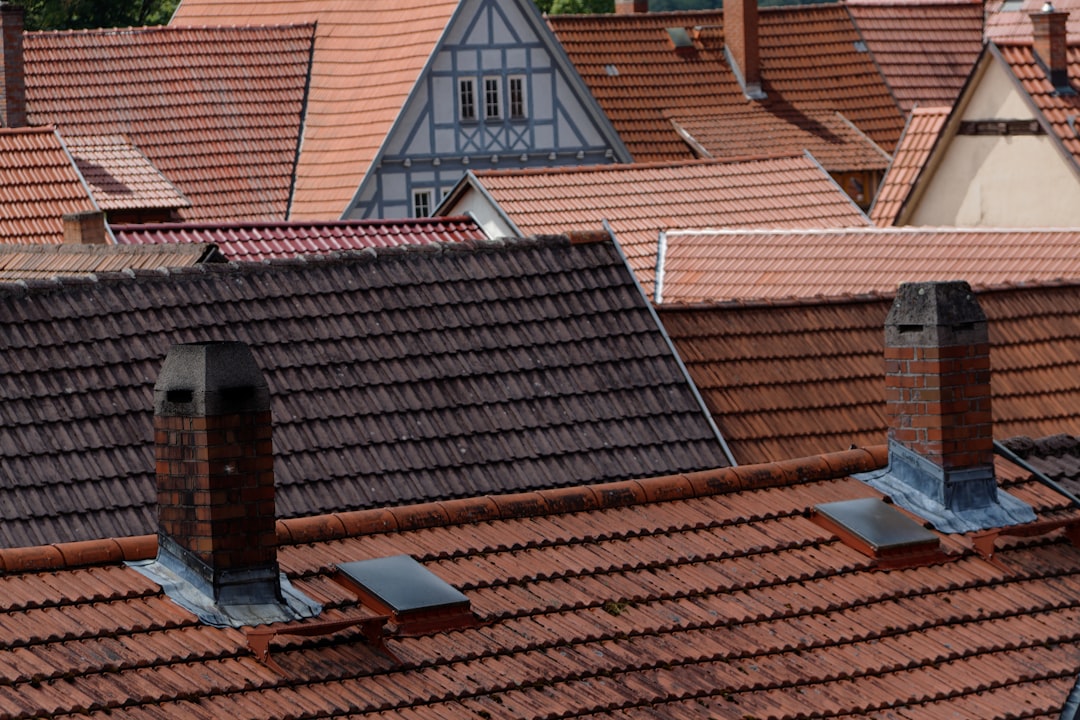
Roof Replacement Financing: Your Complete Guide from a Texas Contractor
I have been a roofing contractor in Kingwood and the greater Houston area for over 15 years. In that time, my team and I have completed more than 2,000 roof installations and replacements. We are GAF Master Elite® certified, Owens Corning Preferred Contractors, and fully licensed and insured in Texas. This experience has given me a front-row seat to the biggest challenge homeowners face: how to pay for a necessary roof replacement. This article exists because I have sat at countless kitchen tables with good people who need a new roof but feel overwhelmed by the cost. My goal is to demystify the financing process, share real options from actual projects, and give you the knowledge to make a confident decision. The information here comes directly from helping hundreds of families navigate this exact situation, combined with current data from manufacturers, lenders, and industry standards like the International Residential Code (IRC). I will explain not just the 'what' but the 'why' behind each recommendation, based on what has worked best for my customers.
A new roof is a major investment in your home's safety and value. It protects everything you own. Yet, the sticker shock can be paralyzing. You are not alone if you are wondering how to afford it. This guide will walk you through every legitimate financing path, from insurance claims to personal loans. I will share real project costs, break down the pros and cons of each option, and give you practical tips from the field. My methodology is simple: provide clear, honest information that saves you time and stress. I will not sugarcoat costs or push one solution. Instead, I will lay out the facts so you can choose what fits your budget and goals. Let's get started.
Understanding the True Cost of a Roof Replacement
Before discussing how to pay, you must know what you are paying for. A roof replacement cost is not a single number. It is a sum of materials, labor, permits, and disposal. In our Texas market, a full asphalt shingle roof replacement on an average 2,000-2,500 square foot home typically ranges from $12,000 to $25,000. This wide range depends on several key factors. The slope and complexity of your roof design dramatically affect labor time. A simple gable roof is far less expensive than a roof with many valleys, dormers, and steep pitches. The quality of materials you choose is another major cost driver. Basic 3-tab shingles cost less than architectural or premium laminated shingles from brands like GAF or Owens Corning.
Material Costs and Comparisons
Your roofing material is the largest single expense. Asphalt shingles are the most common choice in our area. They offer a good balance of cost, durability, and aesthetics. Basic 3-tab shingles might cost $100-$150 per square (100 sq. ft.). Architectural shingles, which are thicker and more dimensional, range from $150-$250 per square. Premium laminated shingles can exceed $300 per square. Metal roofing is a growing choice for its longevity and energy efficiency. A standing seam metal roof can cost $30,000 to $45,000 or more for the same home but can last 40-70 years. Tile and slate are premium options with even higher costs. Always factor in the complete system: underlayment, ice and water shield in critical areas, drip edge, vents, and proper fasteners. Skimping on these components to save money is a terrible idea that leads to premature failure.
Labor, Permits, and Hidden Costs
Professional labor is a significant and justified cost. A proper installation requires skilled crews, safety equipment, and insurance. In Texas, labor typically accounts for 40-60% of the total project cost. Your city or county will require a building permit. This ensures the work meets local building codes based on the International Residential Code (IRC). Permit fees vary but are a necessary cost of doing the job legally and correctly. Do not work with a contractor who suggests skipping permits. Other costs include tear-off and disposal of the old roof (often measured by weight), repairing any damaged decking (plywood or OSB), and upgrading ventilation if needed. A quality contractor will include all these items in a detailed, line-item estimate.
Financing Option 1: Homeowners Insurance Claims
This is often the first place to look if your roof damage is sudden and accidental. Insurance is designed for events like hailstorms, windstorms, or fallen trees. It is not for wear and tear or old age. The process starts with a detailed inspection. I recommend getting a professional inspection from a reputable, local roofing contractor first. They can document the damage with photos and measurements. Then, you file a claim with your insurance company. An insurance adjuster will inspect the property. Their job is to assess if the damage is covered and estimate the repair cost. It is crucial to have your contractor present during the adjuster's inspection. They can point out damage the adjuster might miss and ensure the estimate covers all necessary work.
Understanding Depreciation and Deductibles
Most policies have a deductible, which is the amount you pay out-of-pocket before insurance kicks in. This is often $1,000, $2,500, or 1% of your home's insured value. You are responsible for paying this amount to your contractor. For older roofs, insurance companies may apply depreciation. They pay the Actual Cash Value (ACV) initially, which is the replacement cost minus depreciation. Once the work is complete, you submit the final invoice to receive the Recoverable Depreciation, bringing the payment up to the full replacement cost value (RCV). It is vital to understand your policy's terms. Resources like the Texas Department of Insurance can help you understand your rights as a policyholder.
Navigating the Claims Process Successfully
From my experience, a successful claim hinges on documentation and communication. Keep a detailed log of all conversations with your insurance company, including names, dates, and reference numbers. Provide your contractor's detailed estimate to the adjuster. If the insurance company's initial estimate is too low, you or your contractor can submit a supplement with additional evidence. Do not feel pressured to accept the first offer. A good contractor will help you navigate this process. Remember, you have the right to choose your own contractor, not one the insurance company recommends. Your goal is a full, proper restoration of your home, not just the cheapest fix.
Financing Option 2: Home Equity Loans and HELOCs
If your roof damage is due to age or is not covered by insurance, tapping into your home's equity is a common solution. A home equity loan provides a lump sum of cash at a fixed interest rate, with fixed monthly payments over a set term (often 5-15 years). It is a second mortgage. A Home Equity Line of Credit (HELOC) works more like a credit card. You get a credit limit based on your equity and can draw funds as needed during a "draw period," paying interest only on what you use. After the draw period, you enter a repayment period. These options typically offer lower interest rates than personal loans or credit cards because your home secures the debt.
Pros, Cons, and Qualification Requirements
The primary advantage is a lower interest rate, which can save you thousands over the loan's life. The interest may also be tax-deductible if you use the funds to "buy, build, or substantially improve" the home that secures the loan (consult a tax advisor). The major downside is that you are putting your home at risk. If you cannot make payments, you could face foreclosure. Qualification requires good credit (often a score of 680 or higher), a stable income, and significant equity in your home. Most lenders require you to maintain at least 15-20% equity after the loan. The application process involves an appraisal and can take several weeks. This is a good option for homeowners with strong equity who want predictable payments.
Financing Option 3: Contractor-Provided Financing Programs
Many established roofing companies partner with third-party lenders to offer financing to their customers. These are often unsecured personal loans specifically for home improvement. Companies like GreenSky or Enhance are common in the industry. The contractor handles much of the application process, making it convenient. These programs often feature promotional periods, such as "no interest if paid in full within 12 or 18 months." This can be an excellent deal if you are confident you can pay the balance before the promotion ends.
How to Evaluate Contractor Financing Offers
Read the fine print carefully. What is the regular Annual Percentage Rate (APR) after the promotional period? It can be very high, sometimes over 20%. What are the fees? Is there an origination fee or prepayment penalty? Ask the contractor if the financing is through a reputable lender. Get all terms in writing before signing any agreement. A red flag is a contractor who is more focused on selling the financing than explaining the roofing work. The quality of the roof should always come first. Use these programs for their convenience and potential short-term benefit, but go in with your eyes open to the long-term costs.
Financing Option 4: Personal Loans and Credit Cards
An unsecured personal loan from a bank, credit union, or online lender is another path. You get a lump sum and repay it with fixed monthly payments over 2 to 7 years. Your credit score heavily influences the interest rate. For borrowers with excellent credit, rates can be competitive. For those with average credit, rates can be high. The application process is usually fast, with funds available in days. Credit cards are another tool, but generally the worst option for large projects. Interest rates are typically very high. However, using a card with a 0% introductory APR offer for a portion of the cost can be strategic if you have a solid plan to pay it off before the rate jumps.
Comparing Rates and Terms from Different Lenders
Do not accept the first loan offer you get. Shop around. Check with your local credit union; they often offer favorable rates to members. Use online comparison tools. Look at the total loan cost, not just the monthly payment. A longer term means a lower payment but much more interest paid over time. Calculate the total interest using online calculators. Always ask about fees: origination fees, late fees, and prepayment penalties. A loan with a slightly higher rate but no fees might be cheaper than a low-rate loan with high upfront costs. Your goal is to minimize the total cost of borrowing.
Financing Option 5: Government and Energy Efficiency Loans
Some government-backed programs can help. The FHA 203(k) Rehabilitation Loan allows you to finance both the purchase and renovation of a home, including a new roof, into a single mortgage. This is more for home buyers. For existing homeowners, the USDA offers home repair loans and grants for low-income homeowners in rural areas. The U.S. Department of Energy promotes energy-efficient upgrades. If you are installing a cool roof or adding solar-ready components, check for local or state rebates and Property Assessed Clean Energy (PACE) financing, though availability varies widely.
FHA, USDA, and Local Grant Programs
These programs have strict income and location qualifications. They often involve more paperwork and longer processing times than conventional loans. However, they can offer very low interest rates or even forgivable grants. Contact your local housing authority or a HUD-approved counseling agency to see if you qualify. In Texas, programs like the Texas Bootstrap Loan Program aim to help very low-income families. While not for everyone, these programs are worth investigating if you are on a fixed or limited income.
Practical Tips from a Contractor's Perspective
Do not let financing dictate your contractor choice. The most important decision is hiring a qualified, reputable roofer. A cheap roof with great financing is still a cheap roof. Get at least three detailed, written estimates from licensed, insured contractors with strong local references. Ask about their workmanship warranty in addition to the manufacturer's material warranty. A 5-10 year labor warranty is a good sign. Never pay the full amount upfront. A reasonable payment schedule is a deposit to secure materials (10-30%), progress payments, and a final payment upon satisfactory completion and cleanup.
Red Flags and Warning Signs
Be wary of door-to-door salespeople after a storm. Be cautious of contractors who demand full payment upfront or only accept cash. Avoid those who have no local office or verifiable address. Do not work with anyone who pressures you to sign an assignment of benefits (AOB) form, which signs your insurance rights over to them. This can lead to problems. Always check the contractor's license with the Texas Department of Licensing and Regulation (TDLR) and verify their insurance is current. A trustworthy contractor will be transparent and answer all your questions patiently.
Frequently Asked Questions (FAQ)
What is the most common way homeowners finance a roof?
In my experience, it is a mix. For storm damage, insurance is the most common. For age-related replacement, homeowners often use home equity loans, contractor financing, or personal savings. The choice depends on the cause of damage, the homeowner's equity, and their credit situation.
Can I get 0% financing for a roof?
Yes, but understand the terms. Many contractor partners offer 0% interest promotional periods for 12, 18, or 24 months. This is a true 0% offer, not deferred interest. However, if you do not pay the full balance by the end of the promotional period, a high standard interest rate will apply retroactively to the original loan amount. Read the contract carefully.
How much should my down payment be?
This varies by financing type. For a home equity loan, you may have closing costs but not a traditional down payment. For contractor financing or personal loans, there is usually no down payment. The contractor will typically require a deposit to schedule the job and order materials, usually 10% to 30% of the total project cost.
Will financing a roof hurt my credit score?
Applying for financing will result in a hard inquiry, which may temporarily lower your score by a few points. Taking on new debt will increase your credit utilization, which can also affect your score. However, making consistent, on-time payments will positively impact your credit history over the long term. The initial dip is normal.
Should I use my savings or finance the roof?
This is a personal financial decision. Using savings avoids interest and debt. However, draining your emergency fund is risky. A good rule of thumb: if paying cash would leave you with less than 3-6 months of living expenses, financing part of the cost is a safer choice. It preserves your liquidity for other emergencies.
What if I have bad credit? Can I still get financing?
Options are more limited and expensive, but they exist. Some contractor lenders work with borrowers with lower credit scores, but the interest rates will be high. You may need a co-signer. An FHA 203(k) loan or USDA program might be an option if you meet other qualifications. The best first step is to get quotes and discuss options with contractors directly.
How long does it take to get approved for roofing financing?
Approval times vary. Contractor partner financing can sometimes provide a decision in minutes. Personal loans from online lenders can take 1-3 business days. Home equity loans and HELOCs involve an appraisal and underwriting, taking 2-6 weeks. Insurance claims typically take 1-2 weeks for the adjuster's inspection and initial estimate, with final payment after work is complete.
Real Project Case Studies and Outcomes
Case Study 1: The Hail Storm. A Kingwood family had a 20-year-old roof damaged in a severe hail storm. Their insurance adjuster initially denied the claim, citing "wear and tear." We provided a detailed report with hail impact marks on all roof slopes and on the metal vents. We met with the adjuster for a re-inspection. The claim was approved for a full replacement at the full replacement cost value. The homeowner paid their $1,500 deductible. We installed an Owens Corning Duration® shingle system. The outcome: a fully covered new roof with a 50-year warranty, and the homeowner only out-of-pocket for their deductible.
Case Study 2: The Planned Replacement. A homeowner in Atascocita knew their roof was at the end of its life. There was no storm damage, just aging. They had good equity but wanted to preserve savings. They secured a home equity loan at 5.5% APR for a 10-year term. The project cost $18,500. Their monthly payment was about $200. We installed a GAF Timberline HDZ® shingle system with upgraded ventilation. The outcome: a planned, budgeted upgrade that increased home value and efficiency without straining their monthly cash flow.
Case Study 3: The Tight Budget. A retired couple on a fixed income had leaking shingles. Repairs were no longer sufficient. They did not have significant equity or savings. They qualified for a contractor financing program with 0% interest for 18 months on a $12,000 project. They budgeted carefully and paid the balance in full within the promotional period, avoiding all interest. We completed a quality 3-tab shingle replacement that solved the leaks. The outcome: a necessary repair achieved with strategic short-term financing and disciplined repayment.
Industry Statistics and Data
According to HomeAdvisor's True Cost Guide, the national average cost for a roof replacement is $8,500-$16,500, with high-cost areas like Texas often exceeding this. The National Association of Realtors® notes that a new roof recoups about 100% of its cost in added home value at sale. The Insurance Information Institute reports that wind and hail claims account for a large portion of homeowners insurance losses. A study by the Roofing Alliance found that proper installation and ventilation are the most critical factors in roof longevity, more so than the shingle brand alone. This underscores the importance of hiring a quality contractor, regardless of how you pay them.
Step-by-Step Guide to Securing Roof Financing
- Assess the Need: Get a professional inspection to determine if repair or replacement is needed and the cause of damage.
- Check Insurance: If damage is from a storm, contact your insurance company to understand your coverage and deductible.
- Get Multiple Estimates: Obtain 3 detailed, written estimates from reputable, local contractors.
- Review Your Financial Position: Check your savings, home equity, and credit score. Determine how much you can pay upfront.
- Research All Options: Compare insurance, home equity loans, personal loans, and contractor financing based on your situation.
- Apply for Financing: Once you choose a path, complete the application with the chosen lender or through your contractor.
- Review and Sign Contracts: Carefully review the roofing contract AND the financing agreement. Ensure all terms, costs, and warranties are clear.
- Schedule the Work: Once financing is secured, work with your contractor to schedule the installation.
- Make Payments: Follow the payment schedule in your roofing contract. For loans, set up automatic payments to avoid late fees.
- Final Inspection: Do a final walkthrough with the contractor, ensure cleanup is complete, and collect all warranty documents.
Conclusion and Your Next Steps
Financing a roof replacement is a manageable process when you have the right information. The key is to separate the financing decision from the contractor decision. First, find a roofer you trust based on their credentials, reputation, and detailed proposal. Then, work with them to evaluate the payment options that fit your financial picture. Do not let cost pressure you into choosing an unqualified installer. A roof is a long-term investment. A poorly installed roof will cost you more in repairs, energy bills, and premature replacement, no matter how you financed it.
Your next step is to take action. If you suspect damage, schedule a professional inspection. Start gathering estimates. Review your insurance policy and check your home's equity and credit score. Knowledge is power. By understanding the landscape of roof replacement financing, you can move forward with confidence, protect your biggest asset, and ensure your family stays safe and dry for years to come. If you are in the Kingwood or Houston area and have questions, my door is always open. Let's get that roof over your head secured.