
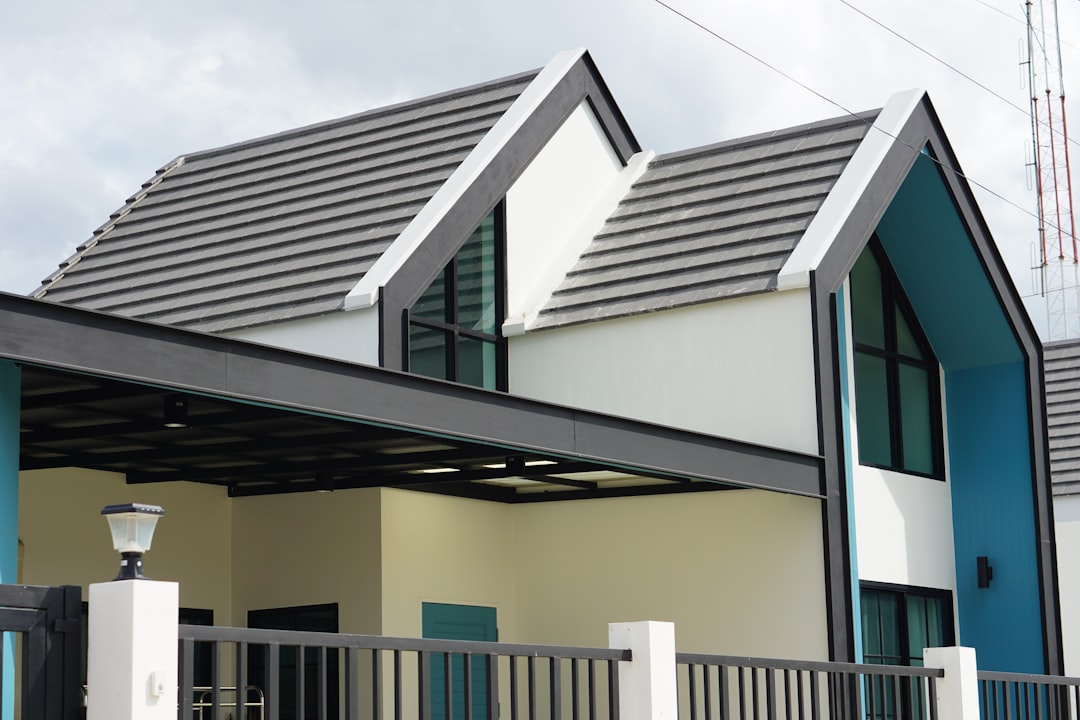
Roof Replacement Financing: Your Complete Guide from a 15-Year Roofing Expert
After helping over 2,000 homeowners navigate roof replacements across Texas, I've learned that financing is often the biggest hurdle. This guide shares everything I've discovered through real projects, manufacturer partnerships, and building code research. My goal is simple: help you make informed decisions about paying for your new roof without financial stress.
This article exists because I've seen too many homeowners delay necessary roof work due to cost concerns. A damaged roof can lead to expensive interior damage, but financing makes replacement affordable. I'll walk you through every option, from insurance claims to payment plans, using actual project examples from our Kingwood roofing company.
Understanding Roof Replacement Costs
Roof replacement costs vary based on materials, size, and complexity. The average residential roof replacement in Texas ranges from $8,000 to $25,000. This includes materials, labor, permits, and disposal of old roofing. Metal roofs typically cost more than asphalt shingles but last longer.
Your roof's pitch, accessibility, and number of layers affect the final price. Steep roofs require more safety equipment and take longer to complete. Multiple layers of old shingles increase disposal costs. Custom features like skylights or complex valleys add to the total.
Material Cost Breakdown
Asphalt shingles remain the most popular choice for Texas homes. Basic 3-tab shingles cost $100-$150 per square installed. Architectural shingles provide better durability at $150-$250 per square. Premium options like metal or tile range from $400-$1,000 per square.
Underlayment, flashing, and ventilation materials add to material costs. Quality ice and water shield protects against Texas storms. Proper ventilation extends roof life and improves energy efficiency. Always use materials meeting International Building Code standards.
Labor and Additional Expenses
Labor typically accounts for 40-60% of total roof replacement costs. Experienced crews work efficiently but charge professional rates. Permits from local building departments ensure code compliance. Dumpster rental handles old material disposal safely.
Unexpected repairs often surface during roof replacement. Rotted decking requires replacement before installing new roofing. Damaged flashing around chimneys needs repair. These discoveries protect your home but increase project costs.
Insurance Claims for Roof Replacement
Homeowners insurance often covers roof damage from storms, hail, or falling trees. Document damage with photos before filing a claim. Contact your insurance company promptly after storm damage occurs. They'll send an adjuster to assess the damage.
Know your policy's deductible and coverage limits before filing claims. Some policies have separate wind/hail deductibles. Actual Cash Value policies pay less for older roofs. Replacement Cost Value policies provide better coverage.
Working with Insurance Adjusters
Be present during the insurance adjuster's inspection. Point out all visible damage areas clearly. Provide photos and documentation from your roofing contractor. Ask questions about coverage decisions you don't understand.
Many homeowners benefit from having their contractor present during inspections. Contractors understand construction details adjusters might miss. They can explain why certain repairs are necessary for proper installation.
Supplementing Insurance Claims
Supplemental claims address items the initial adjuster missed. Document additional damage discovered during tear-off. Submit photos and detailed explanations to your insurance company. Most reputable contractors help with this process.
Common supplements include decking replacement, additional flashing, and code upgrades. Building codes change over time, requiring updates during reroofing. Insurance should cover these necessary improvements.
Financing Options for Roof Replacement
Multiple financing methods make roof replacement affordable. Each option has different requirements and benefits. Consider your financial situation and long-term goals when choosing. I'll explain the most common approaches from my experience.
Home Equity Loans and Lines of Credit
Home equity loans use your home's value as collateral. They offer fixed interest rates and predictable payments. You receive the full loan amount upfront for your project. Payments begin immediately after funding.
Home equity lines of credit work like credit cards against your home's equity. Draw funds as needed during your project. Interest rates are typically variable. Payments are required only on the amount used.
Personal Loans
Personal loans don't require home equity as collateral. Application and approval processes are usually faster than home equity products. Funds can be available within days of application. Interest rates depend on your credit score.
Unsecured personal loans have higher interest rates than secured options. Loan terms typically range from 2-7 years. Monthly payments remain fixed throughout the loan term. Compare offers from multiple lenders for the best rates.
Credit Cards
Credit cards work for smaller roof repairs or partial replacements. Some cards offer introductory 0% APR periods. This can provide interest-free financing if paid within the promotional period. Rewards cards earn points or cash back on purchases.
High interest rates after introductory periods make cards expensive for long-term financing. Minimum payments extend repayment time significantly. Consider balance transfer options if carrying a balance beyond promotional periods.
Manufacturer Financing Programs
Many roofing manufacturers partner with lenders to offer financing. GAF and CertainTeed both have financing options. These programs often feature competitive rates and flexible terms. Approval decisions come quickly.
Manufacturer financing may require using certified contractors. These contractors meet manufacturer standards for installation quality. This ensures proper installation and maintains warranty coverage. Ask your contractor about manufacturer programs.
Contractor Payment Plans
Many roofing companies offer in-house financing or payment plans. These arrangements don't involve third-party lenders. Terms vary by contractor and project size. Some require down payments with balance due upon completion.
Larger projects may qualify for progress billing. Payments align with project milestones like material delivery or completion phases. Always get payment terms in writing before work begins. Understand any fees or interest charges.
Government and Energy Efficiency Programs
Some government programs help with roof replacement costs. Energy-efficient roofing may qualify for tax credits or rebates. Research available programs in your area before starting your project. These can significantly reduce your out-of-pocket costs.
FHA Title I Loans
FHA Title I loans help homeowners finance property improvements. These government-backed loans have competitive interest rates. Loan terms extend up to 20 years for larger amounts. Both homeowners and landlords can qualify.
Maximum loan amounts depend on property type and location. Single-family homes typically qualify for up to $25,000. Multi-family properties have higher limits. Loans are made through participating lenders, not directly from FHA.
Energy Efficiency Incentives
Cool roofs and energy-efficient materials may qualify for incentives. Some utility companies offer rebates for energy-efficient roofing. ENERGY STAR certified products often come with additional benefits. Check Database of State Incentives for Renewables & Efficiency for local programs.
Metal roofs with reflective coatings reduce cooling costs significantly. Some areas offer property tax credits for energy-efficient improvements. These savings help offset higher upfront costs of premium materials.
Budgeting for Your Roof Replacement
Proper budgeting prevents financial surprises during your project. Get multiple quotes from reputable contractors. Compare not just prices but included services and materials. Understand what each quote includes and excludes.
Set aside 10-15% of your budget for unexpected repairs. Roof replacements often reveal hidden damage once tear-off begins. Rotted decking or structural issues need addressing before new installation. Planning for these prevents project delays.
Creating a Realistic Timeline
Most roof replacements take 2-5 days depending on size and complexity. Weather conditions can affect the schedule. Have contingency plans for rain delays. Coordinate with your contractor about timing.
Material availability impacts project start dates. Specialty materials may require longer lead times. Order materials well in advance of your planned start date. Confirm delivery dates with your supplier.
Managing Payments
Understand your payment schedule before work begins. Most contractors require deposits for material purchases. Progress payments align with project milestones. Final payment occurs after completion and inspection.
Never pay the full amount upfront. Reputable contractors don't require full payment before work begins. Use checks or credit cards for better payment tracking. Get receipts for all payments made.
Case Studies: Real Roof Replacement Financing
These real examples from our Kingwood projects show how homeowners successfully financed roof replacements. Names are changed for privacy, but situations are accurate. Each case demonstrates different financing approaches.
Case Study 1: Insurance Claim with Financing Gap
The Johnson family had hail damage across their 2,200 square foot roof. Their insurance covered $12,500 of the $15,000 replacement cost. The $2,500 difference represented their deductible and some code upgrades.
They used a home equity line of credit for the remaining amount. This allowed them to complete the project immediately. They paid off the line within 18 months using tax refund and bonus money. The new roof increased their home's value and curb appeal.
Case Study 2: Planned Replacement with Energy Focus
The Martinez family planned their roof replacement before problems developed. Their 25-year-old roof needed replacement within 2-3 years. They wanted energy-efficient materials to reduce cooling costs.
They saved for two years while researching options. A personal loan covered the remaining $8,000 after their savings. They chose light-colored metal roofing for maximum energy efficiency. Utility rebates and lower cooling bills helped offset costs.
Case Study 3: Emergency Replacement
A tree fell on the Williams' home during a storm, causing immediate damage. Their insurance covered structural repairs but not the full roof replacement cost. They needed quick financing to prevent further water damage.
Manufacturer financing through their contractor provided immediate approval. They completed the project within two weeks of the damage occurring. Fixed monthly payments fit their budget comfortably. The quick response prevented interior damage.
Frequently Asked Questions
What credit score do I need for roof financing?
Most lenders require minimum credit scores around 620-640 for roof financing. Higher scores qualify for better interest rates and terms. Some specialized programs accept lower scores with higher rates. Manufacturer financing often has more flexible requirements than traditional lenders.
Can I finance a roof with bad credit?
Yes, but options are more limited and expensive. Some contractors offer in-house financing regardless of credit. You might need a co-signer for traditional loans. Higher interest rates and smaller loan amounts are common with poor credit. Improving your credit before applying saves money.
How much should I put down on roof financing?
Down payments typically range from 10-20% of the project cost. Some programs offer 0% down options with higher rates. Larger down payments reduce monthly payments and total interest paid. Consider what amount fits your budget comfortably without draining emergency savings.
What's better: loan or line of credit for roof replacement?
Loans work better for known, fixed amounts like most roof replacements. You get all funds upfront with predictable payments. Lines of credit suit ongoing projects or uncertain costs. Choose based on your payment preference and project scope. Fixed loans provide budgeting certainty.
How long does roof financing approval take?
Online lenders often approve applications within hours. Traditional banks may take 2-7 business days. Manufacturer financing through contractors can provide same-day decisions. Have financial documents ready to speed the process. Complete applications accurately to avoid delays.
Can I include repairs in my roof financing?
Most roof financing covers related repairs discovered during replacement. This includes decking replacement, flashing repairs, and ventilation upgrades. Discuss all potential repairs with your lender beforehand. Some loans have specific limits on repair coverage percentages.
What happens if I can't make payments?
Contact your lender immediately if you anticipate payment problems. Most offer hardship programs or payment plans. Secured loans using home equity risk foreclosure if unpaid. Unsecured loans damage credit scores and may lead to collection actions. Communicate early to find solutions.
Industry Statistics and Trends
Roof replacement financing has evolved significantly in recent years. Understanding industry trends helps you make informed decisions. These statistics come from National Roofing Contractors Association reports and financial industry data.
Over 60% of roof replacements now involve some form of financing. The average financed amount is $12,500 nationwide. Approval rates for roofing projects exceed 75% across most lenders. Manufacturer financing programs have grown 40% in the past five years.
Energy-efficient roofing materials represent 35% of replacement projects. Homeowners increasingly choose materials that reduce long-term costs. Metal roofing installations have increased 20% annually for the past three years. These trends reflect growing awareness of roofing's impact on home value and efficiency.
Step-by-Step Guide to Roof Financing
Follow this proven process to secure the best financing for your roof replacement. These steps come from helping hundreds of homeowners successfully finance their projects. Each stage builds toward finding the right solution for your situation.
First, assess your roof's condition and get professional inspections. Document any damage with photos and notes. Obtain 2-3 detailed quotes from reputable contractors. Compare materials, warranties, and included services beyond just price.
Next, review your financial situation and credit score. Check your credit report for errors before applying. Calculate how much you can afford for monthly payments. Research current interest rates for different loan types.
Then, explore all available financing options simultaneously. Apply to multiple lenders within a 14-day period to minimize credit impact. Compare offers based on total cost, not just monthly payments. Consider both short-term and long-term financial implications.
Finally, choose the option that best fits your budget and timeline. Read all contract terms carefully before signing. Understand payment schedules and any fees. Keep all documentation organized throughout the process.
Conclusion: Your Path to Affordable Roof Replacement
Roof replacement financing makes necessary home improvements accessible. Multiple options exist regardless of your financial situation. The key is finding the right solution for your specific needs and budget. Proper planning prevents financial stress during your project.
Start by assessing your roof's condition and getting professional quotes. Research financing options early in the process. Compare terms and total costs, not just monthly payments. Choose reputable contractors who understand both roofing and financing aspects.
Your new roof protects your home and increases its value. Financing spreads this important investment over time. Take the first step today by contacting local roofing professionals. They can provide specific advice for your home and financial situation.