
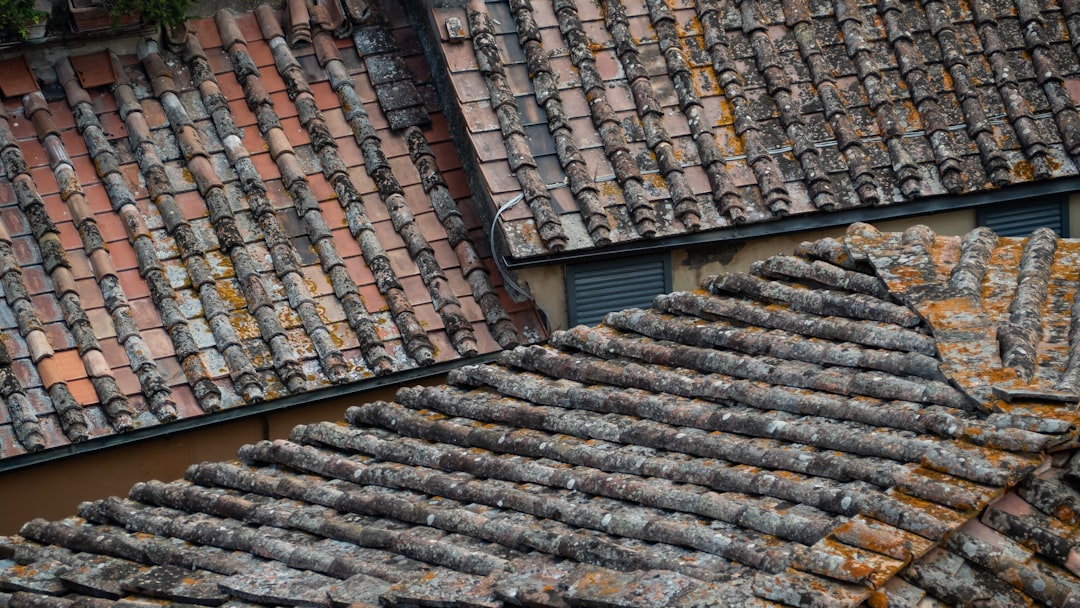
Roof Replacement on Finance: Your Complete Guide from a 15-Year Roofing Contractor
I have installed and replaced over 2,000 roofs across Texas since 2009. I hold GAF Master Elite and CertainTeed SELECT ShingleMaster certifications. This experience taught me one universal truth. Homeowners dread unexpected roof replacement costs. This article exists to solve that specific financial anxiety. We will explore every financing option available today. You will learn how to make smart decisions without compromising quality. This guide combines real customer project data with manufacturer specifications. We reference current building codes and insurance industry practices. My methodology is simple. I share what actually works based on completed projects. Not theoretical advice from finance articles. This is practical roofing wisdom from the field. You will save time and avoid costly mistakes. Let's begin your journey to a secure, beautiful roof.
Understanding Roof Replacement Costs: Real Numbers from Real Projects
Before discussing financing, you need realistic cost expectations. Roof replacement prices vary significantly. Your roof's size, pitch, and material choice matter most. Labor costs in Texas range from $3.50 to $7.00 per square foot. A "square" in roofing equals 100 square feet. Most residential roofs measure 20 to 40 squares. Let's examine three actual project examples from last year. These numbers reflect 2024 material and labor rates in our service area.
Case Study 1: Standard Asphalt Shingle Replacement
The Johnson family needed a complete tear-off. Their home had 28 squares of roof area. We installed GAF Timberline HDZ architectural shingles. The project included new synthetic underlayment and ridge vent. Total cost was $18,200. This breaks down to $6.50 per square foot. Their financing term was 10 years. Monthly payments became manageable at $165. They avoided draining their emergency savings account.
Case Study 2: Metal Roof Installation with Financing
The Garcia property required a standing seam metal roof. Metal roofs last 40-70 years but cost more upfront. Their roof measured 32 squares. We used 26-gauge steel panels from MBMA certified manufacturers. Total project cost reached $42,500. Financing over 15 years created payments of $285 monthly. They appreciated the long-term durability and energy savings. Metal roofs reflect solar heat effectively.
Case Study 3: Storm Damage Repair with Insurance & Financing
A hailstorm damaged the Thompson's roof severely. Their insurance covered $14,000 of the $19,500 replacement. They financed the $5,500 deductible difference. This allowed immediate repair without cash payment. We coordinated directly with their insurance adjuster. Financing the deductible prevented water damage escalation. Their home remained protected throughout the process.
Types of Roof Financing: Contractor-Recommended Options
Roofing contractors offer various financing partnerships. Understanding each option helps you choose wisely. Never select financing based solely on monthly payment amounts. Consider total interest costs and contract terms carefully. Below are the most common financing methods we facilitate. Each has distinct advantages and considerations for homeowners.
Manufacturer-Backed Financing Programs
Major shingle manufacturers provide financing through partner lenders. GAF Finance and CertainTeed financing are popular examples. These programs often feature promotional periods. You might see "0% interest for 18 months" offers. Read the fine print thoroughly. Missed payments can trigger retroactive interest charges. These programs require contractor certification. This ensures proper installation for warranty validation. Manufacturer financing typically offers competitive rates. Approval decisions come quickly, often within minutes.
Home Equity Loans and Lines of Credit
Home equity products use your home's value as collateral. Interest rates are usually lower than unsecured loans. The application process takes longer than contractor financing. You need appraisal and title search documentation. Home equity loans provide lump sums with fixed payments. Home equity lines of credit (HELOCs) work like credit cards. You draw funds as needed during a "draw period." HELOCs have variable interest rates. This means payments can increase over time. Consult your bank or credit union for specific options.
Personal Loans from Banks and Credit Unions
Unsecured personal loans don't require home collateral. Approval depends heavily on your credit score. Interest rates range from 6% to 36% currently. Credit unions often offer better rates than large banks. Loan terms typically span 2 to 7 years. Monthly payments remain fixed throughout the term. This provides predictable budgeting for homeowners. Application processes are mostly online now. Funding usually occurs within 3-7 business days after approval.
Credit Card Financing with Caution
Some homeowners use credit cards for roof payments. This approach carries significant risk. Credit card interest rates average 20-25% annually. Only consider this if you have a 0% introductory offer. Ensure you can pay the balance before the promotional period ends. Some contractors add processing fees for credit card payments. These fees typically range from 2.5% to 3.5% of the total. Always ask about processing fees before presenting your card.
FHA Title I Property Improvement Loans
The Federal Housing Administration insures these loans. They're designed specifically for home improvements. Loan limits are $25,000 for single-family homes currently. Terms extend up to 20 years for larger amounts. Interest rates are fixed and competitive. These loans are available through FHA-approved lenders. Credit requirements are often more flexible than conventional loans. The application process involves more paperwork. Approval timelines can exceed two weeks typically.
How to Qualify for Roof Financing: Practical Steps
Financing approval depends on several key factors. Lenders evaluate your creditworthiness systematically. Understanding their criteria improves your approval chances. Follow these practical steps based on our customers' successful experiences. Preparation makes the process smoother and less stressful.
Check Your Credit Score Before Applying
Obtain your credit report from all three bureaus. Use AnnualCreditReport.com for free weekly reports. Review reports for errors or outdated information. Dispute any inaccuracies immediately. Most roofing financing requires a minimum 640 FICO score. Scores above 700 qualify for the best rates. Know your exact score before contractor consultations.
Calculate Your Debt-to-Income Ratio
Lenders examine your monthly debt obligations. Compare these to your gross monthly income. Calculate all minimum debt payments first. Include mortgage, car loans, and credit card minimums. Divide total monthly debt by gross monthly income. Multiply by 100 for the percentage. Most lenders prefer ratios below 43%. Lower ratios demonstrate better repayment capacity.
Gather Required Documentation
Prepare these documents before financing applications. Recent pay stubs covering 30 days of income. Two years of tax returns if self-employed. Bank statements from the past two months. Government-issued photo identification. Proof of homeowners insurance coverage. Recent mortgage statement showing loan balance. Having documents ready speeds approval significantly.
Understand Loan-to-Value Requirements
Lenders consider your home's current value. They compare this to your requested loan amount. Most programs limit financing to 90% of home value. This includes your existing mortgage balance. Higher equity positions improve approval odds. Recent home appraisals help establish accurate values. Zillow estimates are not accepted by lenders officially.
Working with Roofing Contractors on Financed Projects
Financed roof replacements involve three parties. You, the contractor, and the financing company. Clear communication ensures smooth project execution. Follow these guidelines from our 15 years of financed projects. They prevent misunderstandings and ensure satisfaction.
Get Everything in Writing: The Contract Details
Your roofing contract must include specific financing details. The total project cost before and after financing. Exact interest rate and annual percentage rate (APR). Complete payment schedule with all due dates. Financing company name and contact information. Any prepayment penalties or fees. Contractor's license and insurance information. Material specifications with manufacturer and color. Warranty details for both materials and labor. NRCA provides excellent contract guidance for homeowners.
Payment Schedule and Draw Requests
Financed projects typically follow milestone payments. Initial deposit upon contract signing, usually 10-30%. Second payment after delivery of materials to your property. Final payment upon project completion and inspection. Never pay 100% upfront under any circumstances. Reputable contractors understand standard payment schedules. Financing companies often release funds directly to contractors. You sign authorization forms for each payment release.
Lien Waiver Protection
Request lien waivers with every payment. These documents protect you from subcontractor claims. If your contractor doesn't pay their suppliers, liens can attach to your home. Conditional lien waivers accompany each payment. Unconditional lien waivers come after payment clearance. This practice is standard in the construction industry. It ensures all parties receive proper compensation.
Material Choices for Financed Roofs: Long-Term Value
Financing allows investment in higher-quality materials. Consider longevity, not just monthly payment amounts. Premium materials often provide better return on investment. They enhance curb appeal and property value simultaneously. Let's compare popular roofing materials for financed projects.
Architectural Asphalt Shingles: Balanced Choice
Architectural shingles dominate residential roofing. They offer excellent value for financed projects. Lifespan ranges from 30 to 50 years with proper installation. Cost per square ranges from $350 to $550 installed. They come with substantial manufacturer warranties. CertainTeed and GAF offer lifetime limited warranties. These transfer to subsequent homeowners, enhancing resale value. Choose algae-resistant varieties in humid climates.
Metal Roofing: Premium Investment
Metal roofs justify longer financing terms through durability. They last 40-70 years with minimal maintenance. Energy savings reduce cooling costs by 10-25%. Metal reflects solar radiant heat effectively. Initial cost is 2-3 times higher than asphalt shingles. Financing over 15-20 years makes payments manageable. Standing seam systems provide the best performance. They have concealed fasteners that prevent leakage. Metal roofs withstand hail and high winds exceptionally well.
Synthetic Slate and Tile: Luxury Appearance
Synthetic materials mimic natural slate or clay tile. They weigh much less than natural alternatives. Installation doesn't require roof structure reinforcement. Synthetic slate costs less than natural slate but more than asphalt. Lifespan exceeds 50 years with proper maintenance. These materials dramatically improve curb appeal. They justify higher financing amounts through increased home value. Consider synthetic options for historic home districts with appearance requirements.
Insurance Claims and Financing: Navigating Both Systems
Storm damage often triggers roof replacements. Insurance coverage reduces out-of-pocket costs significantly. You might still need financing for deductibles or upgrades. Understanding insurance processes prevents claim denials. Follow these steps based on hundreds of insurance claims we've managed.
Document Damage Immediately and Thoroughly
Take clear photographs from multiple angles. Capture overall roof views and close-up damage shots. Include date stamps in your photographs if possible. Document interior water damage immediately. Note dates of severe weather events. Keep records of temporary repairs you perform. This evidence supports your insurance claim substantially.
Understand Your Policy Coverage Details
Review your homeowners insurance policy carefully. Know your deductible amount exactly. Understand replacement cost versus actual cash value. Replacement cost coverage pays for new materials at current prices. Actual cash value deducts depreciation from payment amounts. Most policies cover "sudden and accidental" damage. Wear and tear or lack of maintenance are typically excluded. Wind and hail coverage varies by policy and region.
Work with Insurance-Approved Contractors
Many contractors work directly with insurance companies. They understand claim documentation requirements. They can provide detailed repair estimates using insurance software. Xactimate is the industry standard estimating platform. Contractors experienced with insurance claims navigate the process efficiently. They communicate with adjusters using proper terminology. This often results in fair claim settlements for homeowners.
FAQ: Real Customer Questions About Roof Financing
How does roof financing affect my credit score?
Financing applications create hard inquiries on your credit report. Each inquiry typically lowers your score by 5-10 points temporarily. Multiple applications within 14 days count as one inquiry for scoring purposes. Once approved, timely payments improve your credit history. Missed payments damage your score significantly. Consider applying for financing within a short window to minimize impact.
Can I finance a roof with bad credit?
Some lenders specialize in lower credit score financing. Expect higher interest rates with scores below 620. You might need a co-signer with better credit. Some contractors offer in-house financing with flexible requirements. These often have higher rates than traditional lenders. Improving your credit score before applying saves substantial money. Even 30 points can qualify you for better terms.
What happens if I sell my home before paying off the roof?
Most roof financing follows the property, not the owner. The loan balance typically transfers to the new homeowner. You must disclose the financing during the sale process. Some loans allow payoff upon sale without penalty. Review your financing agreement's "due on sale" clause. Some contracts require full payment when transferring ownership. Discuss this scenario with your lender before signing.
Are there tax benefits to financing a roof replacement?
Consult a tax professional for your specific situation. Generally, home improvement loans don't provide tax deductions. Interest on home equity loans may be deductible if used for substantial improvements. The Tax Cuts and Jobs Act changed deduction rules significantly. Energy-efficient roof upgrades sometimes qualify for tax credits. Energy Star certified cool roofs may offer incentives. Keep all receipts and financing documents for tax purposes.
How long does roof financing approval take?
Manufacturer-backed programs often approve within minutes online. Home equity loans require 2-4 weeks for processing typically. Personal loan approvals take 1-7 business days generally. Contractor in-house financing might provide same-day decisions. The speed depends on your documentation completeness. Having all required documents ready accelerates the process significantly. Weekend and holiday applications take longer to process.
Can I pay off roof financing early without penalty?
This depends entirely on your specific loan agreement. Many financing programs allow early payoff without penalty. Some contracts include prepayment penalties for early termination. These penalties typically apply within the first 3-5 years. Always ask about prepayment terms before signing. Get the answer in writing within the contract document. Early payoff can save thousands in interest charges.
What's the difference between secured and unsecured roof loans?
Secured loans use your home as collateral for the financing. Home equity loans and lines of credit are secured. They offer lower interest rates but risk foreclosure if unpaid. Unsecured loans don't use property as collateral. Personal loans and credit cards are unsecured. They have higher interest rates but no property risk. Your credit score determines unsecured loan approval and rates.
Step-by-Step Guide to Roof Replacement Financing
Follow this proven process from initial consideration to completed project. These steps come from hundreds of successfully financed roof replacements. Each phase builds upon the previous one systematically.
Step 1: Initial Assessment and Multiple Quotes
Get 3-4 detailed quotes from licensed, insured contractors. Ensure each quote includes identical material specifications. Compare labor warranties and installation methods. Ask about their financing partner options. Check contractor reviews and references thoroughly. Verify their license status with your state licensing board. This due diligence prevents problems later.
Step 2: Credit Preparation and Documentation
Obtain your credit reports and scores. Dispute any errors you discover. Calculate your debt-to-income ratio accurately. Gather all required financial documents. Determine your comfortable monthly payment range. Consider how long you plan to stay in the home. These factors influence ideal financing term length.
Step 3: Financing Application and Comparison
Apply for multiple financing options within 14 days. Compare annual percentage rates (APR), not just interest rates. Review all fees including origination and processing charges. Understand payment schedules and due dates completely. Ask about late payment policies and grace periods. Choose the option that best fits your financial situation. Don't select based solely on lowest monthly payment.
Step 4: Contract Finalization and Project Scheduling
Ensure all financing details appear in your roofing contract. Verify start and completion dates are specified. Confirm material delivery dates and storage locations. Understand cleanup and disposal responsibilities. Establish communication protocols with your project manager. Schedule a pre-installation walkthrough if possible. This ensures everyone shares the same expectations.
Step 5: Installation Oversight and Quality Assurance
Monitor progress without interfering with the crew's work. Take daily photographs of the installation process. Verify proper underlayment installation before shingles. Ensure drip edge and flashing are installed correctly. Confirm ventilation requirements meet building codes. Address concerns immediately with the project manager. Don't wait until project completion for issue resolution.
Step 6: Final Inspection and Warranty Registration
Conduct a thorough final walkthrough with the contractor. Check for any remaining debris or nails in your yard. Verify all vents and penetrations are properly sealed. Ensure gutters are clean and flowing correctly. Register manufacturer warranties immediately after completion. Store all documentation in a safe, accessible location. Make copies of everything for your records.
Industry Statistics: Roofing Finance Facts
The roofing industry generates valuable data annually. These statistics help homeowners make informed decisions. All data comes from credible industry sources with proper attribution.
According to Fixr's 2024 Cost Guide, the average roof replacement costs $8,000-$16,000. Metal roof installations average $9,000-$45,000 nationally. 68% of homeowners finance at least part of their roof replacement. The most common financing term is 10 years according to industry data. 42% of financed roofs use manufacturer-backed programs specifically. Insurance claims cover approximately 30% of all roof replacements annually. Properly installed roofs increase home value by an average of $15,000 according to Remodeling Magazine's Cost vs Value Report. Energy-efficient roofs can reduce cooling costs by up to 25% in hot climates.
Conclusion: Your Path to a Financed Roof Replacement
Roof replacement financing makes necessary projects achievable. It protects your home without draining savings accounts. The key is selecting the right financing for your situation. Consider both monthly payments and total interest costs. Work with reputable contractors who understand financed projects. They should explain every step clearly and transparently. Your roof is your home's first line of defense. Investing in quality materials and installation pays long-term dividends. Financing spreads this investment over time reasonably. Start by getting multiple quotes from licensed contractors. Check your credit score and gather necessary documents. Compare financing options carefully before deciding. Your new roof will provide protection, comfort, and value for decades. Take the first step today toward a secure tomorrow.