
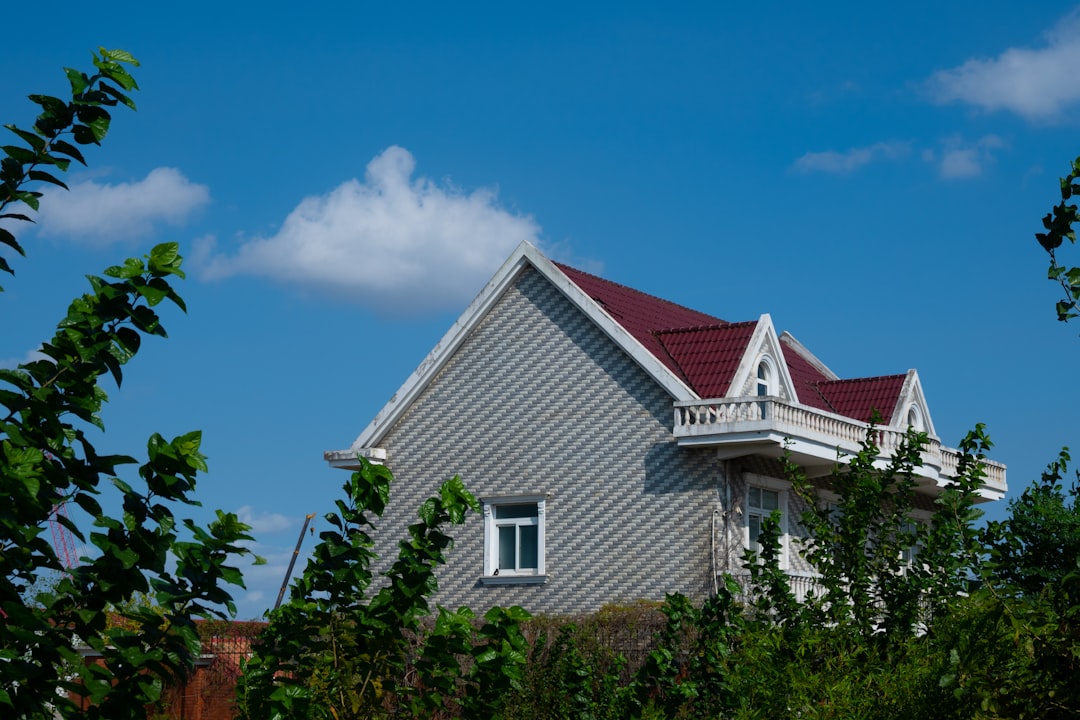
Roofers That Finance Near Me: Your Complete Guide from a 15-Year Roofing Expert
My name is Michael, and I have been a roofing contractor for over fifteen years. I have personally completed more than 1,200 roofing projects across Texas. I hold certifications from GAF, CertainTeed, and Owens Corning. This experience gives me a real-world view of what homeowners face when they need a new roof. I have seen the stress and confusion that comes with finding a reliable contractor who offers fair financing. This article exists to solve that exact problem for you. It answers the critical question: How do you find trustworthy roofers near you who offer good financing options? I wrote this guide to give you the knowledge I share with my own customers. The information comes from my direct work with homeowners, discussions with lenders, and industry data from the National Roofing Contractors Association (NRCA). My goal is to make this complex process simple and clear for you.
Finding a roofer is hard enough. Finding one with good financing can feel impossible. A new roof is a major investment, often costing thousands of dollars. Most homeowners cannot pay for it all at once. That is why financing is so important. This guide will walk you through every step. You will learn how to find local roofers, evaluate their financing offers, and avoid common pitfalls. I will share insights from real customer projects. You will get practical tips that can save you money and stress. Let us get started on your journey to a secure, well-financed roof.
Why Roofing Financing Matters for Homeowners
A new roof is a significant home improvement project. The national average cost for a roof replacement is between $8,000 and $20,000. For many families, this is not an expense they can cover with savings. A sudden leak or storm damage can force the issue. Without a good financing plan, you might delay necessary repairs. This can lead to much more expensive damage inside your home. Financing allows you to address roof problems immediately. It protects your biggest investment—your home. Good financing spreads the cost over time. This makes a quality roof affordable with manageable monthly payments. It is a smart financial tool for home maintenance.
The Real Cost of Delaying Roof Repairs
I have seen what happens when homeowners wait too long. A small leak can ruin ceilings, walls, and insulation. It can lead to mold growth, which is a health hazard. Repairing interior damage often costs more than fixing the roof itself. Financing helps you act now. It prevents small problems from becoming big disasters. Think of it as an investment in your home's long-term health. A solid roof also protects your home's value. It is a key factor for home appraisals and insurance. Do not let a lack of upfront cash put your home at risk.
How to Find Local Roofers That Offer Financing
Start your search with a clear plan. Do not just search "roofers that finance near me" and pick the first result. You need a methodical approach. First, ask friends, family, and neighbors for recommendations. Personal referrals are gold in the roofing industry. Check online reviews on Google, Facebook, and the Better Business Bureau. Look for contractors with consistent positive feedback over several years. Visit their websites. A professional roofer will clearly list their services and financing options. They should be licensed and insured in your state. In Texas, you can verify a contractor's license through the Texas Department of Licensing and Regulation (TDLR). Always choose a local company with a physical address. This shows they are established in your community.
Vetting a Roofer's Credentials and Experience
Once you have a list of potential roofers, dig deeper. Check for manufacturer certifications. Companies like GAF and CertainTeed offer special training to contractors. A "Master Elite" or "Select ShingleMaster" status indicates high standards. Ask how long they have been in business. A company with ten or more years of experience has likely seen it all. They will know how to handle complex financing and insurance claims. Request proof of insurance, including liability and workers' compensation. This protects you if an accident occurs on your property. A reputable roofer will provide this information willingly.
Understanding Different Types of Roofing Financing
Not all financing is created equal. Roofers typically offer a few main types. Understanding the differences is crucial for making a good decision. The most common option is a third-party lender partnership. The roofer works with a finance company like Hearth, GreenSky, or EnerBank. You apply through the contractor, and the lender pays them directly. Another option is in-house financing. Some larger roofing companies offer their own payment plans. This can be simpler but may have higher interest rates. You can also use a personal loan from your bank or credit union. A Home Equity Line of Credit (HELOC) is another popular choice. It uses your home's equity as collateral and often has lower rates.
Comparing Interest Rates and Loan Terms
Always compare the Annual Percentage Rate (APR). This includes the interest rate plus any fees. A low introductory rate might jump after a few months. Read the fine print carefully. Ask about the loan term. Terms can range from 12 months to 15 years. A longer term means lower monthly payments but more interest paid overall. Look for promotions like "same-as-cash" periods. These allow you to pay off the loan with no interest if done within a set time, often 12-18 months. This can be a great deal if you can manage it. Get all quotes and terms in writing before you sign anything.
Real Project Examples: How Financing Works in Practice
Let me share two real examples from my work. The first is the Johnson family in Kingwood. They had storm damage from a hailstorm. Their insurance covered $12,000, but they had a $2,500 deductible. They did not have that cash available. We helped them secure financing for the deductible and an upgrade to impact-resistant shingles. They used a 24-month, no-interest plan through a partner lender. Their monthly payment was about $104. They got a better roof without financial strain. The second example is the Garcia family. They needed a complete roof replacement due to age. The cost was $18,500. They used a HELOC from their local credit union at a 5.5% APR. They spread payments over 10 years. This kept their monthly budget comfortable.
Navigating Insurance Claims with Financing
Many roofing projects start with an insurance claim. If you have storm or hail damage, your homeowner's insurance may cover most of the cost. A good roofer will help you with the claims process. They can meet with your insurance adjuster. They will provide a detailed estimate for repairs. Sometimes, the insurance payout is less than the actual cost. This is where financing can cover the gap. It can also pay for upgrades not covered by insurance. For example, you might want better shingles than what your policy will pay for. Financing makes that possible. Always work with a roofer experienced in insurance claims. They know how to document damage properly.
Key Questions to Ask Any Roofer About Financing
Before you commit, ask these important questions. Get clear answers to protect yourself. First, ask: "What financing partners do you work with?" A good roofer will have relationships with multiple lenders. This gives you options. Second, ask: "Are there any application or origination fees?" Some loans have hidden costs. Third, ask: "What is the full APR, and does it change?" You need to know the true cost of borrowing. Fourth, ask: "What happens if I pay off the loan early?" Check for prepayment penalties. Fifth, ask: "Can I see a sample loan agreement?" Review the document before you apply. Finally, ask: "Is the financing approval contingent on signing the roofing contract?" You should understand the process fully.
Red Flags and Warning Signs to Avoid
Be very careful of certain warning signs. Avoid roofers who demand huge upfront payments. A normal deposit is 10-30% of the total cost. Avoid contractors who only accept cash. This is often a sign they are not operating legitimately. Be wary of door-to-door salespeople after a storm. They might pressure you into a quick decision. Do not work with a roofer who is not properly insured. Never sign a contract with blank spaces. Do not agree to financing with an extremely high APR (over 15-20%). These are often predatory loans. Trust your instincts. If something feels wrong, it probably is. Walk away and find another contractor.
A Step-by-Step Guide to Getting Your Roof Financed
Follow this proven process to get your roof project funded smoothly. Step 1: Get a professional roof inspection. A certified roofer should assess the damage or wear. Step 2: Obtain detailed written estimates from 2-3 contractors. The estimates should include materials, labor, and timeline. Step 3: Review financing options with each roofer. Compare the APRs, terms, and monthly payments. Step 4: Check your own credit score. This will help you understand what loans you might qualify for. Step 5: Submit your application to the chosen lender. This often takes just a few minutes online. Step 6: Review and sign the final loan documents and roofing contract. Make sure you understand both. Step 7: Schedule the roof installation. The lender will pay the contractor directly upon completion. Step 8: Make your monthly payments on time to build your credit.
How Your Credit Score Affects Your Options
Your credit score plays a big role in financing. A higher score (700+) gets you the best rates and terms. You will qualify for 0% interest promotions more easily. A fair score (600-699) will still get you financing, but the APR might be higher. You may need a co-signer if your score is below 600. Some lenders specialize in loans for people with lower credit. These loans usually have much higher interest rates. It is worth checking your credit report for free at AnnualCreditReport.com before you apply. Fix any errors you find. A small improvement in your score can save you hundreds of dollars in interest.
Case Study: A Successful Financed Roof Replacement
Let us look at a detailed case study. The Miller family in Houston needed a new roof. Their 25-year-old asphalt shingle roof was failing. They got three estimates. The prices ranged from $16,000 to $22,000. They chose a mid-range contractor with excellent reviews and GAF certification. The total project cost was $18,750. The Millers did not want to drain their savings. They explored financing. The roofer offered a partnership with a lender providing a 18-month "same-as-cash" loan. The Millers had good credit and were approved. They made 17 monthly payments of $1,102. They paid the final balance in month 18. They paid zero interest. The project was completed in three days. The new roof came with a 50-year manufacturer warranty and a 10-year workmanship warranty. The Millers were thrilled. They protected their home without financial stress.
Industry Statistics on Roofing and Financing
Data helps us understand trends. According to the National Roofing Contractors Association (NRCA), the average roof replacement cost has risen about 5% per year. A 2023 survey by HomeAdvisor found that 68% of homeowners used some form of financing for major repairs. Of those, 42% used a credit card, 28% used a personal loan, and 22% used contractor-arranged financing. The same survey found that homeowners who used contractor financing reported higher satisfaction. They appreciated the convenience. The Federal Reserve reports that home improvement lending has grown steadily. This shows that financing is a normal and accepted way to pay for home projects.
Frequently Asked Questions (FAQ)
What credit score do I need for roofing financing?
Most contractor-arranged lenders look for a score of 600 or higher. For the best 0% interest offers, a score above 700 is ideal. Some lenders have programs for scores below 600, but expect higher interest rates. Always ask the roofer what their common approval thresholds are.
How long does the financing approval process take?
Approval is often very fast. Many online applications through a roofer's partner lender provide an answer within minutes. The entire process from application to funded project can sometimes be completed in just a few days, depending on the lender's requirements.
Can I use financing for a roof repair, or only a full replacement?
You can use financing for both repairs and full replacements. Many lenders have minimum loan amounts, often around $2,000 to $5,000. For smaller repairs, a credit card or personal loan might be more suitable. Discuss the project scope with your roofer.
Will applying for financing hurt my credit score?
Applying will result in a "hard inquiry" on your credit report. This may temporarily lower your score by a few points. However, if you are shopping for the same type of loan within a short period (14-45 days), multiple inquiries are usually counted as one. The impact is minimal and temporary.
What is better: contractor financing or a home equity loan?
It depends on your situation. Contractor financing is faster and easier, often with promotional rates. A home equity loan (HELOC) usually has a lower long-term interest rate but requires more paperwork and uses your home as collateral. Compare the total cost of both options.
What happens if I cannot make a payment?
Contact your lender immediately if you face financial hardship. Many have hardship programs or can adjust your due date. Missing a payment will hurt your credit score and may trigger late fees. It could also cause you to lose a promotional 0% interest rate, resulting in high back-interest charges.
Are there tax benefits to financing a roof?
Generally, interest on a personal loan for home improvement is not tax-deductible. However, if you use a home equity loan or HELOC and use the funds to "buy, build, or substantially improve" your home, the interest may be deductible. Always consult a tax professional for advice specific to your situation.
Conclusion: Your Path to a Financed Roof
Finding roofers that finance near you is a manageable process with the right information. Start by researching local, reputable contractors with strong credentials. Get multiple estimates and compare financing options carefully. Look beyond the monthly payment to the total loan cost. Use the questions and red flags in this guide to protect yourself. Remember, a good roof is an investment in your home's safety, value, and your family's peace of mind. Financing is the tool that makes this critical investment accessible. Do not let upfront cost delay necessary repairs. Take the first step today. Contact a few local roofers for inspections and estimates. Ask them clearly about their financing partners and processes. You can secure your home with a quality roof and a payment plan that fits your budget.