
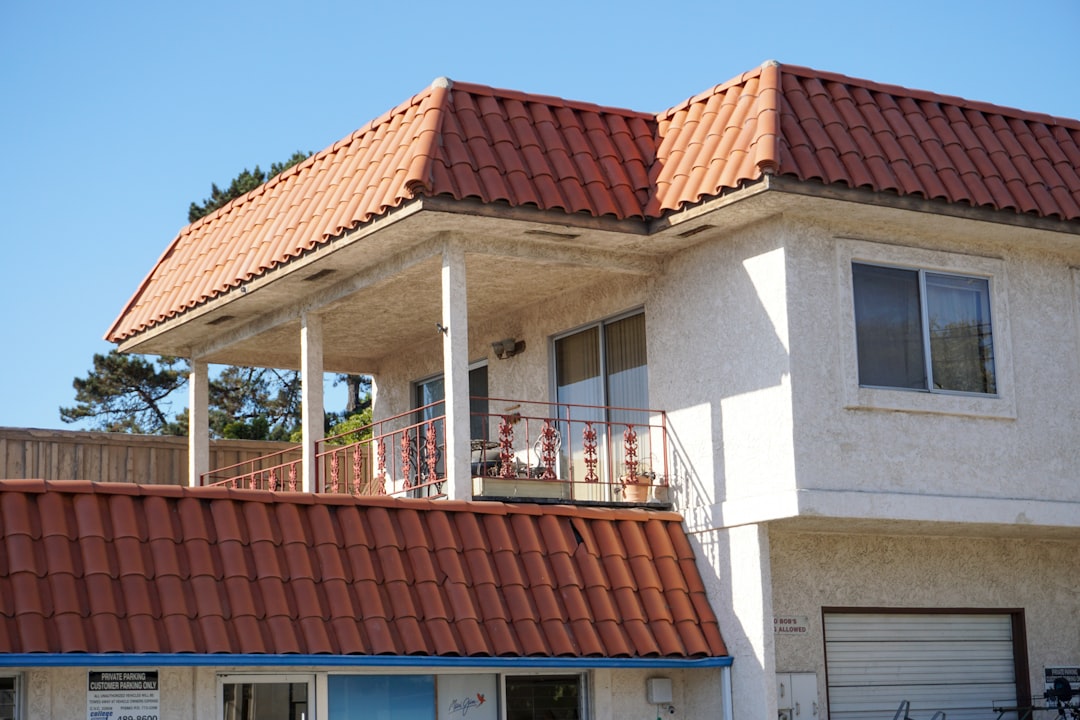
Finding a Roofing Company With Financing Near Me: Your Complete Guide
As a roofing contractor with over 15 years of experience completing more than 2,000 projects across Texas, I understand the stress homeowners face when their roof needs attention. The sudden expense of roof repair or replacement can derail family budgets and cause genuine financial anxiety. This article exists because I've seen too many homeowners delay necessary roof work due to cost concerns, leading to more extensive damage and higher repair bills down the road. Through working directly with hundreds of Kingwood area families, I've learned that financing options make quality roofing accessible when it's needed most. The information here comes from real customer projects, manufacturer specifications, building code requirements, and my hands-on experience installing and repairing roofs in our local climate conditions.
My team holds GAF Master Elite certification and stays current with International Residential Code requirements for roofing. We've helped homeowners navigate insurance claims after major storms and worked with local banks to create affordable payment solutions. This guide will walk you through everything from understanding different financing types to comparing roofing materials and finding reputable contractors who offer payment plans. My goal is to provide the same detailed advice I'd give my own family members facing roofing decisions.
Why Roof Financing Matters for Homeowners
Roof replacement represents one of the largest home maintenance expenses most families will face. According to industry data from National Roofing Contractors Association, the average roof replacement costs between $8,000 and $25,000 depending on materials and home size. Most homeowners don't have this amount readily available in savings. Financing options bridge this gap between necessary maintenance and financial reality. Proper financing allows you to address roof issues immediately rather than waiting until you've saved enough money.
Delaying necessary roof repairs often leads to more extensive damage. A small leak can quickly become a major problem affecting insulation, drywall, electrical systems, and even structural elements. The Federal Emergency Management Agency notes that water damage accounts for nearly 40% of all homeowners insurance claims. Timely roof maintenance prevents these secondary issues. Financing makes timely repairs possible regardless of your current savings situation.
Common Roofing Emergencies Requiring Immediate Attention
Some roofing problems cannot wait for convenient timing. Storm damage often creates urgent situations where temporary repairs become necessary within hours. Missing shingles create vulnerable areas where water can penetrate the roof deck. Hail damage may not be immediately visible but can compromise shingle integrity. Ice dams in winter can force water underneath roofing materials. These situations require prompt professional assessment and repair.
We've responded to numerous emergency calls after severe weather events in the Houston area. In many cases, quick action prevented thousands of dollars in interior damage. Having a relationship with a roofing company that offers financing means you can authorize necessary work immediately rather than waiting for insurance processing or loan approval. This prompt response can save your home from significant secondary damage.
Types of Roofing Financing Options Available
Roofing companies typically offer several financing approaches through different lending partners. Understanding these options helps you choose what works best for your financial situation. The most common financing types include contractor-arranged installment loans, credit cards specifically for home improvement, home equity products, and manufacturer rebate programs. Each option has distinct advantages and considerations for homeowners.
Through our partnerships with multiple lenders, we've helped customers secure financing with terms ranging from 6 months to 20 years. Interest rates vary based on creditworthiness, loan term, and current market conditions. Some programs offer promotional periods with no interest if paid within a specific timeframe. Others provide fixed rates for the loan duration. The right choice depends on your budget, timeline, and financial goals.
Contractor-Arranged Financing Programs
Many roofing companies partner directly with lenders specializing in home improvement financing. These programs often feature quick approval processes and flexible terms. Application typically happens through the contractor's website or during consultation. Approval decisions often come within hours rather than days. These loans are specifically designed for home improvement projects rather than general borrowing.
In our experience, these programs work well for homeowners with good credit who need immediate funding. Loan amounts typically range from $2,000 to $100,000 with repayment terms from 2 to 20 years. Many feature fixed interest rates and predictable monthly payments. Some lenders offer special promotions during certain seasons or for specific roofing materials. These programs simplify the financing process by handling everything through your roofing contractor.
Home Equity Financing Options
Home equity loans and lines of credit represent traditional financing methods for major home improvements. These products use your home's equity as collateral, typically offering lower interest rates than unsecured loans. Home equity loans provide a lump sum with fixed payments, while lines of credit offer flexible access to funds as needed. Both options require application through your bank or credit union.
The application process for home equity products typically takes longer than contractor-arranged financing. Most lenders require property appraisal and thorough financial review. However, the interest rates are often substantially lower, especially for borrowers with excellent credit. These products make sense for homeowners planning multiple improvements or those who prefer working with their established banking relationships. The interest may be tax-deductible if used for home improvement, though you should consult a tax professional.
Credit Cards for Home Improvement
Some credit card companies offer cards specifically designed for home improvement projects. These often feature introductory 0% APR periods, rewards programs, or special financing terms. For smaller roofing repairs under $10,000, these cards can provide convenient financing without formal loan applications. Many offer additional benefits like purchase protection or extended warranties.
The key consideration with credit card financing is the interest rate after any introductory period expires. If you cannot pay the balance before the promotional period ends, the remaining balance may accrue interest at high rates. These cards work best for homeowners confident they can repay the balance within the interest-free period. Some roofing companies also offer their own branded payment plans through third-party providers with similar structures.
Understanding Roofing Costs and Payment Structures
Roofing costs vary significantly based on materials, complexity, and regional factors. Understanding these cost components helps you evaluate financing needs accurately. Material choices represent approximately 40% of total roofing costs. Labor accounts for another 40%, with the remaining 20% covering permits, disposal, and incidental expenses. Roof pitch, accessibility, and existing damage also affect final pricing.
Through our detailed estimates, we break down costs transparently so homeowners understand exactly what they're financing. We provide line-item pricing for materials, labor, and additional services. This transparency helps customers make informed decisions about which elements to include in their financing. Payment schedules typically involve an initial deposit followed by progress payments and final payment upon completion.
Typical Roof Replacement Cost Ranges
Basic asphalt shingle roofs for average-sized homes typically range from $8,000 to $15,000. Premium architectural shingles increase this range to $12,000 to $25,000. Metal roofing systems generally cost $15,000 to $40,000 depending on material type and profile. Tile and slate roofs represent the premium category at $25,000 to $75,000 or more. These ranges assume standard roof pitches and accessibility.
Complex roof designs with multiple valleys, dormers, or steep pitches increase labor costs. Additional elements like skylights, chimneys, or complex flashing details also affect pricing. The Remodeling Impact Report indicates that roof replacement recovers approximately 60% of cost in home value increase. This investment both protects your home and enhances its market value when properly executed with quality materials.
Payment Schedule Structures
Reputable roofing companies typically use phased payment schedules rather than requiring full payment upfront. Standard practice involves an initial deposit to secure materials, followed by progress payments at key milestones. The final payment occurs after completion and customer inspection. This approach protects both the homeowner and contractor throughout the project.
In our company, we typically request a deposit of 10-30% to order materials and schedule the crew. A second payment of 30-40% follows when materials arrive and work begins. The balance is due upon completion and customer satisfaction. Financing can cover the entire amount or specific phases depending on the program. This structure ensures the project moves forward smoothly while maintaining financial accountability.
Evaluating Roofing Materials Within Your Budget
Choosing roofing materials involves balancing cost, durability, aesthetics, and performance. Financing can make higher-quality materials accessible by spreading costs over time. Asphalt shingles remain the most common choice due to affordability and reliable performance. Architectural shingles offer enhanced durability and dimensional appearance at moderate cost increases. Premium options include metal, tile, and synthetic materials with longer lifespans.
We help homeowners compare materials based on their specific situation and financing parameters. A 30-year architectural shingle might cost 40% more than basic 3-tab shingles but provide better storm resistance and longer warranty coverage. Metal roofing costs approximately twice as much as architectural shingles but can last 50+ years with minimal maintenance. These long-term considerations affect financing decisions when viewed as multi-decade investments.
Asphalt Shingle Options and Costs
Basic 3-tab asphalt shingles represent the most economical choice at $80-$120 per square (100 square feet). These provide reliable performance for 15-25 years in our Texas climate. Architectural or dimensional shingles cost $120-$180 per square but offer 30-year warranties and enhanced wind resistance. Premium designer shingles with specialized appearance can reach $250-$400 per square with transferable warranties.
GAF and CertainTeed manufacture excellent shingle products we regularly install. Their better grades feature algae resistance, enhanced wind ratings, and robust warranty programs. When financing a roof, investing in higher-grade shingles often makes financial sense through extended lifespan and reduced maintenance needs. The incremental cost difference becomes minimal when spread over the financing term.
Metal Roofing Considerations
Metal roofing offers exceptional longevity and performance but requires higher initial investment. Standing seam metal roofs cost $900-$1,400 per square installed but provide 50+ year service life. Metal panels resist wind, hail, and fire damage effectively. They also reflect solar heat, reducing cooling costs in our hot Texas summers. Various finishes and colors accommodate different architectural styles.
Financing a metal roof involves higher monthly payments but eliminates future replacement concerns. The long-term value often justifies the additional cost, especially for homeowners planning to stay in their homes for decades. Metal roofs also typically increase property value more significantly than other options. Many homeowners finance metal roofs through home equity products to secure lower interest rates for this long-term investment.
The Roof Installation Process With Financing
Understanding the roofing process helps homeowners navigate financing and project management effectively. A typical roof replacement involves multiple distinct phases from initial assessment to final inspection. Each phase has specific financing considerations and quality control checkpoints. Professional roofing companies follow systematic approaches to ensure proper installation and customer satisfaction throughout the process.
Our process begins with comprehensive inspection and detailed estimate preparation. This includes identifying any underlying issues needing attention before new roof installation. The estimate specifies all materials, labor, and timeline details. Once financing is arranged and approved, we schedule the project and order materials. Installation typically requires 2-5 days depending on weather and complexity. Final inspection and cleanup complete the project before final payment processing.
Initial Assessment and Documentation
The roofing process starts with thorough inspection and documentation. We examine the existing roof structure, decking, flashing, and ventilation systems. This assessment identifies any structural issues, water damage, or ventilation problems requiring attention. We document the current condition with photographs and measurements. This documentation supports both the estimate and any insurance claims if applicable.
For financed projects, this detailed assessment ensures the financing amount covers all necessary work. Discovering additional issues mid-project can create budget challenges, so comprehensive initial inspection is crucial. We provide detailed reports explaining any concerning conditions and recommended solutions. This transparency helps homeowners understand exactly what their financing will accomplish.
Material Selection and Ordering
Once financing is secured, we help homeowners select specific materials within their approved budget. This includes choosing shingle type and color, underlayment quality, flashing materials, and ventilation components. We order materials from local suppliers to ensure availability and timely delivery. Most suppliers require payment before delivery, which is typically covered by the initial financing disbursement.
Quality materials properly installed according to manufacturer specifications ensure warranty protection. GAF and other manufacturers require certified installation for full warranty coverage. We maintain these certifications and follow installation guidelines precisely. This attention to detail protects both the homeowner's investment and the financing institution's collateral interest in the property improvement.
Finding Reputable Roofing Companies With Financing
Locating qualified roofing contractors who offer financing requires careful research and verification. Not all companies providing financing options maintain proper licensing, insurance, and installation standards. Homeowners should evaluate multiple factors beyond financing terms when selecting a roofing partner. Key considerations include licensing status, insurance coverage, manufacturer certifications, and local reputation.
We recommend verifying Texas roofing contractor licenses through the Texas Department of Licensing and Regulation database. Liability insurance and workers' compensation coverage protect homeowners from potential accidents or property damage. Manufacturer certifications like GAF Master Elite status indicate advanced training and quality standards. Local references and review platforms provide insight into actual customer experiences.
Verifying Contractor Credentials
Proper credential verification protects homeowners from unscrupulous operators, especially after storms when fraudulent contractors often appear. Legitimate roofing companies maintain current state licensing, liability insurance, and workers' compensation coverage. They provide proof of these credentials willingly upon request. Manufacturer certifications require ongoing training and quality adherence beyond basic licensing.
Our company maintains GAF Master Elite certification, which fewer than 2% of roofing contractors achieve. This certification requires proper licensing and insurance, proven reputation, and commitment to ongoing training. We also hold certifications from specific manufacturers whose products we install regularly. These credentials assure homeowners that their financed roof investment receives professional installation meeting industry standards.
Evaluating Financing Terms and Conditions
When comparing roofing companies offering financing, carefully review all terms and conditions beyond monthly payment amounts. Key factors include interest rates, repayment periods, early payment penalties, and processing fees. Some programs feature simple interest calculations while others use more complex methods. Understanding the total repayment amount helps evaluate true financing costs.
We provide complete financing disclosures showing total project cost, down payment requirements, interest rates, and repayment schedules. This transparency allows homeowners to compare offers accurately. Some programs feature rate specials during certain periods or for specific credit tiers. We explain these options clearly and help homeowners select the most advantageous program for their situation.
Practical Tips for Homeowners Seeking Roof Financing
Based on hundreds of financed roofing projects, we've identified several practical strategies that help homeowners navigate the process successfully. Preparation and organization streamline financing approval and project execution. Understanding common pitfalls helps avoid delays and unexpected complications. These tips come from real customer experiences and can save time, money, and frustration.
Start by gathering necessary documentation before applying for financing. This typically includes proof of income, identification, and property information. Review your credit report beforehand to address any errors or concerns. Obtain multiple estimates to compare both project costs and financing terms. Understand the difference between pre-qualification and final approval. These preparatory steps smooth the financing process significantly.
Documentation and Preparation
Proper documentation accelerates financing approval and prevents project delays. Most lenders require recent pay stubs, tax returns, or other income verification. Government-issued identification confirms applicant identity. Property deeds or mortgage statements establish ownership. Having these documents readily available when applying prevents back-and-forth requests that slow approval.
We recommend homeowners check their credit reports several weeks before seeking roofing financing. The Annual Credit Report service provides free reports from all three bureaus. Addressing any errors or outdated information improves credit scores and financing terms. Even small score improvements can significantly reduce interest rates over the loan term, saving hundreds or thousands of dollars.
Insurance Claim Coordination
When roof damage results from covered events like storms or fallen trees, insurance may cover部分 costs. Coordinating insurance claims with financing requires careful planning. Most insurers pay claims in multiple disbursements rather than single payments. Understanding this process helps structure financing to cover deductibles and upfront costs while awaiting insurance payments.
We work regularly with all major insurance companies and understand their claim processes. We help homeowners navigate documentation requirements, adjuster meetings, and payment procedures. Financing can bridge the gap between immediate repair needs and insurance reimbursement. Some lenders offer specialized programs specifically for this situation with flexible repayment terms aligned with insurance payment schedules.
Frequently Asked Questions About Roof Financing
What credit score is needed for roofing financing?
Credit requirements vary by lender and program. Some specialized home improvement loans accept scores as low as 580, while preferred rates typically require 680+. Contractor-arranged financing often has more flexible standards than traditional bank loans. Even with lower scores, options may exist with higher interest rates or shorter terms. We recommend applying regardless of your score since lender criteria differ significantly.
How long does financing approval take?
Most contractor-arranged financing decisions come within hours during business days. Traditional home equity applications typically take 2-4 weeks for approval and funding. The speed difference often makes contractor partnerships preferable for urgent roofing needs. Once approved, funds typically become available within 1-3 business days for contractor programs versus 2-3 weeks for home equity products.
Can I finance a roof with bad credit?
Yes, options exist for various credit situations, though terms differ significantly. Some lenders specialize in home improvement financing for borrowers with challenged credit. These typically feature higher interest rates, shorter terms, or lower loan amounts. Secured options using home equity may be available even with credit issues. We've helped numerous homeowners with imperfect credit find workable financing solutions.
What is the typical down payment for financed roofing?
Down payment requirements range from 0% to 20% depending on creditworthiness, loan type, and lender policies. Many contractor-arranged programs offer no-money-down options for qualified borrowers. Home equity products typically don't require separate down payments since the equity serves as collateral. The specific amount depends on your financial profile and the total project cost.
Are there tax benefits to roof financing?
Home equity loan interest may be tax-deductible if used for home improvement, though tax laws change frequently. The IRS provides current guidelines on home improvement deductions. Energy-efficient roofing upgrades sometimes qualify for specific tax credits. We recommend consulting a tax professional about potential benefits, as they vary based on individual circumstances and current tax laws.
What happens if I sell my house before the roof loan is paid?
Most roofing loans transfer with the property sale, similar to other home improvement financing. The loan balance typically becomes part of the settlement process during home sale. Unsecured loans don't attach to the property and remain the original borrower's responsibility. We recommend discussing transfer options with your lender when arranging financing if you anticipate selling within the loan term.
Can I pay off roof financing early without penalty?
Most modern roofing loans don't feature prepayment penalties, but always verify this before signing. Early repayment can save significant interest costs over the loan term. Some promotional programs with deferred interest may have specific terms regarding early payoff. We provide complete disclosure of all terms so homeowners understand their options throughout the repayment period.
Real Project Case Studies With Financing Outcomes
Actual customer experiences illustrate how roofing financing works in practice. These case studies from our project files show different scenarios and outcomes. Names are changed for privacy, but the situations reflect common financing approaches we encounter regularly. These examples demonstrate how various financing options address different homeowner needs and circumstances.
The Miller family needed complete roof replacement after hail damage compromised their 20-year-old shingles. Their insurance covered most costs but required a $2,500 deductible they hadn't budgeted. We arranged 18-month financing specifically for the deductible amount through a partner lender. Their monthly payments of $150 fit comfortably within their budget while addressing the roof immediately rather than waiting to save the deductible amount.
The Johnson property required extensive roof repair following hurricane-related tree damage. Their insurance claim process stretched over months due to widespread storm damage in our area. We arranged bridge financing covering the entire project cost with flexible repayment aligned with expected insurance payments. This allowed immediate repair while awaiting insurance reimbursement. The financing featured graduated payments that increased after insurance funds arrived.
Industry Statistics and Data Sources
Understanding roofing industry data helps homeowners make informed financing decisions. The National Roofing Contractors Association reports that properly installed and maintained roofs typically last 20-50 years depending on materials. The Remodeling Impact Report indicates roof replacement recovers approximately 60% of cost in home value increase. These statistics support financing decisions by quantifying the investment value.
According to industry data, approximately 35% of roofing projects now involve some form of financing, up from 25% a decade ago. This increase reflects growing recognition of roofing as essential maintenance rather than discretionary improvement. The average financed roof project ranges from $12,000 to $18,000 with repayment terms of 5-12 years. Understanding these industry norms helps homeowners evaluate their own financing proposals realistically.
Step-by-Step Guide to Securing Roof Financing
Following a systematic approach simplifies the roof financing process. This step-by-step guide based on hundreds of successful projects helps homeowners navigate from initial need to completed project. Each phase has specific actions and considerations that streamline the overall process. This methodology comes from actual field experience helping Kingwood area homeowners secure quality roofing within their budgets.
Begin with roof assessment and multiple estimates from licensed contractors. Compare both project scope and financing options offered. Gather necessary documentation including income verification and property information. Apply for financing through your preferred option. Review and sign financing agreements carefully. Schedule the project once funding is secured. Complete the roofing work according to the agreed timeline. Make regular payments as scheduled throughout the loan term.
Conclusion: Making Roof Financing Work for Your Home
Roof financing represents a practical solution for necessary home maintenance that doesn't fit within monthly budgets. The various options available today make quality roofing accessible regardless of immediate cash availability. From contractor-arranged installment loans to home equity products, homeowners can find solutions matching their financial situations. The key is working with reputable contractors who offer transparent financing through established lenders.
Based on 15 years of roofing experience, I recommend addressing roof issues promptly rather than delaying due to cost concerns. Financing transforms large one-time expenses into manageable monthly payments. This approach protects your home from progressive damage while fitting roof maintenance into family budgets. The investment in quality roofing pays dividends through enhanced property value, reduced repair costs, and peace of mind during severe weather.
If your roof needs attention, begin with professional inspection and detailed estimate. Discuss financing options early in the process rather than as an afterthought. Quality roofing contractors should provide clear information about both project costs and payment solutions. Your home deserves protection, and modern financing options make this protection accessible when needed most.