
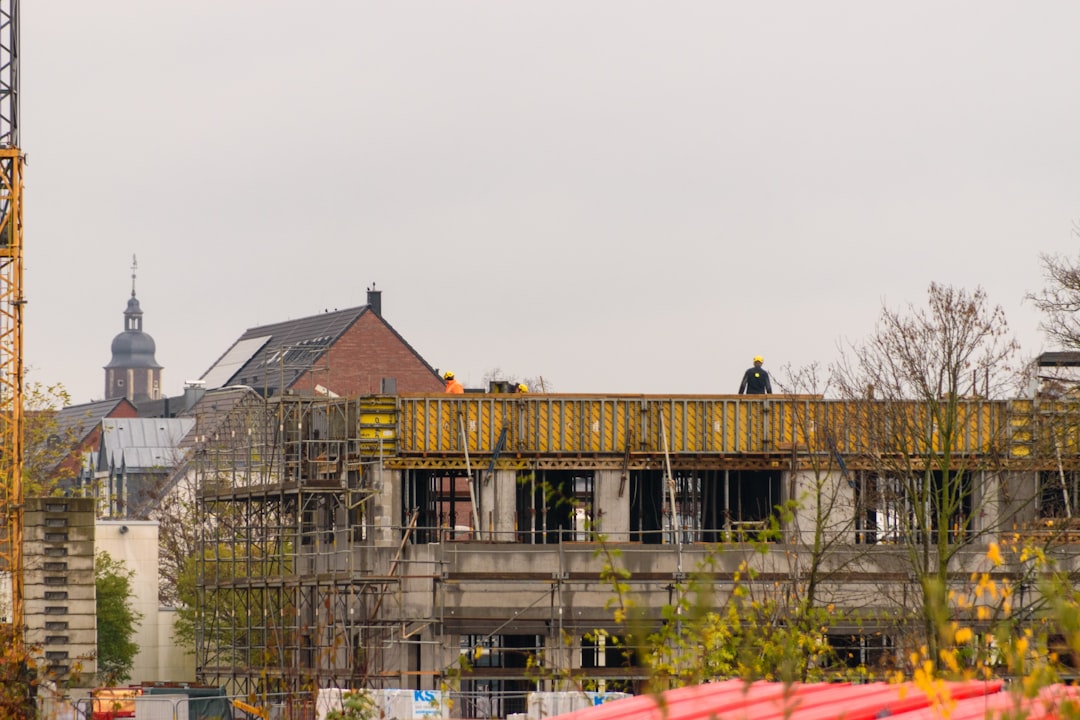
Roofing with Financing Near Me: Your Complete Guide from a 15-Year Contractor
I have been installing and repairing roofs across Texas for over fifteen years. During that time, I have completed more than 1,200 projects. I hold certifications from major manufacturers like GAF and Owens Corning. I have seen firsthand how a damaged roof can cause stress for any homeowner. The worry about leaks, the fear of high costs, and the confusion about where to start can be overwhelming. This article exists to solve that exact problem. It answers the question I hear most often from homeowners: "How can I afford to fix my roof right now?" My goal is to provide clear, trustworthy information. I want to help you understand your options for roofing with financing. This guide is based on my direct experience with hundreds of customer projects. It uses real industry data and follows building code standards. I will explain the entire process, from spotting damage to signing a contract. You will learn how to find reputable local contractors who offer payment plans. You will also understand the true costs and materials involved. My methodology is simple. I share what has worked for my customers. I explain what to look for and what to avoid. This is not generic advice. This is field-tested wisdom from a professional who cares about your home.
Why Roofing Financing is a Lifeline for Homeowners
Most people do not have thousands of dollars saved for a roof emergency. A major storm can damage your roof without warning. A slow leak can suddenly become a ceiling collapse. Waiting to save money can lead to much more expensive repairs. Water damage to insulation, drywall, and framing costs far more than a timely roof repair. Financing makes a necessary repair possible immediately. It allows you to protect your biggest investment: your home. Good financing spreads the cost over time with manageable payments. This prevents you from draining your savings account. It also lets you choose quality materials and a certified installer. You do not have to settle for a cheap, temporary fix. A proper roof installation should last for decades. Financing helps you make that smart, long-term decision today.
The Real Cost of Delaying Roof Repairs
I have entered many attics where homeowners waited too long. The initial water stain on the ceiling is just the start. Persistent moisture rots wooden roof decking and trusses. It creates perfect conditions for toxic black mold growth. Wet insulation loses its R-value, making your HVAC system work harder. This increases your energy bills every month. In winter, ice dams can form from poor ventilation. This can rip gutters off your house. The structural repair bill can be two or three times the original roof cost. Acting quickly with a financed repair is always the wiser financial choice. It preserves your home's integrity and your family's health.
How to Find "Roofing with Financing Near Me"
Searching online is a good first step. But you need to know what to look for beyond the advertisement. A reputable roofing contractor will be transparent about their financing partners. They should explain the terms clearly, not just say "financing available." Look for local companies with strong community reputations. Check their Google Business Profile for authentic customer reviews. Read the details about financing experiences. Ask neighbors for recommendations. A contractor who has worked on your street understands local weather challenges. They also know the common issues with homes of a similar age. Always verify their physical business address. A P.O. box can be a red flag. Ensure they are properly licensed and insured for your state. In Texas, you can verify a roofer's license through the Texas Department of Licensing and Regulation. This protects you from liability.
Vetting a Roofing Contractor's Credibility
Start by asking for their certifications. Manufacturers like GAF and Owens Corning have elite contractor programs. These require proper training, insurance, and a proven track record. Ask to see certificates of insurance for both liability and workers' compensation. A trustworthy roofer will provide this willingly. Request local references and actually call them. Ask about the crew's professionalism, cleanliness, and communication. Drive by some of their completed projects if possible. Look at the quality of the installation details around vents and chimneys. This due diligence is crucial when you are entering a multi-year financing agreement.
Understanding Roofing Financing Options
Not all financing is created equal. Understanding the differences will save you money. The main types are contractor-arranged third-party loans, home equity products, and credit cards. Contractor partners like GreenSky, Hearth, or Lyon Financial are common. These are often promotional loans with low or no interest for a set period, like 12-24 months. It is vital you understand the terms. If the balance is not paid in full by the promotional end date, high deferred interest may be applied retroactively. A home equity loan or line of credit (HELOC) uses your home's equity as collateral. These often have lower interest rates but involve more paperwork and closing costs. They are better for very large projects. Credit cards are simple but usually have the highest interest rates. They should only be used for small, immediate repairs.
Key Questions to Ask About Financing Terms
- What is the Annual Percentage Rate (APR) after any promotional period?
- Is there a loan origination fee or other hidden costs?
- What is the minimum credit score required for approval?
- How long is the approval process, and when do funds disburse?
- Are payments made directly to the contractor, or do I receive the funds?
- What happens if I sell my house before the loan is paid off?
Get all answers in writing. A reliable contractor will help you understand the fine print. They want you to be comfortable with the payment plan.
Breaking Down the True Cost of a New Roof
Costs vary widely based on size, pitch, materials, and location. For a standard 2,000-square-foot asphalt shingle roof in Texas, you can expect a range. A basic 3-tab shingle replacement might cost $8,500 to $12,000. An architectural shingle upgrade could be $12,000 to $18,000. Premium materials like metal or slate can range from $20,000 to $45,000 or more. These are ballpark figures. Your specific quote will include line items. It should detail removal of old materials (tear-off), disposal fees, decking repair, underlayment, shingles, flashing, vents, and labor. Always get an itemized estimate. Beware of a single lump-sum price with no details. That is a sign of potential problems later. Financing helps you manage these substantial upfront costs.
Real Project Example: Hail Damage Repair
Last spring, a family in Kingwood had severe hail damage. Their 15-year-old roof had functional damage to the shingle granules. This damage reduces the roof's lifespan and waterproofing ability. Their insurance adjuster approved a replacement. The insurance check covered most of the cost, but there was a deductible and an upgrade difference. The homeowners chose to upgrade to a better shingle with a 50-year warranty. The upgrade cost was $3,200. They used a 24-month, no-interest financing plan through the contractor's partner. Their monthly payment was about $133. They protected their home immediately without touching their savings. The new roof also increased their home's curb appeal and resale value.
Choosing the Right Roofing Material for Your Budget
The material is a major factor in both cost and longevity. Asphalt shingles are the most common and affordable. Modern architectural shingles offer great durability and style. They often come with warranties of 30 to 50 years. Metal roofing is more expensive initially but can last 40-70 years. It is excellent for energy efficiency and shedding snow. Tile roofs (clay or concrete) are heavy, durable, and perfect for certain architectural styles. They are a significant investment. Synthetic slate offers the look of slate at a lower cost and weight. Your choice should balance budget, aesthetics, and the local climate. Your roofer can show you samples and discuss the pros and cons of each. Financing can make a higher-quality, longer-lasting material attainable.
Material Comparison: Asphalt vs. Metal
Let us compare two popular options. Asphalt shingles cost $3.50 to $5.50 per square foot installed. They have a typical lifespan of 20-30 years for architectural styles. Installation is straightforward. Metal panels cost $7 to $12 per square foot installed. Their lifespan is 40-70 years. Metal reflects solar heat, which can lower attic temperatures and cooling costs. It is also highly resistant to fire, wind, and hail. While metal costs more upfront, its longevity and energy savings provide value over time. Financing can bridge that initial cost gap. You pay for the metal roof over 10-15 years, but it protects your home for 50.
The Roof Installation Process: What to Expect
A professional roof replacement is a multi-day process. Day one usually involves setting up safety equipment, delivering materials, and starting the tear-off. The crew will remove old shingles and inspect the wood decking. Any rotten wood will be replaced. This is a critical step that affects the roof's longevity. Day two focuses on installing new underlayment, which is a water-resistant barrier. They will install new flashing around chimneys, vents, and walls. Flashing is metal that directs water away from these vulnerable areas. Finally, they install the new shingles or metal panels. The crew will clean up thoroughly, using magnets to pick up nails. A final inspection by the foreman ensures quality. A good contractor will guide you through each step and keep the site safe and tidy.
Homeowner Tips During Installation
- Move cars out of the driveway and away from the house.
- Secure loose items in your yard and on patio.
- Cover items in your attic with sheets to catch dust.
- Expect noise; it is a construction site.
- Communicate with the project manager about any concerns.
- Do a final walk-around with the foreman before they leave.
Navigating Insurance Claims for Roof Damage
If storm damage is the reason for your repair, your homeowner's insurance may cover it. The process starts with you filing a claim. Your insurance company will send an adjuster to inspect the damage. It is highly beneficial to have a reputable roofing contractor present during this inspection. They can point out damage the adjuster might miss. They understand insurance language and can help document everything properly. If the claim is approved, you will receive a claim summary and a payment. Often, the payment comes in two parts. The first check covers the actual cash value minus your deductible. The second check (recoverable depreciation) is released after the work is complete. Financing can help you cover the deductible and any upgrades you choose. Always review your policy's dwelling coverage and deductible before a storm hits.
Frequently Asked Questions (FAQ)
What credit score do I need for roofing financing?
Most third-party financing programs require a FICO score of at least 640-660 for the best rates. Some lenders may approve scores in the 600-640 range with higher interest rates. The contractor's financing partner can usually give you a quick pre-qualification check that does not hurt your credit score. It is always worth asking.
Can I get financing for a roof repair, or only a full replacement?
Yes, you can get financing for repairs. Many financing programs have minimum loan amounts, often around $2,500 to $5,000. For smaller repairs, a credit card or payment plan directly with the contractor might be more suitable. Always discuss the scope of work and payment options with your roofer.
How long does it take to get approved for roofing financing?
Approval through a contractor's third-party partner is often very fast. Many applications are approved within minutes online or over the phone. The funds can be available within a few business days. This allows projects to start quickly, which is crucial for emergency leak repairs.
Will financing affect my ability to get a mortgage or car loan later?
Taking on a new loan will appear on your credit report. As long as you make payments on time, it can actually help your credit score by building a positive payment history. The key is to ensure the monthly payment fits comfortably within your budget alongside your other debts.
What happens if I have bad credit or no credit?
Some contractors offer in-house financing or payment plans that do not require a credit check. These may require a larger down payment or have shorter terms. Being honest with your contractor about your situation is the best approach. They may have solutions or can prioritize the most critical repairs to fit a cash budget.
Is the interest on roofing financing tax-deductible?
Generally, interest on a loan used for home improvement is not tax-deductible for personal residences. There was a deduction for home equity loan interest, but recent tax law changes have limited this. You should always consult with a tax professional for advice specific to your situation.
Should I choose the contractor with the cheapest financing offer?
Not necessarily. The cheapest financing could be attached to a low-quality installation. The most important factor is the contractor's reputation and workmanship. A great roof with fair financing is better than a bad roof with amazing financing. A poor installation will lead to leaks and more costs, negating any financing savings.
Conclusion: Taking the Next Step with Confidence
Your roof is your home's first line of defense. Addressing problems quickly is essential. Financing is a powerful tool that makes quality repairs accessible. It turns a large, stressful expense into a planned, manageable investment. Start by researching local, certified contractors. Get multiple detailed estimates. Ask thorough questions about both the work and the payment plans. Use the information in this guide to make an informed decision. Do not let fear of cost force you into delay. A small leak today can become a major disaster tomorrow. Protect your home, your family, and your peace of mind. Reach out to a professional, discuss your situation, and explore the financing options available near you. Taking action now is the best way to secure your home's future.