
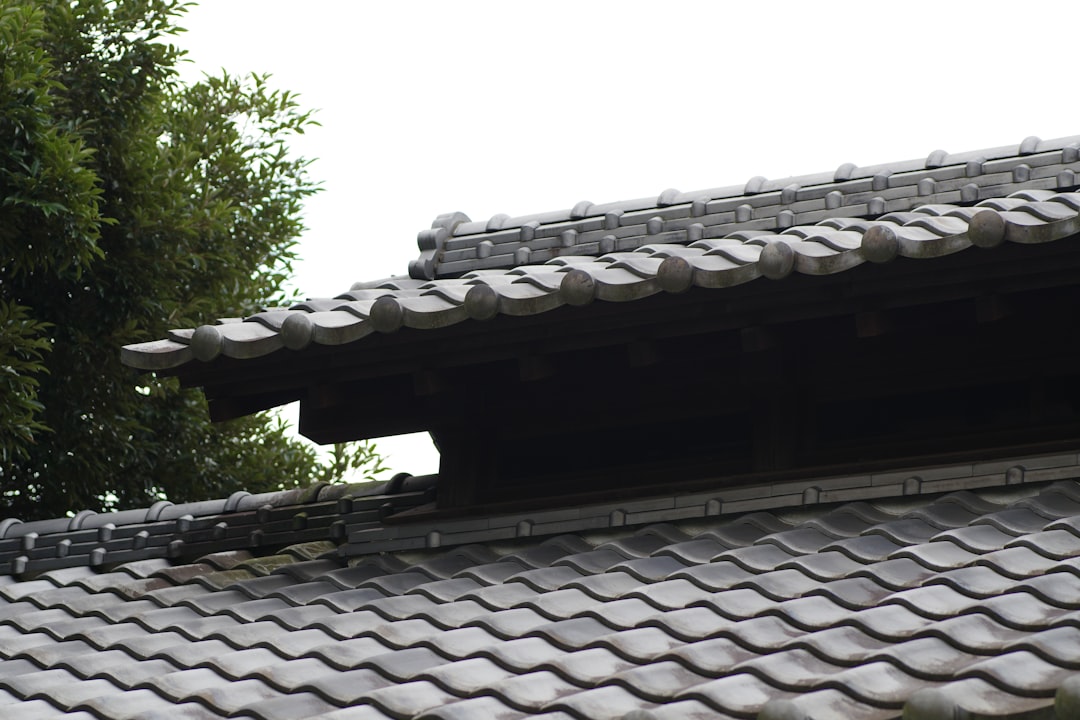
Claiming Storm Damage on Roof: Your Complete Guide from a Texas Roofer
I have been installing and repairing roofs in Texas for over 15 years. My team and I have completed more than 2,000 roofing projects. We are certified installers for major manufacturers like GAF and Owens Corning. This experience has given me a unique perspective on storm damage. I have seen firsthand how confusing the insurance claim process can be for homeowners. This article exists to solve that exact problem. It answers the critical question: What do I do when a storm damages my roof? I wrote this guide to provide clarity and confidence. You will learn the exact steps to take from discovery to final repair. The information comes from hundreds of customer projects I have managed. It is based on real interactions with insurance adjusters and building code inspections. My goal is to save you time, stress, and money. Let's get started.
Understanding Storm Damage: What Insurance Companies Look For
Not all roof damage is covered by insurance. Insurance policies typically cover sudden, accidental events. This includes hail, wind, and fallen trees. Normal wear and tear or poor maintenance is not covered. Knowing the difference is crucial for a successful claim. The first step is a proper damage assessment. You need to know what to look for after a storm passes.
Identifying Hail Damage on Different Roofing Materials
Hail damage is one of the most common claims in our area. It can look different depending on your roof material. For asphalt shingles, look for random, dark spots. These are bruises where the granules have been knocked off. You might also see circular cracks in the shingle mat. Metal roofs will show distinct dents. Tile roofs can crack or chip. Always check metal fixtures like vents and gutters too. Dents there help prove a hail event occurred. Take clear, dated photos of any damage you find. This visual evidence is very important for your claim.
Spotting Wind Damage and Water Intrusion
High winds can cause obvious and hidden damage. Look for missing, lifted, or creased shingles. Check for granules in your gutters or downspouts. Wind can peel back flashing around chimneys and vents. This creates immediate pathways for water. Water intrusion is the real enemy. It can lead to mold, rot, and structural issues inside your home. After a wind event, inspect your attic carefully. Look for daylight coming through the roof deck. Check for wet insulation or water stains on the wood. Document everything with photos and notes. The Federal Emergency Management Agency (FEMA) provides guidelines on disaster preparedness that include roof inspections.
The Step-by-Step Insurance Claim Process for Roof Damage
Filing a claim can feel overwhelming. Following a clear process reduces stress. Do not rush to call your insurance company first. Take these preliminary steps to prepare. Your claim will be stronger and smoother.
Step 1: Initial Safety and Documentation (Your First 48 Hours)
Your safety is the top priority. Do not go on a wet or steep roof. Assess damage from the ground using binoculars. Take wide-angle photos of your entire property. Capture the date of the storm and any visible damage. Make temporary repairs to prevent further damage. This could mean placing a tarp over a leak. Keep all receipts for materials. Most policies require you to mitigate additional damage. Contact a reputable, local roofing contractor for a professional inspection. A good roofer will provide a detailed, written report. This report should include photos and diagrams of all damage. This document is your key evidence.
Step 2: Filing the Claim and Working with the Adjuster
Now, contact your insurance company to file the claim. Have your policy number ready. Provide the date of loss and a brief description. The insurance company will assign an adjuster to your case. Request a copy of the adjuster's report when it is complete. It is highly recommended to have your roofing contractor present for the adjuster's inspection. The contractor can point out damage the adjuster might miss. They can also explain repair techniques and costs. This collaboration often leads to a more accurate and fair settlement. Remember, the adjuster works for the insurance company. Your contractor works for you.
Step 3: Understanding Your Settlement and Scope of Work
The insurance company will issue a settlement statement. This is often called an estimate or a scope of loss. It details what they will pay to repair your roof. It includes line items for materials, labor, and waste removal. Review this document carefully with your contractor. Look for missing items or underestimated quantities. For example, does it include code-compliant underlayment? Does it account for proper flashing details? The International Residential Code (IRC) sets the minimum standards for roofing. Your repair must meet or exceed these codes. If the settlement is too low, you can dispute it. Your contractor can help you prepare a supplement request with supporting documentation.
Choosing Materials and a Contractor for Your Roof Replacement
If your roof needs full replacement, you have important choices. Your insurance settlement provides a cash value for your old roof. You can often upgrade materials by paying the difference. This is a chance to improve your home's durability and value.
Comparing Roofing Materials: Asphalt, Metal, and Synthetic
Asphalt shingles are the most common choice. They are cost-effective and come in many styles. Look for architectural or dimensional shingles. They are thicker and more durable than basic 3-tab shingles. Many have algae-resistant coatings and strong wind warranties. GAF and Owens Corning are leading manufacturers. Metal roofing is excellent for durability and energy efficiency. It can last 40-70 years and withstand severe hail. Synthetic slate or shake offers a premium look with less weight. Discuss the pros and cons of each material with your contractor. Consider your budget, home style, and long-term goals.
How to Vet and Select a Qualified Roofing Contractor
This is the most critical decision in the process. Never choose a contractor based solely on price. Storm chasers often follow severe weather. They may offer cheap, fast work but provide poor quality. Look for a local, established company with a physical address. Verify they are licensed and insured in your state. Ask for proof of both general liability and workers' compensation insurance. Check their rating with the Better Business Bureau. Read online reviews and ask for local references. A great contractor will offer manufacturer warranties. For example, GAF's Golden Pledge warranty requires certified installers. It offers superior coverage on both materials and workmanship. Get everything in writing. The contract should detail materials, scope, timeline, payment schedule, and cleanup procedures.
Real Project Case Studies: Learning from Actual Claims
Let me share two real examples from our projects. These stories illustrate common scenarios and outcomes.
Case Study 1: The Hail Claim Supplement
A homeowner in Kingwood had a severe hailstorm. Their 15-year-old asphalt roof was damaged. The insurance adjuster initially approved a repair of only the most visibly damaged slopes. Our inspection found functional hail damage on all slopes. The granules were lost, exposing the asphalt to UV degradation. We documented this with close-up photos and a granule loss test. We submitted a supplement request to the insurance company. We included manufacturer specifications on granule function. The insurance company reviewed our evidence. They approved a full roof replacement. The homeowner received a settlement that was $8,000 higher than the first offer. They upgraded to impact-resistant shingles for better future protection.
Case Study 2: The Wind-Driven Rain Leak
Another client had a wind event that caused no missing shingles. A week later, they noticed a water stain on their ceiling. The insurance adjuster said there was no storm damage. We inspected and found the problem. The wind had lifted the step flashing along a sidewall. It did not tear it off, so it looked fine from the ground. But it created a small gap. During the next rain, water was driven up under the flashing. We used a thermal imaging camera in the attic to show the moisture path. We provided a diagram from the National Roofing Contractors Association (NRCA) on proper flashing installation. The insurance company reversed its decision. They covered the repair of the flashing and the interior drywall damage.
Frequently Asked Questions About Roof Storm Damage Claims
Here are answers to the most common questions I hear from homeowners.
Will filing a claim make my insurance rates go up?
It might, but not always. A claim for a major, unpreventable event like a hailstorm is considered a catastrophe claim. These often have different rules than a small, single-home claim. Rates in an entire ZIP code may increase after a widespread storm. You should not avoid filing a legitimate claim for fear of a rate hike. Protecting your largest investment—your home—is the priority. Discuss your specific situation with your insurance agent.
What if my roof is old? Will insurance still pay for a replacement?
Yes, but they will apply depreciation. Insurance covers the cost to repair or replace your damaged roof. If your roof is near the end of its life, it has lost value. This lost value is called depreciation. The insurance company will pay the actual cash value first. This is the replacement cost minus depreciation. Once the roof is replaced, you submit the final invoice. Then they release the recoverable depreciation. You get the full replacement cost value. An old roof does not disqualify you from a claim.
Can I keep the insurance money and not repair the roof?
This is very risky and often violates your policy. The insurance money is to indemnify you—to make you whole from a loss. If you do not repair the damage, your home is not whole. Future damage from the same initial problem may not be covered. Your mortgage company may also require the repair. They have a financial interest in the property. The safest path is to use the funds for the intended repair with a qualified contractor.
How long does the entire claim and repair process take?
The timeline varies widely. From filing to final inspection can take 2 to 6 months. Severe storms that affect thousands of homes cause delays. Adjusters and contractors get very busy. The insurance review can take several weeks. Material shortages can also slow things down. A good contractor will manage your expectations. They will communicate clearly about each phase of the project.
What is a code upgrade, and will insurance pay for it?
Building codes change over time. Your roof may need upgrades to meet current code. This could include stronger underlayment, different nail patterns, or upgraded flashing. Many insurance policies include an ordinance or law coverage endorsement. This pays for the extra cost to bring your roof up to code. Check your policy or ask your agent. Your contractor should build to the current code regardless.
Practical Tips from a Roofer: Protecting Your Investment
Here is my best advice, gathered from years on the job.
- Get an annual inspection. Have a professional roofer check your roof every spring. They can spot small issues before storms make them big problems.
- Keep trees trimmed. Overhanging branches can scrape shingles and drop debris. They also provide a path for squirrels and raccoons.
- Clean your gutters regularly. Clogged gutters cause water to back up under the roof edge. This leads to wood rot and leaks.
- Document your roof's history. Keep receipts for repairs and your original installation paperwork. This proves maintenance and establishes age.
- Review your insurance policy annually. Understand your deductible, coverage limits, and exclusions. Ask your agent to explain anything you do not understand.
Conclusion: Your Path Forward After Storm Damage
Dealing with storm damage is stressful. But with the right knowledge, you can navigate it successfully. Start with a professional inspection from a trusted local roofer. Document everything thoroughly. Work with your contractor to present a strong case to the insurance company. Choose quality materials and installation for your repair. This protects your home for years to come. Your roof is your home's first line of defense. Do not settle for a quick fix. Invest in a proper, code-compliant repair. If you are in the Texas area and have questions, reach out to a licensed professional. Use the resources from the Texas Department of Insurance to understand your rights. Take a deep breath. You have the information you need to move forward with confidence.