
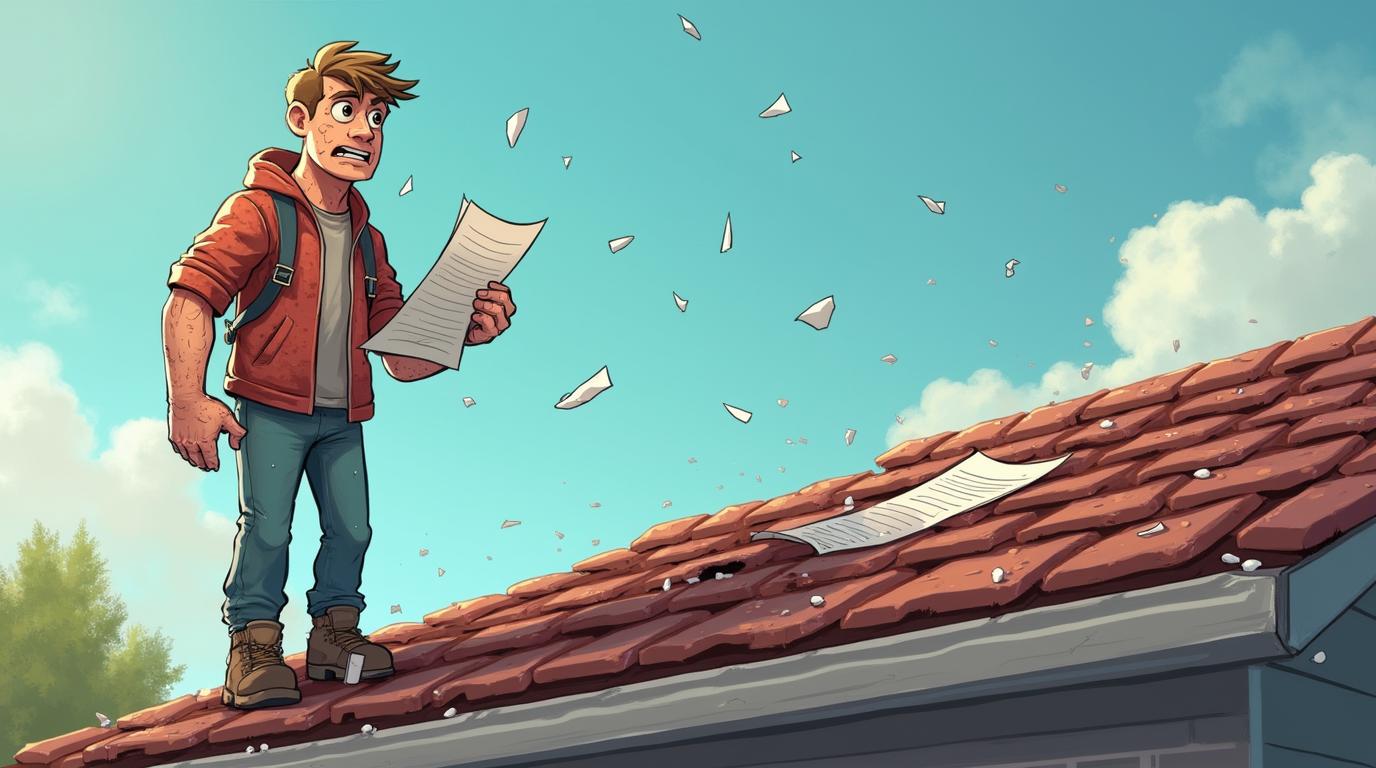
Hail Damaged Roof and Insurance: Your Complete Guide from a 15-Year Roofing Expert
I have been installing and repairing roofs for over fifteen years. During this time, I have completed more than two thousand roofing projects across Texas. I hold multiple certifications from leading manufacturers like GAF and Owens Corning. This experience gives me unique insight into hail damage and insurance claims. Homeowners often feel confused and overwhelmed after storm damage. They don't know where to start or who to trust. This article exists to solve that problem completely. You will learn exactly how to handle hail damage from start to finish. I will share real stories from actual customer projects throughout this guide. The information comes from hands-on work with insurance adjusters and homeowners. I have gathered data from manufacturer specifications and building codes. My recommendations are based on proven methods that work in real situations. This is not theoretical advice from someone who has never climbed a roof. This is practical wisdom from someone who has fixed hundreds of hail-damaged roofs.
After a hailstorm, homeowners face many difficult questions. Should you file an insurance claim? How much damage is enough for replacement? What if your claim gets denied? I have helped countless families navigate these challenges successfully. This guide will answer all your questions with clear, direct information. You will learn how to identify hail damage properly. I will explain the insurance claim process step by step. We will discuss roofing materials and their hail resistance. Most importantly, I will show you how to work effectively with contractors and insurance companies. My goal is to save you time, money, and stress. By the end, you will feel confident and prepared to handle any hail damage situation.
Understanding Hail Damage: What You're Really Looking At
Hail damage is not always obvious to untrained eyes. The damage can be subtle but still significant. Small dents might not seem like a big problem initially. However, they can compromise your roof's ability to protect your home. I have seen roofs that looked fine from the ground but were severely damaged up close. The key is knowing what to look for and where to look. Hail typically causes three types of damage to asphalt shingles. It creates bruises where the impact damages the fiberglass mat. It causes granule loss that exposes the asphalt coating. It can also create cracks that allow water penetration. Each type requires different assessment and repair approaches.
Identifying Different Types of Hail Damage
Bruising is the most common hail damage I see on asphalt shingles. The impact compresses the shingle and damages the fiberglass mat underneath. You can identify bruising by gently pressing on suspected areas. The damaged spot will feel soft compared to surrounding areas. Granule loss is another clear sign of hail impact. Check your gutters and downspouts for excessive granules after a storm. The granules protect the asphalt from UV radiation and weather elements. Without them, your shingles will deteriorate much faster. Cracking occurs when hail hits at just the right angle and force. The shingle surface fractures, creating pathways for water entry. All three damage types can lead to leaks and structural problems over time.
Hail Size and Damage Severity
The size of hailstones directly affects the damage severity. Hail smaller than one inch often causes minimal cosmetic damage. Stones between one and two inches can cause functional damage to standard shingles. Hail larger than two inches typically causes severe damage requiring full replacement. I have seen golf ball-sized hail completely destroy roofs in minutes. The impact energy increases dramatically with hail size. A two-inch hailstone has four times the impact energy of a one-inch stone. The wind speed during the storm also affects damage patterns. Higher winds mean hailstones hit with more force and at different angles. All these factors determine whether your roof needs repair or full replacement.
The Insurance Claim Process: Step-by-Step Guidance
Filing an insurance claim for hail damage can feel overwhelming. However, understanding the process makes it much easier. I have worked with hundreds of homeowners through their insurance claims. The successful ones always follow a clear, organized approach. Start by documenting the damage thoroughly before contacting your insurance company. Take clear photos and videos from multiple angles. Include close-ups of damaged shingles and wider shots showing the roof overall. Note the date of the storm and any weather reports confirming hail in your area. Then contact your insurance company to start the claims process. They will assign an adjuster to inspect your property and assess the damage.
Working with Insurance Adjusters
Insurance adjusters play a crucial role in your claim outcome. I always recommend being present during the adjuster's inspection. Point out all the damage you have documented and any concerns you have. Ask questions if you don't understand their assessment or findings. Remember that adjusters work for the insurance company, not for you. Their goal is to settle claims fairly but cost-effectively for their employer. Having a professional roofing contractor present can be very helpful. We can identify damage that untrained eyes might miss. We can also provide repair estimates that reflect current market rates. This ensures you receive adequate funds for proper repairs or replacement.
Understanding Your Insurance Policy
Your insurance policy determines what damage gets covered. Most homeowners policies cover hail damage as a weather-related peril. However, coverage details can vary significantly between policies. Some policies cover only actual cash value, which deducts for depreciation. Others cover replacement cost, which pays the full cost of repairs. Deductibles also differ, typically ranging from one to five percent of your home's value. I always recommend reviewing your policy before storm season. Understand your coverage limits, deductibles, and any exclusions. Some policies have separate wind/hail deductibles that are higher than standard deductibles. Knowing these details prevents surprises during the claims process.
Roofing Materials and Hail Resistance: Real-World Comparisons
Different roofing materials respond differently to hail impacts. As a contractor who has installed them all, I can provide honest comparisons. Asphalt shingles are the most common roofing material in our area. They offer good value but moderate hail resistance. Architectural shingles perform better than basic three-tab shingles. They have multiple layers that provide extra protection against impact. Metal roofing offers excellent hail resistance when properly installed. I have seen metal roofs withstand hailstorms that destroyed neighboring asphalt roofs. However, metal roofing costs more upfront than asphalt options. Tile and slate roofs also handle hail well but can crack under extreme impacts. Each material has pros and cons for hail protection.
Impact-Resistant Shingles: Are They Worth It?
Impact-resistant shingles receive special ratings for hail resistance. The Underwriters Laboratories classifies them as Class 1, 2, 3, or 4. Class 4 offers the highest resistance to hail impact. These shingles cost more than standard options but provide better protection. Many insurance companies offer premium discounts for Class 4 shingles. The discount can offset the higher material cost over time. I have installed impact-resistant shingles on many homes in hail-prone areas. They consistently perform better during severe storms. However, no shingle is completely hail-proof. Even Class 4 shingles can sustain damage from large hailstones. The key is balancing cost, protection, and insurance benefits for your specific situation.
Material Costs and Insurance Considerations
Insurance companies typically cover like-kind replacement for damaged roofs. If you have standard asphalt shingles, they will pay for standard asphalt replacement. However, you can often upgrade materials by paying the difference yourself. I help homeowners evaluate these decisions regularly. Upgrading to impact-resistant shingles might cost an extra two thousand dollars. But the insurance premium savings could recover that cost within a few years. Metal roofing costs significantly more but lasts much longer. The decision depends on your budget, home value, and long-term plans. I always provide detailed cost comparisons during consultations. This helps homeowners make informed decisions about material upgrades.
Choosing the Right Roofing Contractor: Insider Advice
Selecting the right contractor is crucial for successful hail damage repairs. I have seen too many homeowners suffer from poor workmanship and dishonest practices. Always choose licensed, insured contractors with local experience. Verify their credentials with the Texas Department of Licensing and Regulation. Ask for references from recent hail damage projects. A reputable contractor will gladly provide these. Beware of storm chasers who appear after major weather events. These contractors often lack local presence and accountability. They might do shoddy work and disappear when problems arise. Choose established local companies with physical addresses. Check their ratings with the Better Business Bureau and review sites. These steps protect you from common roofing scams.
Red Flags in Roofing Contracts
Certain contract terms should raise immediate concerns. Never sign a contract that requires full payment upfront. Reputable contractors require deposits but not full prepayment. Avoid contractors who pressure you to sign quickly. They might claim limited-time offers or urgent needs. Quality contractors give you time to review proposals carefully. Be wary of extremely low bids that seem too good to be true. They usually indicate inferior materials or hidden costs. I have seen homeowners pay twice when cheap repairs fail quickly. Always get multiple estimates for comparison. The middle bid often represents the best value. It balances quality workmanship with reasonable pricing. Trust your instincts—if something feels wrong, it probably is.
Working with Your Chosen Contractor
Clear communication ensures successful project outcomes. Discuss timelines, work hours, and cleanup expectations upfront. Good contractors maintain clean worksites and protect your property. They coordinate with suppliers to avoid material delays. I always provide daily progress updates to homeowners. This keeps everyone informed and prevents misunderstandings. Understand the warranty terms for both materials and workmanship. Manufacturer warranties cover material defects, while contractor warranties cover installation quality. Keep all warranty documents in a safe place for future reference. Proper documentation helps if issues arise later. Following these practices leads to smooth, successful roofing projects.
Real Project Case Studies: Learning from Actual Experiences
Real examples illustrate how hail damage claims work in practice. I recently helped a family in Kingwood with significant hail damage. Their twenty-year-old roof showed extensive bruising and granule loss. The insurance adjuster initially approved only repairs, not full replacement. I documented the widespread damage and compromised shingle integrity. We provided evidence that repairs wouldn't restore proper protection. The insurance company eventually approved full roof replacement. The homeowners chose impact-resistant shingles for better future protection. Their insurance premium decreased enough to offset the upgrade cost within five years. This case shows the importance of proper documentation and contractor advocacy.
Denied Claim Turnaround
Another homeowner initially had their claim denied completely. The adjuster claimed the damage was from normal wear, not hail. I helped them file a supplemental claim with additional evidence. We provided weather service reports confirming hail in their area. We also showed matching damage patterns on other surfaces like gutters and window screens. The insurance company reversed their decision and approved the claim. The roof replacement proceeded without further issues. This case demonstrates that initial denials aren't always final. Proper evidence and persistence can change outcomes significantly. Having an experienced contractor makes this process much easier.
Preventative Maintenance Success
Regular maintenance significantly affects hail damage outcomes. I work with homeowners who schedule annual roof inspections. After a recent hailstorm, we identified minor damage early. The insurance claim process was straightforward because we had documentation. The repairs were completed quickly before leaks developed. This proactive approach saved the homeowner from major interior damage. It also extended their roof's lifespan significantly. Preventative maintenance costs much less than emergency repairs. It also makes insurance claims smoother when damage does occur. This case highlights the value of regular professional inspections.
Industry Statistics and Data: Understanding the Big Picture
Hail damage represents a significant portion of insurance claims nationwide. According to the Insurance Information Institute, hail causes about one billion dollars in damage annually. Texas experiences more hailstorms than any other state. The frequency and severity continue increasing due to climate patterns. Most hail damage occurs during spring and early summer months. Understanding these patterns helps homeowners prepare appropriately. The average hail damage claim exceeds ten thousand dollars nationally. However, costs vary based on roof size, materials, and damage extent. These statistics underscore the importance of adequate insurance coverage and preparedness.
Regional Hail Patterns in Texas
North Texas experiences the highest hail frequency in the state. The area known as Hail Alley includes Dallas-Fort Worth and surrounding regions. Central Texas, including Austin and San Antonio, also sees significant hail activity. Southeast Texas, including Houston and Kingwood, experiences moderate hail risk. However, when storms do occur, they can be severe. I have documented hailstones larger than baseballs in our service area. These extreme events cause catastrophic damage to roofs and properties. Understanding local patterns helps homeowners assess their specific risks. It also informs decisions about impact-resistant materials and insurance coverage levels.
Frequently Asked Questions: Real Customer Concerns
How much hail damage justifies roof replacement?
Most insurance companies use the 8-10 damage spots per 100 square feet rule. This means if you find eight to ten damaged shingles in a 10x10 area, replacement is typically justified. However, this varies by insurance carrier and policy terms. Some companies consider the overall damage pattern rather than specific counts. The key is whether the damage compromises the roof's ability to function properly. I always recommend professional assessment for accurate determination.
Can I repair hail damage myself?
I strongly advise against DIY hail damage repairs for several reasons. First, working on roofs is dangerous without proper training and equipment. Second, improper repairs can void manufacturer warranties and insurance coverage. Third, hidden damage might go unnoticed without professional inspection. Finally, insurance companies require licensed contractor documentation for most claims. Hiring professionals ensures safety, quality, and proper insurance processing.
How long do I have to file an insurance claim?
Most insurance policies require claims within one year of damage occurrence. However, filing sooner is always better while evidence remains fresh. Some policies have shorter time limits, so check your specific terms. I recommend filing within days of discovering damage. This allows for prompt inspection before weather causes additional problems. Delayed claims often face more scrutiny and documentation requirements.
What if my insurance claim gets denied?
Claim denials aren't necessarily final. You can request reinspection with additional evidence. Provide photos, weather reports, and contractor assessments supporting your case. If the insurance company still denies, consider hiring a public adjuster. These professionals represent your interests rather than the insurance company's. As a last resort, consult an attorney specializing in insurance disputes. Most denials can be resolved through proper documentation and persistence.
Will filing a claim increase my insurance premiums?
Filing one hail damage claim typically doesn't increase premiums significantly. However, multiple claims within short periods might affect rates. Insurance companies consider hail acts of nature rather than homeowner negligence. Premium increases depend on your claims history and company policies. Discuss potential impacts with your agent before filing if concerned. Remember that protecting your home's value often justifies temporary premium adjustments.
How long does the entire process take?
The timeline varies based on damage severity and insurance company. Simple claims might complete within two to three weeks. Complex cases with disputes can take several months. The inspection typically occurs within days of filing. Insurance approval follows within one to two weeks. Contractor scheduling depends on material availability and weather conditions. Most projects complete within one to two weeks after approval. I provide realistic timelines during initial consultations to manage expectations.
What documentation do I need for my claim?
Proper documentation strengthens your claim significantly. Take clear before-and-after photos showing the damage. Keep records of storm dates and weather service reports. Document conversations with insurance representatives and contractors. Save all estimates, invoices, and correspondence related to the claim. Maintain a project journal noting important dates and decisions. Organized documentation makes the process smoother and increases claim approval chances.
Conclusion: Taking Confident Action After Hail Damage
Hail damage doesn't have to be overwhelming with proper knowledge and preparation. You now understand how to identify damage accurately and work with insurance effectively. Remember that professional assessment provides the best foundation for successful claims. Choose contractors carefully based on credentials and local reputation. Document everything thoroughly throughout the process. Most importantly, don't delay addressing hail damage, as it worsens over time. Water intrusion causes far more expensive problems than roof repairs alone. Taking prompt, informed action protects your home's value and your family's safety.
Your roof is your home's first defense against weather elements. Proper maintenance and timely repairs ensure it continues protecting your investment. I hope this guide empowers you to handle hail damage situations confidently. The knowledge comes from real experience helping homeowners like you. Remember that reputable professionals stand ready to assist when needed. Don't hesitate to seek expert help for complex situations. Your home deserves the best protection available. Take these insights and apply them to keep your roof strong for years to come.