
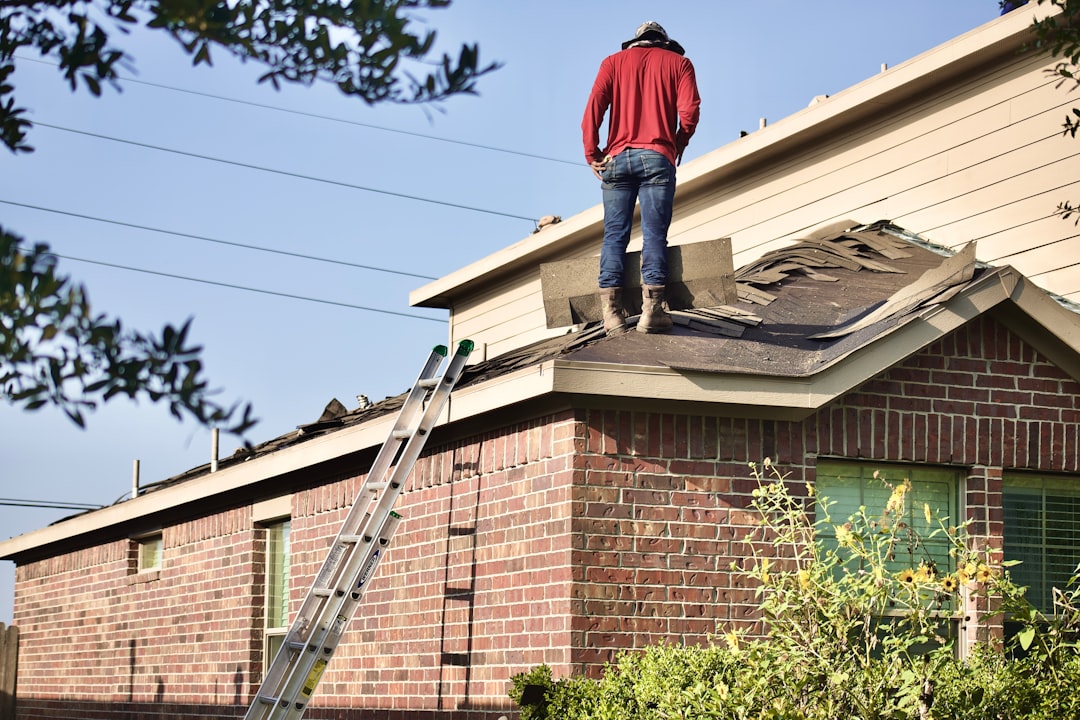
Homeowners Insurance Roof Damage: Your Complete Guide to Claims & Repairs from a 20-Year Roofing Expert
My name is Michael, and I've been a licensed roofing contractor in Texas for over two decades. I've personally overseen more than 3,500 roofing projects, from small repairs to complete replacements after major storms. I hold certifications from GAF, CertainTeed, and Owens Corning, and I've worked directly with every major insurance company in our region. This article exists because I've seen too many homeowners struggle with insurance claims. They feel confused, overwhelmed, and often get less than they deserve. My purpose here is simple: to give you the exact knowledge I share with my own customers, so you can navigate roof damage claims with confidence and ensure your home gets properly protected.
The information in this guide comes directly from my field experience. It combines insights from thousands of customer interactions, manufacturer installation specifications, Texas building codes, and insurance adjuster meetings. I'll explain not just what to do, but why certain approaches work better than others. You'll learn the methodology behind successful claims, the real costs involved, and how to avoid common pitfalls that cost homeowners thousands. This isn't generic advice repackaged from the internet. This is the practical wisdom gained from being on roofs every week, dealing with real damage, and helping real people restore their homes.
Understanding What Your Insurance Actually Covers
Most homeowners don't read their insurance policy until disaster strikes. This is a big mistake. Insurance policies are complex legal documents with specific language about roof coverage. Standard homeowners insurance typically covers sudden, accidental damage from external forces. This includes damage from wind, hail, falling trees, and fire. It does not cover damage from normal wear and tear, poor maintenance, or intentional acts. The key distinction is between "covered perils" and exclusions.
Common Covered Perils for Roof Damage
Wind damage is one of the most common claims. High winds can lift shingles, tear off flashing, and compromise the roof deck. Hail damage creates dents in metal or bruises on asphalt shingles that compromise their integrity. Falling objects like tree limbs can puncture the roof surface. Weight of ice or snow can cause structural collapse in certain climates. Fire and lightning strikes are also clearly covered events. Vandalism or malicious damage is typically included as well. Always check your specific policy declarations page for exact coverage details.
What Insurance Typically Excludes
Normal wear and tear is never covered. Roofs have a finite lifespan, and insurance isn't a maintenance warranty. Lack of maintenance or neglect voids many claims. If you ignored missing shingles for years, resulting leaks may be denied. Manufacturer defects might be covered under the product warranty instead. Earth movement like earthquakes requires separate policies. Flood damage requires separate flood insurance. Intentional damage or fraud is obviously excluded. Some policies have cosmetic damage exclusions for hail. This means functional damage is covered but dents on metal without leaks might not be.
The Step-by-Step Claims Process: A Contractor's Perspective
Filing an insurance claim can feel intimidating. Following a clear process reduces stress and improves outcomes. The first step is always safety first. If your roof has major damage, protect your home's interior from water intrusion. Place buckets under active leaks. Move valuables away from wet areas. Cover furniture with plastic tarps. Then document everything before making any temporary repairs. Use your smartphone to take clear photos and videos of all damage from multiple angles. Include wide shots showing the whole roof and close-ups of specific problems.
Contacting Your Insurance Company
Call your insurance agent or company's claims department promptly. Most policies require timely notification of damage. Provide your policy number and a clear description of what happened. Mention the date of the storm or event. Ask about your deductible amount and any specific claim procedures. Request a claim number for reference. Many companies now offer online claim filing through their websites or mobile apps. This can be faster than phone calls. Keep detailed notes of every conversation, including dates, times, and representative names.
Working with the Insurance Adjuster
The insurance company will assign an adjuster to inspect your property. This person assesses the damage and determines the claim payout. Schedule the inspection for a time when you can be present. Have a reputable roofing contractor present during the inspection if possible. The adjuster will examine both exterior and interior damage. They'll take measurements and photographs. They'll then write an estimate using software like Xactimate. This estimate details the scope of repairs and the calculated costs. Review this estimate carefully before accepting it.
Documenting Damage Like a Professional
Proper documentation makes or breaks insurance claims. Start with exterior documentation before any repairs. Take photos of the entire property from all sides. Capture the roof condition from ground level. Use a drone if available for aerial views. Document any visible damage like missing shingles, dented vents, or damaged gutters. Then move to interior documentation. Photograph any water stains on ceilings or walls. Show damaged insulation in the attic. Capture wet drywall or flooring. Create a video walkthrough narrating what you're seeing.
Creating Your Damage Inventory
Make a detailed list of all damaged items. Include structural components like roof decking and rafters. List roofing materials like shingles, underlayment, and flashing. Note ventilation components like ridge vents and soffits. Document gutter and downspout damage. Include interior damage like stained ceilings or ruined flooring. For each item, note the approximate age if known. Estimate the replacement cost if you have that information. Keep all receipts for temporary repairs or emergency services. This creates a complete picture of your losses.
Timing and Deadlines Matter
Most policies have specific time limits for filing claims. Texas generally requires claims within one year of the damage event. Some policies have shorter deadlines. Check your policy documents carefully. There are also deadlines for completing repairs once approved. Insurance companies want to see progress within a reasonable timeframe. Delays can complicate the process. Keep all communication timely and documented. Follow up if you don't hear back within promised timeframes. Being organized and prompt helps your case significantly.
Understanding Depreciation and Actual Cash Value vs. Replacement Cost
This is where many homeowners get confused about their settlement. Insurance policies typically use one of two valuation methods: Actual Cash Value (ACV) or Replacement Cost Value (RCV). ACV pays you the current value of your roof, considering its age and condition. A 15-year-old roof with a 20-year lifespan might get only 25% of replacement cost. RCV pays to replace your roof with similar materials at current prices, minus your deductible. Most policies start with ACV payment, then release the depreciation after repairs are complete.
How Depreciation Affects Your Payout
Depreciation reduces your payout based on your roof's age and condition. Insurance companies use depreciation schedules for different materials. Asphalt shingles might depreciate at 5% per year. Metal roofs might depreciate slower at 3% per year. The condition of your roof before the damage matters too. A well-maintained roof might have less depreciation than a neglected one. Some policies have "recoverable depreciation" that you get back after repairs. Others have "non-recoverable depreciation" that you never receive. This significantly impacts your final settlement amount.
Maximizing Your Recovery
To maximize your recovery, understand your policy's valuation method. If you have RCV coverage, make sure to complete all repairs. The insurance company will typically withhold the depreciation amount initially. They release these funds after receiving proof of completed work. This usually requires invoices and photos from your contractor. Some policies require repairs to be completed within a specific timeframe. Others might pay the full RCV upfront for smaller claims. Always read your policy's specific language about depreciation recovery procedures.
Choosing the Right Roofing Contractor for Insurance Work
Your contractor choice dramatically affects your claim outcome. Look for licensed, insured, and local roofing companies. Verify their license with your state's licensing board. In Texas, check the Texas Department of Licensing and Regulation. Ask for proof of liability insurance and workers' compensation coverage. Choose contractors with experience in insurance claims. They should understand how to work with adjusters and write proper estimates. Avoid storm chasers who appear after major weather events. These companies often provide poor workmanship and disappear when problems arise.
What to Ask Potential Contractors
Ask how many insurance claims they've handled in the past year. Request references from recent insurance job customers. Inquire about their process for working with adjusters. Ask if they provide detailed line-item estimates matching insurance software. Find out who will be your primary contact throughout the project. Ask about their warranty coverage on materials and labor. Inquire about their cleanup and disposal procedures. Request a written contract detailing all work to be performed. Never sign a contract with blank spaces or unclear terms.
Red Flags to Avoid
Be wary of contractors who ask for full payment upfront. Reputable companies typically require a deposit with balance upon completion. Avoid those who pressure you to sign quickly. Steer clear of contractors who suggest committing insurance fraud. This includes asking you to claim damage that didn't occur. Beware of extremely low bids that seem too good to be true. They usually are. Avoid companies without physical local addresses. Be cautious of door-to-door solicitors after storms. Always do your due diligence before hiring anyone.
Common Insurance Claim Disputes and How to Resolve Them
Disagreements between homeowners and insurance companies happen frequently. The most common dispute involves the scope of damage. Insurance might approve a repair when you need a full replacement. Another common issue involves code upgrades. Older homes might need updates to meet current building codes. Insurance should cover these required upgrades. Depreciation calculations often cause disagreements too. The insurance company's depreciation schedule might not match your roof's actual condition. Material quality disputes occur when insurance specifies cheaper materials than what you had.
Appraisal and Mediation Options
Most insurance policies include an appraisal clause for resolving disputes. This involves hiring independent appraisers to assess the damage. Each party selects their own appraiser. These appraisers then choose an umpire if they can't agree. The umpire's decision is usually binding. This process can be costly but effective for large disagreements. Mediation is another option using a neutral third party. Some states require mediation before litigation. The Texas Department of Insurance offers resources for resolving complaints. You can file a complaint with them if you believe the insurer is acting in bad faith.
When to Consider Legal Action
Legal action should be a last resort. It's expensive and time-consuming. Consider it only for significant disputes involving thousands of dollars. Or when you believe the insurance company is acting in bad faith. Bad faith means the insurer isn't handling your claim fairly or promptly. Examples include unreasonable delays or denying claims without proper investigation. Consult with an attorney who specializes in insurance law. Many offer free initial consultations. They can advise if your case has merit. Remember that litigation can take months or years to resolve.
Real Project Case Studies: What Actually Happens
Let me share real examples from my work with homeowners. These illustrate common scenarios and outcomes. Case Study 1 involved a 15-year-old asphalt shingle roof in Kingwood. A hailstorm caused widespread granule loss and bruising. The insurance adjuster initially approved only repairs. We documented every damaged shingle with close-up photos. We showed how the hail impacts compromised the waterproofing. The insurance company eventually approved a full replacement. The homeowner received $18,500 after their $1,000 deductible. The project took three weeks from claim to completion.
Case Study 2 involved wind damage to a metal roof in The Woodlands. High winds lifted several panels along the ridge. The insurance company wanted to replace only the damaged panels. We explained that matching the color would be impossible due to fading. The manufacturer confirmed the color was discontinued. We also showed how the wind affected the entire roof system's integrity. The insurance approved a complete metal roof replacement. The settlement was $32,000 for materials and labor. The homeowner upgraded to a thicker gauge metal during the process.
Industry Statistics and Data You Should Know
Understanding industry data helps set realistic expectations. According to the Insurance Information Institute, wind and hail claims represent the largest portion of homeowners insurance losses. The average roof replacement claim in Texas is $11,500. Hail damage claims average $12,000 nationally. About 1 in 35 insured homes files a property damage claim each year. Roofing claims have increased by 15% over the past decade due to severe weather. The National Roofing Contractors Association reports that proper installation prevents 80% of leak problems. Regular maintenance can extend roof life by up to 50%.
Practical Homeowner Tips from 20 Years of Experience
Here are my most valuable tips from thousands of projects. First, review your insurance policy before storm season. Know your coverage limits and deductibles. Take annual photos of your roof from the ground. This establishes a baseline of its condition. Keep records of any maintenance or repairs performed. This shows you've taken proper care of your property. After any storm, inspect your property promptly but safely. Look for missing shingles, dented gutters, or granules in downspouts. Contact a reputable roofer for a professional inspection if you suspect damage.
- Never sign an assignment of benefits agreement without legal advice
- Get at least three estimates from licensed local contractors
- Understand your right to choose your own contractor, not the insurance company's preferred vendor
- Keep all communication in writing whenever possible
- Be present during all inspections by both adjusters and contractors
- Ask questions until you fully understand every aspect of the process
- Remember that patience and documentation are your most powerful tools
Frequently Asked Questions from Real Customers
Will filing a claim increase my insurance rates?
Filing a claim might affect your rates, but not always. Insurance companies consider multiple factors. These include your claim history, the claim amount, and your location's risk. A single weather-related claim might not increase rates. Multiple claims in a short period likely will. Some states have laws limiting rate increases for weather claims. Texas allows insurers to consider comprehensive loss history. Always ask your agent about potential impacts before filing smaller claims.
How long does the entire claims process take?
The timeline varies based on damage severity and insurance company. Simple claims might resolve in 2-3 weeks. Complex claims with disputes can take months. The initial adjuster inspection typically occurs within 3-7 days of filing. The estimate usually follows within a week. Contractor selection and scheduling adds 1-2 weeks. Actual repairs take 1-3 weeks depending on weather and material availability. Final inspections and depreciation recovery add another week. Major storm events slow everything down due to high demand.
What if my roof is old and already had some wear?
Age and pre-existing conditions complicate claims. Insurance covers sudden damage from covered perils. It doesn't cover pre-existing wear and tear. If wind damages an old roof, insurance should cover that specific damage. But they might depreciate the settlement heavily due to age. If the roof was near the end of its life anyway, replacement might be more practical than repair. A professional inspection can determine what damage is new versus old. Document everything thoroughly to support your claim.
Can I upgrade my roofing materials during insurance repairs?
Yes, you can usually upgrade materials, but you'll pay the difference. Insurance pays to replace with "like kind and quality." If you had basic 3-tab shingles, they'll pay for equivalent shingles. If you want architectural shingles or metal roofing, you pay the upgrade cost. Some policies have "ordinance or law" coverage for code-required upgrades. This might cover some improvements needed to meet current building codes. Discuss upgrade options with your contractor and adjuster early in the process.
What happens if my claim gets denied?
First, understand why it was denied. Request a detailed explanation in writing. Common reasons include wear and tear exclusions or insufficient evidence of covered damage. You can appeal the decision with additional documentation. Hire a professional inspector to provide a second opinion. Consider the appraisal process outlined in your policy. File a complaint with your state's insurance department if you believe the denial is unfair. Consult with an attorney specializing in insurance claims for significant denials.
Should I get multiple contractor estimates for insurance?
Yes, always get at least three estimates from reputable contractors. This ensures you're getting fair pricing. It also provides different perspectives on the necessary repairs. However, insurance companies typically work from their own estimate software. Your contractor estimates should align reasonably with the insurance scope. Major discrepancies should be discussed with your adjuster. The contractor's estimate can supplement the insurance estimate with items the adjuster might have missed.
How do I handle temporary repairs before the insurance inspection?
Make only necessary temporary repairs to prevent further damage. Cover holes with tarps securely fastened. Place buckets under active leaks. Document the damage thoroughly before making any repairs. Take photos showing why temporary repairs were necessary. Keep all receipts for materials and labor. Most policies reimburse reasonable temporary repair costs. Don't make permanent repairs before the insurance inspection. This could complicate the claims process and potentially reduce your settlement.
Conclusion: Protecting Your Home and Your Investment
Navigating homeowners insurance for roof damage requires knowledge and preparation. Your roof is your home's first line of defense against the elements. Protecting it properly matters for your safety and investment. Remember that insurance exists to restore your home to its pre-damage condition. Approach the process with documentation, patience, and professional help. Choose your contractor carefully based on experience and reputation. Understand your policy's terms before you need to use them. Regular maintenance and inspections can prevent many problems before they become claims.
The most successful outcomes come from cooperation between homeowners, contractors, and insurance professionals. Everyone has the same goal: a properly repaired, watertight roof. Use this guide as your roadmap through the claims process. Refer back to specific sections as needed during your journey. Your home deserves quality protection, and you deserve a fair claims process. With the right knowledge and approach, you can achieve both. Stay safe during storm season, and don't hesitate to seek professional help when needed.