
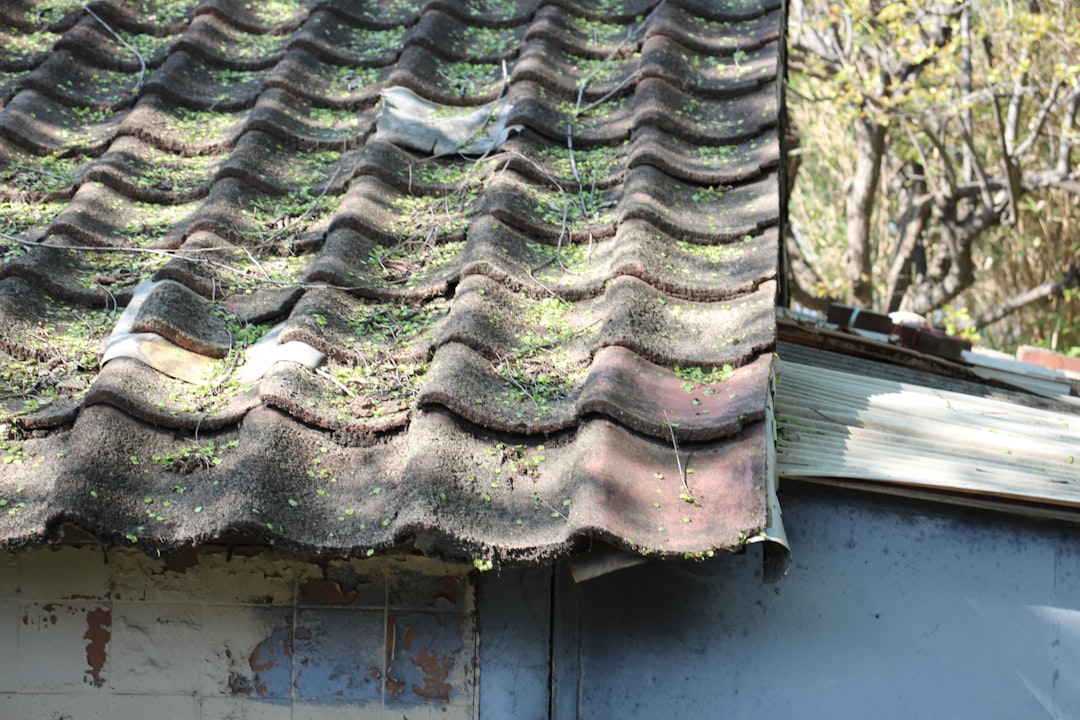
Insurance Claim Roofers: Your Complete Guide from a Contractor Who's Been There
I've been installing and repairing roofs in Texas for over 15 years. I've completed more than 2,000 roofing projects. I hold GAF Master Elite certification and Owens Corning Platinum Preferred status. I've helped hundreds of homeowners navigate insurance claims after storms. This experience taught me what really matters when your roof gets damaged. This article exists because I've seen too many homeowners struggle with insurance claims. They feel confused and overwhelmed after storm damage. They don't know who to trust or what steps to take. This guide solves that problem. It gives you clear, actionable information from someone who's been on your roof. I gathered this knowledge from real customer projects across Texas. I studied insurance company requirements and building codes. I tested different materials in our Texas climate. My recommendations come from hands-on experience, not just theory. This guide will save you time, money, and stress. Let's get started.
Understanding Insurance Claim Roofers: What They Really Do
Insurance claim roofers specialize in storm damage repairs covered by insurance. They understand both roofing and insurance processes. These professionals help you get full coverage for necessary repairs. They work directly with your insurance adjuster. They document damage thoroughly for your claim. They know what insurance companies require for approval. This expertise makes the entire process smoother for homeowners.
The Role of a Claim Specialist Roofer
A claim specialist does more than just install shingles. They serve as your advocate throughout the insurance process. They conduct detailed inspections using proper documentation methods. They identify all storm-related damage, even hidden issues. They prepare comprehensive estimates that meet insurance requirements. They communicate directly with your insurance adjuster. They ensure repairs follow local building codes and manufacturer specifications. This comprehensive approach protects your investment.
When You Need an Insurance Claim Roofer
You need a specialized roofer after specific weather events. Hail storms often cause granule loss and bruising on shingles. High winds can lift and tear shingles from your roof. Heavy rain may reveal existing weaknesses in your roofing system. Fallen trees or branches create immediate repair needs. Ice dams in winter can damage roof edges and gutters. Any visible damage after a storm warrants professional inspection. Don't wait until leaks develop inside your home.
The Insurance Claim Process: Step-by-Step Guide
The insurance claim process follows specific steps every homeowner should know. Understanding this process helps you avoid common pitfalls. It ensures you receive fair compensation for storm damage. Follow these steps carefully for best results.
Step 1: Initial Damage Assessment
Start with a thorough visual inspection from ground level. Look for missing or damaged shingles on your roof. Check gutters for granule accumulation from asphalt shingles. Examine downspouts for similar debris. Document everything with clear photographs from multiple angles. Take close-up shots of damaged areas. Include wider shots showing damage location on the roof. Note the date and time of your inspection. Contact a reputable insurance claim roofer for professional assessment.
Step 2: Contacting Your Insurance Company
Notify your insurance company promptly after discovering damage. Most policies require timely notification of claims. Provide basic information about the damage during your initial call. Ask about your policy's specific requirements for storm damage claims. Request information about your deductible amount and coverage limits. Inquire about the timeline for adjuster assignment. Keep detailed records of all communications with your insurer. Get claim numbers and adjuster contact information in writing.
Step 3: Working with the Insurance Adjuster
The insurance adjuster represents your insurance company's interests. They assess damage and determine coverage amounts. Schedule the adjuster inspection at a time when your roofing contractor can attend. Having both professionals present prevents misunderstandings. Your roofer can point out damage the adjuster might miss. They can explain technical aspects of necessary repairs. This collaboration often results in more accurate damage assessments. Remember that adjusters work for the insurance company, not for you.
Step 4: Understanding Your Settlement
Insurance settlements typically include two payment amounts. Actual Cash Value (ACV) represents the depreciated value of your roof. Replacement Cost Value (RCV) covers the full cost of replacement. Most policies pay ACV initially, then RCV after completion. Your deductible applies to the total claim amount. Review the adjuster's estimate line by line with your roofer. Ensure all necessary repairs appear on the estimate. Compare material specifications with what your roofer recommends. Address any discrepancies before beginning work.
Choosing the Right Insurance Claim Roofer
Selecting the right contractor makes all the difference in your claim experience. Not all roofers understand insurance processes equally well. Look for specific qualifications and characteristics in your chosen professional.
Essential Credentials to Verify
Always verify contractor licensing with your local municipality. Check for proper insurance coverage including liability and workers compensation. Look for manufacturer certifications from companies like GAF or Owens Corning. These certifications indicate training and quality standards. Review Better Business Bureau ratings and complaint history. Search for online reviews across multiple platforms. Ask for references from recent insurance claim projects. Verify physical business addresses, not just P.O. boxes.
Red Flags to Avoid
Be cautious of door-to-door solicitors after storms. Avoid contractors who pressure you to sign immediately. Steer clear of those who ask for full payment upfront. Question extremely low bids that seem too good to be true. Reject contractors who suggest committing insurance fraud. Avoid companies without local addresses or verifiable references. Be wary of those who can't provide proof of insurance. Question contractors who discourage you from contacting your insurance company.
Common Storm Damage Types and Repairs
Different weather events cause specific types of roof damage. Understanding these damage patterns helps during insurance claims. It ensures all issues get addressed during repairs.
Hail Damage Characteristics
Hail creates distinctive patterns on roofing materials. Look for circular bruises on asphalt shingles where granules are missing. Check for dents on metal roofing, gutters, and flashing. Examine soft metal components like vent caps for similar damage. Hail often damages roof-mounted equipment like HVAC units. It can crack clay or concrete tiles. Proper documentation requires measuring hail stone size patterns. Insurance companies have specific criteria for hail damage claims.
Wind Damage Indicators
High winds cause shingles to lift, tear, or completely detach. Look for creased or folded shingles along roof edges. Check for missing shingles, particularly in vulnerable areas. Examine flashing around chimneys and vents for separation. Look for damaged ridge caps along roof peaks. Wind often affects one side of the roof more than others. It can tear off entire sections of roofing in severe cases. Proper repairs must address both visible damage and weakened areas.
Water Damage and Leaks
Water infiltration causes the most serious long-term damage. Look for stains on ceilings or walls inside your home. Check attic spaces for moisture, mold, or rot. Examine insulation for wet spots or compression. Water often follows paths far from the original entry point. It can damage structural components over time. Proper repair requires finding the exact entry point. This often involves water testing during dry conditions.
Materials and Installation: What Insurance Should Cover
Insurance claims should cover materials that match or exceed your original roof. Understanding material specifications ensures proper coverage. It prevents downgrades that compromise your roof's performance.
Asphalt Shingle Specifications
Asphalt shingles come in different weights and warranties. Standard 3-tab shingles typically last 15-20 years. Architectural shingles offer better durability and longer warranties. Impact-resistant shingles provide better hail protection. Your insurance claim should cover equivalent or better materials. Check the shingle weight (pounds per square) in the estimate. Verify warranty terms match or exceed your original roof. Ensure proper underlayment is included in the estimate.
Proper Installation Requirements
Proper installation follows manufacturer specifications exactly. This maintains warranty coverage on materials. Installation must comply with local building codes. In Texas, this includes Texas Department of Licensing and Regulation requirements. It must also follow International Residential Code (IRC) standards. Proper nailing patterns prevent wind uplift. Correct flashing installation prevents water intrusion. Adequate ventilation protects roof decking and shingles. These details matter for long-term performance.
Cost Considerations and Financial Protection
Understanding costs protects you financially during insurance claims. Know what expenses to expect beyond the insurance settlement. Plan for potential additional costs that might arise.
Typical Cost Ranges
Roof replacement costs vary based on multiple factors. Material choice significantly impacts total project cost. Roof complexity (valleys, dormers, pitch) affects labor requirements. Local market conditions influence pricing. In Texas, typical costs range from $350 to $700 per square (100 square feet). This translates to $8,750 to $17,500 for a 2,500 square foot roof. These are pre-insurance figures. Your out-of-pocket cost is typically your deductible amount.
Managing Your Deductible
Your deductible is your responsibility in insurance claims. Texas law prohibits contractors from waiving deductibles. This practice constitutes insurance fraud. Reputable contractors will not offer to cover your deductible. Be suspicious of anyone who suggests this arrangement. Plan for your deductible as part of your emergency fund. Some policies have different deductibles for different perils. Hurricane or windstorm deductibles might be higher. Review your policy details before storms occur.
Practical Tips from Real Projects
These tips come from hundreds of insurance claim projects I've completed. They address common questions and concerns homeowners face. Implementing these suggestions improves your claim experience.
- Create a storm damage file immediately. Keep all documents, photos, and communications in one place. This organization helps throughout the claim process.
- Take photographs before making temporary repairs. Document the original damage condition thoroughly. This provides evidence for your insurance claim.
- Make only necessary temporary repairs. Use tarps to prevent further water intrusion. Avoid permanent repairs before insurance inspection.
- Get everything in writing. Request written estimates from contractors. Get insurance communications in email or letter form.
- Understand your policy before you need it. Review coverage limits and exclusions annually. Know your responsibilities after storm damage.
- Choose local contractors with established reputations. They understand local building codes and weather patterns. They'll be available for future warranty service.
- Don't rush the decision process. Take time to evaluate multiple contractors. Compare estimates and recommendations carefully.
Frequently Asked Questions
How long do I have to file an insurance claim for roof damage?
Most insurance policies require prompt notification of damage. Texas generally allows one year from the date of loss to file claims. However, earlier notification leads to better documentation. Contact your insurance company within days of discovering damage. Delaying can complicate the claims process. It may allow additional damage to occur. Immediate action protects your rights under the policy.
Will filing a claim increase my insurance premiums?
Filing a claim may affect your premiums, but not always. Insurance companies consider multiple factors when determining rates. These include claim frequency, claim amount, and your location. A single storm damage claim might not increase premiums. Multiple claims within a short period likely will. Discuss potential impacts with your insurance agent. Remember that insurance exists for exactly this situation.
What if the insurance estimate is too low?
Insurance estimates sometimes miss necessary repairs. First, review the estimate with your roofing contractor. Identify missing items or underestimated quantities. Your contractor can provide documentation to support additional needs. Submit this documentation to your insurance company. Request a re-inspection if significant discrepancies exist. Most companies have appeal processes for disputed estimates. Your contractor can help navigate these procedures.
Can I choose any contractor for insurance work?
Yes, you have the right to choose your contractor. Insurance companies cannot require you to use their preferred vendors. However, using experienced insurance claim roofers simplifies the process. They understand insurance requirements and documentation needs. They communicate effectively with adjusters. This expertise often results in better outcomes. Always verify contractor credentials regardless of recommendations.
What happens if more damage is found during repairs?
Additional damage discovery is common during roof replacement. Contractors often find issues hidden beneath surface materials. Document any newly discovered damage with photographs. Contact your insurance adjuster immediately. Request a supplemental claim for the additional repairs. Most insurance companies have procedures for these situations. Proper documentation ensures coverage for all necessary work.
How long does the entire process typically take?
Timelines vary based on multiple factors. Simple claims with minimal damage might complete in 2-3 weeks. Complex claims with extensive damage can take 2-3 months. Weather conditions affect both inspections and repairs. Insurance company workload influences adjuster availability. Material availability impacts project scheduling. Your contractor should provide realistic timelines based on current conditions.
What warranty should I expect on the new roof?
You should receive both manufacturer and contractor warranties. Manufacturer warranties cover material defects for specified periods. These range from 25 years to lifetime coverage. Contractor warranties cover installation workmanship. These typically range from 2 to 10 years. Ensure both warranties are provided in writing. Understand what each warranty covers and excludes. Proper maintenance is often required to maintain warranty validity.
Real Project Case Studies
Case Study 1: Hail Damage in Kingwood
A Kingwood homeowner experienced significant hail damage. The insurance adjuster initially approved only partial repairs. Our detailed documentation showed damage across the entire roof surface. We provided granule loss measurements and bruise counts. The insurance company approved full replacement after review. The project used Owens Corning Duration shingles with SureNail technology. We installed proper ventilation to meet Texas heat requirements. The homeowner paid only their deductible. The new roof included enhanced wind resistance features.
Case Study 2: Wind Damage in The Woodlands
High winds tore shingles from a Woodlands home. The insurance estimate missed several damaged areas. We conducted a drone inspection of hard-to-see roof sections. The footage revealed additional lifted shingles and compromised flashing. We submitted this evidence to the insurance company. They approved a supplemental claim for the additional repairs. The project included upgraded flashing details. We installed hurricane clips for enhanced wind resistance. The final result exceeded the original insurance estimate scope.
Industry Statistics and Data
Understanding industry data helps contextualize your situation. According to the National Roofing Contractors Association, proper installation prevents most roof failures. The Insurance Information Institute reports that wind and hail cause most homeowners insurance claims. Texas leads the nation in hail damage claims annually. Properly installed architectural shingles can withstand winds up to 130 mph. Impact-resistant shingles reduce hail damage claims by up to 40%. Regular maintenance extends roof life by 25-50%. These statistics highlight the importance of quality materials and installation.
Step-by-Step Action Plan
Follow this proven method after storm damage. These steps come from successful insurance claim projects.
- Safety First: Ensure no immediate danger exists. Avoid walking on damaged roofs. Watch for downed power lines near your home.
- Document Everything: Take photographs from multiple angles. Capture both close-up and wide shots. Include date stamps on all images.
- Make Temporary Repairs: Use tarps to prevent water intrusion. Secure loose materials that could blow away. Keep receipts for temporary repair materials.
- Contact Insurance: Notify your insurance company promptly. Provide basic damage information. Request your claim number in writing.
- Research Contractors: Identify 2-3 reputable insurance claim roofers. Verify credentials and references. Schedule inspections with each.
- Attend Adjuster Meeting: Have your chosen contractor present. Point out all damage areas. Discuss repair options and materials.
- Review Estimates: Compare insurance and contractor estimates. Address discrepancies before signing contracts. Ensure all necessary work is included.
- Schedule Repairs: Coordinate timing with your contractor. Prepare your property for construction. Make arrangements for pets and children.
- Monitor Progress: Stay informed about project timeline. Address questions promptly. Conduct final walkthrough before final payment.
- Complete Documentation: Obtain all warranties in writing. Keep insurance settlement documents. File permits and inspection reports appropriately.
Conclusion: Protecting Your Home Investment
Navigating insurance claims after storm damage feels overwhelming. Having the right information makes the process manageable. Insurance claim roofers bring essential expertise to this situation. They understand both roofing systems and insurance requirements. This dual knowledge protects your interests throughout the claim process. Remember that your roof represents a significant home investment. Proper repairs maintain your home's value and protection. Don't settle for quick fixes that compromise long-term performance. Choose contractors who prioritize quality and compliance. Verify credentials and references before making decisions. Keep detailed records throughout the entire process. Your diligence ensures the best outcome for your home. Start by researching local insurance claim specialists today. Prepare before the next storm season arrives. Your proactive approach will pay dividends when you need it most.