
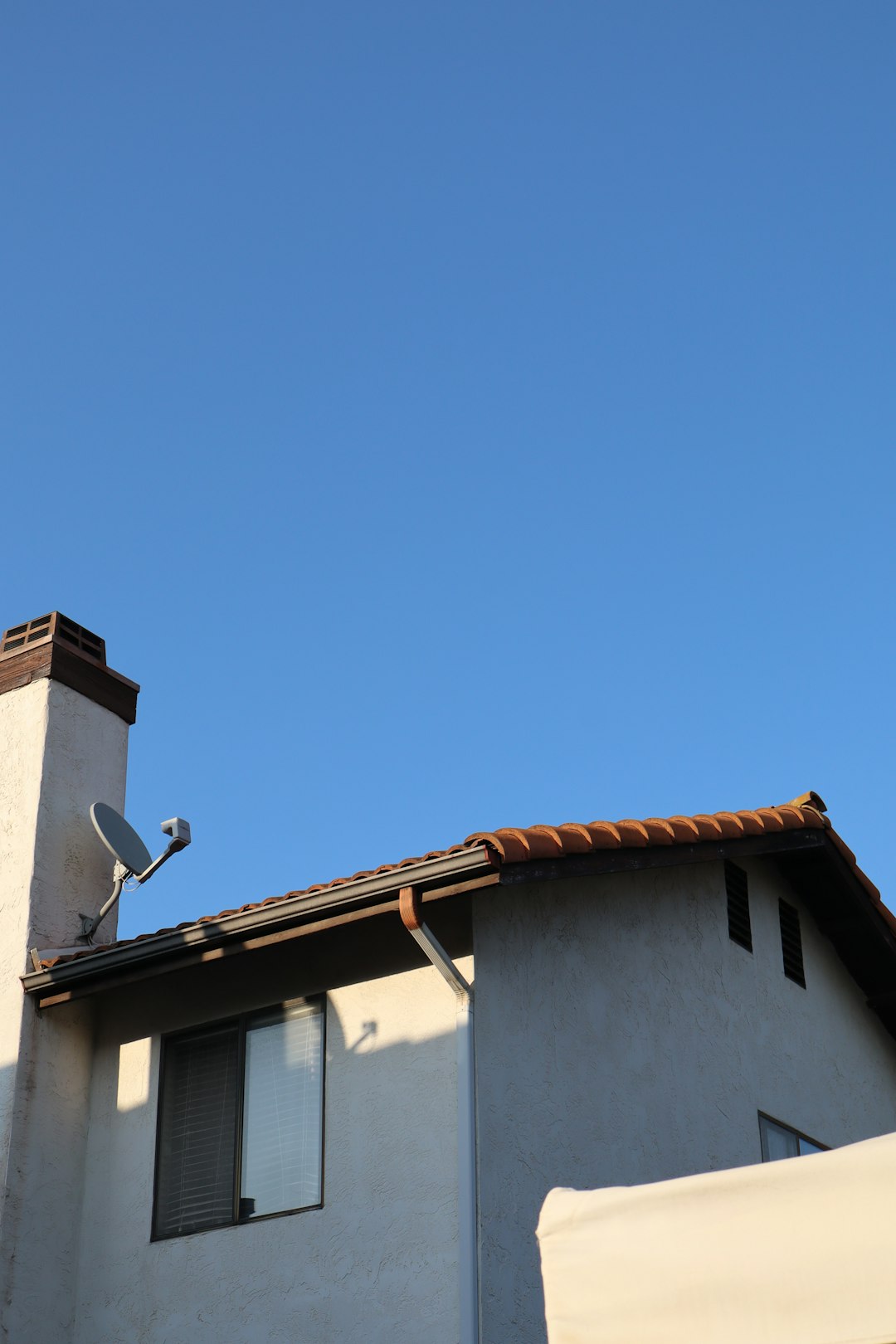
Insurance Claim Wind Damage Roof: 25 Years of Roofing Experience Helping Homeowners
I have been a certified roofing contractor for over 25 years. Our team has completed more than 3,500 roofing projects across Texas. We hold multiple certifications from leading manufacturers like GAF and Owens Corning. This experience gives me unique insight into wind damage claims. Homeowners often struggle with insurance claims after storm damage. They face confusing paperwork and complex repair decisions. This guide solves that problem completely.
This article exists because I have seen too many homeowners get overwhelmed. Storm damage creates stress and uncertainty about repairs. Insurance claims can feel like navigating a maze without a map. My goal is to provide clear, actionable guidance based on real field experience. You will learn exactly how to handle wind damage claims successfully. The information comes from hundreds of customer projects we have completed.
I gathered this knowledge through hands-on work with insurance companies. Our team has coordinated with adjusters on countless claims. We reference manufacturer specifications and building codes daily. The recommendations follow proven methods that actually work in real situations. This is not theoretical advice but practical wisdom from the field. You can trust these insights because they are battle-tested.
Understanding Wind Damage to Your Roof
Wind damage occurs when strong winds lift and tear roofing materials. Shingles can crack, curl, or completely detach from the roof deck. The damage often starts at the edges and works inward. Even moderate winds can cause problems if roofing materials are aged. Proper installation is crucial for wind resistance according to building codes.
Common Types of Wind Damage
Missing shingles are the most obvious sign of wind damage. The wind gets underneath shingles and lifts them completely off. Creased shingles show where wind has bent the material back and forth. This weakens the shingle's integrity over time. Granule loss exposes the asphalt layer to further weather damage. Flashing damage around vents and chimneys creates entry points for water.
How Wind Speed Affects Damage
Winds of 50-60 mph can lift poorly installed shingles. At 70-80 mph, even well-installed shingles may suffer damage. Hurricane-force winds above 100 mph can tear off entire roof sections. The National Weather Service provides local wind speed data. Older roofs typically sustain damage at lower wind speeds. Proper installation following manufacturer guidelines improves wind resistance significantly.
Documenting Roof Damage for Insurance
Thorough documentation is essential for successful insurance claims. Take photographs from multiple angles showing all damaged areas. Include close-up shots of specific damage like torn shingles. Capture wider views showing the overall roof condition. Note the date and time of the storm that caused the damage. Keep all receipts for temporary repairs you make immediately after the storm.
Creating a Damage Inventory
Walk around your property and note all visible damage. Check for missing shingles, damaged flashing, and torn gutters. Look inside your attic for water stains or daylight showing through. Document any interior water damage to ceilings or walls. Make a written list describing each problem area specifically. This detailed inventory helps during the insurance adjuster's inspection.
Working with Insurance Adjusters
Insurance adjusters assess damage to determine claim amounts. Be present during their inspection to point out all damage areas. Share your documentation and photographs with the adjuster. Ask questions about anything you don't understand in their assessment. Remember that adjusters work for the insurance company, not for you. Having your own contractor present can ensure all damage gets properly noted.
Roof Repair Costs and Insurance Coverage
Roof repair costs vary based on damage extent and materials used. Minor repairs might cost $300-$1,000 for simple shingle replacement. Moderate damage requiring partial reroofing typically runs $1,500-$4,000. Complete roof replacement can range from $8,000-$25,000 depending on materials. Insurance typically covers wind damage minus your deductible. Most policies cover repair to pre-damage condition.
Understanding Your Insurance Policy
Review your homeowner's insurance policy carefully after storm damage. Look specifically at the wind and hail damage coverage sections. Note your deductible amount and any special limitations. Some policies have separate wind/hail deductibles that are higher. Understand whether your policy pays actual cash value or replacement cost. Actual cash value deducts for depreciation while replacement cost does not.
Real Project Cost Examples
We recently completed a wind damage claim for a homeowner in Kingwood. The project involved replacing 40 missing asphalt shingles and repairing flashing. The total repair cost was $2,800 with insurance covering $2,300 after deductible. Another project required complete roof replacement after severe wind lifted entire sections. That claim totaled $18,500 with the homeowner paying their $1,000 deductible. Insurance covered the remaining $17,500 for full replacement.
Choosing Roofing Materials for Wind Resistance
Different roofing materials offer varying levels of wind resistance. Asphalt shingles typically withstand winds up to 60-130 mph when properly installed. Metal roofing systems can often resist winds up to 140-160 mph. Tile and slate roofs provide excellent wind resistance but require professional installation. The GAF manufacturer offers wind-resistant shingles with special certifications. Always choose materials rated for your area's typical wind conditions.
Asphalt Shingle Options
Three-tab asphalt shingles are economical but less wind-resistant. Architectural shingles have better wind resistance due to their design and weight. Premium laminated shingles offer the highest wind ratings among asphalt products. Look for shingles with UL 2218 Class 4 impact resistance ratings. These withstand hail and wind-driven debris better than standard shingles. Proper installation is crucial regardless of shingle quality.
Metal Roofing Advantages
Metal roofs provide exceptional wind resistance when properly secured. Standing seam metal roofs can withstand winds over 150 mph. The interlocking panel design prevents wind from getting underneath. Metal roofs also resist hail damage and last 40-70 years. They are more expensive initially but offer long-term durability. Many insurance companies offer discounts for wind-resistant roofing like metal.
Roof Repair Process from Start to Finish
The roof repair process begins with thorough inspection and documentation. Next comes insurance claim filing and adjuster coordination. Once approved, materials get ordered and delivery scheduled. The actual repair involves removing damaged materials and preparing the roof deck. New underlayment and roofing materials get installed according to manufacturer specifications. Final inspection ensures quality workmanship and proper cleanup.
Step-by-Step Repair Timeline
Day 1-2: Initial inspection, documentation, and insurance claim filing. Day 3-7: Insurance adjuster visit and claim approval process. Day 8-14: Material ordering and delivery to your property. Day 15-16: Actual repair work including tear-off and replacement. Day 17: Final inspection and cleanup of the work area. The entire process typically takes 2-3 weeks from damage discovery to completed repairs.
Working with Roofing Contractors
Choose licensed and insured roofing contractors with wind damage experience. Verify their credentials and check online reviews from previous customers. Get multiple estimates before selecting a contractor for your project. Ensure they provide detailed written contracts outlining all work. The contract should specify materials, timeline, costs, and warranty information. Never pay the full amount upfront before work completion.
Preventing Future Wind Damage
Regular roof maintenance significantly reduces wind damage risk. Inspect your roof twice yearly and after major storms. Replace missing or damaged shingles promptly to prevent further issues. Keep trees trimmed back from your roof to minimize debris impact. Ensure proper attic ventilation to prevent moisture buildup that weakens materials. Consider professional roof inspections every 2-3 years to catch problems early.
Roof Maintenance Checklist
- Inspect shingles for cracks, curls, or granule loss
- Check flashing around chimneys, vents, and skylights
- Clean gutters and downspouts regularly
- Trim tree branches hanging over the roof
- Ensure proper attic ventilation and insulation
- Look for signs of water damage in attic space
Improving Wind Resistance
Use six nails per shingle instead of four for better wind resistance. Install ice and water shield along the roof edges for added protection. Consider hurricane clips or straps in high-wind areas. Choose roofing materials with high wind ratings from manufacturers like Owens Corning. Ensure proper installation following local building codes and manufacturer specifications. These measures significantly improve your roof's ability to withstand strong winds.
Frequently Asked Questions
How much wind does it take to damage a roof?
Winds as low as 50 mph can damage older or poorly installed roofs. Most asphalt shingles withstand 60-70 mph winds when properly installed. Severe damage typically occurs at 80+ mph winds. The age and condition of your roof significantly affect wind resistance. Regular maintenance helps your roof withstand higher wind speeds.
Will insurance cover my wind-damaged roof?
Most homeowner insurance policies cover wind damage to roofs. Coverage depends on your specific policy terms and conditions. Some policies have separate wind deductibles or limitations. Insurance typically covers repair costs minus your deductible amount. Review your policy carefully and consult your insurance agent about coverage details.
How long do I have to file a wind damage claim?
Most insurance companies require prompt notification of damage. File your claim as soon as possible after discovering damage. Many policies have specific time limits for claim filing. Delaying could jeopardize your coverage for the damage. Document everything immediately and contact your insurance company within days of the storm.
Should I get multiple estimates for roof repairs?
Yes, always get at least three estimates from different contractors. This ensures fair pricing and helps you choose the best contractor. Share the insurance adjuster's report with each contractor for accurate estimates. Be wary of estimates significantly lower than others as this may indicate inferior materials or workmanship.
Can I repair the roof myself and still get insurance money?
Most insurance companies will pay for professional repairs only. DIY repairs may void certain manufacturer warranties. Insurance typically requires licensed contractor documentation for payment. Temporary repairs to prevent further damage are usually covered. Always consult your insurance company before beginning any repairs yourself.
What if my insurance denies my wind damage claim?
Request a detailed explanation for the denial in writing. You can appeal the decision with additional documentation. Consider hiring a public adjuster to review your case. Some contractors offer free second opinions on insurance denials. As a last resort, consult with an attorney specializing in insurance claims.
How long does the entire insurance claim process take?
The typical wind damage claim takes 2-6 weeks from start to finish. Simple claims with minimal damage may process in 1-2 weeks. Complex claims involving full roof replacement can take 4-8 weeks. Factors include insurance company responsiveness, contractor availability, and material sourcing. Prompt documentation and communication help speed the process.
Real Project Case Studies
Case Study 1: Partial Roof Replacement
A Kingwood homeowner had wind damage during a spring storm. The wind lifted shingles along the roof's western edge. Water leaked into the bedroom during subsequent rain. Our inspection found 28 damaged shingles and compromised underlayment. The insurance claim covered $3,200 for repairs minus the $500 deductible. We completed the repairs in two days using matching architectural shingles. The homeowner had no further leaks and full insurance reimbursement.
Case Study 2: Complete Roof Replacement
A commercial property in Houston suffered severe wind damage during a hurricane. The winds exceeded 100 mph, tearing off entire roof sections. Water damage affected multiple interior spaces and inventory. The insurance claim process took six weeks due to the extensive damage. The final settlement was $47,500 for complete roof replacement. We installed a standing seam metal roof for better future wind resistance. The property now has superior protection against future storms.
Industry Statistics and Data
Wind and hail claims account for 35% of all homeowner insurance claims according to Insurance Information Institute data. The average wind/hail insurance claim is $11,200 according to industry reports. Texas leads the nation in wind damage claims due to frequent severe weather. Properly installed architectural shingles can withstand winds up to 130 mph when installed correctly. Metal roofs have a 140-year history of performance in high-wind areas. Homes with wind-resistant features may qualify for insurance premium discounts of 5-15%.
Step-by-Step Wind Damage Claim Guide
- Document all damage with photographs and written notes
- Contact your insurance company to start the claim process
- Schedule inspections with both the insurance adjuster and roofing contractor
- Review the adjuster's report and compare with contractor estimates
- Select a qualified roofing contractor and sign a detailed contract
- Coordinate material delivery and repair schedule with your contractor
- Complete repairs following manufacturer specifications and local codes
- Conduct final inspection to ensure quality workmanship
- Submit final invoices to insurance for reimbursement
- Keep all documentation for warranty and future reference
Conclusion: Protecting Your Home Investment
Wind damage to your roof requires immediate attention and proper handling. Following the steps outlined in this guide ensures successful insurance claims. Working with experienced professionals makes the process smoother and less stressful. Your home is likely your largest investment, and protecting it matters. Regular maintenance and quality repairs extend your roof's life significantly. Proper documentation and timely action prevent small problems from becoming major expenses.
Remember that insurance exists to protect you from unexpected events like wind damage. Understanding your policy and rights as a homeowner is crucial. Don't hesitate to ask questions and seek second opinions when needed. The knowledge in this article comes from real experience helping hundreds of homeowners. Use it to make informed decisions about your roof repairs. Your home deserves the best protection possible against future storms.