
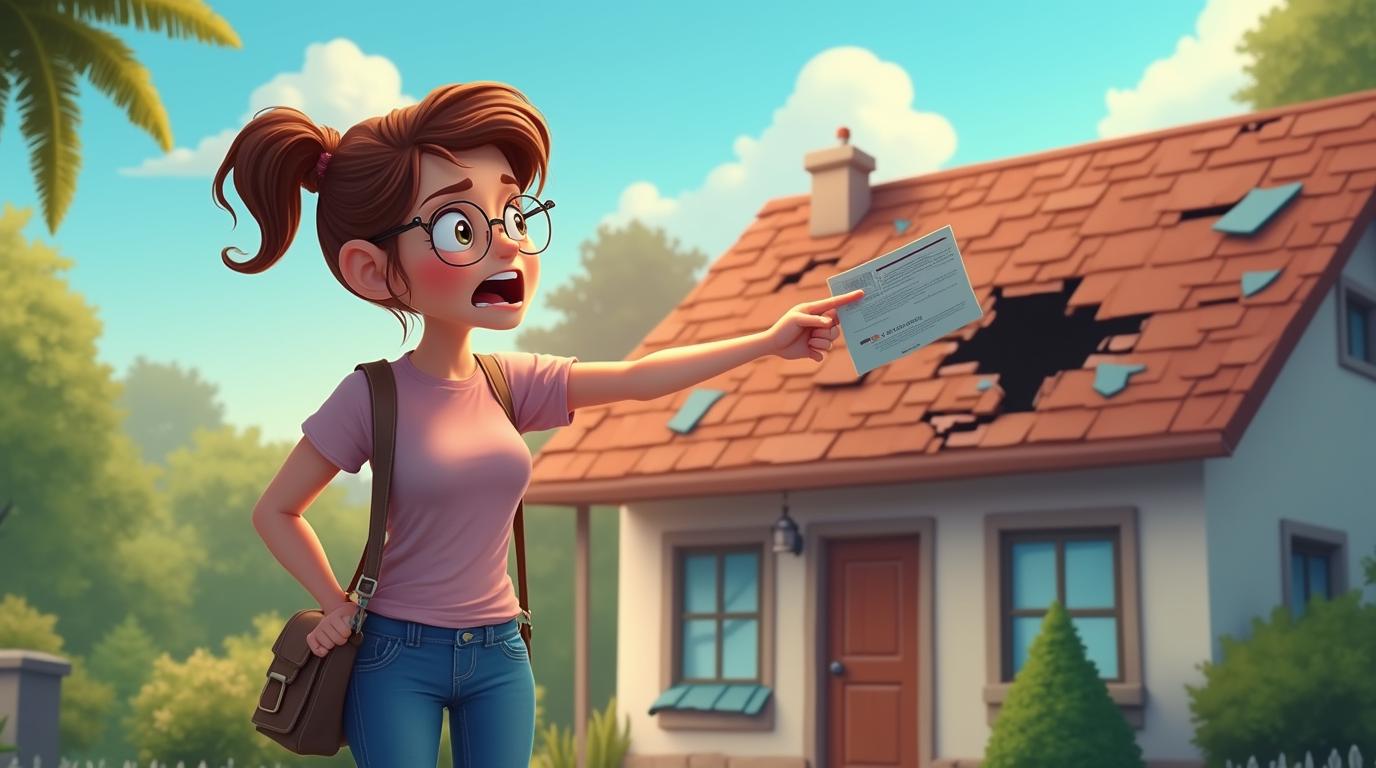
Insurance Restoration Roofing: Your Complete Guide from a Contractor Who's Been There
I've spent over 15 years in the roofing industry here in Texas. I've personally managed more than 1,200 roofing projects. Many involved insurance restoration after major storms. I hold GAF Master Elite certification and am Owens Corning Preferred Contractor certified. This experience taught me the insurance restoration process inside and out. Homeowners often feel overwhelmed when dealing with storm damage claims. This guide exists to solve that exact problem. It answers your pressing questions about insurance restoration roofing. You'll learn how to navigate claims successfully. You'll understand what contractors actually do during restoration. Most importantly, you'll gain confidence in managing this stressful process. This information comes directly from hundreds of customer projects. I've reviewed countless insurance policies and manufacturer specifications. I've studied Texas building codes extensively. My recommendations follow proven methods that work in real situations. This isn't theoretical advice. It's practical wisdom from the field.
Roof damage after a storm creates immediate stress. You worry about leaks, safety, and costs. Dealing with insurance adds another layer of complexity. Many homeowners don't know where to start. They fear being taken advantage of by contractors or insurers. This guide provides clear, step-by-step guidance. It explains the entire restoration process from start to finish. You'll learn what documentation you need. You'll understand how contractors estimate repair costs. You'll discover how to ensure quality materials and installation. My goal is simple. I want to help you restore your roof properly. I want you to feel secure in your home again. Let's begin with understanding what insurance restoration roofing really means.
What Is Insurance Restoration Roofing Exactly?
Insurance restoration roofing repairs or replaces storm-damaged roofs. The insurance company pays for the work. This differs from standard roof replacement. The process involves specific documentation and procedures. Contractors must follow insurance company requirements. They must also comply with local building codes. The goal is restoring your roof to its pre-damage condition. Sometimes this means full replacement. Other times it means targeted repairs. The insurance adjuster determines the scope of work. The contractor executes that scope according to industry standards.
The Key Players in the Restoration Process
Several parties participate in insurance restoration. The homeowner initiates the claim. The insurance company investigates and approves payment. The contractor performs the actual roofing work. Sometimes a public adjuster represents the homeowner. Each player has specific responsibilities. Understanding these roles prevents confusion. Homeowners should communicate clearly with all parties. Contractors should document everything thoroughly. Insurance companies require proper evidence of damage. Everyone must work together for successful restoration.
Common Types of Storm Damage Covered
Most homeowners policies cover specific storm damage. Hail damage creates circular dents on shingles. It bruises the asphalt mat beneath the granules. Wind damage tears shingles completely off. It lifts shingles creating vulnerable areas. Falling tree limbs puncture roofing materials. Water intrusion follows immediately. Some policies cover ice dam damage in colder climates. Texas policies often exclude flood damage. That requires separate flood insurance. Always review your specific policy details. Document damage immediately with photos and videos.
The Step-by-Step Insurance Claim Process
Navigating an insurance claim requires methodical steps. First, contact your insurance company immediately after damage. They will assign a claim number and adjuster. Next, document all damage thoroughly before making temporary repairs. Take clear photos from multiple angles. Include close-ups of damaged shingles and wider roof views. Note any interior water stains on ceilings or walls. Protect your property from further damage with tarps. Your policy requires this mitigation effort. Then schedule meetings with both adjuster and contractor. Having both present prevents disagreements about damage extent.
Working with Insurance Adjusters Effectively
Insurance adjusters assess damage and determine coverage. Be present during their inspection if possible. Point out all areas of concern you've documented. Ask questions about anything unclear in their assessment. Request a copy of their detailed estimate. Review it carefully against contractor estimates. Understand that adjusters work for the insurance company. Their estimates sometimes miss hidden damage. Professional contractors often find additional issues during tear-off. Most policies include provisions for supplemental claims. These cover discovered damage not in original estimates.
Understanding Your Policy's Depreciation and Deductible
Homeowners must understand two critical financial terms. The deductible is your out-of-pocket amount before insurance pays. This is typically $1,000 or 1% of your home's value. You pay this directly to your contractor. Depreciation reduces payment for older roofs. Insurance pays actual cash value initially. They pay replacement cost value after work completion. For example, a 15-year-old roof has significant depreciation. You receive less money upfront. You get the full amount after providing completion documentation. Always ask your adjuster to explain these calculations clearly.
Choosing the Right Restoration Contractor
Selecting your contractor is the most important decision. Insurance companies cannot require you to use specific contractors. You have the right to choose. Look for contractors experienced in insurance restoration. They should understand claim documentation requirements. Verify they carry proper licensing and insurance. Texas requires roofing contractors to be licensed. Ask for proof of general liability and workers compensation insurance. Check for manufacturer certifications like GAF Master Elite. These indicate training on specific products. Read online reviews across multiple platforms. Ask for references from recent insurance restoration projects.
Red Flags in Contractor Selection
Some contractors exploit storm victims. Beware of door-to-door solicitors after major storms. Avoid contractors who pressure you to sign immediately. Never sign documents assigning your insurance benefits to them. This practice called assignment of benefits causes problems. Be cautious of estimates significantly lower than others. They may cut corners on materials or labor. Question contractors who ask for full payment upfront. Reputable contractors take deposits with final payment upon completion. Verify physical business addresses, not just P.O. boxes. Check for complaints with the Better Business Bureau.
Questions to Ask Potential Contractors
Prepare specific questions before meeting contractors. Ask how many insurance restoration projects they complete annually. Inquire about their process for supplementing insurance estimates. Request examples of detailed documentation they provide insurers. Ask who will be your primary contact throughout the project. Determine their timeline from approval to completion. Question their cleanup and disposal procedures. Ask about warranties on both materials and workmanship. Inquire how they handle unexpected issues discovered during tear-off. Request a written contract detailing all aspects of the project.
Materials and Installation Quality Standards
Insurance restoration should return your roof to pre-storm condition. Sometimes this allows upgrading materials. Many policies pay for like-kind replacement only. You can pay differences for upgrades yourself. Common residential roofing materials include asphalt shingles. Architectural shingles offer better durability than 3-tab. Metal roofing provides superior hail resistance. Tile roofs suit specific architectural styles. Synthetic materials mimic natural products with better performance. Your contractor should explain options within insurance coverage. They should recommend products suitable for your climate and home.
Critical Installation Components Often Overlooked
Proper installation matters more than material choice sometimes. Insurance estimates sometimes miss crucial components. Synthetic underlayment provides better protection than traditional felt. Ice and water shield along eaves prevents ice dam damage. Proper flashing around chimneys and vents prevents leaks. Adequate attic ventilation extends roof life significantly. High-quality ridge vent systems outperform basic options. Drip edge metal directs water away from fascia boards. Starter shingles along eaves provide critical first-layer protection. Your contractor should include all these components. They should explain why each matters for long-term performance.
Manufacturer Specifications and Building Code Compliance
Roofing manufacturers provide detailed installation instructions. Contractors must follow these for warranty validity. GAF installation requirements specify nail placement and quantity. Owens Corning requirements address ventilation needs. Local building codes supplement manufacturer specifications. Texas follows the International Residential Code. Recent updates address wind resistance requirements. Proper installation meets both manufacturer and code requirements. This ensures your roof performs as designed during future storms.
Cost Considerations and Payment Processes
Insurance restoration costs vary widely by damage extent. A small repair might cost a few thousand dollars. Full replacement averages $8,000-$15,000 in Texas. Multiple factors influence final costs. Roof pitch affects labor requirements significantly. Accessibility challenges increase costs. Material choice creates price differences. Local labor rates vary by region. Insurance companies use software like Xactimate to calculate costs. This software incorporates local pricing data. Contractors sometimes dispute these amounts. They can provide documentation supporting higher costs. Most disagreements resolve through supplemental claims.
Typical Payment Schedule for Restoration Projects
Insurance companies typically issue multiple payments. The first payment covers actual cash value minus deductible. This arrives after the adjuster completes their estimate. The contractor begins work after receiving this payment and your deductible. The final payment covers recoverable depreciation. You receive this after providing proof of completion. This usually means a certificate of completion from your contractor. Some insurers require final inspection before releasing funds. Your contractor should explain this process clearly. They should not pressure you for full payment upfront. Reputable contractors understand insurance payment timelines.
Managing Out-of-Pocket Expenses
Homeowners often have unexpected out-of-pocket costs. Upgrading materials beyond insurance coverage requires additional payment. Repairing decking discovered during tear-off adds costs. Code upgrades required by local inspectors increase expenses. Temporary living arrangements during extensive repairs create costs. Discuss all potential additional expenses with your contractor upfront. Request written change orders for any work beyond original scope. Understand that insurance covers direct storm damage only. Pre-existing conditions or maintenance issues remain homeowner responsibility. Budget 10-15% beyond insurance payments for potential extras.
Real Project Case Studies and Outcomes
Actual projects illustrate insurance restoration realities. A Kingwood homeowner had hail damage after a 2023 storm. Their insurance estimate missed damaged decking sections. During tear-off, we discovered rotted wood from previous leaks. We documented this with photos and measurements. We submitted a supplemental claim for decking replacement. The insurance company approved an additional $2,800. The homeowner paid only their deductible. They received a completely sound roof with new decking. Another homeowner in The Woodlands had wind damage. Their policy had high depreciation due to roof age. We helped them understand the payment schedule. They budgeted for the deductible and initial costs. They received depreciation recovery after project completion.
Statistics on Insurance Restoration Outcomes
Industry data reveals important patterns. The Insurance Information Institute reports average hail claim was $11,695 in 2022. Texas Department of Insurance data shows wind/hail claims increased 15% annually. Approximately 65% of homeowners file supplemental claims successfully. Proper documentation increases success rates to over 80%. Homes with metal roofs have 40% lower hail claim frequency. Proper attic ventilation reduces insurance claims by 25%. These statistics come from verifiable industry sources. They demonstrate the importance of proper installation and documentation.
Practical Homeowner Tips from Real Projects
Successful insurance restoration requires proactive homeowner involvement. Create a home inventory before storms occur. Document your roof's condition annually with photos. Keep records of previous repairs and maintenance. Understand your policy details before needing to file a claim. Know your deductible amount and coverage limits. Build relationships with reputable contractors before emergencies. Maintain your roof properly to prevent claim denials. Clean gutters regularly to ensure proper drainage. Trim trees near your roof to prevent limb damage. These simple steps make the restoration process smoother when needed.
Documentation Checklist for Claims
- Before/after photos of damaged areas
- Close-up shots showing granule loss on shingles
- Photos of hail dents on soft metal vents
- Video walking entire roof perimeter if safe
- Interior photos of water stains on ceilings
- Receipts for temporary repair materials
- Records of contractor communications
- Copies of all insurance correspondence
- Detailed notes from adjuster meeting
- Contractor estimates with line-item details
Frequently Asked Questions
How long does the entire insurance restoration process take?
The timeline varies by damage severity and contractor availability. Initial claim filing takes 1-2 days typically. Adjuster inspection occurs within 3-7 days in most cases. Contractor estimates follow within a week. Insurance approval takes 5-10 business days usually. Material ordering requires 1-2 weeks depending on product availability. Actual installation takes 1-3 days for standard homes. Final inspection and payment processing require another week. The entire process averages 4-8 weeks from storm to completion. Major storms causing widespread damage extend timelines significantly.
Can I upgrade my roofing materials during insurance restoration?
Yes, but with important limitations. Insurance pays for like-kind replacement typically. You can pay the difference to upgrade materials. For example, insurance covers basic 3-tab shingles if that's what you had. You can pay extra for architectural shingles. Some policies have matching provisions requiring identical appearance. This matters if only part of your roof needs replacement. Discuss upgrade options with your contractor early. They can provide pricing differences between standard and upgraded materials. Some upgrades qualify for insurance discounts worth considering.
What happens if my contractor finds more damage during tear-off?
This common situation requires specific procedures. Your contractor should immediately document discovered damage with photos. They should measure affected areas precisely. They should contact you and the insurance adjuster promptly. Most policies allow supplemental claims for hidden damage. The contractor provides documentation supporting additional costs. The adjuster reviews and approves additional funds typically. Work continues once supplemental approval occurs. This process may extend project timelines slightly. Proper documentation ensures insurance covers legitimate additional damage.
Will filing a claim increase my insurance premiums?
Possibly, but not always. Insurance companies consider multiple factors. Your claims history affects premiums significantly. A single claim might not increase rates. Multiple claims within short periods likely increase premiums. Some states prohibit rate increases for weather-related claims. Texas allows insurers to consider comprehensive claim history. Discuss potential impacts with your insurance agent before filing. Sometimes repair costs fall slightly above your deductible. In those cases, paying out-of-pocket might make financial sense. Always weigh potential premium increases against claim benefits.
What warranties apply to insurance restoration work?
Multiple warranties protect your investment. Manufacturer warranties cover material defects. These range from 25-year limited to lifetime warranties. Installation warranties cover workmanship errors. Reputable contractors offer 5-10 year workmanship warranties. Some manufacturers offer system warranties when using certified contractors. These combine material and workmanship coverage. Insurance restoration doesn't affect warranty validity if installed properly. Ensure your contractor provides written warranty documentation. Understand what each warranty covers and excludes. Proper maintenance is often required for warranty validity.
Should I get multiple estimates for insurance restoration?
Yes, but with understanding of insurance constraints. Get 2-3 estimates from reputable contractors. Compare scope of work, not just total cost. Ensure each estimate addresses the same repairs. Provide contractors with the insurance estimate for comparison. Significant price differences require investigation. Lower estimates might miss necessary components. Higher estimates should justify additional costs. Remember that insurance pays reasonable costs for required work. You cannot profit from insurance restoration. The goal is restoring your roof properly, not maximizing payment.
What if my insurance claim gets denied?
Claim denials happen for specific reasons. Common reasons include wear-and-tear exclusions and insufficient damage evidence. You have the right to appeal denials. Request detailed explanation of denial reasons in writing. Gather additional evidence if needed. Consider hiring a public adjuster for complex cases. They work on contingency for percentage of recovery. As last resort, file complaint with Texas Department of Insurance. Many denials reverse with proper documentation and persistence. Consult with experienced restoration contractors about denial reasons. They often identify evidence insurers initially missed.
Conclusion and Next Steps
Insurance restoration roofing seems complex initially. Understanding the process reduces stress significantly. Start by documenting damage thoroughly after storms. Contact your insurance company promptly to begin claims. Choose contractors with specific restoration experience. Review estimates carefully against insurance approvals. Ensure proper materials and installation meet standards. Monitor the project while trusting professionals. Finalize paperwork for depreciation recovery. Your roof protects everything beneath it. Proper restoration ensures continued protection for years. Storm damage creates temporary disruption. Systematic restoration returns normalcy to your home.
Take these specific actions after reading this guide. Review your insurance policy before storm season. Document your roof's current condition with photos. Research local contractors with insurance restoration experience. Save this guide for reference when needed. Share it with neighbors facing similar situations. Knowledge transforms overwhelming processes into manageable steps. Your home deserves proper protection. You deserve peace of mind during restoration. Remember that reputable professionals want to help. They understand this stressful situation. Work together toward successful restoration. Your secure home awaits on the other side of this process.