
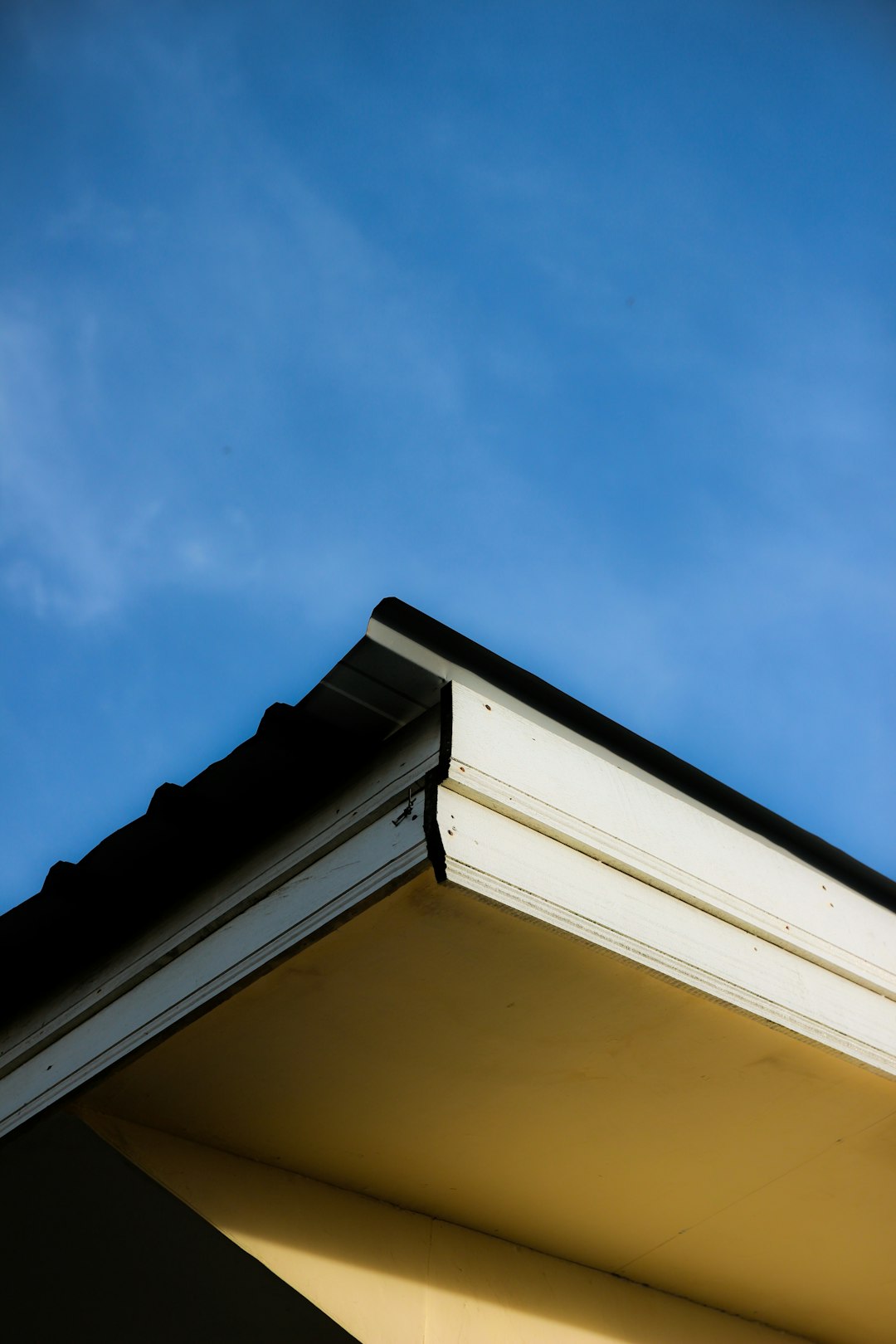
Insurance Storm Damage Roof Claims: A 20-Year Contractor's Complete Guide
I've spent over two decades in the roofing industry here in Texas. I've personally supervised more than 3,500 roofing projects. I hold GAF Master Elite certification and am Owens Corning Preferred Contractor certified. I've seen every type of storm damage imaginable. This article exists because I've watched too many homeowners struggle with insurance claims after storms. They face confusing paperwork, adjuster visits, and repair decisions. This guide solves that problem. It answers your real questions about navigating insurance claims for storm-damaged roofs. I gathered this information from thousands of customer projects. I studied manufacturer specifications and local building codes. My recommendations come from field-tested methods that actually work for homeowners.
Understanding Storm Damage and Your Insurance Policy
Storm damage to roofs comes in many forms. Hail creates circular dents on shingles. Wind lifts and tears shingles from roof decks. Falling trees cause structural damage. Water infiltration leads to interior leaks. Each type requires different documentation for insurance. Your homeowner's insurance policy is a contract. It defines what damage is covered. Most policies cover "sudden and accidental" events like storms. They typically exclude wear and tear or maintenance issues.
What Insurance Typically Covers
Insurance usually covers hail damage to roofing materials. It covers wind damage that removes shingles. It covers damage from fallen trees or branches. It covers water damage from storm-related leaks. Most policies include matching provisions for undamaged sections. They help maintain your home's uniform appearance. Always review your specific policy declarations page. Understand your deductible amount before filing a claim.
Common Exclusions and Limitations
Insurance does not cover pre-existing damage. It excludes wear and tear from age. It typically doesn't cover cosmetic damage without functional impairment. Some policies have separate wind/hail deductibles. These are often percentage-based rather than flat fees. Many policies exclude certain storm types like hurricanes. Check your policy for specific exclusions in your region.
The Step-by-Step Insurance Claim Process
Navigating insurance claims requires a systematic approach. Follow these steps in order. Do not skip any steps. Proper documentation is crucial for claim approval.
Step 1: Initial Damage Assessment and Safety
First, ensure everyone is safe after the storm. Do not climb on a damaged roof yourself. This is dangerous and could cause further damage. Document visible damage from ground level. Take clear photographs of damaged areas. Include wide shots showing the entire roof. Take close-ups of specific damage. Note the date and time of the storm. Record weather reports for your area. Contact a licensed roofing contractor for professional assessment.
Step 2: Contacting Your Insurance Company
Notify your insurance company promptly after damage occurs. Most policies require timely notification. Provide basic information about the damage. Do not provide detailed estimates at this stage. Simply report that storm damage has occurred. Request an adjuster inspection. Ask about your specific claim process. Inquire about temporary repair coverage if you have leaks. Many policies cover emergency tarping to prevent further damage.
Step 3: The Adjuster Inspection
The insurance adjuster will inspect your property. They represent the insurance company's interests. Be present during the inspection if possible. Have your roofing contractor present too. This ensures all damage is properly documented. Point out all areas of concern. Provide your contractor's assessment report. The adjuster will create a scope of work and estimate. This document lists what repairs insurance will cover.
Working with Roofing Contractors on Insurance Claims
Choosing the right contractor is critical. Not all roofers understand insurance claims. Look for specific qualifications and experience.
What to Look for in a Storm Damage Contractor
Choose licensed and insured contractors in your state. Verify their credentials through official channels. Look for manufacturers' certifications like GAF or Owens Corning. These indicate training on proper installation methods. Ask about their experience with insurance claims. Request references from recent storm damage projects. Check online reviews and Better Business Bureau ratings. Avoid contractors who pressure you to sign immediately.
The Contractor's Role in Your Claim
A good contractor helps document damage thoroughly. They provide detailed estimates for repairs. They communicate with your insurance adjuster professionally. They explain technical aspects in simple terms. They help ensure all damage is included in the claim. They can identify hidden damage that adjusters might miss. They provide quality workmanship that meets building codes. They handle necessary permits and inspections.
Common Types of Storm Damage and Repair Solutions
Different storms cause different damage patterns. Understanding these helps with proper documentation.
Hail Damage: Identification and Repair
Hail damage appears as circular bruises on asphalt shingles. It knocks off protective granules. This exposes the asphalt layer underneath. Hail can crack fiberglass matting within shingles. It damages metal flashing and vents. Hail-damaged shingles often fail prematurely. Repair typically requires complete roof replacement. Partial repairs rarely match properly. Modern impact-resistant shingles can withstand hail better. Consider upgrading during insurance-covered replacement.
Wind Damage: Patterns and Solutions
Wind damage shows as lifted or missing shingles. It often starts at roof edges and corners. Wind creates creases in shingle tabs. It tears shingles completely off roof decks. Wind damage frequently exposes underlying felt or decking. Repair involves replacing damaged shingles. It requires proper nailing patterns to prevent recurrence. High-wind rated shingles perform better in storm-prone areas. Proper installation is crucial for wind resistance.
Cost Considerations and Payment Processes
Understanding costs prevents surprises. Insurance claims involve specific payment procedures.
Typical Cost Ranges for Storm Damage Repairs
Complete roof replacement costs vary by material and size. Asphalt shingle roofs typically cost $5,000-$15,000. Metal roofs range from $10,000-$25,000. Tile roofs can cost $15,000-$30,000. These are Texas averages for typical homes. Your actual costs depend on roof complexity. Steep roofs cost more than low-pitch roofs. Multiple roof levels increase labor costs. Insurance deductibles are your responsibility. Upgrades beyond basic replacement cost extra.
How Insurance Payments Work
Insurance companies typically issue two payments. The first payment covers actual cash value minus deductible. This payment arrives after adjuster approval. The second payment covers replacement cost value. It comes after work completion and final documentation. Some companies issue a single payment. This depends on your specific policy terms. Never sign over insurance checks to contractors upfront. Reputable contractors understand proper payment procedures.
Material Choices for Storm-Damaged Roof Replacement
Storm damage presents an opportunity to upgrade materials. Consider these options during insurance-covered replacement.
Impact-Resistant Shingles
Impact-resistant shingles withstand hail better than standard shingles. They carry UL 2218 Class 4 ratings. This is the highest impact resistance rating. These shingles often qualify for insurance discounts. They cost 10-25% more than standard shingles. The investment pays off in storm-prone areas. Major manufacturers like GAF and Owens Corning offer impact-resistant lines.
Metal Roofing Options
Metal roofs offer excellent storm resistance. They withstand hail, wind, and fire exceptionally well. Standing seam metal roofs have no exposed fasteners. This prevents wind uplift issues. Metal roofs last 40-70 years with proper maintenance. They reflect solar heat, reducing cooling costs. Initial costs are higher than asphalt shingles. Long-term durability often justifies the investment.
Preventive Measures and Maintenance After Repairs
Proper maintenance extends your new roof's life. These practices minimize future storm damage.
Regular Roof Inspections
Schedule professional inspections twice yearly. Spring and fall are ideal times. Inspect after any major storm event. Look for missing or damaged shingles. Check flashing around chimneys and vents. Ensure gutters are clear and properly attached. Trim overhanging tree branches regularly. Document maintenance activities for insurance purposes.
Addressing Vulnerable Areas
Roof valleys channel water during storms. Ensure they're properly sealed and protected. Flashing around roof penetrations needs regular inspection. Soffit and fascia boards should be in good condition. Proper attic ventilation prevents ice dams in winter. Adequate insulation maintains consistent roof temperatures.
Frequently Asked Questions About Storm Damage Claims
How long do I have to file a storm damage claim?
Most policies require prompt notification after damage discovery. Texas law doesn't specify exact time limits. However, delaying can complicate documentation. Storms fade from community memory. Adjusters become skeptical of delayed claims. File within weeks, not months, of the storm event. Document the storm date with weather service reports.
Will filing a claim increase my insurance rates?
Single claims for legitimate storm damage rarely increase rates. Multiple claims within short periods might trigger increases. Insurance companies consider claim frequency. They also consider your location's storm history. Discuss potential impacts with your agent before filing. Remember that unrepaired damage poses greater risks than potential rate increases.
What if my insurance denies my claim?
Request a detailed denial explanation in writing. Insurance must specify reasons for denial. Common reasons include pre-existing damage or wear and tear. You can request a second adjuster opinion. Provide additional documentation from your contractor. Consider hiring a public adjuster for complex cases. They work for you, not the insurance company.
Should I get multiple estimates before filing a claim?
Get one professional assessment from a reputable contractor. Multiple estimates aren't necessary initially. The insurance adjuster creates their own estimate. Your contractor's estimate supports your claim's validity. Getting multiple estimates delays the process unnecessarily. Choose one trusted contractor to work with throughout.
Can I repair only the damaged section of my roof?
Partial repairs are possible but often problematic. Matching aged shingles is difficult. Color variations become obvious over time. Most insurance policies include matching provisions. These require complete replacement if matching is impossible. Partial repairs might compromise roof integrity. Complete replacement often provides better long-term value.
What documentation do I need for my claim?
Collect before-and-after photographs of your roof. Take pictures from multiple angles. Document interior damage from leaks. Keep receipts for temporary repairs like tarping. Save weather reports for the storm date. Maintain your roof's maintenance records. Provide your contractor's detailed assessment report. Organize all documents chronologically for easy reference.
How long does the entire claims process take?
Simple claims typically resolve within 30-60 days. Complex claims with disputes can take months. The adjuster inspection usually occurs within 1-2 weeks. Insurance payment follows within 1-2 weeks after approval. Contractor scheduling depends on their workload after storms. Complete installation takes 1-3 days for most homes. Final inspections and documentation complete the process.
Real Project Case Studies and Outcomes
Case Study 1: Hail Damage in Kingwood
A 2019 hailstorm damaged numerous Kingwood homes. One client had 15-year-old architectural shingles. Hail created widespread bruising and granule loss. The insurance adjuster initially approved only partial repair. We documented matching impossibility with shingle samples. We provided manufacturer statements about discontinued colors. The insurance company approved complete roof replacement. We installed impact-resistant shingles with upgraded underlayment. The homeowner received a 15% insurance discount on their renewal.
Case Study 2: Wind Damage in The Woodlands
Straight-line winds during a 2021 storm lifted shingles. The damage appeared minimal from ground level. Our inspection revealed compromised flashing and decking. Water had infiltrated the attic space. The adjuster missed these hidden issues initially. We provided thermal imaging showing moisture intrusion. We documented building code requirements for proper repair. The claim expanded to include decking replacement and insulation. The final repair prevented mold growth and structural damage.
Industry Statistics and Data
Storm damage claims represent significant insurance costs. The Insurance Information Institute reports interesting data. Hail damage claims average $10,000-$15,000 nationally. Wind damage claims average $8,000-$12,000. Texas leads the nation in hail damage claims annually. Houston area experiences frequent severe weather events. Proper documentation improves claim approval rates significantly. Homes with impact-resistant roofing have 30-50% fewer claims. Regular maintenance reduces storm damage severity by up to 40%.
Conclusion: Protecting Your Home and Investment
Storm damage to your roof is stressful but manageable. Understanding the insurance process reduces anxiety. Choose qualified contractors with insurance experience. Document all damage thoroughly and promptly. Consider material upgrades during insurance-covered replacement. Regular maintenance prevents future damage. Your roof protects your entire home and family. Proper repair ensures continued protection for years. Remember that you have rights as a policyholder. Don't hesitate to ask questions throughout the process. Your home deserves quality protection from Texas storms.
Next steps are simple but important. First, schedule a professional roof inspection if you suspect damage. Choose a licensed, insured contractor with good references. Review your insurance policy to understand coverage details. Document any visible damage with photographs. Contact your insurance company to begin the claims process. Work collaboratively with your contractor and adjuster. Make informed decisions about materials and repairs. Your proactive approach ensures the best outcome for your home.