
Insurance Won't Replace Roof: A Roofing Contractor's 15-Year Perspective on Why Claims Get Denied
I've been installing and repairing roofs across Texas for over fifteen years. My team has completed more than 2,500 residential projects. We hold certifications from major manufacturers like GAF and CertainTeed. This article exists because I've sat with hundreds of frustrated homeowners. They held insurance policies they believed would cover a new roof. Yet, they received a denial letter stating their claim was not approved. This creates financial stress and confusion during an already difficult time after storm damage. My purpose here is to give you the clear, honest information you need. I will explain the real reasons behind insurance denials from the contractor's side of the table. This knowledge can help you prepare, document properly, and advocate for your home effectively.
The information in this guide comes directly from my experience on job sites. It is built from reviewing thousands of insurance estimates and working alongside adjusters. I have studied manufacturer installation guidelines and local building codes, like the International Residential Code (IRC). My recommendations are based on what actually works to get a roof approved and replaced. This is not theoretical advice. It is a practical roadmap developed through helping real families in Kingwood and surrounding communities navigate this complex process. My goal is to save you time, money, and immense frustration by sharing the insider knowledge most homeowners never get to see.
The Core Reason Insurance Companies Deny Roof Replacement Claims
Homeowners insurance is not a maintenance policy. This is the fundamental concept most people misunderstand. Your policy is designed to cover sudden, accidental damage. It is not meant to pay for wear and tear or deterioration from age. Insurance companies use precise language in their policies to define what is and is not covered. When an adjuster inspects your roof, they are looking for a specific, identifiable peril that caused the damage. Common covered perils include wind, hail, and falling objects. If the damage appears to be from general aging, poor installation, or lack of maintenance, the claim will likely be denied.
Wear and Tear vs. Sudden Damage
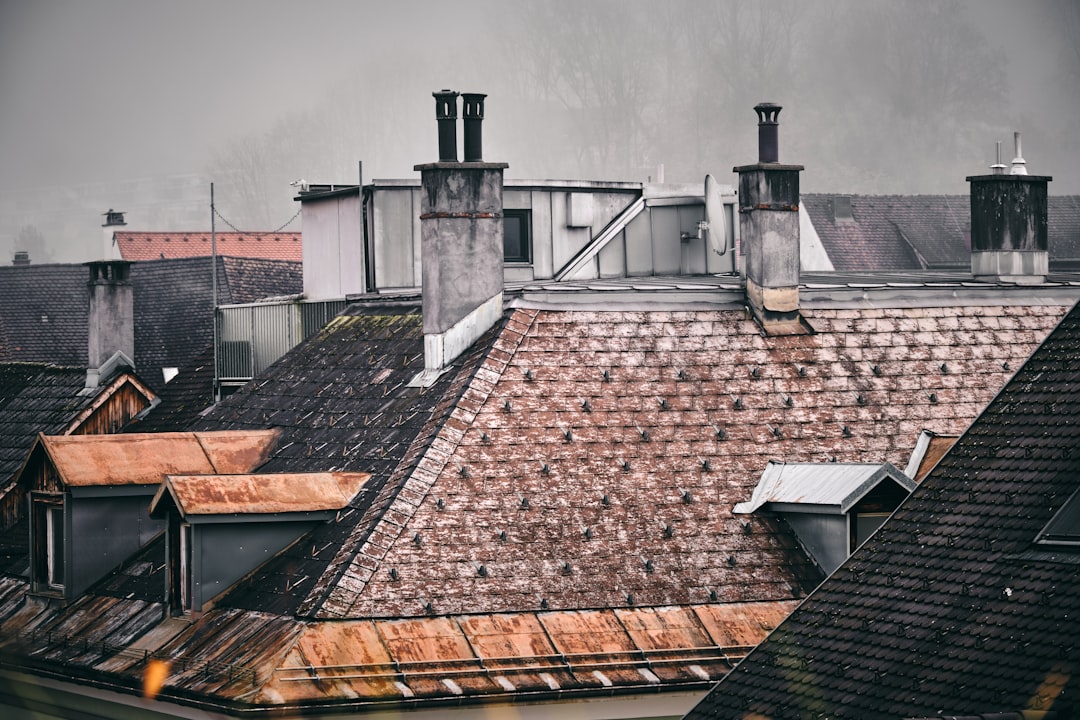
This is the most critical distinction. Wear and tear is the natural breakdown of materials over time. Sun exposure, thermal cycling, and normal weather slowly degrade shingles. This results in curling, granule loss, and brittleness. These are considered maintenance issues. Sudden damage is a single, identifiable event. A windstorm tears shingles off in a specific pattern. A hailstorm creates distinct, soft impact marks on the shingles. The adjuster must see evidence that points directly to a covered event, not just an old roof. They will often note the condition of unaffected areas. If those areas also show advanced wear, it supports a denial based on pre-existing deterioration.
The Role of Policy Language and Depreciation
Your insurance policy is a legal contract. It contains specific exclusions. Almost every policy excludes damage caused by "wear and tear, marring, deterioration." It also often excludes damage from "settling, cracking, shrinking, bulging." Understanding these exclusions is key. Furthermore, most policies use Actual Cash Value (ACV) for roofs over a certain age, typically 10 years. ACV pays the replacement cost minus depreciation. Depreciation is the loss in value due to age. For a 15-year-old roof, the depreciation can be 70% or more. The payment might only cover a small repair, not a full replacement. Some policies offer Replacement Cost Value (RCV) endorsements, but these usually have strict requirements.
How Insurance Adjusters Evaluate Roof Damage: The Contractor's View
As a contractor, I meet adjusters on roofs regularly. Their inspection follows a systematic process. First, they assess the overall condition and age of the roof. They look at the slope, materials, and installation quality. They check for proper flashing around chimneys, vents, and walls as per NRCA guidelines. Then, they search for patterned damage. Hail damage must be random and show signs of impact. Wind damage must show a directional pattern, often with lifted shingles or creased tabs. They take many photographs as evidence. If the damage is isolated, they may approve a repair. If it's widespread and matches a covered peril, they may approve a replacement. Their report goes to a desk adjuster for final review.
Documentation and Evidence: What You Need
Your evidence is crucial. Do not rely solely on the insurance company's inspection. After a storm, document everything safely. Take clear, date-stamped photos from the ground of your entire property. Photograph any visible damage to siding, gutters, or windows. If it is safe, take pictures from inside your attic showing water stains or daylight coming through. Keep all receipts for temporary repairs like tarps. Hire a reputable, licensed roofing contractor for a separate inspection. A good contractor will provide a detailed report with photos and measurements. This independent assessment can be submitted to your insurance company to support your claim. It creates a second professional opinion.
Common Specific Reasons for Roof Claim Denials
Based on my project history, these are the top reasons claims are denied. Understanding them helps you avoid pitfalls.
- Lack of Maintenance: Insurance expects you to care for your roof. Missing shingles not replaced, clogged gutters causing ice dams, and moss growth leading to decay are your responsibility. Failure to maintain can void coverage for subsequent damage.
- Previous Repairs or Improper Installation: If a roof was not installed to manufacturer specifications or local code, it may not be covered. This includes incorrect nailing, inadequate ventilation, or wrong underlayment. Insurance may deny a claim blaming faulty workmanship.
- Damage Does Not Meet the Deductible: Your policy has a deductible, often a percentage of your home's insured value. If the estimated repair cost is $5,000 and your deductible is $5,000, you receive no payment. The damage must significantly exceed your deductible.
- Pre-Existing Damage: If an adjuster finds old, unrepaired damage from a prior storm, the new claim may be denied. They argue the roof was already compromised. This is why prompt inspection after any event is vital.
- Material Defects: Sometimes, the problem is a manufacturing flaw. This is typically covered by the shingle manufacturer's warranty, not your homeowner's insurance. You must file a claim with the manufacturer, like IKO or Owens Corning.
What to Do If Your Insurance Claim Is Denied
Do not panic. A denial is not always the final word. You have rights and options. First, request a detailed copy of the adjuster's report and the denial letter. Review it carefully with your roofing contractor. Look for errors in the description of your roof or the cause of damage. Your contractor can help you understand the technical language.
Step-by-Step Appeal Process
Follow this structured approach to challenge a denial.
- Gather Compelling Evidence: Collect your contractor's independent report, all your photos, and any weather reports from the storm date (from sources like the National Weather Service).
- Request a Re-Inspection: Politely ask your insurance company for a re-inspection. Request that a different adjuster or a senior adjuster review the claim. Ask your contractor to be present during this inspection to point out evidence.
- File a Formal Appeal: Submit a written appeal letter. Include all your evidence and a point-by-point rebuttal of the denial reasons. Send it via certified mail to create a paper trail.
- Contact Your State Department of Insurance: If the appeal fails, file a complaint with your state's insurance regulatory body. In Texas, this is the Texas Department of Insurance. They can mediate the dispute.
- Consider a Public Adjuster or Legal Counsel: For high-value claims, hiring a public adjuster (who works for you, not the insurance company) or an attorney specializing in insurance law may be necessary.
Real Project Case Studies: Denials and Approvals
These examples from our project files illustrate how these situations play out in reality.
Case Study 1: The Denied Hail Claim
A homeowner in Kingwood filed a claim after a spring hailstorm. The insurance adjuster denied it, stating the granule loss on the 12-year-old asphalt shingles was from normal weathering. We performed our own inspection. We found classic hail hits on the soft aluminum vent caps and window screens. We used a chalk outline to highlight dozens of impact marks on the shingles that matched the vent damage. We compiled a report with side-by-side photos and a hail map from the storm. The homeowner submitted our report and requested a re-inspection. A second adjuster agreed with our assessment. The claim was approved for a full roof replacement under the RCV policy endorsement.
Case Study 2: The Wind Damage Repair, Not Replacement
After a severe thunderstorm, a homeowner had several shingles missing from one roof slope. The rest of the roof was in good condition for its age (8 years). The insurance adjuster approved a repair, not a replacement. The homeowner was upset, wanting a new roof. We explained the adjuster's logic was correct. The policy only covers the direct physical damage. Replacing undamaged slopes would not be covered. We completed a high-quality repair with matching shingles from the original batch, which the homeowner had wisely saved. The repair blended perfectly and restored integrity. The claim was settled fairly for the actual loss.
Proactive Steps to Strengthen Your Future Roof Claims
You can take action now to avoid problems later. Start with a professional roof inspection every two years, and after any major storm. A certified roofer can identify minor issues before they become major exclusions. Keep detailed records of all inspections, repairs, and maintenance. This creates a history of responsible ownership. Review your insurance policy annually with your agent. Understand your deductible, coverage type (ACV vs. RCV), and any roof-specific endorsements. Consider increasing your coverage if your roof is newer to ensure RCV protection. Finally, choose high-quality, impact-resistant roofing materials when you replace your roof. Many insurers offer premium discounts for Class 4 impact-resistant shingles, like those from Malarkey.
Frequently Asked Questions (FAQ)
My insurance denied my roof claim due to age. What can I do?
If the denial is solely based on the roof's age, review your policy's language on ACV versus RCV. Many policies switch to ACV after 10 years. You can appeal if you have proof the damage is from a covered event, not just age. Provide clear evidence like date-stamped before-and-after photos showing the storm's immediate impact. An independent contractor's report is essential here to contest the insurer's assessment.
Will filing a roof claim increase my insurance rates?
Filing any claim can potentially affect your rates, as you are now considered a higher risk. However, a claim due to a widespread natural disaster (like a community hail storm) may have less impact than an isolated incident. It's best to discuss this with your insurance agent before filing, especially for smaller repairs that may be close to your deductible amount.
How long do I have to file a roof insurance claim after a storm?
This varies by policy and state law, but it is typically one year from the date of the damaging event. Do not wait. The sooner you document the damage and file, the fresher the evidence will be. Delays can allow weathering to obscure the cause, making it easier for an insurer to blame wear and tear.
Should I get an estimate from a roofer before calling insurance?
Yes, absolutely. A professional roofer can give you an honest assessment of the damage and its probable cause. They can tell you if the damage is likely claim-worthy or a maintenance issue. This can prevent you from filing an unnecessary claim that gets denied and goes on your record. Have the roofer's report ready when you call your insurer.
What is the difference between cosmetic and functional hail damage?
This is a major point of contention. Cosmetic damage is marks or bruises on the shingle that do not affect its ability to shed water. Functional damage compromises the shingle's waterproofing, like cracks or punctures. Many insurance policies now exclude purely cosmetic hail damage. Your contractor can help assess whether the hail hits have broken the shingle's surface.
Can I replace my roof if only part of it is damaged?
Technically, yes, you can repair a section. However, for asphalt shingles, matching color and style can be very difficult after a few years due to sun fading. Most building codes, including the IRC, require that repairs not create unacceptable aesthetic variations. Often, the only way to guarantee a uniform appearance and proper performance is to replace the entire slope or roof. Your insurer is only obligated to pay for the damaged area, so you may need to pay the difference for aesthetic matching.
What if my roof leaks but I can't see any storm damage?
A leak does not automatically mean insurance will cover it. The leak's source must be traced to a covered peril. Often, leaks come from failed flashing, worn pipe boots, or deteriorated sealant—all maintenance items. Have a contractor find the exact source. If it's a nail pop from wind uplift, that may be covered. If it's a 20-year-old vent boot that dried out, it likely is not.
Conclusion: Empowerment Through Knowledge
Hearing "insurance won't replace roof" is disappointing and stressful. However, understanding the system gives you power. Remember that insurance is for sudden, accidental events, not for maintaining an aging asset. Your role is to document diligently, maintain proactively, and seek expert help from a qualified roofing contractor. Use the steps outlined here if you face a denial. Do not be afraid to appeal with solid evidence. Your home is your most valuable investment, and its roof is its first line of defense. Being an informed homeowner is the best way to ensure it is protected properly, both from the weather and from the complexities of the insurance process. Start today by scheduling a professional inspection and reviewing your policy coverage. This simple action can save you thousands of dollars and countless headaches in the future.