
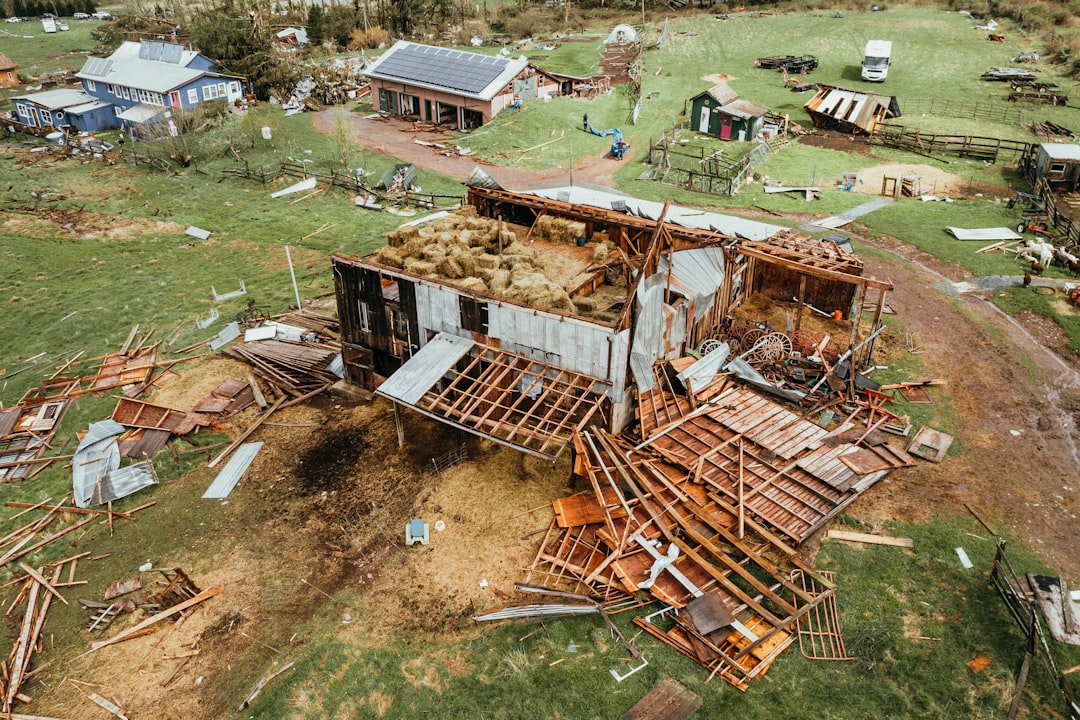
Making a Roof Insurance Claim: Your Complete Guide from a Roofing Contractor with 15+ Years Experience
I have been installing and repairing roofs for over fifteen years. My team has completed more than two thousand roofing projects across Texas. We hold certifications from major manufacturers like GAF and Owens Corning. I have helped hundreds of homeowners navigate the confusing process of making an insurance claim for roof damage. This article exists because I see good people get overwhelmed and underpaid by their insurance companies every storm season. You have a damaged roof. You have insurance. But the gap between filing a claim and getting a proper, lasting repair is filled with complex paperwork, adjuster visits, and contractor estimates. This guide will walk you through every single step, just as I would for my own family or a close friend. The information here comes directly from my experience on thousands of job sites, conversations with insurance adjusters, and deep knowledge of building codes and manufacturer specifications. My goal is not to sell you a roof. My goal is to give you the knowledge and confidence to ensure your home is properly restored and your investment is protected.
Roof insurance claims are not simple. Many homeowners do not know their policy details. They often miss critical damage during inspection. They might accept a low settlement that does not cover full replacement costs. This leads to partial repairs, future leaks, and decreased home value. I wrote this guide to solve that exact problem. I will explain the entire process from start to finish. You will learn how to document damage, work with adjusters, choose materials, and hire the right contractor. This is the same advice I give my customers before they ever sign a contract. By the end, you will understand your rights, your policy, and how to get the roof your home deserves.
Understanding Your Roof Insurance Policy: The Foundation of Your Claim
Your insurance policy is a contract. Understanding its terms is the first and most critical step. Do not wait for a storm to read your policy. Review it now during calm weather. Look for key sections that define your coverage and responsibilities. The declarations page summarizes your coverage limits and deductibles. The insuring agreement states what is covered. The exclusions section lists what is not covered. Conditions outline your duties after a loss. Knowing these parts will prevent surprises later.
Types of Coverage: ACV vs. RCV
Most roof claims involve two main coverage types. Actual Cash Value (ACV) and Replacement Cost Value (RCV) are very different. ACV pays you the current value of your roof, minus depreciation for its age. If your 15-year-old roof is damaged, the insurance company calculates its remaining life. They pay you only for that remaining value. You pay the rest out of pocket. Replacement Cost Value (RCV) is better for homeowners. RCV pays to replace your roof with new materials of like kind and quality. You typically receive an initial payment for the ACV amount. After the roof is replaced and you submit the final invoice, you receive a second payment for the recoverable depreciation. This often covers the full cost minus your deductible. Check your policy to see which type you have. Upgrading to RCV coverage is often worth the small premium increase.
Common Exclusions and Limitations
Insurance policies do not cover everything. Standard homeowners policies typically cover sudden, accidental damage from external events. This includes wind, hail, falling trees, and fire. They often exclude damage from lack of maintenance, wear and tear, or manufacturer defects. Some policies have specific limitations for certain roof materials. For example, they may only pay for cosmetic damage to certain metal roofs. Many policies in hail-prone areas have separate, higher deductibles for wind and hail claims. This deductible is often a percentage of your home's insured value, not a flat dollar amount. A 1% deductible on a $400,000 home is $4,000. Know your deductible before you file a claim. Review the Insurance Information Institute's guide to understand standard policy language.
Step-by-Step Guide to Filing Your Roof Insurance Claim
Follow these steps in order. Do not skip any step. A methodical approach leads to the best outcome. Rushing can cause you to miss documentation or say the wrong thing to your insurer. Take your time and be thorough. This process protects your biggest investment: your home.
Step 1: Initial Safety and Damage Documentation
Safety first. Do not go on your roof if it is wet, steep, or you are unsure. Document damage from the ground first. Use binoculars or the zoom on your phone camera. Take clear, wide-angle photos of your entire property after the storm. Show the context of the damage. Then, take close-up photos of specific issues. Photograph damaged shingles, dented vents, clogged gutters, and any debris. Take videos panning slowly across each roof plane. Date-stamp your photos if possible. Create a written list of all visible damage. Note the date and time of the storm. This initial evidence is crucial for proving the damage was caused by a covered peril.
Step 2: Contacting Your Insurance Company
Call your insurance company or agent to report the loss. Do this promptly. Most policies require you to report damage in a timely manner. Have your policy number ready. Be factual and concise. Say, "I am reporting damage to my roof from the hailstorm on [date]." Do not speculate on the cause or extent. Simply report the facts. The company will open a claim and assign you a claim number. Write this number down. They will also assign an insurance adjuster to inspect your property. Ask for the adjuster's name and contact information. Ask about the next steps and any immediate actions you should take to prevent further damage, like placing a tarp. Keep a log of every call: date, time, person spoken to, and what was discussed.
Step 3: The Professional Roof Inspection
Before the adjuster arrives, get a professional inspection from a licensed, reputable roofing contractor. Choose a contractor with experience in insurance claims. A good roofer will perform a thorough inspection. They will document all damage according to insurance standards. They will provide you with a detailed, line-item estimate. This estimate should follow Xactimate or similar industry-standard pricing software. It should include all necessary items: tear-off, disposal, underlayment, shingles, flashing, vents, and labor. This contractor's estimate will be your benchmark. It will help you evaluate the adjuster's estimate. Do not sign any contract that assigns your insurance benefits to the contractor until you are fully ready to proceed. A trustworthy contractor will explain their findings without pressure.
Working with the Insurance Adjuster: A Contractor's Perspective
The insurance adjuster represents the insurance company. Their job is to assess the damage and determine what the policy will pay. Be polite, professional, and prepared. Your goal is to ensure they see all the damage you and your contractor have documented.
Preparing for the Adjuster's Visit
Gather all your documentation. Have your photo and video evidence ready. Have your contractor's detailed estimate on hand. Be present for the inspection if possible. Walk the adjuster around the exterior of your home. Point out the damage you have documented. If your contractor is available, having them present can be extremely helpful. They can explain technical aspects of the damage and repair process. The adjuster will likely get on your roof to inspect. They will take their own measurements and photos. They will then write an estimate, known as a scope of loss. This document lists all items the insurance company agrees to pay for.
Reviewing the Adjuster's Scope of Loss
Do not accept the adjuster's estimate on the spot. Ask for a copy of their full scope of loss. Compare it line-by-line with your contractor's estimate. Look for missing items. Common omissions include proper underlayment, ice and water shield in valleys, full ridge cap replacement, and code-required upgrades. Building codes change. If your roof decking is damaged and needs replacement, current codes may require thicker plywood. This is called a code upgrade. Your policy may cover these necessary upgrades. If items are missing or underpriced, this is the time to discuss them. Provide your contractor's estimate as supporting documentation. You have the right to negotiate a fair settlement.
Choosing Materials and a Contractor: Ensuring Quality Repairs
Once you have a settlement, you must choose materials and a contractor. This decision will determine the longevity and performance of your new roof. Do not choose based on price alone. The lowest bid often leads to the lowest quality.
Selecting Roofing Materials
Your insurance settlement is based on replacing your roof with materials of "like kind and quality." You can often upgrade by paying the difference. Consider the long-term value. Architectural asphalt shingles are a common and durable choice. They offer better wind resistance and a longer warranty than basic 3-tab shingles. Brands like GAF Timberline and Owens Corning Duration are industry leaders. Review their manufacturer warranties. For hail-prone areas, consider impact-resistant shingles rated Class 4 by UL 2218. These shingles can withstand hail up to 2 inches in diameter. They may also qualify you for an insurance premium discount. Discuss all material options with your contractor. Ensure the materials specified in the insurance scope are actually used on your job.
Vetting and Hiring a Roofing Contractor
Hire a licensed, insured, and local contractor. Check their license status with your state's licensing board. Ask for proof of general liability and workers' compensation insurance. Get at least three detailed written estimates. The estimates should be specific and match the insurance scope. Ask for references from recent insurance claim jobs. Check online reviews on Google and the Better Business Bureau. Look for manufacturers' certifications, like GAF Master Elite or Owens Corning Platinum. These certifications require proper training, insurance, and a proven track record. Avoid contractors who pressure you to sign immediately or ask you to sign an Assignment of Benefits (AOB) form before you fully understand it. A good contract should include start and completion dates, a detailed list of materials, warranty information, and a clear payment schedule tied to project milestones.
Real Project Case Studies: Lessons from the Field
Real examples show how this process works. These are based on actual projects my company completed. Names and specific details are changed for privacy.
Case Study 1: Hail Damage in Kingwood
A homeowner in Kingwood had a 20-year-old roof damaged in a severe hailstorm. Their policy had RCV coverage with a 1% wind/hail deductible. The initial adjuster's estimate only covered patching damaged shingles. Our inspection found widespread bruising on the shingle mats and granule loss across all slopes. We documented this with close-up photos and a moisture scan. We submitted a supplemental estimate for a full replacement. After review, the insurance company agreed the damage was comprehensive. The homeowner paid their $3,500 deductible. The insurance covered the remaining $28,000 for a full tear-off and installation of Class 4 impact-resistant shingles. The key was thorough documentation and persistence.
Case Study 2: Wind Damage and Code Upgrades
High winds tore sections of shingles from a roof in a nearby suburb. The home was 30 years old. The insurance adjuster's scope included replacing the missing shingles and the underlying decking in those areas. However, local building codes now require roof decking to be ½" plywood, not the original 3/8" planks. Our estimate included this code upgrade. The homeowner's policy included an ordinance or law coverage endorsement. This endorsement pays for the increased cost to bring the damaged part of the home up to current code. We provided the relevant code section from the International Residential Code. The insurance company approved the supplement. The homeowner received a stronger, code-compliant roof without extra out-of-pocket cost.
Frequently Asked Questions (FAQ)
Will filing a claim increase my insurance premiums?
Filing a claim may affect your premiums. Insurance companies consider claim history. A single weather-related claim may not cause an increase in a disaster-prone area. However, multiple claims in a short period likely will. You pay for insurance to use it when you have a legitimate loss. Do not avoid filing a necessary claim for fear of a premium hike. The cost of repairing major roof damage yourself is usually far greater.
What if my insurance claim is denied?
First, get the denial in writing. Understand the specific reason. If you disagree, you can appeal. Request a re-inspection with your contractor present. Provide additional documentation like expert reports or second opinions. You can also file a complaint with your state's department of insurance. They can help mediate disputes between policyholders and insurance companies.
Can I keep the insurance money and not repair the roof?
Technically, the money is yours. However, if you have a mortgage, your lender will likely be listed on the insurance check. They have an interest in protecting the property's value. They may require the repairs to be completed before releasing the funds. Furthermore, if you do not repair the damage and have another loss, the insurance company may deny the new claim due to prior, unrepaired damage.
How long does the entire claims process take?
The timeline varies. From filing to final payment can take 30 to 90 days or more. Factors include the severity of the storm, the insurance company's workload, and the complexity of the damage. Getting multiple estimates and negotiating supplements can add time. Be patient but persistent. Keep detailed records and follow up regularly.
What is "recoverable depreciation"?
Recoverable depreciation is part of an RCV policy. It is the difference between the Actual Cash Value (ACV) paid upfront and the full Replacement Cost Value. The insurance company holds this amount back. After you complete the repairs and submit the final invoice and proof of completion, they release this second payment. This ensures the money is used for its intended purpose: repairing your home.
Conclusion: Protecting Your Home and Investment
Making a roof insurance claim is a detailed process. It requires knowledge, preparation, and patience. Start by understanding your policy before disaster strikes. When damage occurs, document everything thoroughly. Get a professional inspection from a trusted contractor. Work collaboratively but diligently with your insurance adjuster. Choose quality materials and a reputable installer. Your home deserves a roof that will protect it for decades. This process is your path to securing that protection without financial hardship. Use this guide as your roadmap. Do not let the complexity intimidate you. You have the right to a fair settlement and a proper repair. Take it one step at a time, ask questions, and advocate for your home. Your diligence will pay off with a secure, beautiful, and long-lasting roof.