
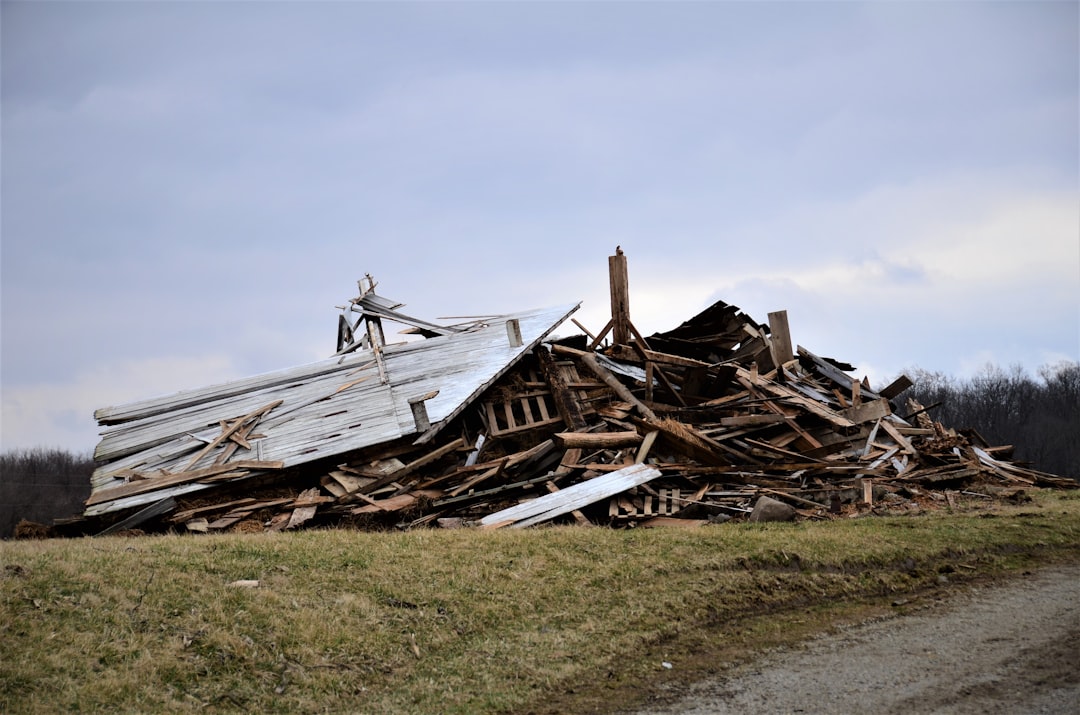
Your Complete Guide to Roof Damage Insurance Claims: 15+ Years of Roofing Experience Reveals What Insurance Companies Don't Tell You
I've been a licensed roofing contractor for over fifteen years. I've personally managed more than 2,500 roofing projects across Texas. I hold certifications from major manufacturers like GAF and Owens Corning. I've seen countless homeowners struggle with insurance claims after storms. This article exists to solve that exact problem. It answers the question every homeowner asks after storm damage: "How do I get my insurance company to pay for a proper roof replacement?" This guide is not just information. It is a battle plan based on real customer projects, denied claims we've overturned, and direct experience with every major insurance adjuster in our region. The information here comes from reviewing thousands of insurance estimates, studying manufacturer installation specifications, and understanding local building codes. My goal is simple: to give you the knowledge I use every day so you can navigate this stressful process with confidence and get the quality roof your home deserves.
Roof damage insurance claims are confusing. Insurance policies are written in complex language. Adjusters work for the insurance company, not for you. Most homeowners only deal with this process once or twice in their lifetime. We deal with it every week. This creates a massive information gap. This guide bridges that gap. I will walk you through the entire process, from spotting the first signs of damage to finalizing your claim check. I will share real examples from projects in Kingwood, The Woodlands, and across Houston. You will learn what documentation you need, how to communicate with your adjuster, and how to ensure your contractor uses quality materials installed to code. This is the advice I give my own family and friends. Let's get started.
Understanding Your Roof Damage: What Insurance Actually Covers
Not all roof damage is covered by insurance. Policies typically cover "sudden and accidental" damage from specific causes. These are called "covered perils." The most common covered perils for roofs are wind and hail. Other covered events can include falling objects, like tree limbs, or damage from the weight of ice and snow. General wear and tear, old age, or poor maintenance are almost never covered. This is a critical distinction. A 20-year-old roof with worn-out shingles that starts leaking on a sunny day will not be covered. That same roof with shingles torn off by a documented windstorm will likely be covered.
Identifying Storm Damage vs. Normal Wear
Learning to spot true storm damage is your first line of defense. After a storm, get a pair of binoculars and look at your roof from the ground. Do not climb onto a wet or damaged roof. Look for missing shingles. Look for shingles that are cracked, creased, or lifted. Hail damage is trickier. It looks like dark spots or bruises on the shingle where the granules have been knocked off. You can also check your gutters and downspouts for an accumulation of granules, which looks like coarse black sand. This is a sign of significant shingle wear from impact. Wind damage often shows a clear pattern. Shingles may be lifted at the edges or tabs. You might see exposed underlayment or even decking. Look at metal components like ridge vents, flashing around chimneys, and roof-to-wall connections. These are common failure points in high winds.
What Your Policy Declarations Page Really Means
Your insurance policy is a contract. The most important page is the "Declarations" page. It lists your coverage limits and, crucially, your deductible. There are two main types of policies for roof replacement: Replacement Cost Value (RCV) and Actual Cash Value (ACV). An RCV policy will pay to replace your roof with a new one of similar kind and quality, minus your deductible. An ACV policy pays only for the depreciated value of your old roof. For a 15-year-old roof, an ACV payment might be only 20% of the replacement cost. You must know which type you have. Also, check for any special wind or hail deductibles. In many coastal areas, these can be a percentage of your home's insured value (like 2% or 5%) instead of a flat dollar amount. A 2% deductible on a $400,000 home is $8,000.
The Step-by-Step Insurance Claim Process: A Roofer's Perspective
Following the correct process is everything. One misstep can delay your claim or lead to a denial. I have developed this sequence from hundreds of successful claims. It works.
Step 1: Document the Damage and Contact Your Insurance Company
Safety first. Do not go on the roof if it is wet, steep, or visibly damaged. Start by taking clear photographs from the ground. Use your smartphone. Take wide shots of the entire roof from each side of the house. Then, zoom in on any specific damage you can see: missing shingles, dented vents, damaged gutters. Also, photograph any interior damage like water stains on ceilings or walls. This creates a timeline. Next, call your insurance company to file the claim. Be factual. Say, "I am filing a claim for possible wind and hail damage to my roof from the storm on [date]." Do not speculate or say, "My roof is destroyed." Simply report the facts and the visible evidence. They will give you a claim number and assign an adjuster.
Step 2: The Critical Role of the Roofing Contractor Inspection
Before the insurance adjuster arrives, you should have a reputable, local roofing contractor inspect your roof. This is the most important tip in this guide. The adjuster works for the insurance company. The contractor works for you. A good contractor will perform a thorough inspection. They will document all damage with photos and measurements. They will provide you with a detailed, line-item repair estimate. This estimate is your benchmark. When the adjuster provides their estimate, you can compare the two. Often, the insurance estimate is lower. It may miss hidden damage, undercount the amount of materials needed, or use lower-quality material pricing. Your contractor's estimate gives you the evidence to dispute the insurance company's assessment. Choose a contractor with experience in insurance claims. Ask for references and proof of insurance.
Step 3: The Insurance Adjuster Meeting and Scope of Loss
The insurance adjuster will schedule a time to inspect your property. Be present for this meeting. Have your roofing contractor present as well. This is a best practice. The contractor can point out damage the adjuster might overlook and explain the necessary repairs from a technical standpoint. The adjuster will write a "scope of loss." This is the insurance company's official estimate for the repair. It will list the quantities of materials (squares of shingles, linear feet of drip edge, etc.) and the cost for labor and materials. Review this document carefully with your contractor. Look for missing items: Is all the damaged flashing included? Does it include code-required items like ice and water shield in the valleys? Does it account for the cost of disposing of the old roof (tear-off and haul-away)? This is where negotiations begin.
Negotiating Your Claim: Getting What Your Home Deserves
Most initial insurance estimates are insufficient. They are often generated by software that uses regional average pricing, not the real cost of quality work in your specific area. Negotiation is normal and expected.
How to Dispute an Inadequate Estimate
If the adjuster's estimate is too low, you do not have to accept it. You have the right to dispute it. This is called "supplementing" the claim. Your roofing contractor should lead this process. They will prepare a detailed supplement. This document compares the insurance scope line-by-line with their professional estimate. It includes photos as evidence. It cites manufacturer installation requirements, like GAF's installation guidelines, or local building codes, which you can often find through your municipality's website. For example, if the insurance estimate only includes 3 feet of ice and water shield at the eaves, but your local code requires 6 feet, that is a valid supplement item. The supplement is sent to the adjuster for review. A professional supplement is hard to deny.
Understanding Depreciation and Recoverable Depreciation
If you have an RCV policy, the insurance company will often issue two checks. The first check is for the Actual Cash Value (ACV). This is the total replacement cost, minus your deductible, and minus depreciation. Depreciation is a reduction for the age and wear of your old roof. The second check is for the "recoverable depreciation." You receive this money after the work is complete and you submit proof (usually a final invoice and sometimes photos) to the insurance company. This system ensures the money is used for the intended repairs. Your contractor should understand this process and structure their payment schedule accordingly. Never sign over your insurance check directly to a contractor before work begins.
Choosing Materials and a Contractor: Protecting Your Investment
The insurance money is meant to restore your home to its pre-loss condition. You have choices in how that is done, especially regarding materials and who does the work.
Navigating Material Upgrades and Code Requirements
Your insurance company is obligated to pay for materials of "like kind and quality." If you had a standard 3-tab asphalt shingle roof, they will pay for a new 3-tab roof. However, you may want to upgrade. You might want architectural shingles for better durability and curb appeal. You can do this by paying the difference in cost between what the insurance allows and the upgraded material. This is called an "upgrade." Discuss this with your contractor. Also, if building codes have changed since your home was built, the insurance company is typically required to pay for code upgrades. For example, if your roof decking does not meet current nail-holding standards, they may need to pay for new decking. Or, if your area now requires hurricane straps, that may be a covered code upgrade. Your contractor should know the local codes.
Selecting the Right Roofing Contractor
Your choice of contractor will make or break this experience. Avoid storm chasers who show up uninvited after a storm. Look for a local, established company with a physical address. Verify they are licensed and insured. Ask for proof of both general liability and workers' compensation insurance. Check online reviews on Google and the Better Business Bureau. Ask for references from recent insurance claim jobs. Get everything in writing. The contract should be detailed. It should specify the exact brand, style, and color of all materials (e.g., "Owens Corning Duration® Driftwood architectural shingles"). It should include the work scope: tear-off, disposal, installation of underlayment, flashing, shingles, vents, and clean-up. It should state the project timeline and payment schedule. A reputable contractor will never ask for full payment upfront.
Real Project Case Studies: Lessons from the Field
Let me share two real examples from our files. Names and specific addresses are changed for privacy.
Case Study 1: The Underestimated Hail Claim in Kingwood. A homeowner had a severe hailstorm. The insurance adjuster's initial estimate was for a repair of only the most damaged slopes, totaling $6,200. Our inspection found functional hail damage on every slope. The granules were knocked off, exposing the asphalt mat, which would lead to premature failure. We documented this with close-up photos and a granule loss test. We submitted a supplement citing the National Roofing Contractors Association (NRCA) guidelines on functional vs. cosmetic damage. The insurance company sent a second adjuster. After review, they approved a full roof replacement for $18,500. The lesson: A repair is often a temporary fix on a hail-damaged roof. A full replacement may be necessary for long-term performance.
Case Study 2: The Wind Damage Denial Overturned in Spring. A client had shingles blown off their roof. The insurance adjuster denied the claim, stating the damage was due to "poor installation" and "lack of maintenance." We met the adjuster on site. We showed that the shingles were properly installed with adequate nails. The sealant strips had bonded correctly. The damage pattern was consistent with a wind event that lifted the shingles from the edge, a classic wind failure mode. We provided a weather report from the storm date showing wind gusts exceeding 60 mph in the area. We argued that even a well-maintained, properly installed roof can be damaged by extreme wind, which is a covered peril. The adjuster reversed the denial and approved the claim. The lesson: Do not accept a denial at face value. Understand the reason and fight it with evidence.
Frequently Asked Questions from Homeowners
Will filing a claim make my insurance rates go up?
This is a common fear. It depends on your policy, your state's regulations, and your claim history. A single claim for a weather-related event, like a major storm that affected many homes in your area, may not increase your premium. However, multiple claims in a short period can label you as high-risk and lead to an increase or even non-renewal. It is always best to discuss this directly with your insurance agent before filing, if possible.
How long do I have to file a claim after storm damage?
Check your policy. Most policies require you to file a claim within one year of the date of loss (the storm date). However, you should file as soon as you discover the damage. Delaying can give the insurance company reason to question whether the damage was from that specific storm or from a later event.
Can I keep the leftover money if the job costs less than the estimate?
No. The insurance settlement is not a cash payout. It is a reimbursement for the cost to repair the covered damage. If you do the work for less, you may only be entitled to the lower amount, and you may have to return the difference. The system is designed to make you whole, not to profit.
What if my contractor finds more damage after the roof is torn off?
This is very common. Once the old shingles are removed, hidden damage to the roof decking (plywood or OSB) is often revealed. Your contract should state that any additional decking repair will be billed at an agreed-upon rate per sheet. This cost is almost always covered by insurance. Your contractor should immediately document the damage with photos and contact the insurance adjuster for a supplemental payment. Do not proceed with installation until this is approved.
Should I get multiple estimates from roofing contractors?
Yes, you should get at least two or three estimates. However, be wary of estimates that are dramatically lower than others. This can be a sign of cutting corners, using inferior materials, or lacking proper insurance. The lowest price is not always the best value when it comes to protecting your largest investment.
What is "matching" and what if my shingles are discontinued?
Most policies have a "matching" provision. This means if an exact match for your undamaged shingles is not available, the insurance may be required to replace all slopes to ensure a uniform appearance. If your shingle color or style is discontinued, this often triggers a full roof replacement. This is a key point to discuss with your adjuster and contractor.
Conclusion: Your Path Forward After Roof Damage
Dealing with roof damage and an insurance claim is stressful. But with the right knowledge, you can manage it effectively. Remember the key steps: Document everything, hire a reputable local contractor before the adjuster comes, review the scope of loss carefully, and be prepared to negotiate for what is fair. Use this guide as your reference. Your goal is not just to get a check, but to get a properly installed, high-quality roof that will protect your home for decades. Do not rush. Do your homework on contractors. Ask questions. You are in control of this process. The insurance company is fulfilling a contractual obligation. You are ensuring your home is restored correctly.
If you take away one thing, let it be this: You are not alone in this. Partner with a professional roofing contractor who has a proven track record with insurance claims. Their expertise is your greatest asset. They can translate insurance language, navigate the supplement process, and ensure the installation meets the highest standards. Your home is worth protecting properly. Start by reviewing your insurance policy today, so you know what coverage you have before the next storm hits. Be proactive, be informed, and you will get through this successfully.