
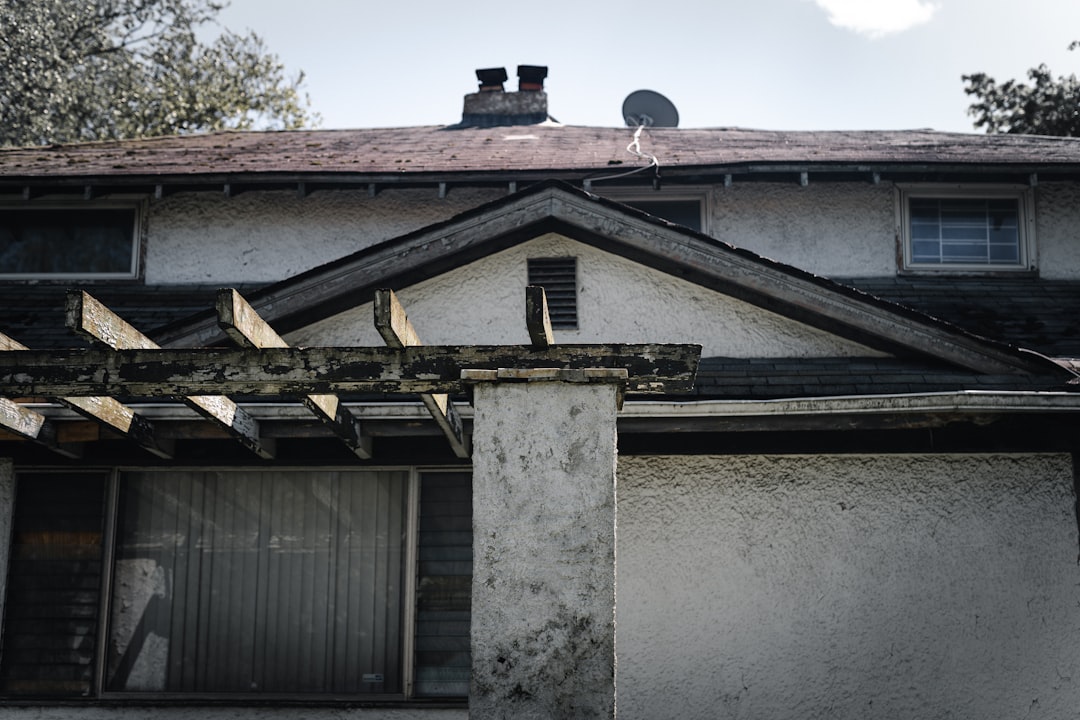
Roof Leak Damage Covered by Insurance: A Contractor's 15-Year Perspective on What Actually Gets Paid
I have been a licensed roofing contractor for fifteen years. Our team has completed over 2,500 residential and commercial roofing projects across Texas. We hold certifications from major manufacturers like GAF and CertainTeed. This article comes from real conversations with hundreds of homeowners just like you. We have sat at kitchen tables reviewing insurance paperwork. We have climbed onto roofs with adjusters to document storm damage. This guide exists because the biggest question after a leak is always: "Will my insurance cover this?" The confusion and stress are real. My goal is to give you the clear, honest information you need to navigate this process confidently, based on what we see every day in the field.
The information here is gathered from our direct project experience. We reference specific manufacturer installation guidelines, local building codes like the International Residential Code (IRC), and data from the Insurance Information Institute. Our methodology is simple. We explain the rules insurance companies follow. We show you what qualifies as sudden damage versus normal wear. We provide step-by-step guidance based on proven methods that have helped our clients successfully file claims. This is not generic advice. This is the playbook we use ourselves.
Understanding Your Insurance Policy: The Fine Print That Matters
Your homeowner's insurance policy is a contract. It promises to pay for sudden and accidental damage. It does not cover problems from neglect or old age. Knowing this difference is the most important step. Policies typically cover what are called "perils." These are specific events that cause damage.
What Is Typically Covered: Sudden & Accidental Events
Insurance is designed for unexpected disasters. Covered events are usually sudden. They happen in a single moment or over a short period. Windstorms and hail are the most common claims we handle. A severe storm can tear shingles off your roof. Hail can bruise asphalt shingles, cracking the protective granules. This damage is not always obvious from the ground. Heavy snow and ice dams can also cause sudden leaks. The weight can strain the roof structure. Ice dams prevent proper drainage, forcing water under shingles. Falling objects like tree limbs are another covered peril. A branch crashing through your roof creates an immediate opening for water.
What Is Typically NOT Covered: Wear, Tear, and Neglect
Insurance is not a maintenance warranty. It will not pay to replace a roof just because it is old. Gradual wear and tear is your responsibility as a homeowner. Lack of maintenance is a major reason for claim denials. If shingles are curling and brittle from twenty years of sun exposure, that is not a covered event. Leaks from worn-out flashing or cracked sealant are considered maintenance issues. Damage from long-term moisture or mold is often excluded. Insurance expects you to fix small problems before they become big ones. Poor workmanship or defective materials may also be excluded. This is why hiring a certified, reputable contractor is crucial.
The Step-by-Step Insurance Claim Process for Roof Leaks
Following the right steps protects your claim. Acting out of order can cause delays or denials. We guide our clients through this exact process. Do not start repairs until the insurance company has seen the damage. Document everything from the very beginning.
Step 1: Immediate Action & Safety First
Your safety is the top priority. If water is actively leaking, move furniture and belongings out of the way. Place buckets to catch water. Use tarps if you can safely do so to protect the interior. Take photos and videos of the active leak. Show the water entry point on the ceiling. Document any damaged personal property. This visual evidence is powerful for your claim. Contact a reputable roofing contractor for a temporary emergency repair if needed. Keep all receipts for any mitigation costs.
Step 2: Contact Your Insurance Company & File the Claim
Notify your insurance company as soon as possible. Most policies require prompt reporting. Call your agent or the company's claims department. Provide your policy number and a simple description of the damage. For example: "A windstorm last night caused a tree limb to fall on my roof. There is now an active leak in my master bedroom." The company will open a claim and assign you a claim number. Write this number down. They will also schedule a time for an insurance adjuster to inspect the property.
Step 3: The Professional Roof Inspection & Documentation
Before the adjuster arrives, have a licensed roofer inspect your roof. A professional roofer knows how to identify storm damage. They can distinguish hail hits from normal blistering. They can spot wind damage patterns. Ask your roofer to provide a detailed, written inspection report with photos. This report should note the type of damage, the approximate age of the roof, and the recommended repairs. The roofer should be present during the adjuster's inspection. This ensures all damage is properly identified and discussed. The adjuster and roofer will walk the roof together and review the findings.
Step 4: Reviewing the Adjuster's Scope & Estimate
The insurance adjuster will write a scope of loss. This document lists all the damaged items the insurance company will pay to repair or replace. It includes line items for materials, labor, and waste removal. It is based on local pricing databases like Xactimate. Your roofing contractor should review this scope carefully. They will compare it to their own detailed estimate. Often, the initial scope may miss hidden damage or necessary code upgrades. For example, if your roof decking is damaged, it must be replaced to meet current building codes. Your contractor can submit a supplement request for any missing items.
Real Project Case Studies: What Actually Gets Approved
Theory is one thing. Real-world examples show how the process works. Here are two recent cases from our project files. Names and specific addresses are changed for privacy.
Case Study 1: Hail Damage in Kingwood Subdivision
The homeowners heard loud hail during a spring storm. They did not see any immediate leaks. Two weeks later, they noticed water stains on a ceiling. They called us for an inspection. We found classic hail damage on their 12-year-old asphalt shingle roof. The hail had knocked off the protective granules, exposing the asphalt mat. This is called "bruising." We documented dozens of these hits per roofing square. We met the adjuster on site. We showed him the damage with a chalk line around several hits. The adjuster agreed it was storm-related. The initial scope covered a full roof replacement and damaged plywood decking. The claim was approved. The homeowners paid only their deductible. Their new roof was installed with upgraded IKO architectural shingles and new synthetic underlayment.
Case Study 2: Denied Claim for Gradual Wear
Another homeowner had multiple leaks after heavy rain. Their roof was over 25 years old. The shingles were severely curled and cracked. There was widespread moss growth in the valleys. Our inspection found no evidence of wind or hail. The damage was consistent with the end of a roof's natural lifespan. The flashing was also corroded. We advised the homeowner that this was likely a maintenance issue, not an insurance claim. They filed anyway. The adjuster's report stated the damage was due to "wear, tear, marring, and deterioration." The claim was denied. The homeowner invested in a new roof themselves. This case highlights the importance of a professional opinion before filing.
Costs, Deductibles, and What You Will Pay
Understanding the financial aspect prevents surprises. You are responsible for your policy deductible. This is the amount you agree to pay out-of-pocket when you buy the policy. Deductibles can be a flat dollar amount or a percentage of your home's insured value. In storm-prone areas, percentage deductibles for wind/hail are common. For a $400,000 home with a 1% wind deductible, you would pay $4,000. The insurance company pays the rest, up to your policy limits. Your contractor's price should match the insurance company's approved scope and pricing. You should not pay more than your deductible for a covered claim. If you want upgrades—like moving from 3-tab to architectural shingles—you pay the price difference.
Actual Cost Examples from Recent Projects
- Partial Repair: A wind-damaged section on a 2,000 sq. ft. roof. Insurance scope: $2,800. Homeowner deductible: $1,000. Homeowner paid $1,000.
- Full Replacement (Asphalt Shingle): Total hail damage on a 2,500 sq. ft. home. Insurance scope: $18,500. Homeowner deductible (2%): $3,700. Homeowner paid $3,700 for a full replacement.
- Supplemental Claim: Initial scope missed code-mandated decking replacement. Contractor submitted supplement for $2,200 extra. Insurance approved it. Homeowner's cost did not change.
Materials, Repairs, and Code Compliance
Insurance should pay to restore your home to its pre-loss condition. This often means complying with current building codes. Codes have changed significantly in the last decade. Your contractor must know these requirements.
Common Repair Materials and Insurance Approvals
Insurance companies use pricing software with standard material costs. They typically approve materials of similar quality to what was damaged. If you had standard 3-tab shingles, they will pay for 3-tab shingles. You can often use your claim to upgrade. You pay the difference between the standard material cost and the upgrade cost. Common approved materials include asphalt shingles from Owens Corning, synthetic underlayment, and standard aluminum flashing. For steep or complex roofs, the software includes higher labor costs. Your contractor's estimate must align with these regional pricing standards.
The Critical Role of Building Codes
Building codes are not suggestions. They are the law. The International Code Council (ICC) updates codes every three years. A key code for insurance is the "like kind and quality" rule. If your roof decking (plywood or OSB) is damaged in over 25% of the roof area, many codes require the entire decking layer to be replaced. This ensures a uniform nailing surface. Insurance should cover this if it's related to the covered peril. Another code is for ice and water shield. In cold climates, this self-adhering membrane is required along eaves and valleys. If your old roof didn't have it, but it's now code, insurance should pay for it as part of the repair.
Practical Homeowner Tips from 2,500+ Projects
This advice comes from the trenches. It is what we wish every homeowner knew before starting a claim.
- Maintain Your Records: Keep a file with your roof's installation date, warranty, and past inspection reports. This proves maintenance history.
- Get an Annual Inspection: Have a roofer inspect your roof every year, especially after storm season. Early documentation is key.
- Choose Your Contractor First: Select a reputable, local, licensed, and insured roofer before you file. They will be your guide.
- Do Not Sign an AOB Too Quickly: An Assignment of Benefits (AOB) form lets the contractor deal directly with your insurer. Understand it fully before signing.
- Understand Depreciation: Some policies hold back a portion of the payment (recoverable depreciation) until repairs are complete. Ask your adjuster about this.
- Beware of Storm Chasers: After major storms, out-of-town contractors swarm neighborhoods. They often offer cheap deals but provide poor workmanship and no warranty service.
Frequently Asked Questions (FAQ)
Will filing a claim increase my insurance premiums?
It might, but not always. A single claim for a major weather event may not raise your rate. Multiple claims in a short period likely will. Insurance companies see you as a higher risk. Discuss the potential impact with your insurance agent before filing if you are unsure. Sometimes, the cost of a repair is close to your deductible. In that case, paying out-of-pocket might be wiser to avoid a claim on your record.
How long do I have to file a claim after a storm?
Check your policy. Most require you to report damage "promptly" or "as soon as practicable." This usually means within one year of the event. Do not wait. Damage can worsen over time. Delayed reporting can give the insurer reason to question whether the damage was truly sudden. They may argue it was gradual wear. File as soon as you discover the problem.
What if my insurance company denies my claim?
You have the right to appeal. First, request a detailed denial letter explaining the specific policy language they are using. Review it with your roofing contractor. Sometimes, the adjuster missed something. You can request a re-inspection with a different adjuster. You can also hire a public adjuster. They work for you, not the insurance company, to evaluate the damage. As a last resort, you can file a complaint with your state's department of insurance.
Does insurance cover the full cost of a roof replacement?
It covers the cost to replace the damaged components with materials of "like kind and quality." It does not automatically pay for upgrades. The payment is based on the actual cash value (ACV) or replacement cost value (RCV) in your policy. An ACV policy deducts for the age and wear of your old roof. An RCV policy pays the full replacement cost once the work is done and you provide proof. You are always responsible for your deductible.
Should I get multiple estimates before the adjuster comes?
No. Get one thorough estimate from a trusted local contractor. The insurance company does not use your estimates to determine the payout. They use their own software and adjuster's scope. Having multiple estimates can confuse the process. Your contractor's estimate is used to compare against and supplement the adjuster's scope, not to set the price.
What is "code upgrade" coverage, and do I have it?
Standard policies often include an endorsement called "Ordinance or Law" coverage. This pays for the extra cost to bring your damaged home up to current building codes. It is usually a percentage of your dwelling coverage (e.g., 10%). Check your policy declarations page or ask your agent. If you have it, it can cover expensive items like full decking replacement or upgraded flashing requirements.
Can I keep the leftover money if the repair costs less than the insurance payment?
No. The insurance payment is intended to complete the repairs listed in the scope. The money is for the contractor performing the work. If you do not complete the repairs, you may have problems with future claims. The insurer could reduce payments for future damage related to the unrepaired area. Always complete the repairs as specified.
Industry Statistics & The Importance of Being Prepared
Data from the Insurance Information Institute shows the scale of the issue. In a recent year, homeowners insurance paid out over $13 billion for wind and hail losses alone. One in 35 insured homes has a property damage claim each year. Roofing claims are among the most common. Being prepared is not about expecting the worst. It is about being ready to protect your biggest investment. Know your policy. Maintain your roof. Have a relationship with a local professional.
Conclusion: Your Action Plan for a Successful Claim
Navigating roof leak insurance claims is challenging. The system is complex. But with the right knowledge, you can get a fair outcome. Start by understanding your policy's covered perils and your deductible. At the first sign of a leak, document everything and call a professional roofer for an inspection. File your claim promptly and have your roofer present for the adjuster's inspection. Review the scope carefully and understand your payment structure. Choose a contractor who is experienced with insurance work and committed to code compliance. Your home deserves to be restored properly. Use this guide as your reference. Take a deep breath. You now have the information to move forward with confidence. Protect your home, understand your coverage, and partner with professionals who will advocate for you.