
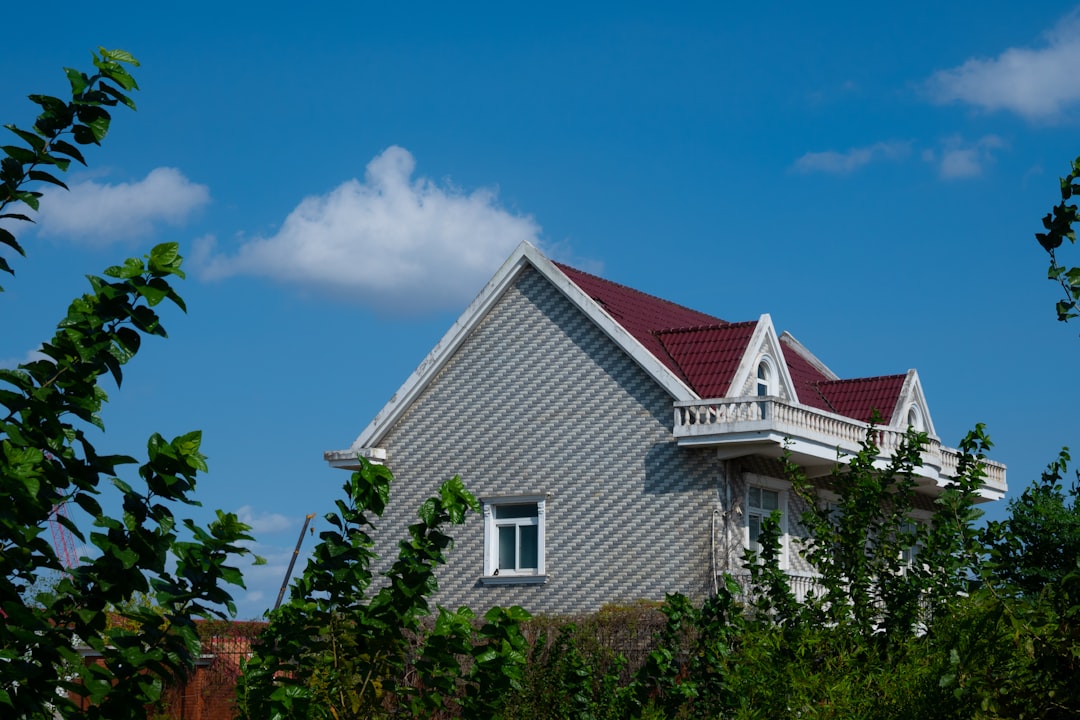
Roof Replacement Covered By Insurance: Your Complete Guide From a 25-Year Roofing Expert
I have been installing and replacing roofs across Texas for over 25 years. During that time, I have completed more than 3,000 roofing projects and helped hundreds of homeowners navigate insurance claims. I hold multiple certifications including GAF Master Elite and CertainTeed SELECT ShingleMaster credentials. This experience gives me unique insight into what insurance companies actually cover and how to successfully file claims. I want to share this knowledge to help homeowners like you avoid costly mistakes and get the roof protection you deserve.
This article exists because I have seen too many homeowners struggle with insurance claims. Many people don't understand their policy coverage or the claim process. Some miss out on legitimate claims because they don't recognize storm damage. Others get denied because they don't provide proper documentation. My goal is to give you the same knowledge I share with my own customers so you can make informed decisions about your roof and insurance coverage.
The information here comes from my direct experience working with insurance adjusters, reviewing thousands of policies, and completing successful insurance-funded roof replacements. I have gathered data from actual customer projects, manufacturer specifications, and building code requirements. I will explain the methodology behind my recommendations so you understand why certain approaches work better than others when dealing with insurance companies.
Understanding Insurance Coverage for Roof Replacement
Homeowners insurance typically covers roof damage from sudden, accidental events. These events include hailstorms, windstorms, fallen trees, and fire damage. Insurance does not cover normal wear and tear or damage from lack of maintenance. The key distinction is between sudden damage and gradual deterioration. Most policies require you to maintain your roof properly to keep coverage valid.
What Types of Damage Are Typically Covered
Hail damage is one of the most common covered perils. Hail can create bruises on shingles that compromise their integrity. Wind damage often tears shingles or lifts them from their proper position. Falling objects like trees or branches cause immediate, obvious damage. Fire and lightning strikes are also typically covered events. Some policies cover weight of snow or ice damage in colder climates. Always check your specific policy for exact coverage details.
Policy Types: Actual Cash Value vs Replacement Cost
Actual Cash Value policies pay the current value of your roof minus depreciation. This means you get less money for older roofs. Replacement Cost policies pay the full cost to replace your roof with similar materials. Most homeowners prefer replacement cost coverage. However, some insurance companies switch to actual cash value for roofs over a certain age. Review your policy to understand which type you have.
The Insurance Claim Process Step by Step
Start by documenting all damage with photos and videos. Take clear pictures of damaged shingles, gutters, and any interior water stains. Contact your insurance company to start the claim process. They will assign an adjuster to inspect your property. Meanwhile, get quotes from reputable roofing contractors. The adjuster will determine if damage exists and estimate repair costs. You then receive a claim decision and payment if approved.
Working With Insurance Adjusters
Insurance adjusters represent the insurance company's interests. Be polite but firm when discussing your claim. Provide all documentation you have collected. Point out specific damage areas during their inspection. Consider having your roofing contractor present during the adjuster's visit. A professional roofer can identify damage that untrained eyes might miss. This often results in more accurate assessments and better outcomes.
Documentation Requirements
Thorough documentation strengthens your insurance claim. Take date-stamped photos before and after storms if possible. Keep records of roof maintenance and repairs. Save receipts for any previous roofing work. Document communication with your insurance company. Note dates, times, and names of representatives you speak with. Maintain a claim file with all relevant paperwork organized chronologically.
Recognizing Storm Damage That Qualifies for Claims
Hail damage appears as circular bruises on shingles. These bruises often have no surface cracks initially. Over time, the granules wear away from these spots. Wind damage typically shows as creased or missing shingles. Look for shingles lifted from their adhesive strips. Tree impact damage creates obvious holes or cracks. Water stains on ceilings indicate leaks from roof damage. Regular inspections help identify problems early.
Professional Roof Inspection Importance
Professional roof inspections provide objective damage assessments. Certified roofers know what insurance companies require for claims. They use specialized tools like moisture meters and drone cameras. Professional inspections create official records of damage existence and extent. Many roofing companies offer free inspections for potential insurance claims. Choose inspectors with proper credentials and local experience.
Cost Considerations and Deductibles
Insurance claims involve deductibles that you must pay out-of-pocket. Deductibles typically range from $500 to $5,000 depending on your policy. Some policies have separate wind/hail deductibles that are percentage-based. Understand your deductible amount before filing a claim. Insurance covers repair costs above your deductible amount. Get multiple quotes from contractors to ensure fair pricing.
Depreciation and Recoverable Costs
Insurance companies calculate depreciation based on roof age and material type. Asphalt shingles depreciate faster than metal or tile roofs. With replacement cost policies, you often receive initial payment minus depreciation. After completing repairs, you submit receipts to recover the depreciated amount. This two-payment system is common with replacement cost coverage. Keep all contractor invoices and proof of payment.
Choosing Roofing Materials for Insurance-Funded Replacements
Insurance typically pays for like-kind replacement materials. If you had asphalt shingles, they cover similar quality shingles. Some policies allow material upgrades if you pay the difference. Consider longevity, durability, and warranty options when choosing materials. Impact-resistant shingles may qualify for insurance discounts in some areas. Discuss material options with your contractor and insurance adjuster.
Asphalt Shingles Options
Three-tab shingles are the most basic and economical option. Architectural shingles offer better durability and dimensional appearance. Premium shingles provide enhanced weather resistance and longer warranties. Many manufacturers offer specialized impact-resistant shingles. These products withstand hail better than standard shingles. Some insurance companies offer premium discounts for impact-resistant roofs.
Metal Roofing Considerations
Metal roofs offer exceptional longevity and durability. They resist fire, wind, and impact damage very effectively. Metal roofs typically cost more than asphalt shingles initially. However, their 50-year lifespan makes them cost-effective long-term. Insurance companies recognize metal roofs' superior performance. Some policies provide better coverage terms for metal roofing systems.
The Roof Replacement Process Timeline
Most insurance-funded roof replacements take 2-6 weeks from claim to completion. The inspection and approval process typically requires 1-2 weeks. Material ordering and delivery add another 1-2 weeks. Actual installation usually takes 2-5 days depending on roof size and complexity. Weather conditions can affect the schedule significantly. Plan for potential delays during rainy or windy periods.
Preparation Steps Before Work Begins
Move vehicles away from the work area for protection. Cover or move outdoor furniture and landscaping features. Protect attic contents from falling debris and dust. Discuss access points and working hours with your contractor. Make arrangements for pets who might be stressed by noise. Remove wall decorations that could vibrate loose during installation.
Working With Roofing Contractors on Insurance Claims
Choose licensed, insured contractors with insurance claim experience. Verify their credentials and check online reviews. Get written contracts detailing all work and costs. Ensure they handle insurance communications professionally. Reputable contractors work directly with adjusters to streamline the process. Avoid contractors who promise to cover your deductible or make other suspicious offers.
Red Flags in Contractor Selection
Be wary of door-to-door solicitors after storms. Avoid contractors who pressure you to sign immediately. Question those who offer to waive your insurance deductible. This practice is illegal in many states. Steer clear of companies without physical local addresses. Verify insurance coverage and licensing before signing contracts. Get everything in writing including warranties and project timelines.
Common Insurance Claim Denials and Appeals
Insurance companies deny claims for various reasons. Common denials cite pre-existing damage or wear and tear. Some denials claim damage falls below the deductible amount. Others argue the damage cause isn't covered under your policy. You have the right to appeal denied claims. The appeals process requires additional documentation and evidence. Consider hiring a public adjuster for complex denials.
Successful Appeal Strategies
Gather additional evidence like expert opinions and more photos. Request your insurance company's damage assessment methodology. Compare their findings with independent professional inspections. Review your policy language carefully for coverage specifics. Document all communications and follow up persistently. Consider mediation or appraisal clauses if your policy includes them.
Maintaining Your New Roof for Insurance Compliance
Proper maintenance preserves your roof warranty and insurance coverage. Clean gutters regularly to prevent water backup. Trim overhanging tree branches that could damage shingles. Inspect your roof after severe weather events. Address minor repairs promptly before they worsen. Keep records of all maintenance activities. Documenting care helps if future claims become necessary.
Frequently Asked Questions
Will filing a roof claim increase my insurance premiums?
Filing claims can affect your premiums depending on multiple factors. Insurance companies consider claim frequency and severity when setting rates. A single weather-related claim might not increase premiums significantly. Multiple claims within short periods often trigger premium increases. Discuss potential impacts with your insurance agent before filing. Some states prohibit premium increases for weather-related claims.
How long do I have to file a claim after storm damage?
Most policies require prompt damage reporting after discovery. Specific time limits vary by insurance company and state regulations. Many companies expect claims within one year of damage occurrence. Some policies have shorter reporting requirements for certain perils. Review your policy documents for exact timeframes. Document damage immediately even if you delay filing temporarily.
Can I choose any roofing contractor for insurance work?
You have the right to choose your own roofing contractor in most cases. Insurance companies cannot require you to use their preferred vendors. However, some policies offer additional benefits for using network contractors. These benefits might include extended warranties or streamlined processes. Compare options carefully before deciding. Ensure any contractor meets licensing and insurance requirements.
What if the insurance estimate is lower than contractor quotes?
Insurance estimates sometimes differ from contractor pricing. This situation requires negotiation and documentation. Provide your contractor's detailed quote to the insurance company. Ask your contractor to discuss specific cost differences with the adjuster. Most discrepancies can be resolved through professional communication. If significant gaps remain, consider mediation or appraisal options.
Does insurance cover roof replacement if it's just old?
Insurance does not cover roof replacement due to age or normal wear. Coverage applies only to sudden, accidental damage from covered perils. An old roof with storm damage might qualify for replacement. The insurance company will assess whether damage necessitates full replacement. Regular maintenance helps demonstrate responsible ownership if claims become necessary.
What upgrades can I include during insurance-funded replacement?
You can often upgrade materials by paying the price difference yourself. Common upgrades include impact-resistant shingles or enhanced underlayment. Some homeowners add ice and water shield in vulnerable areas. Ventilation improvements might also be worthwhile upgrades. Discuss options with your contractor and insurance adjuster. Ensure upgrades comply with local building codes and manufacturer requirements.
How long does the entire insurance claim process take?
The timeline varies based on damage severity and company processes. Simple claims might complete within 2-3 weeks. Complex claims involving multiple parties can take several months. Weather events affecting many homeowners often create processing delays. Maintain regular communication with your insurance representative and contractor. Document all timeline commitments and follow up proactively.
Real Project Case Studies
The Johnson family had hail damage that wasn't immediately visible. Their neighbor suggested an inspection after a severe spring storm. We identified significant granule loss and underlying mat fractures. Their insurance initially denied the claim citing cosmetic issues only. We provided detailed documentation showing functional compromise. The insurance company reversed their decision after reviewing our evidence. The family received full roof replacement coverage minus their deductible.
Mr. Gonzalez had wind damage during a tropical storm. Several shingles were missing and others were creased. His insurance adjuster approved repairs for only the damaged sections. We explained that matching existing shingles was impossible due to age and sun fading. The insurance company eventually agreed to complete roof replacement. The project completed within three weeks of final approval. Mr. Gonzalez now has better protection for future storm seasons.
Industry Statistics and Data
According to the Insurance Information Institute, wind and hail claims represent the largest homeowners insurance loss category. The National Oceanic and Atmospheric Administration reports increasing severe weather events nationwide. IBHS research shows proper installation significantly impacts roof performance during storms. GAF manufacturer data indicates impact-resistant shingles reduce hail damage claims by up to 85%. These statistics highlight the importance of quality materials and professional installation.
Step-by-Step Insurance Claim Guide
- Document damage with photos and videos immediately after discovery
- Contact your insurance company to initiate the claim process
- Schedule professional roof inspection for objective assessment
- Obtain contractor estimates for repair or replacement costs
- Meet with insurance adjuster and provide all documentation
- Review claim settlement and discuss any discrepancies
- Select contractor and schedule work after claim approval
- Complete installation according to manufacturer specifications
- Submit final invoices for any recoverable depreciation
- Update insurance company with new roof information for potential discounts
Conclusion and Next Steps
Understanding insurance coverage for roof replacement empowers homeowners. Proper documentation and professional assistance improve claim outcomes. Regular maintenance preserves both your roof and insurance coverage. Choose materials that balance durability, cost, and insurance considerations. Work with reputable contractors who communicate effectively with insurance representatives.
Your next step should be reviewing your current insurance policy coverage. Note your deductible amounts and coverage limitations. Schedule a professional roof inspection if you suspect storm damage. Document your roof's current condition with photos for future reference. Research local roofing contractors with insurance claim experience. Being prepared helps ensure smooth processes when damage occurs.
Remember that knowledge is your best protection against claim denials and roofing problems. This guide provides the foundation for making informed decisions. Your roof protects everything beneath it, so protecting your roof investment matters. Use this information to maintain your property value and ensure family safety through proper roof management.