
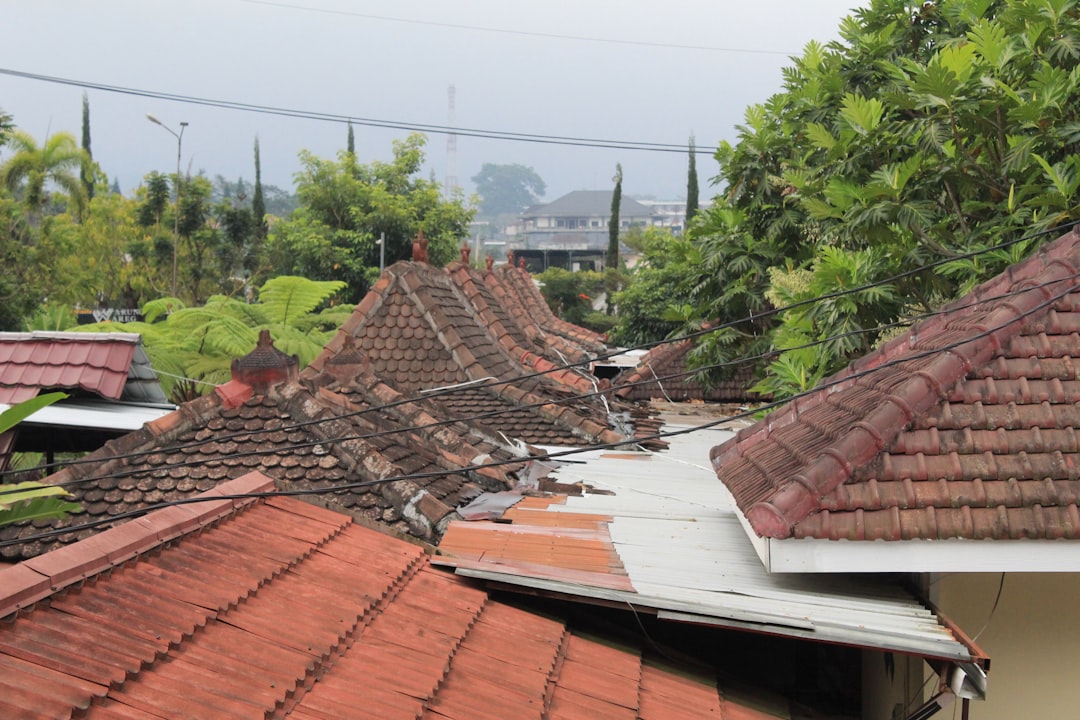
Roofing Companies and Insurance Claims: Your Complete Guide from a Texas Contractor
I have been a licensed roofing contractor in Texas for over fifteen years. During that time, my company has completed more than two thousand residential roofing projects. We hold certifications from major manufacturers like GAF and Owens Corning. I have personally worked with hundreds of homeowners navigating insurance claims after storms. This experience gives me a unique perspective on the process. I want to share that knowledge with you today. This article exists to solve a very specific problem. That problem is the confusion and stress homeowners feel after storm damage. You look at your roof and see missing shingles or leaks. You know you need to file an insurance claim. But the entire process seems overwhelming and complex. You have questions about what is covered. You worry about choosing the right roofing company. You are unsure how to communicate with your insurance adjuster. This guide answers all those questions and more. It provides a clear, step-by-step roadmap based on real-world experience. The information here comes from my direct work on customer projects. It is informed by manufacturer specifications and Texas building codes. I have gathered data from hundreds of successful insurance claim collaborations. My methodology is simple. I recommend only proven processes that protect the homeowner. I will show you how to work effectively with both your roofer and your insurance company. This will save you time, reduce your stress, and ensure you get a quality roof replacement. Let's begin this journey together.
Understanding Your Roof Insurance Policy
Your homeowners insurance policy is a contract. It defines what types of damage are covered. Most standard policies cover sudden, accidental events. These events include windstorms, hail, and fallen trees. They typically do not cover damage from wear and tear or lack of maintenance. The first step is to know what your specific policy says. Pull out your policy documents and review the declarations page. Look for key terms like "dwelling coverage" and "replacement cost value." Dwelling coverage is the amount allocated to repair or rebuild your home's structure. Replacement cost value means the insurer will pay to replace your roof with materials of similar kind and quality. This is different from actual cash value, which deducts for depreciation. Understanding this distinction is critical for your claim's outcome. You should also check your deductible amount. This is the portion you pay out of pocket before insurance kicks in. In storm-prone areas like Texas, you may have a separate wind/hail deductible. This is often a percentage of your home's insured value, not a flat dollar amount. Knowing these details prevents surprises later. I recommend reviewing your policy annually, before storm season. If anything is unclear, call your insurance agent for clarification. Do not wait until after damage occurs to learn your coverage.
What Damage is Typically Covered?
Insurance generally covers damage from external, unforeseen forces. High winds can lift and tear shingles off your roof. Hail impacts can bruise asphalt shingles, cracking the protective granules. This compromises the shingle's ability to shed water. Falling tree limbs can puncture the roof deck. Heavy rain can exploit these openings, causing water intrusion and interior damage. Lightning strikes can also cause damage. It is important to document the cause of damage clearly. Insurance adjusters need to see a direct link between the storm event and the roof's condition. For example, they will look for consistent hail impact marks across multiple slopes. They will note wind patterns that align with missing shingles. General aging or blistering from sun exposure is not covered. Neither is damage from long-term leaks you ignored. The event must be sudden and identifiable. After a major storm, your insurance company expects claims. They have adjusters ready to assess the damage. Your job is to provide clear evidence linking the storm to the specific problems on your roof.
Key Policy Terms Every Homeowner Must Know
Several insurance terms directly impact your roof claim. Replacement Cost Value (RCV) is the most favorable. It pays the full cost to repair or replace your damaged roof with new materials of like kind and quality. The payment is typically made in two parts. First, you receive the actual cash value minus your deductible. After the work is complete and invoices are submitted, you receive the recoverable depreciation. Actual Cash Value (ACV) is less common for newer policies. ACV pays the replacement cost minus depreciation for the age and wear of your old roof. This results in a lower payout. Depreciation is the decrease in value of your roof due to age. A fifteen-year-old roof has less value than a new one. Deductible is your share of the loss. You must pay this amount before the insurance company pays its portion. Code Upgrades are an important consideration. If local building codes have changed since your home was built, the new roof may require upgrades. Some policies include an ordinance or law coverage endorsement to pay for these required upgrades. Check your policy or ask your agent about this coverage. Understanding these terms helps you interpret the adjuster's estimate and final settlement.
The Step-by-Step Insurance Claim Process
Navigating a claim requires a systematic approach. Following these steps in order will create a smooth experience. First, ensure safety. If there is immediate danger like a large tree on the roof, evacuate the area and call for emergency services. Once safe, mitigate further damage. This is both a prudent step and often a policy requirement. Place a tarp over any holes or leaks to prevent water intrusion. Keep receipts for any temporary repair materials, as these may be reimbursable. Next, contact a reputable, local roofing contractor for a professional inspection. A good roofer will provide a detailed, written assessment with photos. This report becomes your evidence. Then, contact your insurance company to file the claim. Provide them with the basic facts: date of loss, type of damage, and your contractor's initial findings. The insurer will assign a claim number and an adjuster. Schedule a time for the adjuster to inspect your roof. It is highly beneficial to have your roofing contractor present during this inspection. The contractor can point out damage the adjuster might miss and explain the necessary repairs. After the inspection, the adjuster will write an estimate, often using software like Xactimate. You and your contractor will review this estimate line by line. If items are missing or underpriced, your contractor can help you submit a supplement request. Once the estimate is agreed upon and the initial payment is issued, you can schedule the work. Choose your materials and sign a contract with your roofer. After the roof is installed, the contractor will provide final invoices and documentation. You submit these to your insurance company to receive any remaining depreciation funds. Finally, ensure the work passes final inspection and you receive all warranty documents.
Documenting the Damage: A Contractor's Checklist
Thorough documentation is the foundation of a strong claim. Start with wide-angle photos of your property from the street. Show the entire house and any visible roof damage. Take close-up photos of specific issues. For hail, get clear shots of bruised shingles with granule loss. For wind, photograph lifted shingle tabs, creased shingles, or completely missing sections. Do not forget the gutters, downspouts, siding, and window screens. Hail will often dent these soft metals, providing supporting evidence. Take photos of any interior water stains on ceilings or walls. Note the date and time on all photos. Write a brief description of what each picture shows. Your roofing contractor will perform a much more detailed inspection. They will walk the roof, checking for soft spots in the decking. They will examine flashings around chimneys, vents, and skylights. They will inspect the attic for signs of water intrusion, mold, or compromised insulation. A professional report will include diagrams, measurements, and high-resolution photos. This documentation creates a compelling case for the insurance adjuster. It shows you are organized and serious about the claim. It also provides a baseline to compare against the adjuster's own findings. Never rely solely on the adjuster's inspection. Having an independent professional assessment protects your interests.
Working with the Insurance Adjuster
The insurance adjuster represents the insurance company. Their job is to assess the damage and determine a fair settlement based on the policy terms. It is not an adversarial relationship, but a professional one. Be polite, prepared, and present. Have your contractor on site for the inspection. The contractor can communicate the scope of work in technical terms the adjuster understands. They can point out subtle damage, like mat fractures from hail that are not immediately visible. Walk through the property together. Show the adjuster the documentation you and your contractor have collected. Ask questions if you do not understand something on their estimate. The adjuster's estimate is a starting point, not a final decree. It is common for the contractor's detailed estimate to be higher. This is because contractors account for all necessary materials, labor, waste, and code requirements. The difference is handled through the supplement process. Your contractor will prepare a line-item comparison. They will submit documentation, like manufacturer requirements or building code excerpts, to justify additional costs. Most insurance companies have a process for reviewing supplements. Maintain clear, written communication throughout. Follow up via email to create a paper trail. A professional roofer who is experienced with insurance claims will manage much of this communication for you, acting as your advocate.
Choosing the Right Roofing Company for Your Claim
Your choice of roofing contractor is the most important decision in this process. The right company will guide you, advocate for you, and deliver quality work. The wrong company can turn the claim into a nightmare. Start by looking for local, established companies. They have a physical address in your community and a reputation to uphold. Check for proper licensing. In Texas, roofing contractors must be licensed with the Texas Department of Licensing and Regulation (TDLR). Ask for proof of insurance, including general liability and workers' compensation. This protects you if an accident occurs on your property. Look for manufacturer certifications, like GAF Master Elite or Owens Corning Platinum. These designations mean the contractor has passed rigorous training and meets high standards. They often come with enhanced warranty options. Read online reviews on Google, Facebook, and the Better Business Bureau. Pay attention to how the company responds to negative feedback. Ask for references from recent insurance claim jobs. A reputable contractor will gladly provide them. Be wary of door-to-door storm chasers who appear right after a storm. They may use high-pressure tactics and offer to pay your deductible, which is illegal in Texas under insurance fraud statutes. Choose a company that communicates clearly, provides detailed written estimates, and makes you feel comfortable. They should be your partner, not just a vendor.
Red Flags and Warning Signs
Certain practices should immediately raise concerns. A contractor who asks you to sign over your insurance benefits with an "assignment of benefits" form may be trying to control the process entirely. While legal in some contexts, it can remove you from critical decisions. Be very cautious. A company that pressures you to sign a contract immediately, especially before the insurance adjuster has visited, is a major red flag. They may be trying to lock you in with an inflated price. Any offer to "waive" or "cover" your insurance deductible is illegal. It constitutes insurance fraud and can jeopardize your entire claim. The Texas Department of Insurance investigates these practices. Avoid contractors who only accept cash payments or demand large upfront deposits. Reputable companies typically require a small deposit to schedule materials, with the majority due upon completion. Be skeptical of extremely low bids. They often indicate the use of substandard materials, unskilled labor, or shortcuts that will void manufacturer warranties. A contractor who is unwilling to provide a detailed, written contract is not trustworthy. The contract should specify the exact materials (brand, style, color), the work scope, start and completion dates, payment schedule, and warranty information. If something feels off, trust your instincts. There are many honest, skilled roofing companies. You do not need to settle for one that uses questionable tactics.
Questions to Ask Your Potential Roofer
Interview potential roofing companies like you would hire an employee. Prepare a list of questions. Their answers will reveal their expertise and professionalism. First, ask: "Are you licensed and insured? Can I see copies of your certificates?" Second: "Do you have experience working with insurance claims for storm damage? Can you provide references?" Third: "Will you be on-site during the adjuster's inspection?" Fourth: "What manufacturer certifications do you hold, and what warranty options do you offer?" Fifth: "Who will be the project manager, and how will daily communication be handled?" Sixth: "What is your process for protecting my property, landscaping, and cleaning up debris?" Seventh: "How do you handle unexpected issues discovered during the tear-off, like rotten decking?" Eighth: "Can you provide a detailed line-item estimate that matches the insurance scope?" Ninth: "What is your payment schedule?" Tenth: "How long have you been in business locally?" A confident, professional roofer will answer these questions clearly and without hesitation. They will welcome your diligence. This conversation builds the foundation for a successful partnership. It ensures you are both on the same page before work begins.
Materials, Costs, and Real Project Examples
The insurance estimate will include an allowance for roofing materials. You have the right to choose the specific product within that allowance. Common residential roofing materials include asphalt shingles, metal, and tile. In Texas, asphalt shingles are most prevalent due to their cost-effectiveness and storm resistance. Modern architectural shingles are a significant upgrade over traditional 3-tab shingles. They are thicker, have a dimensional appearance, and offer better wind resistance, often rated for 130 mph winds. Brands like GAF and Owens Corning offer lifetime limited warranties. Metal roofing is more expensive but offers exceptional longevity and hail resistance. Tile roofs are durable but heavy and costly. The insurance company will pay to replace your roof with materials of "like kind and quality." If you had basic 3-tab shingles, they will pay for 3-tab shingles. However, you can often upgrade to architectural shingles by paying the price difference out of pocket. This is a common and worthwhile investment. The insurance estimate also includes costs for underlayment, drip edge, ice and water shield, flashing, vents, and labor. A full roof replacement involves tearing off the old layers down to the deck, inspecting and replacing any rotten wood, then installing the new system. The national average cost for a new asphalt shingle roof is between $8,000 and $15,000, but in Texas, with insurance, your out-of-pocket cost is typically just your deductible, assuming you have RCV coverage.
Case Study: Hail Damage in Kingwood
Last spring, a severe hailstorm hit the Kingwood area. The homeowners, John and Sarah, heard the pounding on their roof. The next morning, they found dented gutters and a sprinkling of granules in their downspouts. They called our company for an inspection. We found widespread hail bruising on all roof slopes. The granules were knocked off, exposing the asphalt mat. This damage would lead to premature aging and leaks. We documented everything with photos and a written report. John filed a claim with his insurance company. We met the adjuster at the home. We walked the roof together, showing him the characteristic circular bruises. The adjuster agreed it was a covered loss. His initial estimate was for a basic 3-tab shingle replacement. John and Sarah decided to upgrade to a premium architectural shingle for better curb appeal and durability. They paid the upgrade difference directly to us. We handled the supplement process for additional decking repair discovered during tear-off. The project was completed in three days. The final invoice was submitted to the insurance company, which released the recoverable depreciation. John and Sarah paid their deductible and the upgrade cost. They now have a beautiful, durable roof with a 50-year warranty, and their home is protected for the next storm season.
Understanding the Supplement Process
An insurance adjuster's initial estimate is just that—an initial assessment. It is created from a visual inspection, often without tearing off the old roof. Once the old shingles are removed, hidden damage is frequently revealed. The most common supplement item is roof decking replacement. The decking is the plywood or OSB boards that form the roof's substrate. Water intrusion from old leaks can cause rot. Building codes require any soft or damaged decking to be replaced. The adjuster's estimate may include a small allowance for this, but the actual need is unknown until tear-off. Other common supplements include additional flashing, venting requirements per modern code, or upgraded underlayment in critical areas. The supplement process is normal and expected. Your roofing contractor will document the newly discovered damage with photos and measurements. They will prepare a detailed supplement request with line-item costs. This request is submitted to the insurance company for review and approval. Most reputable insurers have a straightforward process for this. The key is documentation and clear communication. A good contractor will manage this process seamlessly, keeping you informed every step of the way. You should not have to pay out of pocket for necessary repairs that are part of the covered loss. The supplement ensures the insurance company pays for the full scope of damage required to restore your home properly.
Frequently Asked Questions from Homeowners
Q: Will filing a roof claim increase my insurance premiums?
A: It might, but not always. A claim due to a widespread weather event (like a hailstorm that affects thousands of homes) is often viewed differently than an individual claim for a leak. Insurance companies cannot legally raise rates based on a single act of nature in Texas without filing with the state department. However, multiple claims in a short period can label you as high-risk. It is generally advisable to file a claim for significant, covered damage. Paying for a major roof replacement out of pocket is very expensive.
Q: Can I repair only the damaged section instead of replacing the whole roof?
A: Sometimes, for very isolated damage. However, most reputable contractors and insurance companies recommend a full replacement if damage is on multiple slopes or the roof is older. Matching old shingles for a patch repair is difficult, and the repair may compromise the integrity of the surrounding area. A full replacement ensures uniform color, performance, and warranty coverage.
Q: How long does the entire insurance claim and roof replacement process take?
A: The timeline varies. The inspection and claim filing can happen within days. Scheduling the adjuster may take a week or two, especially after a major storm. Once the estimate is approved, material ordering and scheduling the crew may take 2-4 weeks. The actual installation typically takes 2-5 days, depending on the roof's size and complexity. The entire process from storm to completion often ranges from 4 to 8 weeks.
Q: What if my insurance claim is denied?
A: First, understand the reason for denial. If you believe it is in error, you can appeal. Request a re-inspection with your contractor present. Provide additional documentation. You can also contact the Texas Department of Insurance for assistance in disputing a claim. Your roofing contractor may be able to help you build a stronger case.
Q: Do I need to get multiple bids from roofing companies?
A: For an insurance job, you do not need multiple price bids. The insurance company determines the price based on their estimating software. Your focus should be on choosing a qualified contractor based on their credentials, experience, and communication, not on finding the lowest price. Get multiple opinions if you wish, but compare their professionalism and proposed scope, not just the dollar amount.
Q: Who pulls the permit, me or the roofer?
A: The licensed roofing contractor should always pull the required building permit. This is part of their responsibility. It ensures the work will be inspected by the city or county to verify it meets local building codes. Never hire a contractor who suggests working without a permit.
Conclusion and Your Next Steps
Dealing with roof damage and insurance can be stressful. But with the right knowledge and the right partner, it becomes a manageable process that protects your biggest investment. Remember, your goal is to restore your home with a quality, long-lasting roof. Start by getting a professional inspection from a trusted local contractor. Review your insurance policy to understand your coverage. File your claim promptly and document everything. Choose your roofing company based on credentials, not pressure. Be present for the adjuster's inspection with your contractor. Review all estimates and contracts carefully. Trust the supplement process to address hidden damage. The outcome should be a secure home and peace of mind. Your new roof will defend your family from the next storm. It will also enhance your home's value and curb appeal. Do not let confusion or fear delay necessary repairs. Proactive steps today prevent more costly problems tomorrow. If you are in the Kingwood area or greater Texas region and have questions after a storm, reach out to a licensed professional. We are here to help you navigate this journey from start to finish, ensuring you get the fair outcome and quality roof you deserve.