
A Roofer's Complete Guide to Roofing Materials and Installation: 15 Years of Texas Roofing Experience
My name is Mark, and I have been a licensed roofing contractor in Texas for over fifteen years. I have personally managed more than 1,200 roofing projects, from small repairs after a hailstorm to complete tear-offs and installations on large family homes. I hold certifications from major manufacturers like GAF and Owens Corning, and I am a member of the National Roofing Contractors Association (NRCA). This article exists because I have sat across the table from hundreds of homeowners just like you, who felt overwhelmed and confused about their roofing needs. They asked the same questions: How do I choose the right material? What does a proper installation actually look like? How can I avoid being taken advantage of? This guide is my answer. I wrote it to give you the clarity and confidence that comes from real, on-the-roof experience, not just internet research. The information here comes directly from my project files, conversations with suppliers, adherence to the International Residential Code (IRC), and the hard lessons learned under the Texas sun. My goal is not to sell you anything, but to empower you with knowledge so you can make the best decision for your home and your family.
Choosing a new roof or repairing an old one is one of the most significant investments you will make in your home. It protects everything you own. A poor decision can lead to leaks, mold, high energy bills, and a massive headache. A good decision provides peace of mind for decades. This guide will walk you through every critical step, from understanding different materials to hiring the right professional. I will explain the process just as I would for one of my own clients, using plain language and real-world examples. You will learn what happens on your roof from start to finish, what fair pricing looks like, and how to spot quality workmanship. By the end, you will have a contractor's perspective, allowing you to navigate your roofing project with confidence and avoid common, costly mistakes.
Understanding Your Roofing System: More Than Just Shingles
A roof is a complex system with many layers working together. Think of it like a sandwich. The shingles are just the top slice of bread. What's inside matters just as much. The main components are the decking, the underlayment, the flashing, the ventilation, and finally, the shingles or tiles. The decking is the plywood or OSB board nailed to your roof's rafters. It is the foundation. The underlayment is a water-resistant barrier, like a giant tarp, stapled over the decking. It is your last line of defense if water gets under the shingles. Flashing is thin metal installed in valleys, around chimneys, and near walls. It directs water away from these vulnerable areas.
Proper ventilation is often the most overlooked part. Your attic needs to breathe. In the summer, a hot attic can bake your shingles from below, shortening their life. In the winter, poor ventilation can lead to ice dams. According to the U.S. Department of Energy, proper attic ventilation can reduce cooling costs by up to 10%. Every part of this system must work correctly. A beautiful shingle installed over rotten decking or without proper flashing is a recipe for disaster. A good roofer will inspect and address all these components, not just slap on new shingles.
The Critical Role of Roof Decking and Underlayment
The roof deck must be solid and dry before any new material goes on. During a replacement, we always inspect every sheet of plywood. We look for soft spots, water stains, and rot. Any compromised decking must be replaced immediately. You cannot build a strong roof on a weak foundation. Over this solid deck, we install the underlayment. There are two main types: felt paper and synthetic. Synthetic underlayment, from brands like GAF or Owens Corning, is stronger, more water-resistant, and less likely to tear during installation. It is a superior product that I recommend for all projects.
Why Flashing and Ventilation Are Non-Negotiable
Flashing failures cause most leaks, not shingle failures. We use step flashing where a roof meets a wall, and valley flashing where two roof slopes meet. These pieces are layered like shingles to shed water down and away. For ventilation, we calculate the required intake (soffit vents) and exhaust (ridge vents) based on your attic's square footage, following building code standards. A balanced system is key. I have seen too many roofs fail early because the homeowner saved a few hundred dollars on proper ventilation, only to pay thousands in premature repairs.
A Deep Dive into Roofing Materials: Asphalt, Metal, and Tile
The material you choose affects your home's look, its protection, its energy efficiency, and your budget. There is no single "best" material, only the best for your specific home, climate, and budget. Let's compare the three most common types in our Texas market: asphalt shingles, metal roofing, and concrete or clay tile.
Asphalt Shingles: The Popular Choice
Asphalt shingles cover over 80% of homes in North America. They are affordable, relatively easy to install, and come in many styles. There are three main grades: 3-tab, architectural, and luxury. 3-tab shingles are the basic, flat option with a 20-25 year warranty. Architectural shingles are thicker, have a dimensional look, and carry 30-50 year warranties. Luxury shingles mimic slate or wood shake and offer the longest warranties and best impact resistance. For Texas homes dealing with hail, I strongly recommend at least an architectural shingle with a Class 4 impact rating from UL. This means it has been tested to withstand hail up to 2 inches in diameter.
Metal Roofing: Durability and Efficiency
Metal roofing is incredibly durable, with a life expectancy of 40-70 years. It is fire-resistant, excellent at shedding snow and rain, and highly energy-efficient when installed with an air gap. Modern metal roofs come in panels or shingles that look like traditional materials. The main types are steel and aluminum. Steel is stronger but can rust if the coating is damaged. Aluminum is lighter and naturally rust-proof. The initial cost is higher than asphalt, but the longevity and energy savings can make it cost-effective over time. It is also one of the best materials for solar panel installation.
Concrete and Clay Tile: The Long-Term Investment
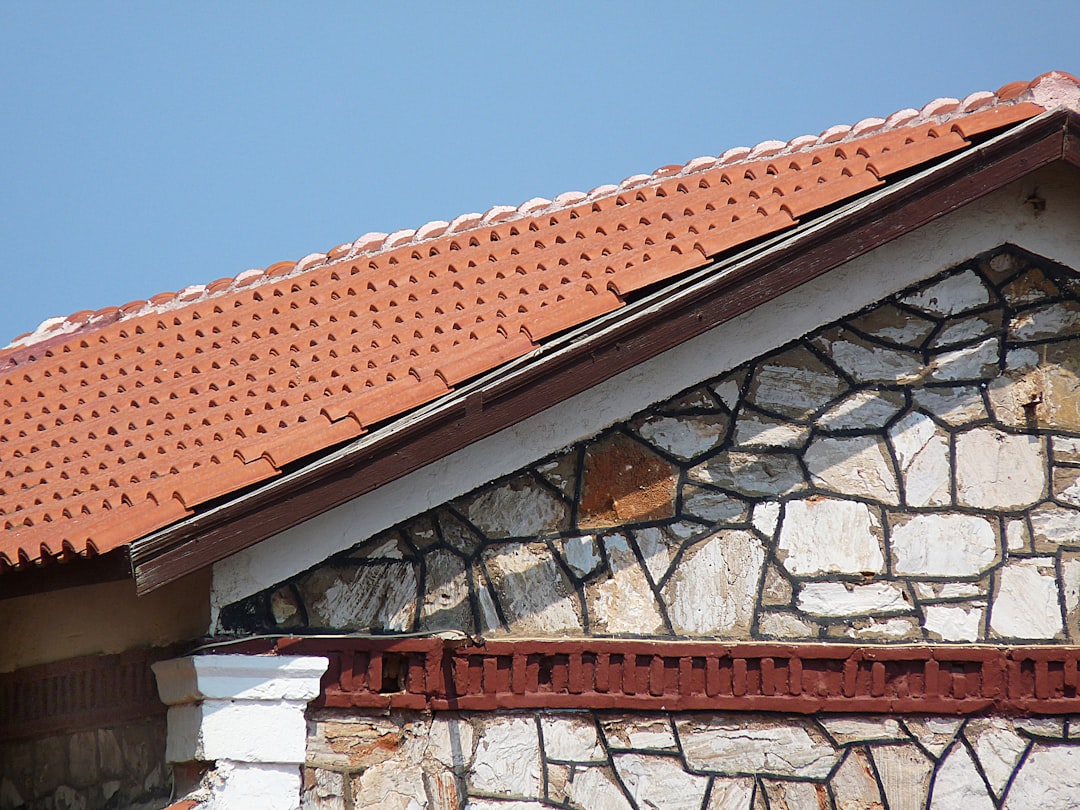
Tile roofs are heavy, beautiful, and can last over 50 years. They are fireproof and provide excellent insulation. However, they require a roof structure strong enough to support their weight. Installation is specialized and more expensive. Clay tiles are traditional but more fragile. Concrete tiles are more common and can be molded to look like clay, wood, or slate. They are a great choice for Spanish or Mediterranean-style homes. The key with tile is proper installation of the underlayment and flashings, as the tiles themselves are just a decorative, protective layer.
The True Cost of a New Roof: Breaking Down the Numbers
Homeowners are often shocked by the variation in quotes. A roof is priced by the "square," which is 100 square feet of roof area. The national average for an asphalt shingle roof is between $350 and $550 per square, but in Texas, with labor and material costs, expect $450 to $700 per square. For a typical 2,000 square foot home with a simple roof, that's a range of $9,000 to $14,000. Metal roofs can cost $800 to $1,400 per square, and tile roofs $1,000 to $2,000 per square. These are just material and labor. Other factors drastically change the price.
The roof's pitch (steepness) affects safety and labor time. A steep roof costs more. The number of layers to remove (tear-off) adds cost. Multiple chimneys, skylights, or complex valleys add labor. The quality of materials chosen changes the price. Finally, your location matters. Always get at least three detailed, written estimates. The cheapest quote is often the most expensive in the long run. They may be using inferior materials, cutting corners on underlayment, or planning to subcontract labor they cannot control. A fair quote itemizes material brands, labor, waste removal, and warranty details.
Real Project Cost Examples
Project A: A Kingwood home, 2,100 sq. ft., medium pitch, one chimney. We installed GAF Timberline HDZ architectural shingles with synthetic underlayment and full ridge vent. We replaced 4 sheets of decking. Total cost: $12,800. Project B: A Spring home, 3,400 sq. ft., low pitch, three skylights. We installed a standing seam metal roof from MBCI with a high-temperature barrier underneath. Total cost: $28,500. The homeowner chose metal for its 50-year warranty and energy savings, justifying the higher initial cost.
The Installation Process: A Day-by-Day Look from the Roofer's Perspective
A proper roof replacement takes 2-4 days for an average home. Here is what you should expect from a professional crew. Day 1: Preparation and Tear-Off. The crew arrives early. They lay tarps to protect your landscaping and use a magnetic roller to catch nails. They set up safety equipment. Then, they begin removing the old shingles and nails down to the bare decking. They load the waste into a dump trailer. Once the deck is exposed, they inspect it thoroughly. Any bad wood is marked and replaced. This is the noisiest and messiest day.
Day 2: Underlayment and Flashing. With a clean, solid deck, the crew installs the synthetic underlayment, stapling it securely. They install new drip edge along the eaves. Then, they install all the metal flashing in valleys, around chimneys, and at wall intersections. This is meticulous work that prevents future leaks. If you have chosen a ridge vent, they will cut a slot along the peak of the roof today.
Day 3: Shingle Installation. The shingles go on. They start at the bottom edge (eave) and work up. Each row is staggered for a water-tight seal. They use plenty of roofing nails, placed in the correct nail line. Around penetrations like vents, they use special sealants. The ridge cap shingles are installed last. A quality crew works methodically and cleans up as they go.
Final Day: Clean-Up and Inspection. The crew does a final sweep of the roof and yard with magnets. They remove the dump trailer and all equipment. The foreman or project manager does a walk-through with you. They should explain the work done, show you the warranty paperwork, and answer any questions. You should receive a copy of the manufacturer's warranty and the contractor's workmanship warranty.
How to Hire the Right Roofer: Red Flags and Green Lights
This is the most important section. Your roofer's skill determines the success of your investment. Green Lights (Signs of a Good Roofer): They are licensed and insured in your state (ask for proof). They have a physical business address. They offer manufacturer warranties that require them to be certified installers. They provide a detailed, written contract. They have positive reviews on multiple platforms like Google and the Better Business Bureau. They communicate clearly and answer all your questions.
Red Flags (Warning Signs to Avoid): They ask for full payment upfront. They only accept cash. They have no local references or online presence. Their truck has no company name. They pressure you to sign quickly, often using "today-only" discounts. Their quote is significantly lower than all others. They cannot explain the details of their proposed installation. They are not familiar with local building codes. Trust your gut. If something feels off, it probably is.
Maintaining Your Roof: Annual Tips from the Field
A little maintenance goes a long way. Twice a year, in spring and fall, do a visual inspection from the ground with binoculars. Look for missing, cracked, or curling shingles. Check for moss or algae growth. After major storms, look for granule loss in your gutters (a sign of shingle wear) or any visible damage. Keep your gutters clean to prevent water backup under the roof edge. Trim tree branches that hang over the roof to prevent damage and debris. Never pressure wash your asphalt shingles, as it can blast off the protective granules. If you see a problem, call a professional for a closer inspection. Small repairs are always cheaper than major leaks.
Frequently Asked Questions from Real Homeowners
How long should my new roof last?
A quality architectural asphalt shingle roof, properly installed and ventilated in Texas, should last 25-30 years. Metal roofs last 40-70 years, and tile roofs 50+ years. The warranty is a guideline, but your actual roof life depends on installation quality, maintenance, and weather events.
Can I install new shingles over my old ones?
Sometimes, but I rarely recommend it. Building codes often allow one overlay, but it hides problems with the decking. It adds weight and reduces the life of the new shingles. A full tear-off is almost always the better, longer-lasting choice.
What is the best time of year to replace a roof?
Spring and fall offer the mildest temperatures for the crew and the materials. However, a needed repair should never wait. Professional crews work year-round with proper safety protocols.
How do I handle a roof insurance claim after a storm?
First, document any damage with photos. Contact your insurance company to start a claim. They will send an adjuster. Then, get estimates from 2-3 reputable local roofers. The roofer can meet with the adjuster to ensure all damage is accounted for. Do not sign anything with a storm-chasing contractor who shows up at your door unsolicited.
What does a roofing warranty cover?
There are two parts: the manufacturer's material warranty and the contractor's workmanship warranty. The material warranty covers defects in the shingles or tiles. The workmanship warranty covers installation errors, like leaks from poor flashing. Read both carefully and keep them in a safe place.
Are those "free roof inspection" offers legitimate?
Reputable companies do offer free inspections as a way to earn your business. Be wary of inspectors who immediately find catastrophic damage and pressure you to sign a contract on the spot. A good inspector provides a detailed report with photos, not just a sales pitch.
How can I improve my roof's energy efficiency?
Choose lighter-colored shingles to reflect more heat. Ensure your attic is properly ventilated and has adequate insulation, as recommended by Energy.gov. Consider metal roofing with a reflective coating. These steps can lower attic temperatures and reduce cooling costs.
Conclusion: Your Path to a Secure Home
Your roof is your home's first line of defense. Choosing materials and a contractor is a big decision, but it does not have to be a scary one. Arm yourself with knowledge. Understand the system, the materials, and the fair market cost. Vet your contractor thoroughly. Look for experience, credentials, and transparency. Remember, the goal is not just a roof that looks good on day one, but a roof that performs flawlessly for decades, protecting your family and your investment. Use this guide as your reference. Take notes, ask the hard questions, and trust the professionals who demonstrate expertise and integrity. A well-built roof provides peace of mind, and that is truly priceless. Your next step is to schedule consultations with a few highly-rated local roofers. Show them you are an informed homeowner. A good contractor will respect your knowledge and work with you to create the best possible solution for your home.