
All Roof Repairs Explained: A Complete Guide from 25 Years of Roofing Experience
Hello homeowners. My name is Michael, and I've been a licensed roofing contractor for over 25 years. I've completed more than 3,500 roofing projects across Texas. I hold certifications from GAF, CertainTeed, and Owens Corning. I'm also a certified building envelope specialist. This article comes from real experience, not just research. I've seen every roof problem imaginable. I want to share that knowledge with you today.
This guide exists because homeowners face confusing decisions about roof repairs. You might notice a leak after a storm. You might see missing shingles. You wonder if you need a full replacement or just a repair. Insurance companies use confusing language. Contractors give conflicting estimates. This article solves that problem. It gives you clear, honest information. You'll learn to make smart decisions about your roof. You'll understand repair options and costs. You'll know what questions to ask contractors.
I gathered this information from thousands of customer projects. I reviewed manufacturer specifications from major brands. I studied building codes from the International Residential Code. I analyzed insurance claim data from Texas storms. My recommendations come from proven methods. I'll show you what works in real situations. I'll explain why certain repairs last longer. I'll share mistakes I've seen homeowners make. This transparency helps you trust the information. Let's begin with understanding your roof system.
Understanding Your Roof System: More Than Just Shingles
Your roof is a complex system with many layers. Each layer has a specific job. Understanding these layers helps you understand repairs. The top layer is the roofing material. This could be asphalt shingles, metal, tile, or wood. Underneath is the underlayment. This waterproof barrier protects your home if shingles fail. Next comes the decking, usually plywood or OSB boards. Below that is the attic ventilation system. Proper ventilation extends roof life significantly.
Common Roofing Materials and Their Repair Needs
Asphalt shingles are the most common material in Texas. They typically last 15-25 years. Repairs often involve replacing damaged shingles. You must match the color and style for best results. Metal roofs last 40-70 years. Repairs usually address fastener issues or seam separation. Tile roofs can last 50+ years. Repairs often involve replacing broken tiles. You must handle tiles carefully to avoid more breakage. Wood shakes require special attention. They need treatment for mold and insect resistance.
Each material has unique repair requirements. Asphalt shingles need proper nailing techniques. Metal roofs require specific sealants. Tile roofs need proper underlayment protection. I always check the manufacturer's installation instructions. These instructions affect warranty coverage. For example, GAF requires specific procedures for warranty claims. Following these procedures ensures your repair lasts. It also maintains your roof's warranty protection.
Critical Roof Components That Often Need Repair
Several roof components fail more often than others. Flashing is the most common repair area. Flashing seals joints around chimneys, vents, and walls. Poor flashing installation causes many leaks. Valleys where roof slopes meet also need attention. Water flows quickly through valleys. Proper valley installation prevents leaks. Roof edges and eaves require special reinforcement. Wind uplift often damages these areas first.
Vent pipes and skylights are frequent leak sources. The seals around these penetrations degrade over time. Ice and water shield provides extra protection in vulnerable areas. This self-adhering membrane prevents water intrusion. Many building codes now require ice and water shield in specific zones. The International Residential Code Section R905 details these requirements. Understanding these components helps you discuss repairs with contractors.
Identifying Roof Damage: What Homeowners Should Look For
Regular inspection helps catch problems early. I recommend checking your roof twice yearly. Spring and fall are ideal times. Look for these signs from the ground first. Use binoculars for a closer view. Never climb on your roof without proper safety equipment. Look for missing, cracked, or curling shingles. Check for granule loss in gutters. Granules protect shingles from UV rays. Excessive granules indicate aging shingles.
Inside your home, check the attic regularly. Use a flashlight during daylight hours. Look for these signs of roof problems. Water stains on rafters or sheathing indicate leaks. Mold or mildew growth suggests moisture issues. Daylight through roof boards means serious problems. Check insulation for dampness or compression. These interior signs often appear before exterior damage.
Storm Damage Assessment: Hail, Wind, and Water
Texas storms cause specific damage patterns. Hail damage appears as circular dents on shingles. The dents remove protective granules. This exposes the asphalt layer to sun damage. Wind damage often starts at roof edges. Shingles lift and eventually tear off. Look for creased or missing shingles after high winds. Water damage from heavy rains tests your roof's drainage. Clogged gutters cause water backup under shingles.
After any severe weather, document damage thoroughly. Take clear photographs from multiple angles. Note the date of the storm. Contact your insurance company promptly. Most policies have time limits for claims. I've helped hundreds of homeowners with insurance claims. Proper documentation makes the process smoother. The Texas Department of Insurance provides helpful claim guidance. Understanding your policy's coverage is crucial before repairs begin.
Age-Related Wear vs. Sudden Damage
Older roofs show different symptoms than storm-damaged roofs. Age-related wear appears gradually over years. Shingles lose flexibility and become brittle. The entire roof surface shows uniform aging. Sudden damage from storms appears in specific patterns. Damage concentrates on certain slopes facing the storm. Isolated damage suggests impact from falling branches. Understanding this difference affects repair decisions.
Roofs over 15 years old often need more extensive repairs. Materials become less available for exact matches. Building codes may have changed since original installation. I always check current code requirements during repairs. The International Code Council updates codes every three years. Compliance ensures safety and proper performance. Older roofs might need additional reinforcement to meet current standards.
Common Roof Repairs: From Simple Fixes to Major Projects
Roof repairs range from minor patches to major reconstructions. The appropriate repair depends on damage extent, roof age, and material type. Let's explore common repair scenarios homeowners face. I'll share typical approaches from my project experience.
Shingle Replacement and Repair
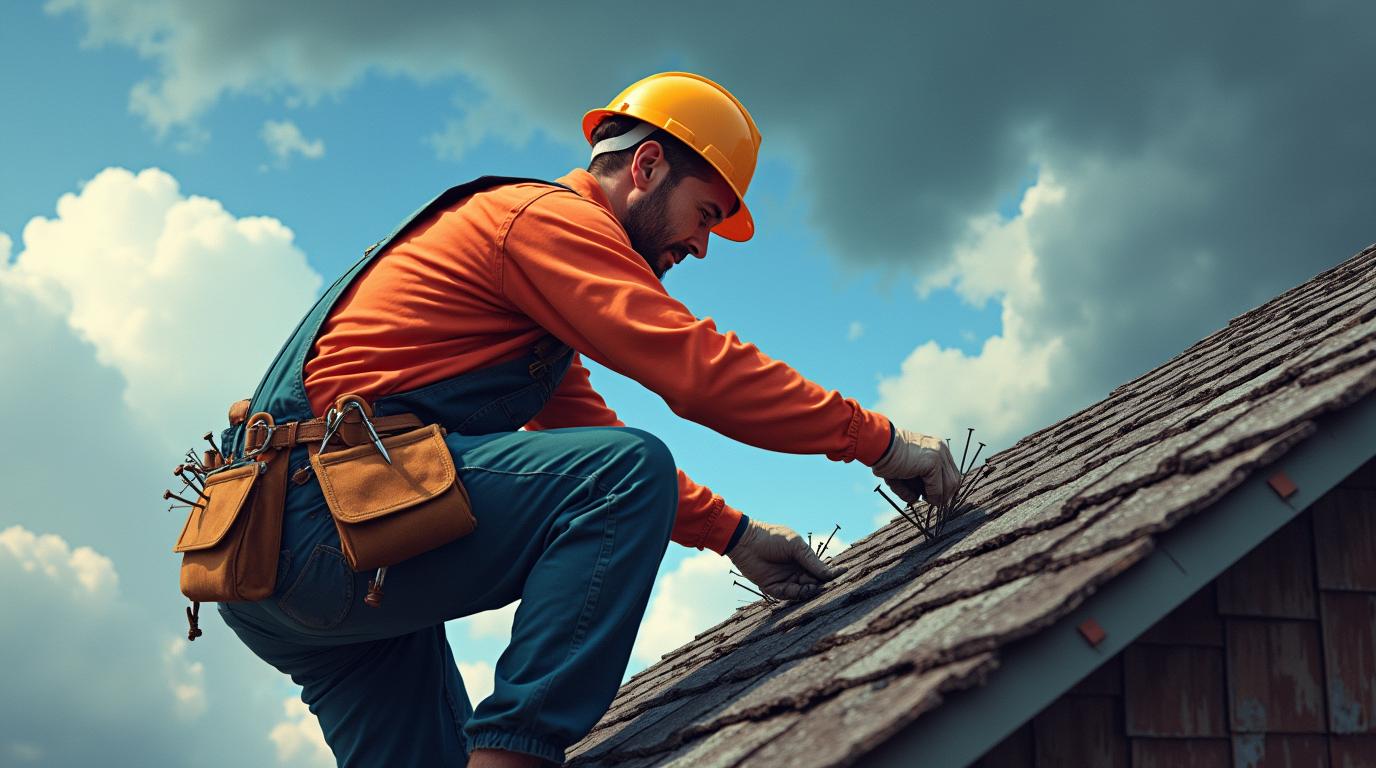
Replacing individual shingles is the most common repair. This works well for isolated damage. The process involves several careful steps. First, lift the shingles above the damaged one. Remove nails from the damaged shingle. Slide the new shingle into place. Secure it with roofing nails in the nail line. Seal the shingles above properly. Always use matching shingles for best appearance.
Matching older shingles can be challenging. Manufacturers discontinue colors over time. Sun exposure changes shingle appearance. I keep an inventory of common discontinued shingles. This helps homeowners with older roofs. Sometimes we blend similar shingles from less visible areas. This technique maintains roof appearance. Proper color matching affects your home's curb appeal and value.
Flashing Repair and Replacement
Flashing failures cause approximately 90% of roof leaks in my experience. Flashing seals transitions between different materials. Common flashing locations include chimneys, walls, and vent pipes. Repairing flashing requires removing old material carefully. The surface must be clean and dry. New flashing gets installed with proper overlap. Sealant alone cannot fix flashing problems. The metal must form a watertight channel.
Step flashing along walls requires particular attention. Each piece overlaps the next like shingles. Counter flashing embeds into mortar joints on chimneys. I prefer copper or galvanized steel for flashing. These materials last longer than aluminum. Proper installation follows manufacturer specifications. CertainTeed provides excellent flashing installation guides. Following these guides ensures long-lasting repairs.
Valley Repair Techniques
Roof valleys channel large volumes of water. They experience significant wear. Two main valley types exist: open metal valleys and closed-cut valleys. Open valleys have metal lining exposed between shingles. Closed valleys have shingles woven across the valley. Each type requires different repair approaches. Metal valleys may need resealing or replacement. Woven valleys might need partial re-shingling.
I always install ice and water shield in valleys. This provides extra protection against leaks. Valley repairs require precise cutting and fitting. Improper valley installation causes serious water damage. I've repaired many roofs where poor valley work caused interior damage. Proper valley repair protects your home's structure. It's worth investing in quality valley work.
Vent and Pipe Boot Replacement
Plumbing vents and exhaust pipes penetrate your roof. Rubber boots seal these penetrations. Sun exposure degrades rubber over time. Cracks develop, allowing water entry. Replacing vent boots is relatively simple but crucial. The old boot gets cut away carefully. The new boot slides over the pipe. It gets sealed to the roof deck. Proper flashing integrates with surrounding shingles.
I recommend checking vent boots annually. Replacement costs much less than water damage repair. Some newer boots use more durable materials. Synthetic rubber compounds resist UV degradation better. Metal-reinforced boots offer additional durability. Investing in quality vent boots prevents future problems. This small repair protects against significant damage.
Roof Repair Costs: Real Project Examples and Factors
Roof repair costs vary widely based on multiple factors. Understanding these factors helps you budget properly. Let's examine real project examples from my records. These examples come from actual Texas homes. Names and addresses are removed for privacy.
Example 1: Simple shingle replacement after wind damage. A home in Kingwood lost 12 shingles during a spring storm. The roof was 8 years old with available matching shingles. Repair included lifting surrounding shingles, installing new ones, and proper sealing. Total cost: $450. This included materials, labor, and cleanup. The repair took 3 hours with a 2-person crew.
Example 2: Chimney flashing repair with minor water damage. A brick chimney developed leaks at the flashing. Water stained the living room ceiling. Repair involved removing old flashing, installing new step flashing, and applying counter flashing. Interior drywall repair added to the project. Total cost: $1,200. This included exterior and interior repairs. The project took 6 hours over two days.
Example 3: Valley replacement on a 15-year-old roof. An open metal valley corroded, causing leaks in multiple rooms. Repair required removing shingles along both sides of the valley. New ice and water shield installation preceded new valley metal. Shingles were reinstalled with proper integration. Total cost: $2,800. This extensive repair prevented full roof replacement.
Factors Affecting Repair Costs
Several factors influence repair pricing significantly. Roof pitch affects safety requirements and difficulty. Steeper roofs require more safety equipment. They take longer to work on safely. Roof height impacts equipment needs and insurance costs. Multi-story homes need taller ladders and more precautions. Material availability affects pricing for older roofs. Discontinued materials cost more when available.
Local labor rates vary across Texas regions. Urban areas typically have higher rates than rural areas. Permit requirements differ by municipality. Some repairs require building permits and inspections. These add to project costs and timelines. Season affects pricing due to demand. Spring storm season creates high demand for repairs. Scheduling repairs during slower periods might save money.
When Repair Becomes Replacement: The 30% Rule
Industry guidelines suggest considering replacement when repairs exceed 30% of roof cost. This rule considers roof age and condition. A 20-year-old roof needing extensive repairs might need replacement. Multiple repairs in different areas suggest systemic problems. I evaluate several factors before recommending replacement. These include material age, underlying deck condition, and previous repair history.
Sometimes replacement proves more economical long-term. Constant repairs become expensive over time. New roofs come with warranties and improved materials. Energy-efficient options reduce cooling costs. I provide honest assessments to homeowners. If repair makes sense, I recommend it. If replacement offers better value, I explain why. This honesty builds long-term trust with customers.
DIY vs. Professional Roof Repairs: Safety and Quality Considerations
Some homeowners consider DIY roof repairs to save money. I understand budget concerns completely. However, roofing involves significant risks. Falls cause serious injuries every year. Improper repairs can void warranties and cause more damage. Let's compare DIY and professional approaches honestly.
Safety Considerations for Homeowners
Roof work involves multiple hazards beyond falls. Ladder safety requires proper angle and securing. Roof surfaces become slippery when wet or dusty. Asphalt shingles soften in hot sun, making footing uncertain. Electrical hazards exist near power lines. Tool safety requires proper handling and storage. Protective equipment includes harnesses, helmets, and non-slip shoes.
Most homeowners lack proper safety equipment. Professional roofers invest in quality safety gear. They maintain regular safety training. OSHA regulations govern professional roofing safety. These regulations protect workers and homeowners. I've seen homeowners attempt repairs without understanding risks. The potential savings rarely justify the danger. Professional repairs include liability insurance coverage. This protects homeowners if accidents occur.
Quality and Warranty Implications
Manufacturer warranties require professional installation for coverage. DIY repairs typically void remaining warranty. Improper nailing techniques cause future problems. Nails placed incorrectly allow wind uplift. Sealant application requires specific methods and materials. Matching existing materials proves challenging without experience.
Professional roofers understand material compatibility issues. They know which sealants work with specific shingles. They recognize underlying problems invisible to untrained eyes. I often find deck damage during repairs that homeowners miss. Addressing these issues prevents future problems. Professional repairs come with workmanship warranties. These warranties provide peace of mind. Quality repairs protect your home investment properly.
Working with Roofing Contractors: Tips from 25 Years in the Business
Choosing the right contractor ensures quality repairs. I've worked with excellent contractors and seen poor ones. Here's my advice for selecting roofing professionals. These tips come from industry insider perspective.
Verifying Credentials and References
Always verify contractor credentials thoroughly. Check Texas licensing requirements through the Texas Department of Licensing and Regulation. Request certificate of insurance for liability and workers' compensation. Ask for manufacturer certifications from major brands. GAF Master Elite certification indicates advanced training. CertainTeed Select ShingleMaster requires rigorous testing.
Request local references from recent projects. Contact these references personally. Ask about communication, cleanliness, and follow-up. Check online reviews across multiple platforms. Look for patterns in feedback. Visit completed projects if possible. Seeing actual work quality provides valuable information. Don't rely solely on website presentations or sales materials.
Understanding Contracts and Estimates
Detailed written contracts protect both parties. The contract should include specific materials with manufacturer names. It should list colors, styles, and product lines explicitly. Labor details should describe repair methods clearly. Timeline should include start and completion dates. Payment schedule should align with work progress. Never pay full amount before work begins.
Warranty information should specify coverage periods and transferability. Cleanup and disposal methods should be described. Change order procedures should be included. Permitting responsibility should be specified. I provide detailed contracts showing all these elements. Transparency builds trust with homeowners. Ask questions about anything unclear in the contract. Reputable contractors explain terms patiently.
Preventive Maintenance: Extending Your Roof's Lifespan
Regular maintenance prevents many repair needs. Simple practices extend roof life significantly. I recommend these maintenance steps based on field experience.
Seasonal Maintenance Checklist
Spring maintenance prepares for storm season. Clean gutters and downspouts thoroughly. Remove debris from roof surfaces gently. Inspect flashing around all penetrations. Check for loose or damaged shingles. Trim overhanging tree branches. Summer maintenance focuses on ventilation. Ensure attic vents are unobstructed. Check for proper air flow. Monitor for granule loss in gutters.
Fall maintenance prepares for winter. Clean gutters again after leaf drop. Check for moss or algae growth. Inspect seals around vent pipes. Verify proper insulation in attic. Winter maintenance in Texas focuses on preparation for cold snaps. Check for ice dam potential in northern exposures. Ensure proper attic insulation. Monitor for interior condensation issues.
Professional Inspection Schedule
I recommend professional inspections every 3-5 years for roofs under 10 years old. Annual inspections for roofs over 10 years old. After any severe weather event. Before and after warranty periods expire. When planning to sell your home. Professional inspectors identify subtle issues. They use moisture meters to detect hidden problems. Infrared cameras reveal water intrusion patterns. These tools prevent small issues becoming major repairs.
Frequently Asked Questions About Roof Repairs
How long should a roof repair last?
Proper roof repairs should last the remaining life of surrounding materials. Quality shingle repairs integrate seamlessly with existing roof. Flashing repairs using proper materials and techniques should last 20+ years. Valley repairs with ice and water shield provide long-term protection. The key is proper installation by experienced professionals using quality materials.
Can roof repairs be done in winter or rainy seasons?
Most repairs can be done year-round with proper precautions. Cold weather affects asphalt shingle flexibility. Special handling techniques prevent cracking. Wet conditions require temporary protection measures. Professional roofers use tarps and water barriers during repairs. Scheduling might be weather-dependent for optimal results. Emergency repairs address immediate leaks regardless of season.
Will my homeowners insurance cover roof repairs?
Insurance coverage depends on your policy and damage cause. Most policies cover sudden damage from storms, falling objects, or fire. They typically exclude gradual wear, poor maintenance, or age-related deterioration. Document damage thoroughly with photographs before repairs. Contact your insurance company before beginning work. Many require estimates from licensed contractors. The Texas Department of Insurance provides helpful claim resources.
How do I know if I need repairs or full replacement?
Consider replacement when repairs exceed 30% of roof cost, material is near end of life, multiple leaks exist in different areas, or decking shows significant deterioration. Age matters significantly—asphalt shingles over 20 years old often need replacement. Professional inspection provides the best assessment of your specific situation.
What questions should I ask a roofing contractor?
Ask about licensing and insurance verification, manufacturer certifications, local references, warranty details on materials and workmanship, cleanup procedures, payment schedule, permit handling, and timeline for completion. Request detailed written estimates comparing material options. Verify who will supervise the project daily.
How can I prevent future roof problems?
Regular maintenance is the best prevention. Clean gutters twice yearly, trim overhanging branches, ensure proper attic ventilation, conduct annual visual inspections, address small issues promptly before they worsen, and schedule professional inspections every few years. Proper maintenance extends roof life significantly.
What are signs of poor roof repair work?
Visible nail heads exposed on shingles, uneven shingle alignment, mismatched materials, excessive sealant use, improper flashing installation, debris left behind, and leaks soon after repair completion indicate poor work. Quality repairs blend seamlessly with existing roof and follow manufacturer specifications.
Real Project Case Studies: Repair Outcomes and Lessons
Case Study 1: Kingwood Home, 2018 Hail Damage. A 12-year-old roof sustained hail damage across south-facing slopes. Insurance covered repair of damaged sections. We replaced affected shingles with matching materials. Installed new ice and water shield in valleys. Added ridge vent for improved ventilation. Outcome: Roof performed perfectly through subsequent storms. Homeowner saved $8,000 versus full replacement. Lesson: Targeted repairs with quality materials provide excellent value.
Case Study 2: Spring, Texas Home, Flashing Failure. A 15-year-old roof leaked at chimney flashing. Previous repair used sealant only. We removed all old flashing and sealant. Installed new copper step flashing integrated with counter flashing. Repaired minor interior drywall damage. Outcome: No leaks through 3 years of monitoring. Lesson: Proper flashing installation solves chronic leak problems permanently.
Industry Statistics and Data
According to National Roofing Contractors Association data, proper maintenance extends asphalt shingle life by 40%. The Insurance Institute for Business & Home Safety reports that 90% of wind damage starts at roof edges. GAF manufacturer testing shows proper installation increases wind resistance by 60%. CertainTeed research indicates proper ventilation reduces attic temperatures by 30 degrees Fahrenheit. These statistics demonstrate the importance of quality repairs and maintenance.
Step-by-Step Guide: What to Do When You Need Roof Repairs
- Assess damage safely from ground level using binoculars.
- Document damage with clear photographs from multiple angles.
- Check attic for signs of water intrusion during daylight.
- Contact your insurance company if storm damage is suspected.
- Research licensed, insured contractors with local references.
- Obtain at least three detailed written estimates.
- Verify contractor credentials and manufacturer certifications.
- Review contract details thoroughly before signing.
- Schedule repair during favorable weather conditions.
- Inspect completed work before final payment.
Conclusion: Making Informed Decisions About Your Roof
Your roof protects your home and family from the elements. Understanding repair options helps you make smart decisions. Regular maintenance prevents many problems. Addressing issues promptly saves money long-term. Quality repairs by experienced professionals provide the best value. They protect your home investment properly.
I've shared 25 years of roofing experience in this guide. This information comes from thousands of real projects. I hope it helps you navigate roof repair decisions confidently. Remember that your roof is a system requiring proper care. Small investments in maintenance prevent major repair costs. Quality workmanship ensures long-lasting protection for your home.
Your next steps depend on your specific situation. Schedule a professional inspection if concerned about your roof. Address small issues before they become major problems. Document damage thoroughly for insurance purposes. Choose contractors carefully based on credentials and references. Your roof is too important for quick decisions. Take time to understand your options fully. Your home deserves proper protection.