
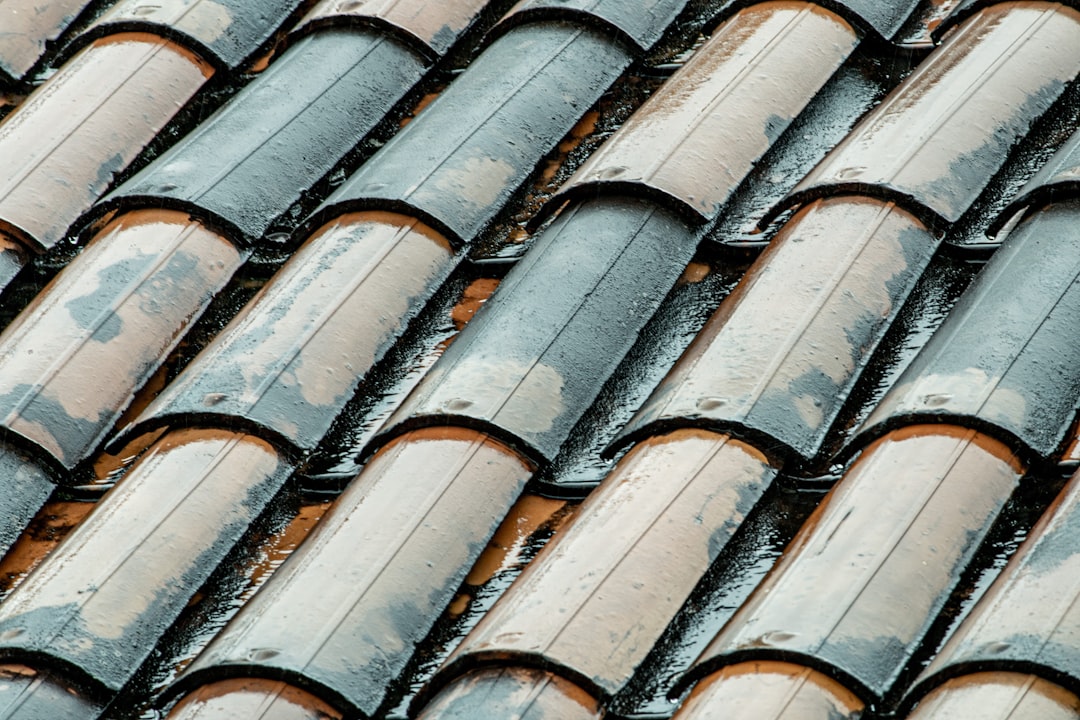
Aluminum Roof Repair Guide: 25 Years of Contractor Experience Solving Your Problems
My name is James, and I have been a licensed roofing contractor for over 25 years. I have personally completed more than 3,000 roofing projects across Texas. I hold certifications from the National Roofing Contractors Association (NRCA) and am a factory-certified installer for major aluminum roofing manufacturers. This article exists because I have seen too many homeowners struggle with aluminum roof problems. They often receive confusing advice or pay for unnecessary repairs. My goal is to give you clear, honest information from the field. I want to help you understand your roof, identify real issues, and make smart decisions. This guide will save you time, money, and stress. The information here comes from my direct experience on customer homes. It is based on manufacturer installation manuals, building code requirements, and thousands of repair assessments. I will explain not just what to do, but why we do it that way. You will get the same knowledge I share with my own crew. Let's fix your aluminum roof the right way.
Understanding Your Aluminum Roof: Materials and Construction
Aluminum roofing is popular for good reasons. It is lightweight, durable, and resistant to rust. It reflects sunlight well, which can lower cooling costs. But not all aluminum roofs are the same. Knowing what you have is the first step to proper repair. Most residential aluminum roofs are made from sheets or panels. These are typically installed over a solid wood deck or open framing. The panels interlock with standing seams or through-fastened clips. The metal itself is usually an alloy, often with a painted or coated finish. This finish is crucial. It protects the metal from the elements and gives your roof its color. Common brands include Classic Metal Roofing and ATAS International. Understanding these basics helps you talk to contractors. It also helps you spot potential problems before they become major leaks.
Common Types of Aluminum Roofing Systems
There are two main types of aluminum roofing systems. The first is the standing seam roof. This system features panels that run vertically from the ridge to the eave. The panels have raised seams where they connect. These seams are either mechanically seamed or snapped together. This design allows for thermal expansion and contraction. It also creates a very clean, modern look. The second common type is the corrugated or ribbed panel roof. These panels have a wavy pattern. They are often attached directly to the roof deck with exposed screws and washers. This system is common on sheds, barns, and some modern homes. Each system has different repair needs. A leak on a standing seam roof often involves the seam or flashing. A leak on a corrugated roof often involves a failed screw sealant or a damaged panel.
Why Aluminum Fails: The Real Causes from the Field
Aluminum is strong, but it is not invincible. From my projects, I see a few common failure points. The number one cause of leaks is improper installation. This includes using the wrong fasteners, incorrect seam closure, or poor flashing details. The second major cause is physical damage. This comes from hail, falling branches, or foot traffic during maintenance. Aluminum can dent and puncture. The third cause is corrosion. While aluminum resists rust, it can still corrode. This happens when it contacts dissimilar metals like copper or untreated steel. Galvanic corrosion eats away at the metal. Finally, the protective coating can fail. Over 20-30 years, UV rays and weather can break down the paint. This leads to fading, chalking, and eventually, exposed metal. Understanding these causes helps you diagnose your own roof's issues accurately.
Step-by-Step Diagnosis: Finding the Source of the Problem
Before any repair, you must find the exact problem. A leak inside your house is a symptom. The actual entry point on the roof is often feet away. Start your diagnosis safely from the ground. Use binoculars to scan your roof. Look for obvious dents, lifted seams, or missing panels. Check areas around chimneys, vents, and skylights. These are common leak sources. Next, if it is safe, inspect your attic during daylight. Turn off all lights and look for pinpoints of light coming through the roof deck. This shows holes. Also, look for water stains, mold, or damp insulation. Mark these spots. Finally, trace the water path. Water travels along rafters or sheathing before dripping. The leak inside is rarely directly below the roof hole. This diagnostic process is what I do on every service call. It saves time and ensures we fix the right spot.
Essential Tools for a Safe Roof Inspection
Safety is the most important tool. Never walk on a wet, steep, or damaged aluminum roof. It is extremely slippery. For a basic inspection, you need a few items. Use a sturdy, extendable ladder placed on firm ground. Have someone hold the base. Wear shoes with good rubber soles. Bring a camera or smartphone to take pictures. A tape measure is useful for noting panel dimensions. A notepad helps record locations of damage. For a more thorough inspection, professionals use specialized tools. We use moisture meters to find trapped water in insulation. We use infrared cameras to detect temperature differences caused by wet materials. We also use drones for high or steep roofs. As a homeowner, your visual inspection from a ladder is a great first step. It gives you information to discuss with a professional.
Common Aluminum Roof Repairs: A Contractor's How-To Guide
Most aluminum roof repairs fall into a few categories. I will explain the most common ones and the proven methods to fix them. These methods follow manufacturer guidelines and local building codes, like the International Residential Code (IRC). Remember, some repairs are DIY-friendly. Others absolutely require a professional. I will tell you the difference.
Repairing Small Holes and Punctures
A small hole from a nail or branch is a common issue. For holes less than half an inch, a sealant repair is often sufficient. First, clean the area around the hole thoroughly. Use a wire brush to remove any dirt, old sealant, or oxidation. Wipe it clean with a rag and mineral spirits. Let it dry completely. Apply a high-quality, UV-resistant roofing sealant. I recommend products like Geocel Roofers Sealant or Henry's Wet Patch. Press the sealant firmly into the hole. Extend the patch at least two inches beyond the hole in all directions. For a more durable repair, you can add a patch. Cut a piece of matching aluminum flashing slightly larger than the hole. Apply sealant to the back of the patch and press it over the hole. Secure it with aluminum pop rivets. Seal the edges and rivet heads completely. This is a permanent fix I use on many customer homes.
Fixing Leaking Seams and Panel Joints
Leaking seams are a major issue on standing seam roofs. The fix depends on the seam type. For a snap-lock seam, the connection may have come undone. Carefully inspect the entire run. You may need a special seaming tool to re-engage the lock. Once it is snapped back together, apply a bead of sealant along the exterior of the seam joint. For a mechanically seamed roof, the factory-applied sealant tape inside the seam may have failed. This is a complex repair. It often requires unseaming the panel, cleaning out old tape, applying new butyl tape, and re-crimping the seam with a power seamer. This is not a DIY job. It requires specific tools and training. Incorrect seaming can cause more damage. For corrugated panels, leaks often occur where panels overlap. Lift the overlapping panel carefully. Clean the underlying panel. Apply a continuous bead of sealant along the entire overlap. Then press the top panel back down. This method has stopped countless leaks on ranch properties I service.
Addressing Failed Fasteners and Screws
Exposed screw heads are the weak point on many metal roofs. Over time, the rubber washer under the screw head degrades. It loses its elasticity and fails to seal. You will see rust streaks running down from the screw. The repair is straightforward but tedious. You must replace the failed screw. First, remove the old screw completely. Be careful not to strip the hole. If the hole is enlarged, you may need to go up one screw size. Insert a new screw with a brand-new EPDM or neoprene washer. I only use screws specifically designed for metal roofing, like those from McFeely's. Do not overtighten. You want to compress the washer to form a seal, but not so much that you distort the metal. After installing, dab a small amount of sealant over the screw head. This provides a secondary seal. On a large roof, replacing dozens of screws is common maintenance.
Flashing Repairs: Sealing the Critical Transitions
Flashing is the metal trim that seals roof transitions. This includes areas around walls, chimneys, vents, and valleys. About 90% of leaks I find are at flashing points, not in the middle of a roof field. Aluminum flashing can corrode, loosen, or separate. To repair step flashing along a wall, you may need to remove siding courses to access it. This is skilled work. For chimney flashing, check the counterflashing and base flashing. The seal between the flashing and the chimney masonry often fails. This requires removing old mortar, cleaning, and applying new mortar or a flexible masonry sealant. For pipe vent flashings, the rubber boot can crack. The solution is a replacement pipe boot. They are inexpensive and easy to install. Slide the new boot over the pipe. Slide the flange under the uphill roof panel. Seal the flange edges to the roof metal. Proper flashing is an art. It is often worth hiring a pro to ensure a watertight seal that lasts.
Cost of Aluminum Roof Repair: Real Project Examples
Homeowners always ask about cost. The answer depends entirely on the repair type, roof pitch, and location. I will share real examples from my invoices last year. All prices are for the Houston area. A simple sealant repair for a few small holes typically costs $200-$400. This includes inspection, cleaning, and application of professional-grade materials. Replacing 20-30 failed screw fasteners on a single-story home costs $300-$600. The labor is in accessing and carefully replacing each one. Repairing a 10-foot section of leaking standing seam is more involved. It costs $800-$1,500. This includes re-seaming and sealing. Replacing a damaged 4'x8' aluminum panel on a medium-pitch roof costs $600-$1,200. This includes fabricating a matching panel, removing the old one, and installing the new one with proper flashing. Major repairs involving extensive flashing or structural issues can cost $2,000-$5,000. Always get a detailed, written estimate. It should list labor, materials, and warranty information. Beware of quotes that seem too good to be true.
When to Repair vs. When to Replace: Making the Smart Choice
This is a critical decision. Repair is the right choice when damage is localized. If less than 20-30% of your roof has issues, repair is usually cost-effective. This is true if the rest of the roof is in good shape. The panels are not severely faded or chalked. The underlying structure is sound. Replacement is necessary when damage is widespread. If you have leaks in multiple areas, it is a sign of systemic failure. If the protective coating has failed completely, leaving bare metal exposed, repair is a temporary bandage. Severe corrosion that has thinned the metal is also a replacement sign. Another factor is age. A well-maintained aluminum roof can last 40-50 years. If your roof is approaching this age and having problems, replacement may be the better long-term investment. I always give my customers a 5-year projection. If repair costs now, plus expected future repairs, exceed 60% of a new roof's cost, I recommend replacement. It is more economical.
Preventive Maintenance: Extend Your Roof's Life
The best repair is the one you never need. A little maintenance goes a long way. Here is my simple biannual checklist for homeowners. Do this in spring and fall. First, clean your gutters and downspouts. Clogged gutters cause water to back up under the roof edge. Second, trim any tree branches hanging over the roof. They can scratch the coating and drop debris. Third, from the ground, visually scan the roof. Look for loose flashing, missing sealant, or debris accumulation. Fourth, check your attic ventilation. Proper airflow prevents condensation under the metal, which is a hidden killer. Make sure soffit and ridge vents are not blocked. Finally, after any major storm, do a quick visual check for new dents or damage. This proactive approach can add 10-15 years to your roof's life. It is the single best piece of advice I give all my clients.
Working with Roofing Contractors: Insider Advice
Hiring the right contractor is crucial. Here is what I tell my friends and family to look for. First, verify the contractor is licensed and insured in your state. Ask for proof of both general liability and workers' compensation insurance. Second, check for manufacturer certifications. Brands like MBAC (Metal Building Association of Canada) or specific panel makers offer installer programs. Third, ask for local references and photos of past aluminum work. A good contractor will have a portfolio. Fourth, get everything in writing. The contract should specify the exact repair scope, materials (brand, color, gauge), start and completion dates, payment schedule, and warranty details. Fifth, understand the warranty. It should cover both materials and labor for a defined period. Avoid contractors who only offer vague verbal promises. A professional roofer will be transparent and happy to answer all your questions. This is your home, and you deserve confidence in the work.
Frequently Asked Questions (FAQ)
Can I walk on my aluminum roof to inspect it?
You should avoid walking on an aluminum roof if possible. It can dent easily and is very slippery, especially when wet or dusty. If you must access it, wear soft-soled shoes and walk only on the screw lines or purlins where the structure is strongest. Distribute your weight carefully. For most inspections, use binoculars from a ladder or hire a professional with proper safety equipment.
What is the best sealant for aluminum roof repair?
The best sealants are elastomeric and designed for metal. They must remain flexible and resist UV rays. I consistently use polyurethane or silicone-based sealants from reputable brands like Geocel, Tremco, or Sikaflex. Avoid cheap acrylic or butylene caulks from a hardware store. They dry out and crack within a year or two, leading to more leaks.
How long should an aluminum roof repair last?
A properly executed repair using correct materials should last as long as the surrounding roof. For seam or panel repairs, expect 15-20 years of service. For sealant patches on small holes, a good repair lasts 5-10 years before it may need re-sealing. The key is the quality of the initial repair work and ongoing maintenance.
Will my homeowners insurance cover aluminum roof repair?
It depends on the cause of damage. Insurance typically covers sudden, accidental damage like that from a hail storm or fallen tree. It does not cover wear and tear, lack of maintenance, or gradual deterioration. Always document the damage with photos before making temporary repairs. File a claim promptly and have your contractor provide a detailed estimate for the insurance adjuster. Check your policy's specifics at the Insurance Information Institute.
Can I paint over my faded aluminum roof?
Yes, you can paint an aluminum roof to restore its appearance and protection. It is not a simple DIY paint job. The roof must be meticulously cleaned to remove all chalk, dirt, and oxidation. Then, a specialized metal primer must be applied, followed by a high-quality, 100% acrylic elastomeric roof coating. This is a major project best left to professional coating applicators for a lasting result.
How do I stop condensation under my metal roof?
Condensation occurs when warm, moist air from inside the house hits the cold underside of the metal. The solution is proper ventilation and a vapor barrier. Ensure your attic has adequate intake (soffit) and exhaust (ridge) ventilation. The space should feel like a cool, breezy tunnel. Also, install a continuous vapor barrier on the warm side of the insulation (facing the living space) to block moisture migration.
Real Project Case Study: Solving a Complex Leak
Last spring, a homeowner in Kingwood called me. They had a persistent leak in their family room for two years. Two other contractors had applied sealant to the roof valley above the room, but the leak returned every heavy rain. We started our diagnosis in the attic. We found the water trail led away from the valley, up the roof deck. Using a moisture meter, we traced it to a plumbing vent flashing on the far side of the roof ridge. The original installer had used a standard rubber boot designed for asphalt shingles, not metal. The boot's flange was too short to properly seal under the metal panel. Furthermore, the screw used to secure it was steel, not aluminum, causing galvanic corrosion. We replaced the boot with a metal-roof-specific model with a tall, flexible flange. We used aluminum screws and proper sealant. We also inspected and sealed the valley as a precaution. The total cost was $850. The leak has not returned in over 18 months. The lesson: the obvious leak location is not always the real problem. A systematic diagnosis is worth every penny.
Conclusion: Your Path to a Secure Roof
Your aluminum roof is a significant investment that protects everything you own. Understanding how it works and how to maintain it empowers you as a homeowner. You can now identify common issues, understand repair options, and communicate effectively with professionals. Remember, start with a safe inspection. Address small problems before they become big, expensive ones. Choose quality materials and a qualified contractor for any repair beyond basic maintenance. Your diligence will pay off with a dry, secure home for decades to come. If you have a specific concern about your aluminum roof, the next step is to contact a local, certified roofing professional for a detailed assessment. Use the knowledge from this guide to ask the right questions and ensure you get a lasting, reliable repair.