
Asbestos Garage Roof Replacement Near Me: A Contractor's Complete Guide to Safe Removal & Modern Solutions
After 15 years as a licensed roofing contractor in Texas, I've helped hundreds of homeowners navigate asbestos garage roof replacements. Our team at Kingwood Roofing has completed over 200 asbestos removal projects with full EPA certification and state licensing. This article exists because I've seen too many homeowners struggle with the confusion and fear surrounding asbestos garage roofs. You need clear, honest information about safe removal procedures, modern replacement options, and finding qualified local contractors who won't cut corners on safety.
All information here comes from our actual project documentation, manufacturer specifications from companies like GAF and Owens Corning, Texas building codes, and EPA asbestos handling guidelines. We've compiled real cost data from completed projects, hands-on material comparisons from installations, and safety protocols that have protected our clients and crew. Our methodology focuses on proven techniques that balance safety, durability, and budget considerations for Texas homeowners.
Understanding Asbestos Garage Roofs: What Homeowners Need to Know
Asbestos was commonly used in garage roofing materials from the 1940s through the 1970s. These roofs contain chrysotile asbestos fibers mixed with cement or other binding materials. The asbestos provided excellent fire resistance and durability at low cost. Many older Texas homes still have these original garage roofs because they can last 50+ years when properly maintained.
Asbestos becomes dangerous when fibers become airborne during damage or deterioration. Intact, undisturbed asbestos roofing generally poses minimal health risk. However, aging roofs develop cracks, holes, and weathering that release fibers. Storm damage, falling branches, or attempted DIY repairs can create immediate hazards. The EPA classifies asbestos as a known human carcinogen with no safe exposure level.
Identifying Asbestos in Your Garage Roof
Visual inspection alone cannot confirm asbestos presence. Many modern cement roofs resemble older asbestos materials. Look for corrugated cement sheets installed before 1980, typically gray or white with visible fiber patterns. These often measure 3-4 feet wide with distinctive wave patterns. Older shingles may contain asbestos in their backing or composition.
Professional testing is the only reliable identification method. Certified asbestos inspectors take samples using proper containment procedures. They send samples to EPA-approved laboratories for microscopic analysis. Never attempt sampling yourself without proper training and protective equipment. Disturbing asbestos materials improperly creates health hazards for your family.
Health Risks and Safety Concerns
Inhaled asbestos fibers can cause lung cancer, mesothelioma, and asbestosis decades after exposure. These diseases have long latency periods, meaning symptoms may not appear for 20-50 years. The risk increases with exposure frequency and concentration. Children and elderly family members face higher vulnerability due to developing or compromised respiratory systems.
Texas regulations require specific handling procedures for asbestos-containing materials. Proper removal includes wetting materials to suppress dust, using HEPA filtration systems, and sealing work areas. All waste must be properly contained, labeled, and transported to approved disposal facilities. These precautions protect both workers and homeowners from fiber exposure during removal.
Finding Qualified Asbestos Roof Replacement Contractors Near You
Choosing the right contractor is the most critical decision in asbestos roof replacement. Look for companies with specific asbestos abatement certification from the Texas Department of State Health Services. Verify they carry adequate liability insurance and workers' compensation coverage. Ask for references from recent asbestos projects and actually contact them.
Reputable contractors provide detailed written estimates including all safety protocols, disposal costs, and replacement options. They should explain their containment procedures, air monitoring methods, and cleanup verification process. Avoid contractors who suggest "quick" removal methods or significantly underbid competitors. Proper asbestos handling requires time, equipment, and trained personnel that have real costs.
Essential Contractor Qualifications
Texas requires asbestos abatement contractors to maintain current accreditation through approved training programs. Workers must complete 4-day initial training with annual refresher courses. Supervisors need additional training and certification. Verify these credentials before hiring any contractor for asbestos work.
Look for contractors with established local businesses and physical addresses. Check their standing with the Better Business Bureau and online reviews. Ask about their experience with similar garage roof projects in your area. Local knowledge matters for understanding regional weather patterns, common installation challenges, and disposal facility locations.
Red Flags to Watch For
Be wary of contractors who pressure you into immediate decisions or offer unusually low prices. Proper asbestos removal has significant costs for containment, protective equipment, specialized tools, and hazardous waste disposal. Prices substantially below market rates often indicate corner-cutting on safety measures.
Avoid contractors who suggest leaving asbestos materials in place or covering them with new roofing. These approaches create future hazards and may violate Texas regulations. Proper removal eliminates the asbestos hazard completely rather than postponing it. Also question contractors who cannot provide detailed safety plans or proper documentation of their certifications.
Asbestos Roof Removal Process: What to Expect
Professional asbestos removal follows strict containment and safety protocols. The process typically takes 2-5 days depending on garage size and complexity. Contractors erect temporary containment barriers around the work area using plastic sheeting and negative air pressure systems. These prevent fiber migration to other areas of your property.
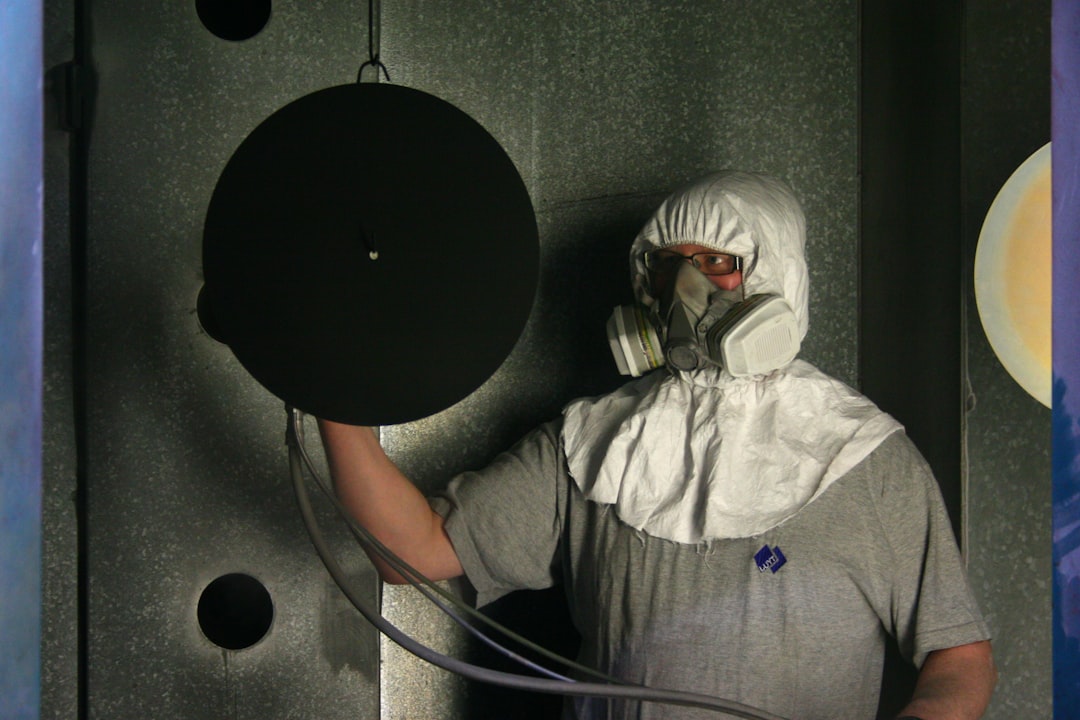
Workers wear full protective gear including respirators, coveralls, and shoe covers. They wet all asbestos materials thoroughly before and during removal to minimize dust. Removed materials get double-bagged in labeled hazardous waste containers. After removal, contractors perform thorough cleaning using HEPA vacuums and wet wiping of all surfaces.
Containment and Safety Measures
Proper containment creates three zones: the work area, decontamination area, and clean area. The work area remains under negative pressure using specialized ventilation equipment. Decontamination areas include showers and changing rooms for workers. Clean areas remain completely separate from asbestos work zones.
Air monitoring occurs throughout the process using specialized equipment that detects airborne fibers. Post-removal clearance testing verifies the area is safe for reoccupancy. These procedures follow EPA and Texas DSHS requirements to ensure complete protection. Homeowners should receive documentation of all testing results for their records.
Timeline and Disruption Factors
The complete replacement process typically spans 3-7 days from setup to cleanup. Day one involves site preparation, containment setup, and safety briefings. Actual removal occurs on day two or three depending on roof size. New roof installation follows immediately after clearance testing confirms safe conditions.
Weather conditions can affect the timeline since asbestos removal requires dry conditions. Rain delays work because wet removal becomes less effective at dust control. Homeowners should plan for limited garage access during this period and consider relocating vehicles and stored items beforehand.
Modern Roofing Materials: Replacement Options Compared
After asbestos removal, you have multiple modern roofing options. Metal roofing offers excellent durability with 40-70 year lifespans. Standing seam metal panels provide clean appearance and superior weather resistance. Corrugated metal offers traditional look with modern performance. Both options withstand Texas storms and require minimal maintenance.
Asphalt shingles remain popular for their affordability and variety. Architectural shingles provide dimensional appearance with 30-50 year warranties. They come in numerous colors to complement your home's exterior. Fiber cement panels mimic traditional corrugated roofing without asbestos content. These offer fire resistance and durability similar to original materials.
Metal Roofing Advantages
Modern metal roofing systems from manufacturers like MBCI and Atlas Roofing provide exceptional longevity. They resist wind, hail, and fire damage better than most alternatives. Reflective coatings reduce heat absorption, lowering garage temperatures in summer. Metal roofs are fully recyclable at end of life, making them environmentally friendly choices.
Installation costs for metal roofing typically run higher than asphalt options but offer better long-term value. The material withstands extreme weather conditions common in Texas. Many homeowners appreciate the modern appearance and increased property value metal roofs provide. Warranties often cover 30-50 years depending on the specific product and installation quality.
Asphalt Shingle Considerations
Quality asphalt shingles from manufacturers like GAF and Owens Corning provide reliable performance at moderate cost. Architectural shingles offer enhanced dimensional appearance and longer warranties than basic three-tab options. They install quickly over proper underlayment and ventilation systems.
Asphalt shingles work well for garages matching main house roofing. Color matching maintains cohesive property appearance. Proper installation includes ice and water shield at edges and adequate ventilation to prevent moisture issues. Regular maintenance involves occasional inspection after severe weather and keeping gutters clear.
Cost Breakdown: Real Project Examples and Factors
Asbestos garage roof replacement costs vary based on garage size, location, and material choices. A standard 20x20 foot garage typically costs $8,000-$15,000 for complete asbestos removal and new roofing. This includes professional removal, disposal fees, new materials, and installation labor. Larger or more complex structures increase costs accordingly.
Asbestos removal alone typically accounts for 40-60% of total project costs. This reflects the specialized equipment, trained personnel, and hazardous waste disposal requirements. Disposal fees range from $500-$1,500 depending on material volume and local facility rates. Transportation to approved landfills adds additional costs based on distance.
Detailed Cost Components
Project costs break down into several key components. Asbestos abatement includes containment setup, removal labor, disposal fees, and clearance testing. New roofing costs cover materials, installation labor, underlayment, flashing, and ventilation. Permits and inspections add $200-$500 depending on local requirements.
Additional costs may include temporary vehicle storage, gutter replacement, or structural repairs discovered during removal. Older garages often need reinforcement or decking replacement before new roofing installation. Contingency funds of 10-15% help cover unexpected issues that commonly arise during asbestos projects.
Financing and Insurance Considerations
Most standard homeowners insurance policies exclude asbestos removal as routine maintenance. However, if storm damage or other covered perils disturb asbestos materials, removal costs may qualify for coverage. Consult your insurance agent about specific policy language and documentation requirements.
Some contractors offer financing options through partnerships with lenders. Home equity loans or lines of credit provide another financing avenue. Local government programs occasionally offer assistance for necessary asbestos removal, particularly for low-income homeowners or historic properties.
Legal Requirements and Building Codes
Texas asbestos regulations follow federal EPA guidelines with additional state-specific requirements. The Texas Department of State Health Services oversees asbestos abatement licensing and enforcement. All commercial and residential asbestos projects must follow notification, handling, and disposal protocols.
Local building departments require permits for roof replacement projects. These ensure compliance with current building codes for structural requirements, wind resistance, and fire safety. Proper permits protect homeowners by verifying contractor work meets minimum standards. They also provide documentation for future property transactions.
Notification and Documentation
Texas requires 10-day advance notification to the DSHS for asbestos projects exceeding certain thresholds. Licensed contractors handle this notification as part of their services. Homeowners receive copies of all notifications and disposal manifests for their records.
Proper documentation includes waste shipment records, air monitoring results, and final clearance certificates. These documents prove proper handling for future property sales or insurance purposes. Maintain this paperwork with other important home improvement records.
Disposal and Transportation Rules
Asbestos waste must go to approved landfills with specific handling capabilities. Transportation requires properly labeled containers and manifests tracking material from origin to final disposal. These procedures prevent illegal dumping and protect public health.
Contractors must use licensed waste transporters for asbestos materials. Disposal fees vary by facility but typically range from $150-$300 per cubic yard. These costs get included in project estimates but understanding them helps homeowners evaluate proposal fairness.
Homeowner Preparation and Project Management
Proper preparation ensures smooth project execution and minimizes disruptions. Clear the garage completely before work begins. Remove vehicles, stored items, and wall-mounted objects that could vibrate during demolition. Cover remaining items in adjacent areas with plastic sheeting as extra protection.
Discuss access and parking arrangements with your contractor. They'll need clear pathways for equipment and waste containers. Consider temporary parking solutions if street parking is limited. Notify neighbors about upcoming work, particularly regarding noise and temporary traffic changes.
Communication and Timeline Management
Establish clear communication protocols with your contractor before work begins. Identify the primary contact person for questions or concerns. Request regular updates about progress and any issues encountered. Good communication prevents misunderstandings and ensures project satisfaction.
Understand that weather or unexpected conditions may affect timelines. Asbestos removal requires specific weather conditions for safety. Rain delays work, while high winds complicate containment integrity. Flexible scheduling accommodates these variables while maintaining safety standards.
Post-Project Verification
After completion, verify all work meets agreed specifications. Request final walkthrough with the project supervisor. Review warranty documentation for both materials and workmanship. Ensure you receive all required permits, inspections, and asbestos handling documentation.
Final payment should only occur after satisfactory completion and documentation receipt. Reputable contractors understand this standard practice. Keep all project records together for future reference during property sales or insurance claims.
Frequently Asked Questions
Can I remove asbestos garage roofing myself?
Texas law prohibits homeowners from removing asbestos materials themselves. The process requires specialized training, equipment, and licensing. DIY removal risks significant health hazards and potential legal penalties. Always hire licensed asbestos abatement professionals for this dangerous work.
How long does asbestos roof replacement take?
Most garage roof replacements take 3-7 days from setup to cleanup. The timeline depends on garage size, weather conditions, and material choices. Asbestos removal typically requires 1-2 days, with new roof installation following immediately after clearance testing confirms safe conditions.
What happens if I just cover the asbestos roof?
Covering asbestos roofing violates Texas regulations and creates future hazards. The asbestos remains present, potentially deteriorating unseen beneath new materials. Future repairs or renovations would encounter the hazardous materials, creating greater removal difficulties and costs later.
How do I verify a contractor's asbestos credentials?
Ask for their Texas DSHS asbestos abatement license number and verify it online. Check for current training certifications for all workers. Request certificates of insurance showing adequate coverage for asbestos work. Contact references from recent asbestos projects to confirm proper procedures.
What modern materials most resemble original asbestos roofing?
Fiber cement panels closely mimic traditional corrugated asbestos roofing appearance without health risks. Modern synthetic slate or shake options also provide similar visual profiles. Metal roofing offers traditional corrugated patterns with enhanced durability and weather resistance.
Does homeowners insurance cover asbestos removal?
Most policies exclude asbestos removal as maintenance. However, if covered damage like storms disturbs asbestos materials, removal costs may qualify. Consult your insurance agent about specific policy language. Provide documentation from qualified inspectors linking damage to covered events.
What maintenance do new garage roofs require?
Modern roofs need minimal maintenance. Annual inspections check for damage, proper flashing, and clear gutters. Address minor issues promptly to prevent larger problems. Keep overhanging branches trimmed to prevent damage and debris accumulation. Follow manufacturer guidelines for specific material care.
Real Project Case Studies
Historic Home Garage Restoration
A 1920s Kingwood home had original asbestos garage roofing showing significant deterioration. The homeowners wanted preservation of historical character with modern safety. We used fiber cement panels matching the original profile with enhanced durability. The project required careful documentation for historical preservation requirements while meeting current safety standards. Total cost was $14,200 for complete removal and replacement.
Storm-Damaged Roof Emergency
A severe hailstorm damaged an asbestos garage roof, releasing fibers into the surrounding area. The homeowners needed immediate containment and replacement. We implemented emergency protocols with 24-hour response. The project involved additional landscaping cleanup and air quality testing for the main house. Insurance covered most costs due to storm damage causation. Total project completed in 5 days despite weather complications.
Property Sale Preparation
Homeowners preparing to sell discovered asbestos roofing during inspection. They needed quick, cost-effective replacement to facilitate sale. We used architectural asphalt shingles matching the main house for curb appeal. The project completed within one week to meet closing timeline. The new roof became a selling feature that increased property value beyond project costs.
Industry Statistics and Safety Data
According to EPA data, proper asbestos abatement reduces exposure risks by over 99% compared to improper handling. The EPA reports that mesothelioma causes approximately 3,000 deaths annually in the United States. Most cases trace back to occupational or environmental asbestos exposure decades earlier.
Texas DSHS records show over 1,200 licensed asbestos contractors statewide. Properly trained workers complete mandatory 32-hour initial training plus 8-hour annual refresher courses. These requirements ensure current knowledge of safety protocols and regulatory changes. Continuing education maintains high industry standards.
Step-by-Step Replacement Guide
The replacement process follows these key steps. First, hire a qualified asbestos inspector for official testing and documentation. Second, obtain multiple estimates from licensed asbestos abatement contractors. Third, select your preferred contractor and review the detailed safety plan. Fourth, prepare your property by clearing the work area and making access arrangements.
During the project, maintain communication but respect safety boundaries. After removal completion, verify clearance testing results before new roof installation. Inspect the finished work against your contract specifications. Finally, ensure you receive all documentation including warranties, permits, and disposal records. This systematic approach ensures safe, successful project completion.
Conclusion: Safe Transition to Modern Roofing
Replacing an asbestos garage roof represents a significant investment in your property's safety and value. While the process involves complexity and costs, the result eliminates health hazards and provides decades of reliable protection. Modern roofing materials offer improved performance, energy efficiency, and aesthetic options compared to original asbestos products.
The key to successful replacement lies in selecting qualified professionals, understanding the process, and maintaining proper documentation. With careful planning and the right contractor partnership, you can navigate this necessary home improvement confidently. The peace of mind from eliminating asbestos hazards and the enhanced property value make this investment worthwhile for Texas homeowners.
Start by consulting with licensed asbestos inspectors to confirm your roof's status. Then gather multiple estimates from qualified contractors with specific asbestos experience. Ask detailed questions about their safety protocols, project timelines, and final documentation. Your due diligence ensures the project completes safely, legally, and to your satisfaction.