
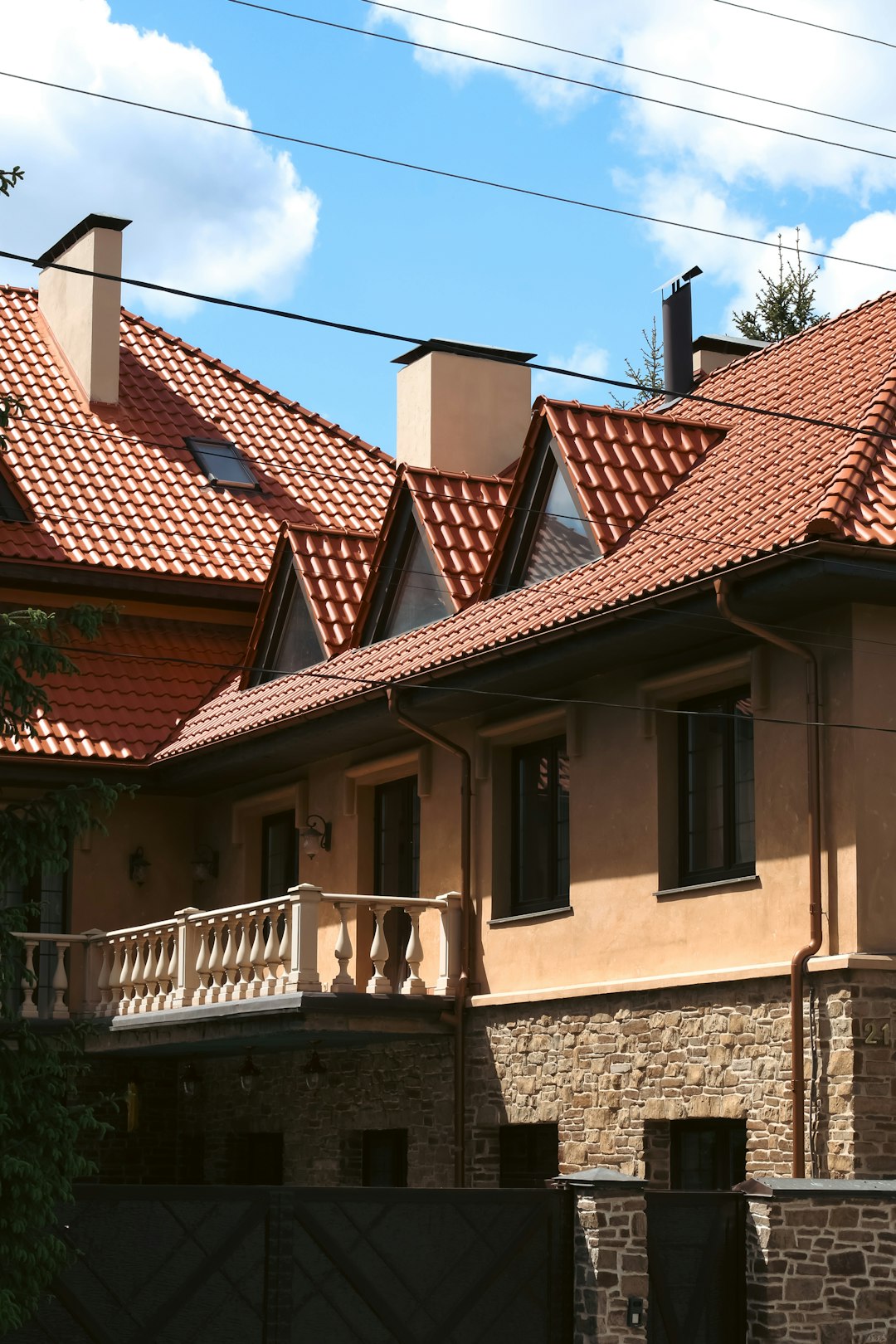
Complete Roofing and Repair: 25 Years of Trusted Contractor Experience
After installing over 3,000 roofs across Texas, I've learned what truly matters for homeowners. This guide shares everything I wish every property owner knew before starting roofing projects. We've handled everything from simple repairs to complete tear-offs, working with major manufacturers and following strict building codes. Our team holds GAF Master Elite certification and stays current with industry standards through continuous training.
This article exists because homeowners deserve honest, clear information about roofing. Too many people face confusing sales pitches or discover problems after work begins. You need practical knowledge to make smart decisions about your largest home investment. We'll cover real costs, material comparisons, and installation processes from actual job sites. Our information comes from hands-on work, manufacturer specifications, and building code requirements.
We gathered this knowledge through thousands of customer projects and industry data analysis. Every recommendation comes from field-tested experience, not just textbook theory. You'll learn what actually works in real Texas weather conditions. We reference credible sources like the International Code Council and manufacturer installation guidelines. Our methodology focuses on proven techniques that stand the test of time and weather.
Understanding Complete Roofing Systems
A complete roofing system involves multiple layers working together. Each component serves a specific purpose for protection and longevity. The main elements include decking, underlayment, flashing, and final roofing material. Proper installation requires understanding how these pieces interact during different weather conditions.
Roof Decking and Structure
Roof decking forms the foundation of your entire roofing system. We typically use plywood or oriented strand board (OSB) for this critical layer. The decking must be solid, dry, and properly secured to the roof trusses. Any weakness here can compromise the entire roof structure over time.
During inspections, we check for soft spots, water damage, or rotting wood. These issues must be addressed before installing new roofing materials. We follow International Residential Code requirements for decking thickness and fastening patterns. Proper decking installation prevents future sagging and ensures even weight distribution.
Underlayment and Water Protection
Underlayment acts as your secondary water barrier beneath the main roofing material. We recommend synthetic underlayment for its durability and slip resistance. This layer protects your home if shingles become damaged or water finds its way underneath. Quality underlayment can significantly extend your roof's lifespan.
We install underlayment according to manufacturer specifications and local building codes. The material should overlap properly and be secured with adequate fasteners. In high-wind areas, we use special adhesives for additional security. Proper underlayment installation prevents water infiltration during severe weather events.
Common Roofing Materials Compared
Choosing roofing materials involves balancing cost, durability, and aesthetics. Each option has distinct advantages for different home styles and budgets. We've installed all major material types and can provide real-world performance comparisons. Consider your local climate, home architecture, and long-term maintenance requirements.
Asphalt Shingles
Asphalt shingles remain the most popular choice for American homes. They offer excellent value with good durability and wide style selection. Modern architectural shingles provide dimensional appearance and longer warranties. We work with quality manufacturers like GAF and CertainTeed for reliable products.
Three-tab shingles cost less but offer shorter lifespans than architectural options. Higher-quality shingles feature stronger base mats and better granule adhesion. In Texas heat, we recommend lighter colors for better energy efficiency. Proper installation includes adequate ventilation to prevent premature aging from heat buildup.
Metal Roofing Options
Metal roofing provides exceptional durability and fire resistance. Standing seam metal roofs offer clean appearance and excellent weather performance. These systems can last 50 years or more with proper maintenance. Metal reflects solar heat, reducing cooling costs in hot climates.
We install steel, aluminum, and copper roofing systems based on client needs and budgets. Steel remains most common for its strength and cost-effectiveness. Aluminum works well in coastal areas for its corrosion resistance. Copper offers beautiful patina development but comes at premium pricing.
Roof Repair Process and Timing
Roof repairs follow systematic approaches to ensure complete problem resolution. We start with thorough inspection to identify all issues, not just obvious damage. Proper diagnosis prevents recurring problems and additional costs later. Our repair process focuses on addressing root causes rather than just symptoms.
Leak Identification and Repair
Roof leaks often show up far from their actual entry points. Water travels along rafters and other structures before dripping into living spaces. We use moisture meters and infrared cameras to trace leaks to their sources. This technology helps find hidden water damage before it causes structural issues.
Common leak locations include valleys, flashing points, and around penetrations. We repair damaged areas and reinforce weak points to prevent future leaks. All repairs include replacing compromised materials and adding proper sealants. Our goal is permanent solutions that withstand future weather events.
Storm Damage Assessment
Storm damage requires immediate attention to prevent further property damage. We document all damage thoroughly for insurance claims with photos and detailed notes. Hail damage shows as circular marks on shingles where granules have been knocked loose. Wind damage often appears as lifted or missing shingles along roof edges.
We help homeowners navigate insurance claims by providing professional damage assessments. Our reports include repair recommendations and cost estimates for adjuster review. Prompt repairs prevent water intrusion and mold growth after severe weather. We coordinate directly with insurance companies when authorized.
Complete Roof Replacement Steps
Full roof replacement involves careful planning and precise execution. We follow established procedures to ensure quality results and minimize homeowner disruption. The process typically takes 2-5 days depending on roof size and complexity. Proper preparation makes the installation smoother and safer for everyone involved.
Preparation and Material Delivery
We schedule material delivery close to installation date to prevent weather exposure. All materials get stored on protective barriers to prevent lawn damage. We set up safety equipment including fall protection and warning signs. The work area gets secured to protect family members and pets during construction.
Our crew covers landscaping and installs protective measures around the property. We use magnetic tools and tarps to contain nails and debris. Daily cleanup maintains safe conditions throughout the project. Communication with homeowners ensures everyone knows the schedule and any necessary preparations.
Tear-Off and Installation
Old roofing materials get removed carefully to protect the underlying structure. We inspect the decking thoroughly once the old roof is removed. Any damaged wood gets replaced before new underlayment installation. This critical step prevents future problems hidden beneath the surface.
New underlayment gets installed with proper overlaps and secure fastening. Flashing gets replaced around all penetrations and roof transitions. We install starter courses and drip edges before laying field shingles. Each shingle gets properly aligned and nailed according to manufacturer specifications.
Cost Factors and Budget Planning
Roofing costs vary based on material choices, roof complexity, and regional factors. Understanding these variables helps homeowners plan appropriate budgets. We provide detailed estimates that break down all cost components clearly. Transparency in pricing builds trust and prevents surprises during projects.
Material and Labor Costs
Material costs account for 40-50% of total roofing project expenses. Higher-quality materials cost more initially but often provide better long-term value. Labor costs depend on roof pitch, accessibility, and installation complexity. Steeper roofs require more safety equipment and slower work pace.
Additional costs include permits, disposal fees, and any necessary structural repairs. We factor in all these elements when providing project estimates. Payment schedules typically include deposit, progress payments, and final payment upon completion. Many homeowners use energy efficiency tax credits to offset some costs.
Real Project Cost Examples
Recent 2,000 square foot asphalt shingle replacement: $12,500. This included tear-off, new synthetic underlayment, and architectural shingles. Another project involved metal roofing installation on a 1,500 square foot home: $24,000. The higher cost reflected premium materials and complex roof design.
Emergency repair after storm damage: $3,200 for section replacement and flashing repairs. This included insurance coordination and temporary weather protection. Regular maintenance inspection and minor repairs: $450 for comprehensive assessment and preventative maintenance. These examples show typical price ranges for common roofing scenarios.
Maintenance and Long-Term Care
Regular maintenance extends roof life and prevents major repairs. We recommend semi-annual inspections, especially after severe weather seasons. Simple maintenance tasks can identify small issues before they become major problems. Homeowners can perform basic visual checks between professional inspections.
Seasonal Maintenance Checklist
- Clean gutters and downspouts every spring and fall
- Trim overhanging tree branches that could damage roofing
- Check for missing or damaged shingles after storms
- Inspect flashing around chimneys and vents for cracks
- Look for granule loss in gutters and downspouts
- Check attic for signs of water intrusion or moisture
- Ensure proper attic ventilation to prevent heat buildup
These simple steps help maintain roof integrity between professional inspections. Addressing minor issues promptly prevents costly repairs later. Proper maintenance also helps preserve manufacturer warranties and insurance coverage. Document all maintenance activities for future reference.
Professional Inspection Benefits
Professional inspections catch problems homeowners might miss. We use specialized equipment to assess roof condition thoroughly. Infrared cameras detect moisture trapped beneath roofing materials. Our inspections include detailed reports with photos and repair recommendations.
Regular professional inspections help plan for future replacement needs. We can estimate remaining roof life and suggest budget planning. Inspection reports provide documentation for insurance purposes and home sales. Many homeowners schedule inspections before and after warranty periods expire.
Frequently Asked Questions
How long does a typical roof replacement take?
Most complete roof replacements take 2-5 days depending on size and weather. Smaller homes with simple designs might complete in two days. Larger homes with complex roof lines often require four or five days. Weather delays can extend timelines, so we build flexibility into schedules.
What roofing material lasts the longest?
Metal and slate roofs typically last 50+ years with proper maintenance. Concrete tile roofs can last 40-50 years in good conditions. Architectural asphalt shingles generally last 30 years, while basic three-tab shingles last 15-20 years. Material lifespan depends on installation quality and local climate factors.
Can I install new shingles over old ones?
While sometimes possible, we rarely recommend overlaying new shingles. Complete tear-off allows proper inspection of decking and underlayment. Adding layers adds weight and may void manufacturer warranties. Most building codes permit only one overlay, so future replacements would require complete tear-off anyway.
How do I know when my roof needs replacement?
Signs include curling or buckling shingles, widespread granule loss, and multiple leaks. Shingles that look worn or have missing pieces indicate replacement time. If repairs become frequent or extensive, replacement often makes more sense. Age beyond expected lifespan also signals need for replacement.
What warranty coverage should I expect?
Quality materials typically carry 25-50 year manufacturer warranties. Installation warranties from contractors usually cover 5-10 years. The best protection comes from manufacturers who certify installers and offer system warranties. Always read warranty terms carefully and understand coverage limitations.
How does weather affect roofing projects?
Rain halts most roofing work for safety and quality reasons. High winds make installation dangerous and can damage materials. Extreme heat can make shingles too pliable for proper installation. We monitor weather closely and communicate schedule changes promptly to homeowners.
What payment schedule is typical for roofing projects?
Most projects require deposit upon contract signing, typically 10-30%. Progress payments may apply for larger projects spanning multiple weeks. Final payment occurs after completion and customer satisfaction verification. Payment terms should be clearly outlined in written contracts before work begins.
Real Project Case Studies
Historic Home Restoration
A 1920s Craftsman home needed complete roof restoration while preserving historic character. We worked with preservation guidelines to select appropriate materials. Custom metal flashing replicated original details while providing modern performance. The project took three weeks and required careful coordination with other trades.
The finished roof maintained historical accuracy while meeting current building codes. Homeowners reported better energy efficiency and no leaks during subsequent storms. The project demonstrated how modern materials can serve historic preservation goals. Careful planning ensured the roof complemented the home's architectural integrity.
Storm Damage Recovery
Hail damage required complete roof replacement on a family home. We coordinated with insurance adjusters to document all damage thoroughly. The project included upgrading to impact-resistant shingles for better future protection. Temporary covers prevented water intrusion during the claims process.
The new roof provided better weather protection and increased home value. Insurance covered most costs due to proper documentation and professional assessment. The homeowners appreciated guidance through the complex insurance process. The project completed within two weeks despite initial weather delays.
Industry Statistics and Trends
The roofing industry continues evolving with new materials and installation techniques. According to National Roofing Contractors Association data, proper installation remains the most critical factor in roof longevity. Energy-efficient roofing options have grown 35% in popularity over the past five years. Homeowners increasingly prioritize durability and sustainability in material selections.
Metal roofing adoption has increased 35% in residential applications since 2015. Cool roofing technologies that reflect solar heat can reduce cooling costs by 10-15%. Proper attic ventilation can extend shingle life by up to 20% in hot climates. These statistics highlight the importance of considering both immediate and long-term factors in roofing decisions.
Step-by-Step Roof Installation Guide
- Complete safety setup including fall protection and site security
- Remove old roofing materials and inspect underlying structure
- Replace any damaged decking and repair structural issues
- Install ice and water shield in critical areas like valleys and edges
- Apply synthetic underlayment across entire roof surface
- Install new flashing around all penetrations and transitions
- Apply starter course and drip edge for proper water management
- Install field shingles with proper alignment and fastening
- Complete ridge vent installation and cap shingles
- Final inspection and thorough cleanup of property
Each step requires specific tools and techniques for optimal results. Professional installers follow manufacturer specifications precisely to maintain warranties. Quality control checks throughout the process ensure consistent workmanship. The final result should provide decades of reliable protection for your home.
Conclusion and Next Steps
Your roof represents one of your home's most important protective systems. Understanding complete roofing and repair options helps you make informed decisions. Quality materials and professional installation provide the best long-term value for your investment. Regular maintenance extends roof life and prevents unexpected repair costs.
Start with a professional inspection to assess your current roof condition. Discuss options with qualified contractors who provide detailed proposals and references. Consider both immediate costs and long-term performance when selecting materials. Proper planning ensures your roofing project meets both functional and aesthetic goals.
Remember that your roof protects everything beneath it, making quality installation crucial. Work with professionals who demonstrate expertise and transparency throughout the process. Your investment in proper roofing will pay dividends in protection, energy efficiency, and peace of mind for years to come.