
Concrete Tile Roof Repair: A Contractor's Complete Guide for Homeowners
I have been a licensed roofing contractor in Texas for over 15 years. My team and I have completed more than 2,000 roofing projects. We hold certifications from major manufacturers like Monier and Boral. This hands-on experience gives me a unique perspective on concrete tile systems. I want to share that knowledge with you today. This article exists to solve a real problem for homeowners. Many people feel overwhelmed when their concrete tile roof needs attention. They do not know where to start or who to trust. This guide answers all your questions clearly and honestly. I gathered this information from hundreds of customer projects. I also studied manufacturer specifications and local building codes. My recommendations come from proven methods that work in the real world. This is not just theory. It is practical advice from the field.
Concrete tile roofs are popular in Texas and the Southwest. They offer great durability and a classic look. However, they are not indestructible. Storms, age, and poor installation can cause problems. Repairing them correctly requires specific knowledge. A bad repair can lead to bigger issues and higher costs. This guide will walk you through everything. You will learn how to spot damage, understand repair options, and work with contractors. My goal is to save you time, money, and stress. Let us get started.
Understanding Your Concrete Tile Roof System
A concrete tile roof is more than just the tiles you see. It is a complete system with several layers. Each layer has a critical job. Knowing these parts helps you understand repairs. The top layer is the concrete tile itself. These tiles are made from sand, cement, and water. They are molded and cured under high pressure. Under the tiles is the underlayment. This is a water-resistant barrier, often a synthetic felt or membrane. It is the second line of defense against leaks. Below that is the roof deck, usually made of plywood or OSB. The deck provides the structural base. Finally, there are flashings. These are metal pieces that seal joints and edges. Common flashings are found at valleys, chimneys, and walls.
Common Types of Concrete Tiles
Not all concrete tiles are the same. The style affects the repair approach. The most common type is the flat or low-profile tile. It looks like a traditional slate or shingle. Another popular style is the barrel tile, also called a mission tile. It has a distinctive S-curve shape. There are also interlocking tiles. These have special edges that lock together. Each style has unique installation and repair methods. Knowing your tile type is the first step. You can often find this information on your original roof paperwork. If not, a qualified roofer can identify it for you.
How Concrete Tiles Age and Wear
Concrete is a strong material, but it changes over time. New tiles are very dense and hard. As they age, they can become more porous. This is a natural process called carbonation. It can make tiles slightly more brittle. The color coating on tiles also fades. This is normal and does not affect performance. The main wear happens from physical damage. This includes cracks from impact or stress. Understanding this aging process helps you set realistic expectations. A 20-year-old roof will not look brand new after a repair. The goal is to restore function and protect your home.
Identifying Damage: What to Look For
Spotting damage early can prevent major repairs. You should inspect your roof at least twice a year. The best times are spring and fall. Always prioritize safety. Do not walk on a tile roof yourself. Use binoculars from the ground or a ladder safely placed away from the roof edge. Look for cracked or broken tiles. These are often easy to see. Missing tiles are a clear red flag. Check for tiles that are out of alignment or sagging. Look at the roof valleys carefully. Valleys channel a lot of water. Damaged tiles here are serious. Also, inspect the flashings around chimneys and vents. Look for rust, gaps, or loose metal.
Signs of Leaks and Water Intrusion
Water damage inside your home often starts on the roof. Do not wait until you see a ceiling stain. Check your attic regularly. Use a flashlight and look for these signs. Look for dark streaks or stains on the wood. Feel for dampness on the insulation. Look for mold growth or a musty smell. Check for daylight coming through the roof deck. This indicates a hole. Water can travel far from the original leak point. Finding the source requires skill. A professional roofer uses moisture meters and follows water trails. Catching a leak early saves your interior from ruin.
Storm Damage vs. Normal Wear
It is important to know the difference. Normal wear happens slowly over decades. Storm damage is sudden and specific. After a hailstorm, look for circular chips or dings on the tile surface. High winds can lift and break tiles. They can also tear off flashings. Debris from trees can cause impact cracks. Document everything with photos and notes. This is crucial for insurance claims. The Insurance Information Institute has good resources. Normal wear includes general fading and minor surface erosion. It does not usually happen all at once.
The Concrete Tile Roof Repair Process: Step-by-Step
Proper repair follows a logical sequence. Skipping steps leads to failure. First, the roofer performs a thorough inspection. They identify all damaged areas. They also check the underlying cause. A broken tile might be a symptom of a failing underlayment. Next, they gather the correct materials. This includes matching replacement tiles. Many homeowners keep a spare box from the original installation. If not, the roofer must source a match. Color matching older tiles can be challenging. The existing tiles are faded. New tiles are bright. A good roofer will blend them to look natural.
Tile Removal and Replacement
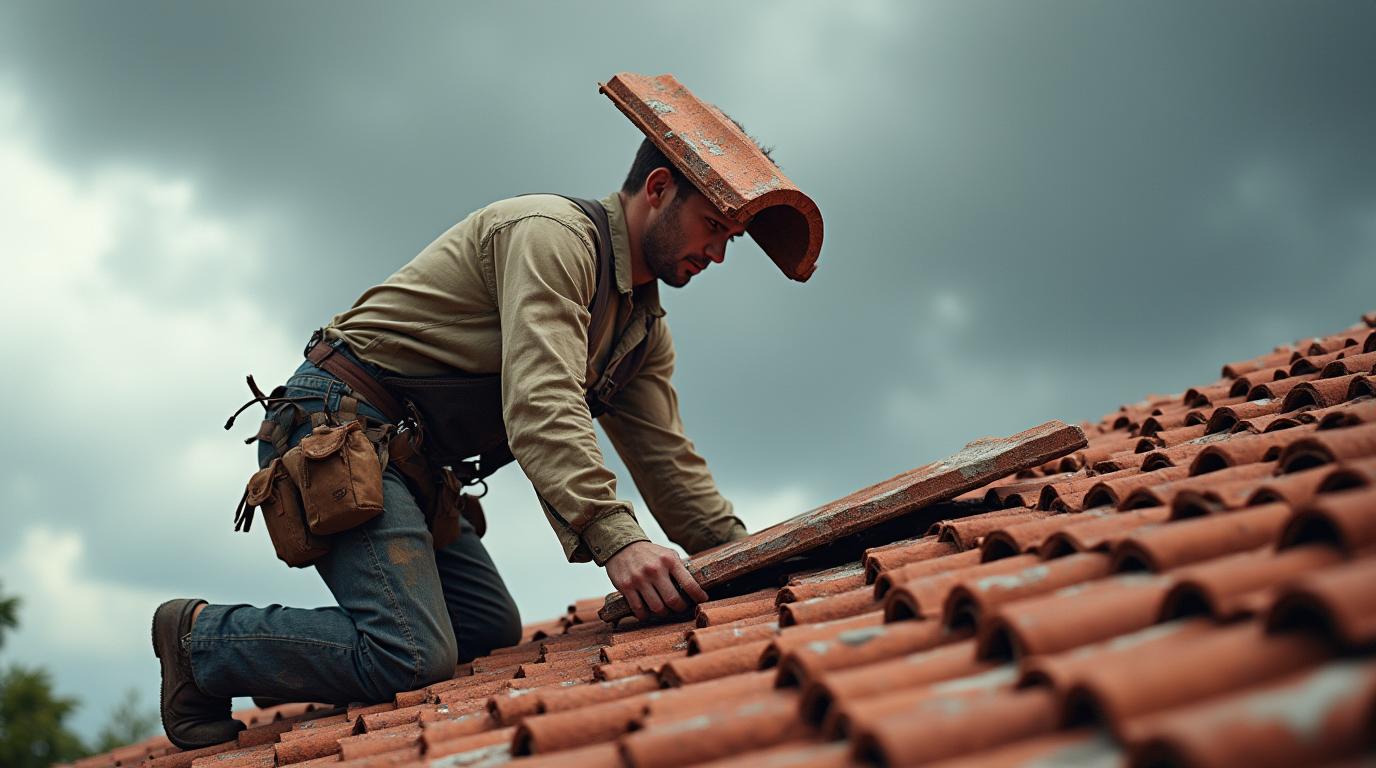
Replacing a single tile requires care. You cannot just pull one out. Concrete tiles are heavy and interlocked. The roofer must carefully lift the surrounding tiles. They use special tools to avoid breaking good tiles. They remove the damaged tile and clear the area. They check the underlayment beneath. If it is damaged, they repair it with a patch. Then, they slide the new tile into place. They secure it according to the manufacturer's method. This often involves a nail or clip. Finally, they lower the surrounding tiles back down. The whole area is sealed properly.
Flashing and Underlayment Repairs
Flashing failures are a common leak source. Repairing them is technical. The roofer must remove tiles to access the flashing. They clean the area and remove old sealant. They may need to fabricate a new piece of metal. They install it with proper overlap and slope. All seams are sealed with a high-quality roofing sealant. Underlayment repair is similar. The roofer cuts out the damaged section. They install a new piece with generous overlap. They seal all seams with tape or adhesive. These repairs are invisible but vital. They protect the structure of your home.
Cost of Concrete Tile Roof Repair: Real Project Examples
Cost is a major concern for every homeowner. Prices vary based on many factors. I will share real examples from my projects. These are from the Texas area. A simple repair of 5-10 broken tiles might cost $300 to $800. This includes labor and materials. Replacing a damaged roof valley is more complex. That can range from $1,000 to $2,500. It involves removing many tiles and installing new metal. Fixing leaky flashing around a chimney often costs $500 to $1,200. A full underlayment replacement under a section of tiles is a bigger job. For a 200-square-foot area, expect $1,500 to $3,000.
Factors That Influence Repair Cost
Several things change the final price. The roof pitch is a big one. A very steep roof requires more safety equipment and time. It costs more. The type of tile matters. Barrel tiles are harder to work with than flat tiles. Accessibility is key. If the roof is hard to reach, costs go up. The extent of hidden damage is another factor. We cannot see under the tiles until we start. Sometimes we find rotten wood. This adds to the cost. Local labor rates and material prices also affect the total. Always get a detailed, written estimate. It should break down labor, materials, and any potential extras.
Repair vs. Replacement: Making the Financial Decision
When does repair stop making sense? This is a critical question. As a rule, if more than 30% of the roof needs repair, consider replacement. Also, if the underlayment is failing everywhere, replacement is better. The age of the roof is important. Concrete tiles can last 50 years. If your roof is 40 years old and needs major work, replacement may be wiser. Get quotes for both options. A new roof is a big investment. However, it comes with a new warranty and peace of mind. Use a tool like the Remodeling Cost vs. Value Report to understand ROI.
Materials and Tools for a Professional Repair
Using the right materials is non-negotiable. For tiles, you need an exact match. The profile and dimensions must be identical. Color can be adjusted with stains if needed. For underlayment, use a high-quality synthetic product. I recommend products from GAF or IKO. They are durable and easy to install. For flashings, use corrosion-resistant metal. Aluminum or galvanized steel are common choices. Copper is excellent but expensive. For sealants, use a polyurethane or silicone-based roofing sealant. Do not use cheap caulk from a hardware store. It will fail quickly.
Essential Tools for the Job
Professional roofers use specific tools. A tile hook or lifter is used to safely lift tiles. A roofing hammer with a nail puller is standard. A utility knife cuts underlayment. A chalk line marks straight lines. A drill with screw bits installs flashings. Safety gear is most important. This includes a harness, roof anchors, and non-slip shoes. Amateurs often lack these tools. This makes the job dangerous and the result poor. Hiring a professional means they have the right equipment. This ensures a safe and lasting repair.
Why Material Quality Matters
Cutting corners on materials is a false economy. A cheap sealant might save $20 today. It will crack in a year and cause a $2,000 leak. High-quality underlayment resists tearing and UV damage. It protects your home longer. Good flashings will not rust through. They last as long as the roof. Always ask your contractor what brands they use. Check if those brands meet industry standards. Refer to the National Roofing Contractors Association (NRCA) guidelines. They set the benchmark for quality.
Practical Homeowner Tips from Real Projects
Over the years, I have learned what helps homeowners most. Here is my best advice. Keep a spare box of tiles in your garage if possible. This makes color matching easy for future repairs. Trim tree branches regularly. Falling branches are a major cause of tile breakage. Clean your roof valleys and gutters every spring and fall. Clogged gutters cause water to back up under the tiles. Do not let people walk on your tile roof unnecessarily. This includes satellite installers or painters. Ask them to use boards to distribute weight. Establish a relationship with a trusted roofer. Have them do an annual inspection. It is like a check-up for your house.
Working with Your Insurance Company
Storm damage is often covered by insurance. The process can be confusing. First, document the damage with clear photos. File your claim promptly. Your insurance company will send an adjuster. It is very helpful to have your own roofer present. The roofer can point out damage the adjuster might miss. They can also provide a detailed repair estimate. Do not accept the first settlement if it seems low. You have the right to negotiate. Provide your contractor's estimate as evidence. Know your policy details. Understand your deductible and coverage limits. The Texas Department of Insurance offers consumer help.
Choosing the Right Roofing Contractor
This is the most important decision you will make. Do not just pick the cheapest bid. Look for a licensed contractor. In Texas, check their license with the Texas Department of Licensing and Regulation. They should have liability insurance and workers' compensation. Ask for local references and look at past projects. Choose a contractor who specializes in tile roofs. Ask about manufacturer certifications. Get everything in writing. The contract should include start and end dates, payment schedule, and material specifications. A good contractor communicates clearly and answers all your questions.
Frequently Asked Questions (FAQ)
Can I walk on my concrete tile roof to inspect it?
I do not recommend homeowners walk on their tile roof. Concrete tiles can crack under uneven weight. The roof surface can also be slippery. It is a significant fall hazard. Always inspect from the ground using binoculars. Or hire a professional who uses proper safety equipment. They know exactly where to step to avoid damage.
How long should a concrete tile roof repair last?
A properly executed repair should last as long as the surrounding roof. If the rest of your roof is in good condition, a repair can last 20 years or more. The key is using quality materials and correct techniques. A bad repair might fail in just a few years. Always hire a qualified professional for lasting results.
Why is it so hard to match the color of old tiles?
New concrete tiles have their original factory color. Sun exposure fades tiles over 10-20 years. This fading is natural and uneven. A brand new tile will look different next to a faded one. A skilled roofer can sometimes blend tiles from less visible areas. They can also use commercial stains to approximate the aged color. Perfect matches are rare, but good blends are possible.
Will repairing a few tiles stop my leak?
Not always. The leak inside your house might be far from the broken tile outside. Water travels along rafters or sheathing. A professional finds the true entry point. They fix that spot and any damaged underlayment along the path. Simply replacing a visible broken tile might not solve the problem. A proper leak diagnosis is essential.
Does hail damage require a full roof replacement?
Not necessarily. Hail damage assessment is specific. An insurance adjuster and roofer will check for functional damage. This means cracks that compromise the tile's ability to shed water. Cosmetic dings alone may not warrant replacement. If many tiles are functionally damaged, replacement is likely. The decision is based on a professional evaluation of the entire roof.
How often should I have my tile roof inspected?
You should do a visual check from the ground every season. Have a professional inspection every 2-3 years. After a major storm with hail or high winds, get an inspection immediately. Regular maintenance catches small issues before they become big, expensive problems. Think of it as preventive care for your home.
Can I repair a concrete tile roof myself?
I strongly advise against DIY repairs on concrete tile roofs. The work is heavy, technical, and dangerous. One wrong move can break more tiles. You could also cause a leak or fall. The cost of fixing a DIY mistake is often much higher than hiring a pro initially. Protect your investment and your safety by using a licensed contractor.
Real Project Case Studies and Outcomes
Let me share two real examples from my work. The first was a home in Kingwood after a windstorm. Several barrel tiles were broken along a ridge. The homeowner tried a DIY fix with sealant. It failed within months. We inspected and found cracked underlayment underneath. We replaced 12 tiles and a section of underlayment. Total cost was $1,850. The repair has held perfectly for 5 years. The second was a larger hail damage claim in Spring. The insurance adjuster initially denied replacement. We documented over 60 functionally cracked tiles. We provided a detailed report with photos. The insurance company approved a full replacement. The homeowner got a new, warranted roof. These cases show the value of professional assessment.
Industry Statistics and Data
Concrete tile is a significant part of the roofing market. According to Freedonia Group research, tile accounts for about 10% of the U.S. roofing market. In the Sunbelt states like Texas, Florida, and California, that share is much higher. A study by the Tile Roofing Institute indicates a properly installed concrete tile roof can last 50 years or more. This is far longer than asphalt shingles. The NRCA notes that the biggest cause of premature tile roof failure is improper installation or repair. This highlights the need for qualified professionals. Using their data, we know that regular maintenance can extend a roof's life by up to 50%.
Conclusion: Your Path to a Secure Roof
Your concrete tile roof is a major part of your home's defense. Taking care of it is a smart investment. You now have a clear understanding of how repairs work. You know what to look for and what questions to ask. Remember the key points. Inspect regularly from the ground. Address problems early before they grow. Always hire a licensed, specialized contractor. Use quality materials for lasting repairs. Work proactively with your insurance when needed. Your home deserves the best protection. A well-maintained roof gives you peace of mind for decades. Do not ignore small issues. Take action today to secure your biggest investment.
Your next step is simple. If you have concerns about your roof, schedule a professional inspection. Find a contractor with good reviews and proper credentials. Get a written estimate for any needed work. Use the knowledge from this guide to have an informed conversation. You are now equipped to make confident decisions about your concrete tile roof repair. Stay safe and protect your home.