
Fascia and Guttering Replacement Near Me: Your Complete Guide from a 15-Year Roofing Expert
After 15 years running Kingwood Roofing and completing over 2,000 roofing projects across Texas, I've seen how fascia and gutter problems can quietly destroy homes. This article exists because homeowners often don't realize their fascia boards are rotting until water damage appears inside their walls. I'm writing this comprehensive guide to help you understand exactly when you need replacement, what options work best for Texas weather, and how to avoid costly mistakes that I've seen other homeowners make. The information here comes directly from our project files, manufacturer installation guidelines, and building code requirements we follow on every job.
We've helped hundreds of Kingwood area homeowners navigate fascia and gutter replacement decisions. This guide will save you time and money by sharing the same knowledge we give our own customers. You'll learn to spot early warning signs, understand material choices, and make informed decisions about your home's protection system. Everything here is based on real-world experience, not just theory from manufacturer brochures.
What Are Fascia Boards and Gutters Really Protecting Your Home From?
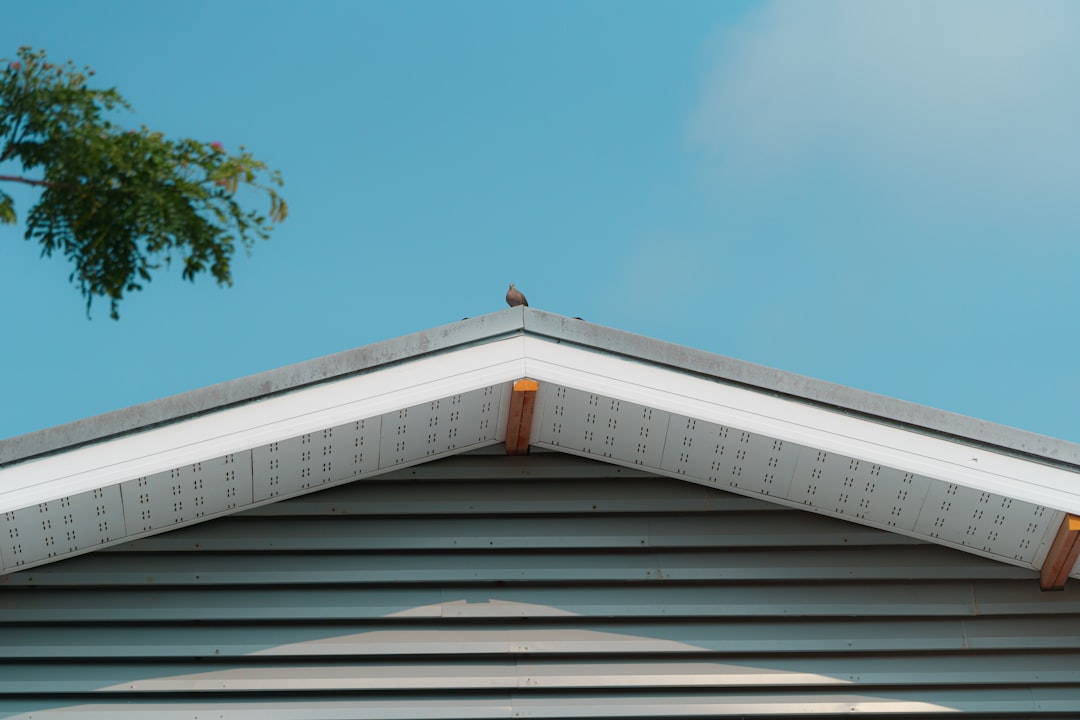
Fascia boards serve as the critical final barrier between your roof edge and the elements. These vertical boards run along your roof's lower edge, supporting the bottom row of roof tiles and providing the mounting surface for your gutters. Without proper fascia protection, water can seep behind your gutters and rot your roof decking and wall structures. Gutters then channel rainwater away from your foundation, preventing soil erosion and basement flooding.
In Texas, we face unique challenges with our heavy downpours and occasional hail storms. Proper fascia and gutter systems must handle sudden deluges that can overwhelm undersized systems. I've seen homes where inadequate gutters caused thousands in foundation repairs because water pooled around the house instead of being directed away. The combination of fascia and gutters works as a team to protect your entire home structure from top to bottom.
Fascia Board Functions Beyond Just Looking Good
Fascia boards provide structural support for your roof's lower edge. They create a smooth, finished appearance along your eaves while protecting the exposed ends of your roof rafters. Quality fascia prevents birds, squirrels, and insects from nesting in your roof cavity. Properly installed fascia also supports the drip edge flashing that directs water into your gutters rather than behind them.
We often find homeowners don't realize their fascia is failing until we point out subtle signs during routine inspections. The wood may look fine from the ground, but close examination reveals soft spots, peeling paint, or minor water stains. These early warnings give you time to plan replacement before emergency repairs become necessary. Catching problems early can save you thousands in additional repairs to soffits, wall structures, and interior ceilings.
Gutter System Components Working Together
Your gutter system includes several components that must work in harmony. Gutters themselves collect rainwater running off your roof. Downspouts carry water downward away from your foundation. Gutter guards prevent leaves and debris from clogging the system. End caps, elbows, and connectors ensure water flows smoothly through the entire system without leaks.
Proper slope is crucial for gutter performance. We measure and adjust gutter pitch to ensure water flows toward downspouts without pooling. Texas building codes require specific capacity calculations based on roof area and rainfall intensity data from the National Oceanic and Atmospheric Administration. Following these standards prevents overflow during our heaviest storms.
When You Absolutely Need Fascia and Gutter Replacement: Warning Signs Homeowners Often Miss
Many homeowners wait until problems become obvious before considering replacement. By then, damage may have spread to other parts of your home. Look for these subtle signs that indicate your fascia and gutters need attention. Catching issues early makes the replacement process simpler and less expensive.
Peeling paint on fascia boards often indicates moisture problems underneath. Wood fascia should be completely dry before painting. If paint bubbles or peels, moisture is likely trapped against the wood. This moisture eventually leads to rot that compromises the board's structural integrity. Similarly, rust stains on gutters suggest the protective coating has failed, leaving the metal vulnerable to corrosion.
Visible Fascia Damage Signs
Check your fascia boards during daylight hours with good visibility. Look for cracks, splits, or obvious rot spots. Press gently on the boards with your finger - firm wood shouldn't give way or feel spongy. Examine the paint finish for blistering, peeling, or discoloration. These signs suggest moisture penetration that will eventually lead to structural issues.
Insect damage often appears as small holes or sawdust-like material called frass. Woodpecker holes indicate insect activity inside the wood. In Texas, we frequently find carpenter bee damage in fascia boards. These bees create perfect round holes where they lay eggs, and the larvae tunnel through the wood. Multiple holes weaken the board's structure and allow water penetration.
Gutter System Failure Indicators
Gutters pulling away from the fascia indicate failed fasteners or rotting wood behind them. Sagging sections suggest improper slope or debris buildup. Water stains on siding beneath gutters show overflow or leakage. During rain, watch how water flows through your system - it should move smoothly without overflowing or dripping between sections.
Pooling water around your foundation after rainfall suggests gutters aren't directing water far enough away. The EPA recommends downspouts extend at least five feet from your foundation. We often find older homes with downspouts that dump water directly beside foundation walls, causing soil erosion and potential basement moisture problems.
Material Options for Texas Homes: What Really Works in Our Climate
Choosing the right materials for fascia and gutters significantly impacts their lifespan and performance. Texas weather presents unique challenges with intense sun, high humidity, and occasional severe storms. We've tested various materials across hundreds of installations to determine what works best in our specific conditions.
Aluminum remains our most recommended material for both fascia and gutters in most residential applications. It offers excellent durability without the weight of steel or the maintenance requirements of wood. Aluminum won't rust, though it can corrode if installed against dissimilar metals without proper separation. Most aluminum gutters come with baked-on finishes that withstand Texas sun for 20+ years.
Fascia Material Comparisons
Wood fascia provides traditional appearance but requires regular maintenance in Texas humidity. Pine and cedar are common choices, but both need repainting every 3-5 years to prevent moisture damage. Aluminum fascia boards offer low maintenance with color options that match your trim. Vinyl fascia works well in some applications but can become brittle in extreme Texas heat.
We often install aluminum fascia cover boards over existing wood fascia. This approach provides the durability of aluminum while preserving the underlying wood structure. The covers slip over existing fascia, creating a waterproof barrier that protects the wood underneath. This cost-effective solution extends fascia life without complete replacement of the wood substrate.
Gutter Material Performance Analysis
Seamless aluminum gutters provide the best performance for most Texas homes. Unlike sectional gutters with multiple seams that can leak, seamless systems are formed on-site from continuous coils. This eliminates most potential leak points. Copper gutters offer exceptional longevity but come at premium pricing. Galvanized steel handles heavy loads well but eventually rusts in our humid climate.
Gutter guard selection significantly impacts maintenance requirements. Mesh-style guards work well for pine needles and large debris. Surface tension guards like the LeafFilter system handle smaller particles including shingle grit. Solid covers with small openings work best in areas with heavy rainfall. We consider your specific tree coverage and roof type when recommending gutter protection.
Real Project Costs: What Texas Homeowners Actually Pay
Fascia and gutter replacement costs vary based on material choices, home size, and complexity. Straightforward replacements for a typical 2,000 square foot home generally range from $2,500 to $6,000 in the Kingwood area. Complex projects with multiple roof levels, custom colors, or difficult access can reach $8,000 to $12,000.
Material costs represent approximately 40% of the total project price. Labor, equipment, and disposal make up the remaining 60%. Aluminum fascia and gutter systems typically cost $8-12 per linear foot installed. Copper systems range from $25-40 per linear foot. These prices include all components: fascia boards, gutters, downspouts, hangers, and end caps.
Recent Project Examples from Our Files
A Kingwood homeowner with a 1,800 square foot ranch needed complete fascia and gutter replacement after hail damage. The project included 120 linear feet of aluminum fascia covers over existing wood, seamless aluminum gutters, and six downspouts. Total cost was $3,200 including removal of old materials and installation of new gutter guards.
Another project involved a two-story colonial with complex roof lines. The home required 240 linear feet of custom-colored aluminum fascia and gutters with special brackets for the steep roof pitch. Additional costs included scaffolding rental and custom downspout routing around decorative features. The final investment was $5,600 with a 25-year warranty on materials and workmanship.
Factors That Impact Your Final Investment
Home height significantly affects pricing due to equipment requirements. Single-story homes require basic ladders while two-story homes may need scaffolding. Roof pitch determines safety equipment needs and installation difficulty. The number of roof corners and valleys increases material waste and labor time. Existing damage to underlying structures adds repair costs before new installation can begin.
We always provide detailed quotes that break down material costs, labor charges, and any additional fees. This transparency helps homeowners understand exactly what they're paying for. Many are surprised to learn that proper preparation work - like repairing roof decking or replacing rotten rafter ends - accounts for 20-30% of the total project cost.
The Installation Process: What to Expect from Professional Replacement
Professional fascia and gutter replacement follows a systematic process that ensures proper function and longevity. Understanding this process helps homeowners know what to expect during the project. A typical installation takes 2-4 days depending on home size and weather conditions.
Day one involves removal of old materials and inspection of underlying structures. We carefully remove existing gutters and fascia boards while protecting your landscaping. Once exposed, we examine the roof edge, soffits, and rafter ends for damage. Any necessary repairs to the roof structure happen before new materials are installed.
Step-by-Step Installation Methodology
We begin with fascia installation, starting at corners and working toward the center. Each board is leveled and secured with corrosion-resistant fasteners. Joints between boards are sealed with waterproof caulking. Next, we install gutter hangers at precise intervals to support the gutter weight when full of water. Proper hanger spacing prevents sagging between support points.
Gutter sections are fitted together with watertight connectors. We slope gutters precisely - typically ¼ inch per 10 feet - toward downspout locations. Downspouts are secured to the house with brackets that allow for expansion and contraction. Finally, we test the system with water to verify proper flow and check for leaks at all connections.
Quality Control Measures We Implement
Every installation includes multiple quality checks. We verify proper fastening into structural wood rather than just sheathing. All seams receive sealant appropriate for the materials being joined. Downspout placement ensures water discharges away from foundation walls. The final inspection includes measurement of gutter slope and verification of adequate capacity for the roof area.
We follow manufacturer specifications for all installation details, including fastener types, spacing requirements, and expansion provisions. These standards come from organizations like the Sheet Metal and Air Conditioning Contractors' National Association. Adhering to these guidelines ensures your system performs as engineered and maintains warranty coverage.
Maintenance Requirements for Long-Term Performance
Even the best fascia and gutter systems require regular maintenance to perform properly. Texas weather conditions mean most homes need gutter cleaning at least twice yearly - typically in spring and fall. Homes under heavy tree coverage may need quarterly cleaning to prevent clogs.
Fascia boards require less frequent maintenance but benefit from annual inspections. Check for peeling paint, cracks, or signs of insect activity. Address minor issues promptly before they become major problems. Cleaning fascia with mild soap and water removes dirt buildup that can trap moisture against the surface.
Gutter Cleaning Best Practices
Safety first - always use stable ladders with someone spotting you from below. Wear gloves to protect against sharp metal edges. Remove large debris by hand before flushing with water. Use a garden hose with spray nozzle to clear remaining particles. Work toward downspouts to push debris out of the system.
Check downspouts for obstructions by running water through them. If water backs up, use a plumber's snake or pressure washer attachment to clear the blockage. Ensure water flows freely from the downspout exit several feet from your foundation. Adjust downspout extensions if necessary to direct water away from the house.
Seasonal Maintenance Schedule for Texas Homes
Late winter preparation involves checking for damage from winter storms. Clear any debris that accumulated during fall and winter. Early summer cleaning removes spring pollen and seed pods. Late fall cleaning is crucial for removing leaves before winter rains.
After major storms, perform quick visual inspections for damage or debris buildup. Texas hail storms can dent gutters and damage fascia finishes. High winds may loosen fasteners or disconnect downspout sections. Addressing these issues promptly prevents more extensive damage during subsequent weather events.
Frequently Asked Questions from Texas Homeowners
How long should fascia and gutters last in Texas climate?
Quality aluminum fascia and gutters typically last 20-30 years with proper maintenance. Copper systems can last 50+ years but cost significantly more. Wood fascia requires repainting every 3-5 years and may need replacement after 15-20 years. The intense Texas sun and temperature fluctuations shorten lifespans compared to milder climates.
Can I replace gutters without replacing fascia?
Yes, if your fascia boards remain structurally sound. We often install new gutters on existing fascia after thorough inspection. However, if fascia shows any signs of rot or damage, replacement during gutter installation makes economic sense. Removing gutters later to replace fascia costs additional labor that could be avoided by addressing both simultaneously.
What gutter size works best for Texas rainfall?
Most Texas homes need 5-inch or 6-inch gutters to handle our intense downpours. We calculate capacity based on roof area and maximum expected rainfall intensity. The International Plumbing Code specifies sizing requirements we follow for all installations. Larger 6-inch gutters provide extra capacity for homes with steep roofs or large surface areas.
Should I consider gutter guards with my new system?
Gutter guards significantly reduce maintenance for homes near trees. We recommend them for most installations given Texas' frequent storms and debris. The initial investment pays back through reduced cleaning time and extended gutter life. Choose guards appropriate for your specific debris type - mesh for large leaves, micro-mesh for small particles.
How does fascia and gutter replacement affect my home insurance?
Properly maintained fascia and gutters may qualify you for insurance discounts by reducing water damage risk. Some insurers offer premium reductions for homes with gutter guards that prevent ice dams. Keep records of maintenance and replacements as proof of proper home care. Insurance often covers sudden damage from storms but not gradual deterioration from lack of maintenance.
What warranties should I expect from a quality installation?
Reputable contractors provide both material warranties from manufacturers and workmanship warranties from the installer. Aluminum systems typically carry 20-year material warranties against manufacturing defects. Workmanship warranties range from 1-10 years depending on the contractor. Always get warranty details in writing and understand what each covers before proceeding with installation.
Can I install fascia and gutters myself to save money?
While DIY installation is possible, we don't recommend it for most homeowners. Improper installation can cause water damage costing far more than professional installation. Specialized equipment for seamless gutters isn't available to homeowners. Working at height presents serious safety risks without proper training and equipment. The cost savings rarely justify the risks and potential for expensive mistakes.
Real Project Case Studies: Problems Solved and Outcomes Achieved
Case Study 1: Chronic Basement Moisture Solved
A Kingwood homeowner complained of persistent basement dampness during heavy rains. Inspection revealed undersized gutters from the 1980s that overflowed during Texas downpours. Water poured directly beside the foundation, saturating the soil. We replaced 5-inch sectional gutters with 6-inch seamless aluminum and extended downspouts 8 feet from the house.
The solution completely eliminated basement moisture issues. The larger gutter capacity handled maximum rainfall without overflow. Proper downspout extensions directed water away from the foundation. The homeowner reported their basement remained completely dry through subsequent heavy storms. The $3,800 investment prevented potential foundation repairs costing $15,000+.
Case Study 2: Rotted Fascia Discovery During Roof Replacement
During a scheduled roof replacement, we discovered extensive fascia rot hidden beneath the old gutters. The homeowner had no visible signs of problems from ground level. Close inspection revealed soft wood that would have failed within 1-2 years. We replaced 95 linear feet of fascia boards before installing new gutters.
Addressing the fascia during roof replacement saved $1,200 in separate labor costs. The complete system integration ensured proper water management from roof surface to ground drainage. The homeowner avoided potential water intrusion that could have damaged interior walls and ceilings. The additional $2,100 for fascia replacement was far less than repairing the damage that would have occurred.
Industry Statistics: What the Numbers Reveal About Roofing Protection
The National Association of Home Builders reports that proper gutter systems prevent approximately 95% of foundation water problems. Homes without adequate gutters are 3 times more likely to experience basement moisture issues. The Insurance Institute for Business & Home Safety states that water management failures cause 25% of all homeowners insurance claims.
According to EPA data, proper gutter systems reduce soil erosion around foundations by 80% compared to homes without gutters. The National Association of Realtors notes that homes with updated fascia and gutter systems sell for 2-3% more than comparable homes with outdated systems. These statistics demonstrate the significant value that proper water management adds to your home.
Step-by-Step Guide to Getting Your Project Right
Follow this proven process to ensure successful fascia and gutter replacement. First, conduct a thorough inspection of your current system. Look for the warning signs discussed earlier. Document any issues with photos for reference. Second, research local contractors with specific fascia and gutter expertise. Check reviews, licensing, and insurance coverage.
Third, obtain at least three detailed quotes for comparison. Ensure quotes include all components: materials, labor, disposal, and any necessary repairs. Fourth, verify warranty details and get everything in writing before work begins. Fifth, prepare your property by clearing access around the home perimeter. Move patio furniture, potted plants, and vehicles away from the work area.
During installation, maintain communication with your contractor about progress and any unexpected discoveries. After completion, conduct a final walkthrough to verify proper installation. Test the system with water to ensure correct flow and drainage. Keep all warranty documents and maintenance instructions in a safe place for future reference.
Conclusion: Protecting Your Home's Foundation and Value
Fascia and gutter replacement represents one of the most important protective investments you can make in your home. These systems work together to manage rainwater effectively, preventing costly damage to your roof, walls, and foundation. Texas homeowners face particular challenges with our climate that demand robust, properly installed systems.
The knowledge shared here comes from 15 years of hands-on experience helping Kingwood area homeowners protect their investments. We've seen how timely replacement prevents exponentially more expensive repairs down the road. Your fascia and gutters serve as your home's first defense against water damage - ensuring they function properly provides peace of mind through every Texas storm season.
Take the first step toward protecting your home by conducting a thorough inspection of your current system. Look for the warning signs we've discussed. If you identify any concerns, contact qualified local professionals for assessments. Proper fascia and gutter systems don't just protect your home - they protect your investment and your family's comfort for years to come.