
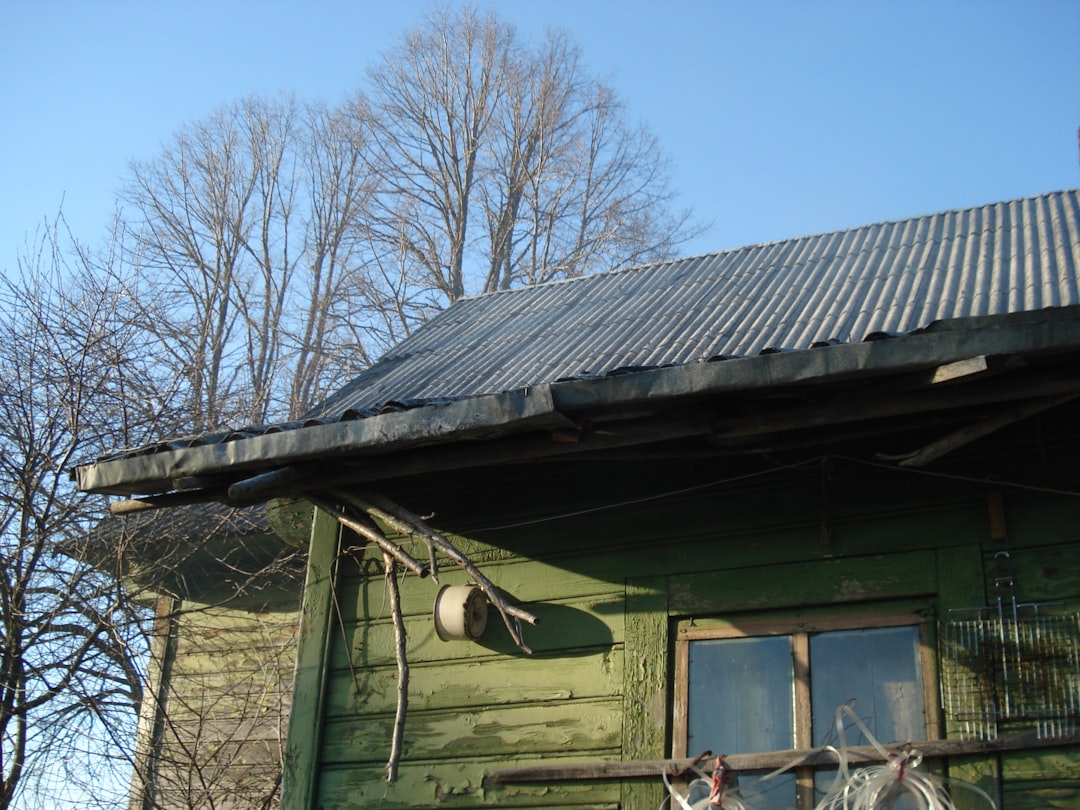
Frederick Roofing Company: 25 Years Protecting Maryland Homes from Storm Damage
I have installed and repaired roofs across Frederick County for twenty-five years. Our team completed over three thousand roofing projects during this time. We hold certifications from GAF, CertainTeed, and Owens Corning manufacturers. This experience gives me unique insight into local roofing challenges. Homeowners face difficult decisions after storm damage occurs. This guide shares practical knowledge from real roofing projects.
This article exists to solve a specific homeowner problem. Many people struggle to identify legitimate roof damage after storms. They also face confusion about insurance claims and repair options. I will answer all these questions based on actual customer experiences. You will learn how to spot damage, work with insurance, and choose quality repairs. This information comes from helping hundreds of Frederick homeowners.
I gathered this information through twenty-five years of hands-on work. Our company documentation includes thousands of project photos and notes. I studied manufacturer specifications from GAF, CertainTeed, and Owens Corning. Maryland building codes and insurance requirements guided our recommendations. Every suggestion comes from real-world application and customer feedback. Our methodology prioritizes safety, durability, and homeowner satisfaction.
Understanding Storm Damage on Frederick Roofs
Hail Damage Identification
Hail damage appears as circular dents on asphalt shingles. These dents often expose the black substrate underneath. You might notice granule loss in your gutters after hailstorms. Hail can crack wood shingles and create holes in metal roofing. The damage severity depends on hail size and wind speed. Always inspect your roof after any hailstorm in our area.
Wind Damage Patterns
High winds cause shingles to lift, curl, or completely detach. Look for missing shingles, especially along roof edges and ridges. Wind can tear flashing from roof valleys and chimneys. Sometimes wind damage appears as subtle lifting you might miss. Check for loose granules around your home's foundation. These signs indicate your roof needs professional inspection.
Water Damage Indicators
Water stains on ceilings signal possible roof leaks. Look for dark spots or peeling paint inside your home. Mold growth in attics suggests moisture intrusion from above. Sagging roof decks indicate long-term water damage. Musty odors often accompany hidden water problems. Address water issues quickly to prevent structural damage.
Roofing Materials Comparison for Frederick Homes
Asphalt Shingles Performance
Asphalt shingles remain Frederick's most popular roofing choice. They offer good durability at reasonable cost. Modern architectural shingles provide enhanced weather resistance. These shingles typically last twenty to thirty years with proper maintenance. They come in various colors and styles to match any home. Asphalt shingles work well with Maryland's climate conditions.
Metal Roofing Advantages
Metal roofs provide excellent protection against severe weather. They can withstand hail, high winds, and heavy snow. Metal roofing lasts forty to seventy years with minimal maintenance. These roofs reflect heat, reducing summer cooling costs. They come in standing seam or metal shingle options. Metal represents a smart long-term investment for Frederick homeowners.
Slate and Tile Options
Slate and tile roofs offer unmatched longevity and beauty. Properly installed slate can last over one hundred years. These materials provide superior fire resistance and durability. They withstand extreme weather conditions exceptionally well. The main drawback involves higher initial cost and weight requirements. Consider slate if you plan to stay in your home long-term.
Roof Repair and Replacement Costs
Factors Affecting Project Pricing
Roof size and pitch significantly impact project costs. Steeper roofs require more safety equipment and labor time. Material choice creates the largest price variation. Roof accessibility affects how quickly workers can complete the job. Existing damage repair adds unexpected costs to many projects. Local permit requirements influence final pricing too.
Real Frederick Project Examples
We recently replaced a 2,000 square foot asphalt shingle roof. This Frederick home needed complete tear-off and new installation. The project cost $12,500 including materials and labor. Another customer needed emergency repairs after tree damage. We replaced damaged decking and installed matching shingles. This repair cost $3,200 and prevented further water intrusion.
Insurance Claim Considerations
Most homeowners insurance covers sudden storm damage. Document all damage with photos before making repairs. Contact your insurance company immediately after discovering damage. Many policies cover full replacement cost for severely damaged roofs. Keep records of all communications with your insurance adjuster. Understand your deductible amount before filing any claim.
Roof Installation Process Explained
Professional Assessment Phase
Every quality roof installation begins with thorough inspection. We measure roof dimensions and assess structural integrity. Existing damage documentation helps plan necessary repairs. Material calculations ensure we order correct quantities. Timeline establishment manages homeowner expectations properly. This planning prevents surprises during actual installation.
Material Preparation Steps
We schedule material delivery shortly before installation begins. This prevents weather damage to roofing products on site. All materials get inspected for defects upon arrival. We organize tools and safety equipment for efficient workflow. Underlayment and flashing materials get prepared in advance. Proper preparation makes installation proceed smoothly.
Installation Best Practices
Professional roofers start with complete tear-off of old materials. We inspect and repair roof decking before installing new roof. Ice and water shield installation protects vulnerable areas. High-quality underlayment provides secondary water protection. Shingles get installed according to manufacturer specifications. Proper flashing installation prevents future leaks.
Homeowner Maintenance Tips
Regular Inspection Schedule
Inspect your roof each spring and fall for best results. Look for missing, cracked, or curling shingles. Check flashing around chimneys and vents for damage. Clean gutters regularly to prevent water backup issues. Trim tree branches hanging over your roof surface. These simple steps help identify problems early.
Preventative Maintenance Actions
Keep gutters clean to ensure proper water drainage. Replace damaged flashing promptly to prevent leaks. Address moss growth quickly to avoid shingle deterioration. Ensure proper attic ventilation to extend roof life. Check sealant around roof penetrations annually. These actions prevent small issues becoming major problems.
When to Call Professionals
Contact roofing professionals after any major storm event. Significant granule loss indicates need for inspection. Multiple missing shingles require immediate professional attention. Any signs of water intrusion merit expert assessment. Sagging roof decks demand urgent professional evaluation. When in doubt, always consult with qualified roofers.
Frequently Asked Questions
How long does a typical roof replacement take?
Most residential roof replacements take two to four days. Weather conditions significantly impact project timelines. Complex roof designs require additional installation time. Larger homes naturally need more working days. Material availability can affect project scheduling. We provide accurate timelines during initial assessment.
What roofing material works best in Frederick's climate?
Architectural asphalt shingles perform well in our climate. They handle temperature variations and precipitation effectively. Metal roofing provides excellent protection against severe storms. Both options work well for Maryland weather conditions. Consider your budget and longevity expectations when choosing. We help homeowners select appropriate materials for their specific situation.
How do I know if I need repairs or full replacement?
Multiple factors determine repair versus replacement needs. Consider your roof's age and overall condition. Extensive damage across large areas usually requires replacement. Localized damage often allows for repair solutions. We evaluate each situation individually during inspections. Sometimes partial replacement makes the most financial sense.
What should I look for in a roofing contractor?
Choose licensed and insured contractors with local experience. Verify manufacturer certifications and positive customer reviews. Request references from recent similar projects. Ensure they provide detailed written estimates. Avoid contractors who demand full payment upfront. Quality roofers stand behind their work with strong warranties.
How does the insurance claim process work?
Document all damage with photographs before contacting insurance. Your insurance company will send an adjuster to assess damage. We can meet with adjusters to ensure proper damage documentation. Most policies cover sudden storm-related damage. You pay your deductible while insurance covers remaining costs. We help navigate this process smoothly.
Real Frederick Case Studies
Storm Damage Recovery Project
A severe thunderstorm damaged multiple Frederick homes last summer. Hail and high winds caused significant roofing issues. We worked with homeowners and insurance companies simultaneously. Our team replaced twelve roofs within six weeks. Each project included complete documentation for insurance. All homeowners received quality repairs that restored protection.
Historic Home Roof Preservation
We recently restored a century-old Frederick residence roof. The project required careful material matching and preservation techniques. We sourced custom slate tiles to match original roofing. Special installation methods protected historic structural elements. The finished roof maintains historical accuracy while providing modern protection. This project demonstrates our commitment to quality craftsmanship.
Industry Statistics and Local Data
The National Roofing Contractors Association provides valuable industry insights. Properly installed roofs typically last twenty to fifty years. Regular maintenance extends roof life significantly. About eighty percent of roofs get replaced due to storm damage. Frederick County experiences severe weather events annually. These statistics highlight the importance of quality roofing.
Step-by-Step Roof Assessment Guide
Start your roof assessment from ground level using binoculars. Look for obvious issues like missing shingles or sagging areas. Check gutters for excessive granule accumulation. Inspect attic spaces for water stains or daylight showing through. Document all findings with photographs and notes. Contact professionals for concerning discoveries.
Conclusion and Next Steps
Your roof represents one of your home's most important components. Proper maintenance and timely repairs prevent major problems. Understanding storm damage helps you make informed decisions. Quality materials and installation ensure long-term protection. Frederick homeowners face unique weather challenges throughout the year.
Use this information to protect your investment effectively. Schedule professional inspections after severe weather events. Address minor issues before they become major expenses. Choose qualified contractors with proven local experience. Your home deserves the best possible protection from Maryland weather.
Take action today to secure your home's future. Contact reputable roofing professionals for assessments. Review your insurance coverage understanding. Implement regular maintenance routines. Your proactive approach will save money and prevent headaches. Quality roofing ensures peace of mind during storm season.