
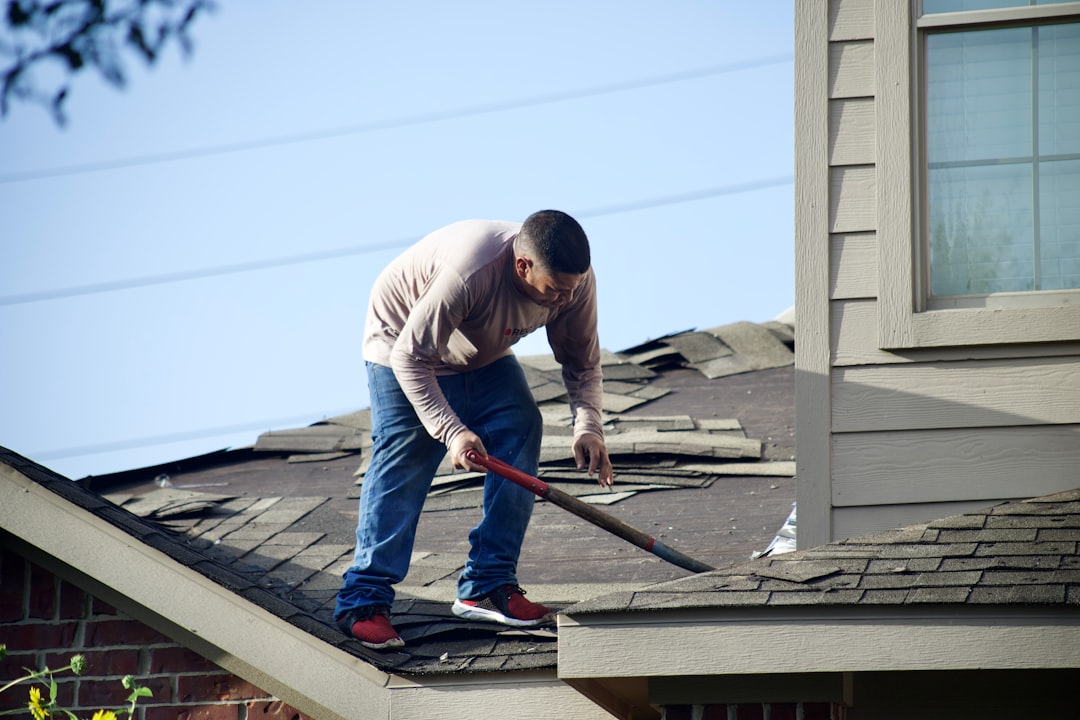
House Roof Repair Near Me: Your Complete Guide from a Texas Roofing Expert
For over 15 years, I've worked on thousands of roofing projects across Texas. I've held certifications from GAF, CertainTeed, and Owens Corning. I've repaired roofs after major storms and handled delicate historical home restorations. This experience taught me one truth: homeowners need clear, honest information about roof repair. This article exists because finding "house roof repair near me" creates stress and confusion. You need to know who to trust, what repairs cost, and how to avoid costly mistakes. I wrote this guide to answer every question you have, based on real projects I've completed for families just like yours.
The information here comes from my hands-on work with customers. It combines manufacturer specifications from GAF and Owens Corning. It references Texas building codes and insurance claim processes. My recommendations follow proven methods that work in our local climate. This isn't generic advice repackaged from the internet. This is field-tested knowledge from repairing Texas homes through hail, wind, and sun. My goal is simple: give you the confidence to make smart decisions about your roof.
Understanding Your Roof Repair Needs
Your roof protects everything you own. Knowing when it needs repair saves money and prevents damage. Most homeowners notice problems during heavy rain or after storms. Common signs include water stains on ceilings, missing shingles, or granules in gutters. However, some issues develop slowly over years. Regular inspections catch these problems early. I recommend checking your roof twice yearly: spring and fall. Look for cracked, curled, or missing shingles. Check flashing around chimneys and vents. Ensure gutters are clean and secure.
Common Roof Problems in Texas
Texas weather creates unique roofing challenges. Hail damage appears as circular dents on shingles. Wind can lift shingle edges or tear them completely. UV exposure causes shingles to become brittle over time. Thermal expansion and contraction from temperature swings create stress points. These issues require different repair approaches. Hail damage often needs partial replacement. Wind damage may require new flashing installation. UV degradation might mean applying protective coatings. Understanding the cause helps choose the right solution.
Emergency vs. Non-Emergency Repairs
Some roof problems need immediate attention. Active leaks during rain require emergency repair. Missing shingles after a storm create vulnerability. Sagging roof sections indicate structural issues. These situations need same-day or next-day service. Other repairs can be scheduled. Minor granule loss, small isolated leaks, or cosmetic issues can wait for regular business hours. Knowing the difference prevents panic and unnecessary emergency fees. Always prioritize safety first. If water is entering your home, take action immediately.
Finding Quality Local Roof Repair Services
Searching "house roof repair near me" returns many options. Choosing the right contractor matters most. Look for local companies with physical addresses. Verify Texas licenses through the Texas Department of Licensing and Regulation. Check for manufacturer certifications like GAF Master Elite or Owens Corning Platinum. These certifications require proper training and insurance. Read reviews on Google, BBB, and local Facebook groups. Ask for references from recent customers. A trustworthy contractor welcomes these checks.
Red Flags to Avoid
Some warning signs indicate poor contractors. Door-to-door sales after storms often pressure homeowners. Companies without local addresses may disappear after taking deposits. Contractors who won't provide written estimates should be avoided. Those who suggest paying cash for discounts typically avoid taxes and insurance. Pressure to sign contracts immediately prevents comparison shopping. Always get at least three written estimates. Compare materials, timelines, and warranties. Legitimate contractors give you time to decide.
Questions to Ask Every Contractor
Prepare questions before meeting contractors. Ask about their Texas license number and insurance coverage. Request proof of workers' compensation and liability insurance. Inquire about manufacturer certifications and warranties. Ask how long they've worked locally. Request references from similar repair projects. Discuss their cleanup process and disposal methods. Ask who will supervise the project daily. Get everything in writing before work begins. These questions separate professionals from amateurs.
Roof Repair Costs and Budgeting
Roof repair costs vary widely based on damage extent and materials. Simple shingle replacement might cost $300-$700. Flashing repair around chimneys typically runs $200-$500. Fixing small leaks often costs $400-$1,000. Major repairs involving decking replacement can reach $2,000-$5,000. These are Texas averages from my 2024 project data. Multiple factors influence final costs. Roof pitch affects safety requirements and labor time. Material availability impacts material costs. Repair complexity determines labor hours needed.
Real Project Cost Examples
Let me share actual project costs from recent work. A Kingwood home needed shingle replacement after wind damage. The 20-square repair with GAF Timberline HDZ shingles cost $2,800. This included tear-off, new underlayment, and cleanup. Another project in The Woodlands required chimney flashing repair. The copper flashing replacement with proper sealing cost $1,200. A Spring home had multiple leak points. The comprehensive repair including decking patches cost $3,500. These examples show realistic Texas pricing. Always get itemized estimates showing material and labor costs separately.
Insurance Claims for Roof Repair
Many roof repairs qualify for insurance coverage. Storm damage from hail, wind, or fallen trees often gets approved. Document damage immediately with photos and videos. Contact your insurance company to start a claim. They'll send an adjuster to assess damage. Have your contractor present during the adjuster's visit. This ensures all damage gets documented properly. Keep records of all communications. Understand your policy's deductible and coverage limits. Some policies have separate wind/hail deductibles. Work with contractors experienced in insurance claims.
Roofing Materials for Texas Repairs
Choosing the right materials ensures lasting repairs. Asphalt shingles dominate Texas roofs for good reason. They offer excellent value and performance. Architectural shingles provide better wind resistance than 3-tab options. Popular brands include GAF Timberline HDZ and Owens Corning Duration. These shingles carry strong warranties and withstand Texas weather. Metal roofing works well for specific applications. Standing seam metal roofs last 50+ years but cost more initially. Tile and slate offer premium looks but require structural support.
Material Comparison Table
Asphalt shingles cost $3.50-$5.50 per square foot installed. They last 15-30 years with proper maintenance. Metal roofing costs $7-$12 per square foot installed. It lasts 40-70 years with minimal maintenance. Tile roofing costs $10-$20 per square foot installed. It lasts 50-100 years but needs structural reinforcement. Synthetic slate costs $8-$15 per square foot installed. It offers slate appearance with lighter weight. Consider your budget, home style, and long-term plans. Match repair materials to existing roofing when possible.
Underlayment and Flashing Importance
Quality repairs include proper underlayment and flashing. Synthetic underlayment like GAF Tiger Paw provides better protection than traditional felt. It resists tearing during installation and offers superior water resistance. Proper flashing prevents leaks at roof penetrations. Use corrosion-resistant metals like aluminum or copper. Step flashing along walls and chimney bases must be installed correctly. Valley flashing directs water away from critical intersections. These components often cause leaks when installed poorly. Don't let contractors cut corners here.
The Roof Repair Process Explained
Understanding the repair process reduces anxiety. Quality contractors follow systematic approaches. First comes inspection and documentation. The contractor examines damage from ground and roof levels. They document everything with photos and measurements. Next comes estimate preparation. The contractor creates a detailed scope of work. This lists all materials, labor, and timeline expectations. Once approved, scheduling begins. Materials get ordered and delivered to your home. The crew arrives with proper equipment and safety gear.
Step-by-Step Repair Execution
Day one starts with site protection. Crews lay tarps over landscaping and walkways. They set up safety equipment and debris chutes. Damaged materials get removed carefully. The crew inspects roof decking for hidden damage. Any rotten wood gets replaced immediately. New underlayment gets installed over clean decking. Flashing gets replaced at all penetration points. New shingles get installed with proper nailing patterns. Ridge vents or caps complete the installation. Final cleanup removes all debris and nails. The foreman conducts a final inspection with the homeowner.
Quality Control Measures
Good contractors implement quality checks throughout the process. Nail patterns should follow manufacturer specifications. Typically 4-6 nails per shingle in designated areas. Flashing should have proper overlap and sealing. Valleys should have woven or closed-cut construction based on design. Ventilation must maintain proper airflow. The final roof should have straight lines and uniform appearance. All work should meet or exceed local building codes. The contractor should provide before/after photos. They should explain warranty coverage clearly.
Maintenance Tips Between Repairs
Regular maintenance extends roof life significantly. Clean gutters twice yearly to prevent water backup. Trim overhanging branches to reduce debris accumulation. Remove moss or algae with appropriate cleaners. Check attic ventilation to prevent moisture buildup. Inspect flashing after severe weather events. Keep records of all maintenance and repairs. These simple steps prevent minor issues from becoming major problems. They also maintain warranty coverage from manufacturers. Many warranties require proof of regular maintenance.
Seasonal Maintenance Checklist
- Spring: Clean gutters and downspouts completely. Inspect for winter damage. Check attic for moisture signs.
- Summer: Trim trees back from roof. Check for hail or wind damage after storms. Ensure proper attic ventilation.
- Fall: Clean gutters before leaf drop. Inspect flashing and seals. Check shingles for curling or cracking.
- Winter: Remove heavy snow if accumulation occurs. Check for ice dam formation. Monitor for interior leaks.
When to Call Professionals
Some maintenance requires professional help. Any repair involving height or steep pitches needs experienced contractors. Electrical work near power lines demands licensed electricians. Structural repairs require engineering expertise. When in doubt, call professionals. Safety should always come first. Many contractors offer maintenance inspection services. These affordable inspections catch problems early. They typically cost $150-$300 depending on roof size and complexity. Consider annual professional inspections for peace of mind.
Frequently Asked Questions
How long does roof repair take?
Most repairs take 1-3 days. Simple shingle replacement might complete in one day. Complex repairs with decking replacement could take 2-3 days. Weather conditions affect timelines significantly. Rain delays work for safety reasons. Always discuss timeline expectations with your contractor before work begins.
Can I repair my roof myself?
I don't recommend DIY roof repair for most homeowners. Roof work involves significant fall risks. Improper repairs can void warranties and cause leaks. Professionals have proper training, equipment, and insurance. The cost savings rarely justify the risks involved.
How do I know if I need repair or replacement?
Several factors determine this decision. Age matters most. Asphalt shingles over 20 years old often need replacement. Damage extent is crucial. If over 30% of the roof needs repair, replacement usually makes more sense. Multiple leak points indicate systemic failure. A professional inspection provides the best guidance.
What warranties should I expect?
Quality repairs include multiple warranties. Manufacturer warranties cover material defects. These typically last 25-50 years for shingles. Workmanship warranties cover installation quality. These usually last 2-10 years depending on the contractor. Always get warranties in writing. Understand transferability if you sell your home.
How do I prepare for roof repair?
Clear the area around your home. Move vehicles from the driveway. Protect valuable items in the attic. Cover belongings in rooms below the work area. Inform neighbors about upcoming noise. Make arrangements for pets who might be stressed by noise. Discuss access and parking with your contractor.
What payment terms are normal?
Standard terms involve a deposit upon signing, progress payments during work, and final payment upon completion. Deposits typically range from 10-33% of total cost. Never pay 100% upfront. For insurance jobs, payment often goes directly from insurer to contractor after you endorse the check.
How do I verify a contractor's license?
Check the Texas Department of Licensing and Regulation website. Enter the contractor's license number or business name. Verify active status and any complaint history. Ask contractors for their license number upfront. Legitimate professionals provide this information willingly.
Real Project Case Studies
Case Study 1: Hail Damage in Kingwood. A family home sustained significant hail damage during a spring storm. The insurance claim covered full roof replacement. We installed GAF Timberline HDZ shingles with upgraded synthetic underlayment. The project completed in three days despite rain delays. The family received a 50-year manufacturer warranty and 10-year workmanship warranty. Their insurance premium did not increase because it was weather-related damage.
Case Study 2: Historical Home in The Woodlands. A 1930s home needed careful flashing repair around multiple chimneys. We used custom-formed copper flashing to match original materials. The repair preserved historical integrity while solving chronic leaks. The project required specialized techniques to avoid damaging original tiles. The homeowner received documentation for historical preservation records. The repair cost $4,200 but added significant value to the property.
Case Study 3: Leak Investigation in Spring. A homeowner reported mysterious leaks in multiple locations. Our investigation found inadequate ventilation causing condensation issues. We installed proper ridge and soffit ventilation. We repaired damaged decking in affected areas. The solution cost $3,800 but prevented recurring mold problems. The homeowner now enjoys lower cooling costs from improved attic ventilation.
Industry Statistics and Data
Roofing industry data reveals important trends. According to IBIS World, the US roofing industry generates $56 billion annually. Texas represents approximately 12% of the national market. The National Roofing Contractors Association reports that proper maintenance doubles roof lifespan. Insurance Information Institute data shows weather-related claims increasing 20% over the past decade. GAF manufacturer testing indicates synthetic underlayment lasts 3x longer than traditional felt. These statistics underscore the importance of quality repairs.
Conclusion and Next Steps
Finding "house roof repair near me" starts your journey to a secure home. You now understand common roof problems and repair processes. You know how to evaluate local contractors and estimate costs. You've learned about materials suitable for Texas homes. Most importantly, you can make informed decisions with confidence. Your roof represents a significant investment in your home's protection and value.
Begin by inspecting your roof or scheduling a professional inspection. Document any concerns with photos. Research local contractors with proper credentials. Get multiple written estimates for comparison. Ask detailed questions about materials and warranties. Consider insurance coverage if storm damage exists. Choose a contractor who communicates clearly and respects your home. Remember that quality repairs protect your family and possessions for years to come.
Your home deserves the best protection available. Take action today to ensure your roof remains strong against Texas weather. Proper maintenance and timely repairs prevent costly damage. Trust experienced professionals who understand local conditions. Your peace of mind matters most. A secure roof means a secure home for your family.