
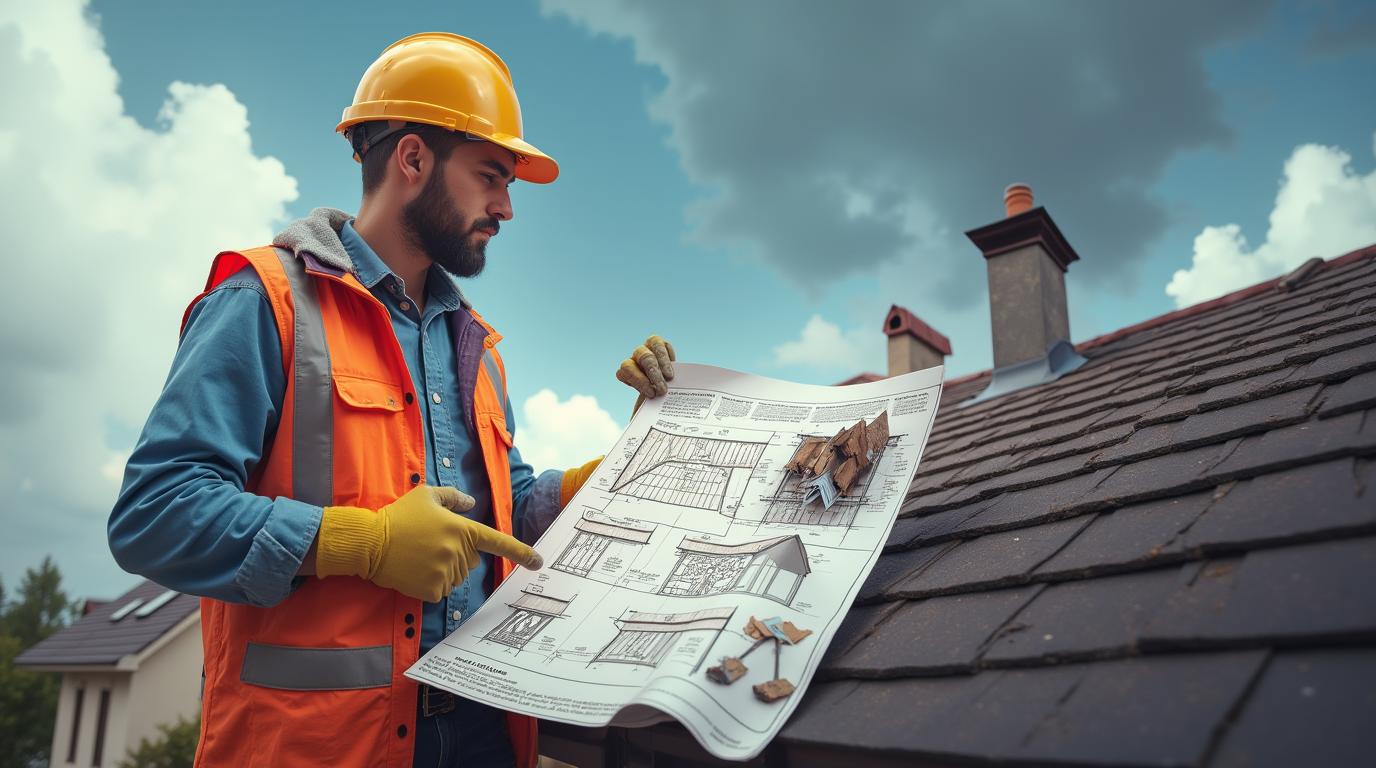
House Roofers: Your Complete Guide from a Contractor Who's Been There
For over 15 years, I've worked on hundreds of roofing projects across Texas. I've installed everything from basic asphalt shingles to standing seam metal roofs. I've repaired storm damage after hurricanes and helped homeowners navigate insurance claims. I hold GAF Master Elite certification and am licensed in multiple Texas counties. This experience taught me what homeowners truly need to know about hiring house roofers. This article exists because choosing a roofer is confusing and stressful. You're making a major investment in your home's protection. You need clear, honest information from someone who's actually done the work, not just written about it. I gathered this information from real customer projects, manufacturer specifications, building code requirements, and industry best practices. My recommendations come from seeing what works and what fails over time. I'll explain the methodology behind each suggestion so you understand why certain approaches matter. This guide will save you time, money, and headaches by giving you the knowledge homeowners usually only get through expensive mistakes.
Understanding What House Roofers Actually Do
House roofers provide specialized construction services for residential properties. Their work goes far beyond just nailing shingles to your roof. A quality roofing contractor manages your entire project from inspection to completion. They assess your roof's condition, recommend appropriate materials, handle permits, execute installation, and ensure proper ventilation. Many homeowners don't realize that roofers must understand building science, weather patterns, and material limitations. They work with steep slopes, heavy materials, and challenging weather conditions. Their expertise protects your home from water intrusion, which causes most structural damage. Good roofers coordinate with other trades like gutter installers and siding contractors. They also navigate local building codes and manufacturer warranty requirements. This comprehensive approach ensures your roof performs correctly for decades.
Different Types of Roofing Services
House roofers offer various specialized services beyond basic installation. Roof replacement involves completely removing old materials and installing new ones. This is the most comprehensive service and addresses underlying deck issues. Roof repair focuses on fixing specific problems like leaks, damaged shingles, or flashing failures. Storm damage repair requires expertise with insurance claims and temporary protection measures. Maintenance services include cleaning gutters, inspecting flashings, and checking ventilation. Some roofers specialize in particular materials like tile, metal, or slate. Others focus on specific problems like ice dam prevention or attic ventilation improvement. Understanding these specialties helps you choose the right contractor for your specific needs. Always verify a roofer has experience with your particular project type before hiring them.
The Roofing System Components
A complete roofing system involves multiple layers working together. The decking (usually plywood or OSB) forms the structural base. Underlayment provides secondary waterproofing beneath the visible materials. Shingles, tiles, or metal panels create the primary weather-resistant surface. Flashing seals transitions around chimneys, vents, and walls. Ventilation components allow air to flow through the attic space. Gutters and downspouts manage water runoff away from your foundation. Ice and water shield provides extra protection in vulnerable areas. Each component must work properly for the system to function. Many roofing failures occur at component intersections rather than on main surfaces. Quality roofers understand how all these elements interact. They ensure proper installation of every part, not just the visible materials.
How to Choose the Right House Roofer
Selecting a roofing contractor is your most important decision. Start by verifying proper licensing and insurance. In Texas, roofers must carry general liability insurance and workers' compensation coverage. Ask for certificates of insurance and verify they're current. Check for manufacturer certifications like GAF Master Elite or CertainTeed SELECT ShingleMaster. These programs require rigorous training and quality standards. Look for local references and reviews from actual customers. Ask for project photos showing completed work similar to yours. Avoid contractors who pressure you to sign immediately or offer suspiciously low prices. Get multiple written estimates with detailed scope descriptions. Compare materials, warranties, and project timelines, not just total costs. Trust your instincts about communication and professionalism. The cheapest option often becomes the most expensive through poor workmanship.
Essential Questions to Ask Potential Roofers
- Are you licensed and insured in my county? Can you provide proof?
- How many years have you been in business locally?
- Do you have manufacturer certifications for the materials I'm considering?
- Will you handle all necessary permits and inspections?
- What warranty do you offer on labor, and what does it cover?
- How will you protect my property during the project?
- Who will be my daily point of contact during the work?
- Can you provide references from recent similar projects?
- What's your process for addressing unexpected issues discovered during tear-off?
- How do you ensure proper attic ventilation with the new roof?
These questions reveal a contractor's professionalism and experience. Quality roofers welcome these inquiries and provide clear answers. Be wary of vague responses or reluctance to share information. Document all conversations and keep copies of written estimates. Verify everything discussed appears in your final contract. Pay particular attention to warranty terms and exclusions. Understand what circumstances might void manufacturer or labor warranties. Good communication during the estimate process usually indicates good communication during the project.
Red Flags to Watch For
Certain warning signs indicate potential problems with roofing contractors. Door-to-door solicitors after storms often lack proper credentials. Pressure to sign contracts immediately should raise concerns. Requests for large upfront payments before work begins are problematic. Lack of physical business addresses suggests temporary operations. Unmarked trucks and generic email addresses indicate unestablished businesses. Refusal to provide written estimates or contracts is unacceptable. Quotes significantly lower than others often mean cutting corners. Poor communication during the estimate process typically worsens during installation. Missing or vague insurance documentation creates liability risks for homeowners. Always trust verified information over persuasive sales tactics. Remember that quality materials and skilled labor have real costs that legitimate businesses must charge.
Roofing Materials: What House Roofers Actually Recommend
Choosing roofing materials involves balancing cost, durability, and aesthetics. Asphalt shingles remain America's most popular residential roofing material. They offer good value with typical lifespans of 20-30 years. Architectural shingles provide better durability and dimensional appearance than basic three-tab shingles. Metal roofing lasts 40-70 years with excellent weather resistance. Standing seam metal roofs offer superior performance but cost more initially. Tile roofs provide classic Mediterranean or Southwestern style with 50+ year lifespans. They're heavy and require reinforced roof structures. Slate offers unparalleled longevity (75-150 years) and natural beauty. Synthetic slate provides similar appearance with lighter weight and lower cost. Wood shakes create rustic charm but require more maintenance and have fire concerns. Each material has specific installation requirements that affect performance.
Material Comparison Based on Real Projects
From hundreds of installations, I've seen how materials perform over time. Asphalt shingles work well for most homes when properly installed. Quality varies significantly between manufacturers and product lines. GAF and CertainTeed produce reliable shingles with strong warranties. Metal roofing excels in hail-prone areas and reflects heat well. Proper installation prevents oil-canning (visible rippling) on large panels. Tile roofs withstand high winds beautifully but crack if walked on improperly. Synthetic materials like DaVinci Roofscapes polymer slate offer excellent durability without natural material limitations. Consider your local climate, architectural style, and budget when choosing materials. Don't select materials solely based on initial cost without considering lifespan and maintenance requirements.
Understanding Roofing Warranties
Roofing warranties come in several types with important differences. Manufacturer warranties cover material defects but require proper installation. Labor warranties from contractors cover installation errors for specified periods. System warranties combine both through manufacturer-certified installers. Always read warranty documents carefully before signing contracts. Most warranties require specific installation methods and materials. They often exclude damage from improper maintenance or extreme weather. Transferable warranties add value if you sell your home. Prorated warranties decrease coverage value over time. Non-prorated warranties provide full replacement value throughout their terms. Keep all documentation and follow maintenance requirements to preserve coverage. Understand that no warranty covers everything, and proper installation matters most for long-term performance.
The Roof Installation Process: What to Expect
Quality roof installation follows a systematic process ensuring proper results. The project begins with thorough preparation and protection of your property. Crews cover landscaping, lay protective boards on driveways, and set up safety equipment. They install dump trailers for old material removal and organize new materials. The tear-off phase removes existing roofing down to the deck. Crews inspect the decking for damage and replace compromised sections. They install drip edge along eaves and rakes for proper water management. Ice and water shield goes in vulnerable areas like valleys and eaves. Synthetic underlayment provides superior protection compared to traditional felt. Starter shingles create proper seals along edges. Shingle installation follows manufacturer specifications for nailing patterns and alignment. Flashing receives special attention at all penetrations and transitions. Ventilation components ensure proper attic airflow. Cleanup involves thorough magnet sweeping for nails and debris removal.
Timeline for Typical Roof Replacement
Most residential roof replacements take 2-5 days depending on size and complexity. Day one involves setup, tear-off, and deck inspection. Crews address any unexpected deck damage discovered during removal. Day two focuses on underlayment, flashing, and beginning shingle installation. Day three completes shingle installation and installs ridge vents. Day four addresses finishing details like pipe collars and final inspections. Complex roofs with multiple valleys, dormers, or steep pitches take longer. Weather delays can extend timelines, especially for rain or high winds. Good contractors communicate schedule changes promptly. They provide temporary protection if work must pause overnight. Understanding this timeline helps you plan accordingly and set realistic expectations. Remember that proper installation takes time, and rushing leads to problems.
Homeowner Preparation Checklist
- Clear vehicles from driveway and street access areas
- Remove wall decorations that might vibrate loose
- Cover items in attic to protect from dust
- Trim tree branches near roof work areas
- Inform neighbors about scheduled work dates
- Secure pets indoors during work hours
- Plan alternative parking arrangements
- Protect delicate landscaping with temporary covers
- Clear attic access for potential ventilation work
- Discuss special concerns with project manager beforehand
Proper preparation makes the installation process smoother for everyone. It protects your property and helps crews work efficiently. Discuss specific preparation needs with your contractor before work begins. Good roofers provide detailed guidance about what to expect and how to prepare. They respect your property and minimize disruption throughout the project. Communication about daily schedules helps you plan around the noise and activity.
Cost Factors for Roofing Projects
Roofing costs vary based on multiple factors beyond simple square footage. Material choice creates the biggest price difference between options. Labor costs depend on roof complexity, pitch, and accessibility. Removal and disposal fees account for significant portions of estimates. Deck repair needs discovered during tear-off add unexpected costs. Permitting and inspection fees vary by municipality. Ventilation upgrades improve performance but increase initial investment. Warranty levels affect pricing through certification requirements. Seasonal demand influences pricing, with spring and fall typically busiest. Geographic location affects material availability and labor rates. Insurance deductibles apply when claims cover storm damage. Always get itemized estimates showing cost breakdowns for comparison. Remember that quality installation justifies higher costs through longer service life.
Real Project Cost Examples
From recent Texas projects, here are typical cost ranges. A 2,000 square foot asphalt shingle roof replacement costs $8,000-$15,000. This includes architectural shingles, synthetic underlayment, and proper ventilation. Metal roofing for the same home runs $15,000-$25,000 depending on panel type. Tile roofs typically cost $20,000-$35,000 for materials and installation. These prices assume standard roof pitches without extreme complexity. Steeper roofs or multiple levels increase labor costs significantly. Additional costs arise for skylight replacements, chimney repairs, or decking replacement. Always budget 10-15% extra for unexpected issues discovered during tear-off. Payment schedules should align with project milestones, not large upfront sums. Final payments should only occur after satisfactory completion and cleanup.
Financing and Payment Options
Most homeowners need financing options for major roofing projects. Some contractors offer in-house financing through partnerships with lenders. Bank home equity loans provide competitive rates for qualified borrowers. Credit cards work for smaller repairs but carry high interest rates. Insurance claims cover storm damage minus your deductible amount. FHA Title I loans help finance home improvements for eligible borrowers. Some manufacturers offer promotional financing through certified contractors. Payment schedules should reflect work completion milestones, not calendar dates. Never pay the full amount before work begins. Typical schedules include deposit upon signing, progress payment at midpoint, and final payment after completion. Keep all receipts and financing documents for tax and warranty purposes. Understand all terms before committing to any financing arrangement.
Storm Damage and Insurance Claims
Storm damage requires special handling from experienced house roofers. After severe weather, document damage immediately with photos and videos. Contact your insurance company to start the claims process. Request a reputable roofing contractor for inspection and estimate. Many insurers work with preferred vendors they trust. Understand your policy coverage, deductibles, and claim procedures. Temporary repairs prevent further damage while awaiting permanent fixes. Keep receipts for any emergency protection measures. The insurance adjuster will assess damage and determine coverage amounts. Your roofing contractor should meet with the adjuster to ensure proper assessment. Supplement claims may be needed if initial estimates miss hidden damage. Quality materials matching existing specifications should be used for repairs. Don't accept cheap substitutes that compromise performance. Work only with contractors experienced in insurance claim processes.
Navigating the Insurance Process
The insurance claim process follows specific steps requiring documentation. First, file your claim promptly after discovering damage. Provide initial documentation including photos and description. Your insurer assigns an adjuster to inspect the damage. Have your roofing contractor present during the inspection if possible. The adjuster creates an estimate using industry software like Xactimate. Review this estimate carefully with your contractor. Identify any missing items or underestimated quantities. Submit supplemental documentation for additional discovered damage. Once approved, work can begin according to insurance guidelines. Payments typically come in multiple draws as work progresses. Keep detailed records of all communications and documents. Understand that you're responsible for your deductible amount. Final inspections ensure work meets insurance requirements. Proper documentation helps avoid disputes and ensures fair compensation.
Common Storm Damage Types
Different storms cause specific types of roofing damage requiring appropriate responses. Hail creates circular impact marks that compromise shingle granules. This reduces UV protection and shortens shingle lifespan. High winds lift shingles, break seals, and tear off materials. Missing shingles create immediate vulnerability to water intrusion. Falling branches puncture roofing materials and damage underlying structures. Driving rain exploits any weaknesses in the roofing system. Ice dams form at eaves, forcing water under shingles. Lightning can damage roofing materials and electrical systems. After any storm, inspect for visible damage and interior leaks. Even minor damage can lead to major problems if unaddressed. Professional inspection identifies issues homeowners might miss. Early repair prevents more extensive and expensive damage later.
Maintenance and Long-Term Care
Proper maintenance extends your roof's lifespan significantly. Schedule professional inspections twice yearly, in spring and fall. Clean gutters regularly to prevent water backup under roofing materials. Trim overhanging branches that could fall during storms. Remove debris like leaves and pine needles from roof surfaces. Check flashing around chimneys, vents, and skylights for deterioration. Ensure attic ventilation remains unobstructed for proper airflow. Monitor for interior signs of leaks like stains or mold. Address minor issues promptly before they become major problems. Keep records of all maintenance and repairs for warranty purposes. Understand that all roofing materials require some maintenance over time. Neglect accelerates aging and reduces performance. Simple preventive measures save thousands in premature replacement costs.
Seasonal Maintenance Checklist
- Spring: Inspect for winter damage, clean gutters, check flashing
- Summer: Ensure proper attic ventilation, trim trees, check for algae
- Fall: Clear leaves and debris, inspect before winter, check seals
- Winter: Monitor for ice dams, ensure proper insulation, check for leaks
- After storms: Inspect for damage, document issues, schedule repairs
- Annual: Professional inspection, ventilation check, overall assessment
This seasonal approach addresses different challenges throughout the year. Spring inspections catch winter damage before rainy seasons. Summer maintenance prevents heat-related deterioration. Fall preparation protects against winter weather. Winter monitoring prevents ice dam formation. Post-storm checks address immediate damage promptly. Professional annual inspections identify developing issues early. Consistent maintenance is more effective and less expensive than emergency repairs. It also preserves warranty coverage requiring proper care. Share maintenance records with potential buyers when selling your home.
Frequently Asked Questions About House Roofers
How long should a new roof last?
Roof lifespan depends on materials, installation quality, and maintenance. Asphalt shingles typically last 20-30 years with proper care. Architectural shingles often reach 30 years while basic three-tab shingles last 15-20 years. Metal roofs provide 40-70 years of service depending on gauge and coating. Tile roofs can last 50+ years with occasional individual tile replacements. Slate offers exceptional longevity of 75-150 years when properly installed. Synthetic materials like polymer slate last 50+ years with minimal maintenance. These estimates assume correct installation, adequate ventilation, and regular maintenance. Poor installation or neglect significantly reduces expected lifespans. Climate factors like sun exposure, temperature extremes, and storm frequency also affect durability.
Can I install a new roof over my old one?
Installing over existing roofing (reroofing) is sometimes possible but often not recommended. Building codes may limit roof layers to two maximum. Existing damage or deterioration remains hidden beneath new materials. Added weight stresses roof structures, especially with multiple layers. Proper flashing installation becomes difficult over existing materials. Ventilation issues often worsen with additional layers. Most manufacturers void warranties when installing over existing roofing. Complete tear-off allows inspection and repair of the decking. It ensures proper installation of underlayment and flashing. While reroofing costs less initially, it often leads to shorter lifespan and hidden problems. Professional roofers typically recommend complete removal except in specific circumstances. Always consult local building codes and manufacturer requirements before considering overlay.
What time of year is best for roof replacement?
Spring and fall typically offer ideal roofing conditions in most climates. Moderate temperatures help roofing materials seal properly. Avoid extreme heat that can make shingles too pliable or adhesive too runny. Avoid freezing temperatures that prevent proper sealing of self-adhesive strips. Schedule before rainy seasons to ensure protection during wet weather. Consider contractor availability, as spring and fall are busiest seasons. Summer work requires early starts to avoid afternoon heat. Winter installations need special precautions for cold weather sealing. Ultimately, any time works with proper techniques and materials for conditions. Don't delay necessary repairs waiting for perfect weather. Temporary protection can bridge gaps until permanent installation occurs. Discuss timing considerations with your contractor based on local climate patterns.
How do I know if I need repairs or full replacement?
Several factors determine whether repair or replacement makes sense. Age is the primary consideration, with most roofs needing replacement after 20+ years. Extensive leaking in multiple areas suggests systemic failure. Widespread granule loss appears as bare spots on shingles. Curling, cracking, or missing shingles across large sections indicates deterioration. Daylight visible through roof boards in attic shows deck damage. Moss or algae covering significant areas suggests moisture retention. Previous repairs failing repeatedly point to underlying issues. Energy bills increasing may indicate ventilation or insulation problems. If repairs would cost more than 40% of replacement, replacement usually makes better financial sense. Professional inspection provides objective assessment of remaining lifespan. Consider remaining useful life versus investment when deciding between options.
What ventilation is needed with a new roof?
Proper ventilation requires balanced intake and exhaust airflow. Intake vents along eaves allow fresh air entry. Exhaust vents at ridge allow warm, moist air escape. The general rule is 1 square foot of ventilation per 150 square feet of attic space. This splits evenly between intake and exhaust functions. Different roof designs require specific vent types and placements. Soffit vents provide common intake while ridge vents offer efficient exhaust. Gable, turbine, and powered vents provide alternative exhaust options. Proper ventilation prevents heat buildup that damages shingles from beneath. It reduces moisture that causes mold, rot, and ice dams. Many roofing failures stem from inadequate ventilation rather than material defects. Building codes specify minimum ventilation requirements for different climates. Your roofer should calculate needed ventilation based on attic square footage and design.
How disruptive is roof replacement?
Roof replacement creates significant noise and activity for several days. Hammering and machinery operate during daylight hours. Crews access roofs from ladders around your home's perimeter. Dump trailers and material deliveries occupy driveway or street space. There will be debris and dust, though good contractors minimize both. Interior noise occurs, especially in rooms directly beneath work areas. You can usually remain in your home during replacement with proper planning. Protect sensitive electronics from vibration and dust. Secure pets who might be stressed by noise. Inform neighbors about scheduled work dates. Good contractors maintain clean worksites and protect your property. They communicate daily schedules and progress updates. The disruption is temporary, but the protection lasts decades. Proper preparation minimizes inconvenience during this necessary process.
What happens if it rains during roof replacement?
Professional roofers monitor weather forecasts and plan accordingly. They schedule tear-off in morning hours when rain is least likely. Temporary waterproofing protects exposed areas if work must pause. Tarps securely cover open sections overnight or during showers. Crews work efficiently to minimize exposure time. Good contractors have weather contingency plans for unexpected rain. They communicate schedule changes promptly if weather delays occur. Insurance typically covers water damage from properly protected work sites. Never allow contractors to leave your home unprotected overnight. Ensure your contract addresses weather-related responsibilities and protections. While rain complicates scheduling, experienced roofers manage it routinely. The key is proper temporary protection until permanent installation completes. Don't let fear of rain delay necessary roof work with qualified professionals.
Real Project Case Studies
Case Study 1: Hail Damage Recovery
A Kingwood family experienced severe hail damage during a spring storm. Their 15-year-old roof showed circular impact marks across all surfaces. Granule loss was visible in gutters and downspouts. The homeowners documented damage with photos before contacting insurance. We met the adjuster for inspection and identified compromised shingles. The insurance estimate covered full replacement with comparable materials. We installed GAF Timberline HDZ architectural shingles with synthetic underlayment. During tear-off, we discovered previous ventilation issues causing attic heat buildup. We added proper ridge and soffit ventilation during replacement. The project completed in three days with minimal disruption. The new roof included enhanced impact resistance for future protection. The homeowners received transferable warranties for added value. Their insurance covered costs minus deductible, and proper ventilation reduced summer cooling bills.
Case Study 2: Aging Roof Replacement
A 25-year-old roof in The Woodlands showed multiple failure signs. Shingles were brittle with widespread curling and cracking. Several leaks had developed in different areas. The homeowners considered repairs but realized replacement made more sense. We provided three material options with cost and lifespan comparisons. They selected CertainTeed Landmark PRO solar-reflective shingles for energy efficiency. During tear-off, we replaced 15% of decking damaged by previous leaks. We installed ice and water shield in all valleys and along eaves. Proper flashing addressed previous leak points around chimneys. The project took four days due to deck repairs and complex roof design. The homeowners financed through a home equity loan with tax-deductible interest. Post-installation inspection confirmed proper installation and ventilation. Energy monitoring showed 12% reduction in summer cooling costs from reflective shingles and improved ventilation.
Industry Statistics and Data
The roofing industry provides important data for homeowner decisions. According to National Roofing Contractors Association surveys, asphalt shingles cover approximately 80% of U.S. homes. Metal roofing represents the fastest-growing segment at 15% annual growth. The average roof replacement costs $8,000-$15,000 nationally, varying by region and materials. Properly installed roofs should last 20+ years, but poor installation reduces this significantly. Approximately 40% of roofing failures result from improper installation rather than material defects. Storm damage accounts for 65% of insurance claims related to roofing. Energy-efficient roofing can reduce cooling costs by 10-15% in hot climates. Regular maintenance extends roof lifespan by 30-50% compared to neglected roofs. These statistics highlight the importance of quality installation and proper care. They also show why choosing qualified professionals matters for long-term performance.
Step-by-Step Guide to Hiring House Roofers
- Research local roofers with good reputations and proper credentials
- Check licensing, insurance, and manufacturer certifications
- Read reviews and ask for references from recent projects
- Schedule consultations with 3-4 qualified contractors
- Get detailed written estimates with material specifications
- Compare proposals for materials, warranties, and timelines
- Verify everything discussed appears in final contract
- Understand payment schedule aligned with work milestones
- Prepare your property according to contractor guidance
- Maintain communication throughout the project duration
- Conduct final walkthrough before making final payment
- Keep all documentation for warranty and future reference
This systematic approach ensures you make informed decisions. It protects your investment and ensures quality results. Each step addresses common pitfalls homeowners encounter. Research prevents hiring unqualified contractors. Multiple estimates provide comparison points. Detailed contracts prevent misunderstandings. Proper preparation minimizes disruption. Final inspection ensures satisfactory completion. Documentation preserves warranty coverage. Following these steps takes time but prevents costly mistakes. It's the difference between a roof that protects for decades versus one causing constant problems.
Conclusion and Next Steps
Choosing house roofers requires careful consideration and research. Your roof protects everything beneath it, making this decision critically important. Quality installation matters more than any specific material choice. Proper ventilation and flashing prevent most common roofing problems. Insurance claims require documentation and experienced contractor guidance. Maintenance extends lifespan and preserves warranty coverage. From 15 years of roofing experience, I've seen what works long-term. Homeowners who invest in quality installation and proper care enjoy decades of trouble-free protection. Those who cut corners often face repeated repairs and premature replacement. Your next step should be researching local qualified contractors. Check their credentials and review their previous work. Get multiple estimates with detailed specifications. Ask questions until you feel completely comfortable. Then proceed with confidence knowing you've made an informed decision. Your home deserves nothing less than proper protection from qualified professionals.