
Leaking Roof Contractors: A 25-Year Roofing Expert's Guide to Finding Trusted Help
I have spent 25 years in the roofing industry. I have completed over 3,000 residential projects. I hold certifications from GAF, CertainTeed, and the National Roofing Contractors Association (NRCA). I have seen every type of roof leak imaginable. This experience gives me a unique perspective. I want to share that knowledge with you today. This article exists to solve a critical problem. That problem is the stress and confusion of a leaking roof. You need to find a reliable contractor quickly. You also need to understand the repair process. This guide answers your most urgent questions. It provides clear steps to protect your home. The information comes from real customer projects. It is based on industry data and manufacturer specifications. I reference building codes like the International Residential Code (IRC). My recommendations follow proven methods. This is not generic advice. This is field-tested wisdom from thousands of repairs.
Finding the right leaking roof contractor is crucial. A poor repair can lead to more damage. It can cause mold, structural issues, and higher costs. This guide will save you time and money. It will help you make an informed decision. You will learn how to identify a true professional. You will understand repair costs and materials. You will get practical tips from real project experiences. My goal is to give you confidence during a stressful situation. Let's begin with understanding what causes leaks. Then we will explore how to find the best contractor for your needs.
Understanding Roof Leaks: The Contractor's Diagnostic Perspective
Not all roof leaks are the same. The source of water is often far from where it appears inside. Water travels along rafters and sheathing. It finds the path of least resistance. A professional contractor knows where to look first. Common causes include damaged or missing shingles. Flashing failures around chimneys and vents are also frequent. Clogged gutters can force water under the roof edge. Ice dams in cold climates cause major problems. Storm damage from wind or hail is another common culprit. Age and normal wear eventually break down all roofing materials.
Most Common Leak Sources in Residential Roofing
Based on my service records, certain areas fail more often. Flashing is the number one issue. This includes step flashing on roof-to-wall intersections. It also includes pipe collars and chimney cricket flashing. Valley areas where two roof planes meet are critical. Debris collects here and traps moisture. Skylights are another frequent leak point if not installed perfectly. Roof vents can have cracked boots or poor seals. The roof edge or rake can suffer from wind-driven rain intrusion. Knowing these areas helps you communicate with contractors. It also helps you perform basic visual inspections safely from the ground.
How to Find and Vet Leaking Roof Contractors: A Step-by-Step Guide
Finding a good contractor requires a systematic approach. Do not just call the first name in an online ad. Start by asking for recommendations from neighbors you trust. Check with local hardware stores for their preferred contractors. Use online reviews on Google and the Better Business Bureau (BBB). Look for patterns in feedback, not just star ratings. A contractor with many years in your community is a good sign. They have a reputation to protect. Verify their license and insurance before they step on your property. In Texas, check the Texas Department of Licensing and Regulation (TDLR). Ask for their certificate of insurance, including workers' compensation.
The Critical Interview Questions You Must Ask
Prepare questions before you meet any contractor. Ask how long they have been in business locally. Inquire about their experience with your specific roofing material. Request addresses of recent similar repair projects. Ask for references you can actually call. Find out who will perform the work: employees or subcontractors. Discuss their safety protocols and cleanup procedures. Ask about their warranty on both materials and labor. A GAF Master Elite or CertainTeed SELECT contractor has met high standards. These certifications require proper insurance, licensing, and a proven track record. They offer enhanced warranty options. Do not be shy about asking for proof.
Emergency Leak Response: What a Professional Contractor Does First
A true emergency roof leak requires immediate action. A professional contractor's first goal is to stop active water intrusion. They will perform a temporary mitigation. This often involves installing a waterproof tarp over the damaged area. They secure it properly to prevent wind uplift. They will also document the damage with photos. This is crucial for insurance claims. They will inspect the attic to trace the leak's path. They check for wet insulation and structural wetness. They may use moisture meters to assess the extent. The contractor should provide a detailed written scope of repair. This document outlines the necessary permanent fix. It separates emergency tarping costs from the actual repair costs.
Inside the Attic: The Contractor's Inspection Process
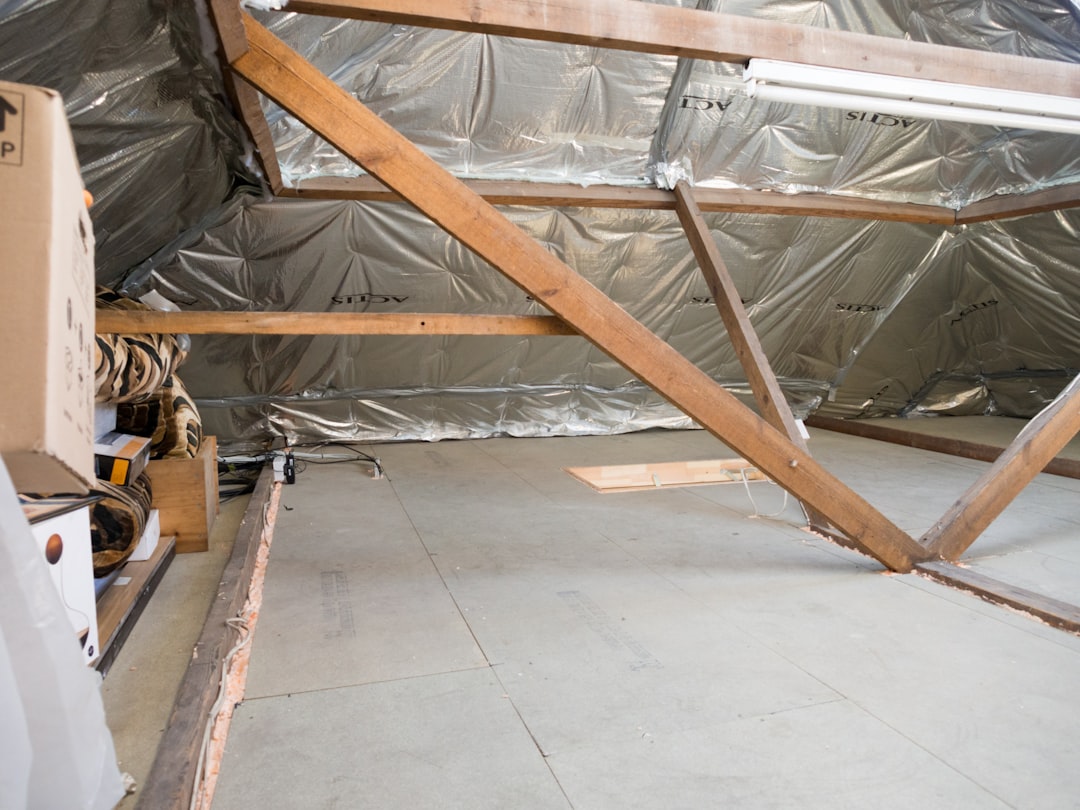
The attic tells the real story of a leak. We look for stains on the wood sheathing. We follow water trails back to their highest point. We check for daylight shining through roof boards. We inspect the condition of the roof deck from underneath. We look for mold growth or rotting wood. We assess ventilation to prevent future condensation issues. This interior inspection is as important as the exterior one. It helps us understand the full scope of damage. It ensures we address all affected areas, not just the visible shingle problem. A contractor who refuses to inspect your attic may miss critical damage.
Roof Repair Costs: Real Project Examples and Pricing Factors
Roof repair costs vary widely. A simple shingle replacement might cost $300-$600. A complex flashing repair around a chimney could be $800-$1,500. Full valley replacement often ranges from $1,000-$2,500. Emergency tarping typically costs $500-$800 as a service call. The final price depends on several factors. Roof pitch or steepness affects labor time and safety requirements. The type of roofing material changes material costs. The extent of water damage inside the attic adds to the repair. Local labor rates in your area influence the total. Always get at least three detailed written estimates. Compare the scope of work, not just the bottom-line price. A very low bid often means corners will be cut.
Case Study: A Storm Damage Repair in Kingwood, Texas
Last spring, a hailstorm hit a neighborhood in Kingwood. A homeowner had wind-lifted shingles and a leaking pipe vent. My company was called for an emergency tarp. We secured the area and documented everything. The insurance adjuster approved a full repair. We replaced the damaged shingles with matching GAF Timberline HDZ shingles. We installed new GAF WeatherWatch leak barrier in the valley. We replaced the pipe boot with a high-quality lead-and-rubber collar. The total project cost was $2,850. The homeowner's insurance deductible was $1,000. The repair was completed in one day. The key was proper documentation and working with the insurance company. This is a typical outcome for storm-related leaks.
Roofing Materials for Repairs: Hands-On Comparisons and Recommendations
Matching materials for a repair is essential. An asphalt shingle roof needs the same brand and style for a seamless look. For older roofs, this can be challenging. We keep samples of discontinued shingles for this reason. For flashing, I recommend copper or aluminum for longevity. Galvanized steel can rust over time. For pipe boots, lead-and-rubber or high-grade synthetic rubber lasts longer than cheap plastic. Underlayment is critical. I prefer synthetic underlayment over traditional felt paper. It is more tear-resistant and provides better protection. In valleys, I install metal valley flashing or specialized waterproof membranes. The right materials prevent callbacks and future leaks. Always ask your contractor what specific brands they use. Reputable brands like GAF, Owens Corning, and CertainTeed have quality standards.
Why Material Compatibility Matters
Mixing different shingle types can cause problems. Shingles have different thicknesses and profiles. This can create an uneven surface. It can affect water runoff and wind resistance. Different materials expand and contract at different rates. This can lead to premature failure at the repair border. Using inferior underlayment or flashing is a false economy. It may save a few dollars upfront. It will likely cause another leak within a few years. A professional contractor uses materials that meet or exceed the original installation. They follow the manufacturer's installation instructions. This is required to maintain any existing warranty on the roof.
The Professional Repair Process: From Inspection to Completion
A proper roof repair follows a clear sequence. It starts with a thorough inspection, both exterior and interior. The contractor creates a detailed work plan. They obtain the correct materials, ensuring color and style match. On repair day, they set up safety equipment like harnesses and guardrails. They protect your landscaping with tarps. They carefully remove the damaged materials. They inspect the exposed roof deck for rot or damage. They replace any compromised wood sheathing. They install new underlayment and flashing as needed. They install the new shingles, weaving them into the existing field. They clean up all debris and nails using magnetic sweepers. They perform a final inspection and walk you through the work. They provide documentation for your records and any warranty claims.
Quality Control Checks Every Homeowner Should Know
After the repair, do your own simple inspection. Look for a clean job site with no leftover nails. Check that the new shingles align neatly with the old ones. Look at the flashing; it should lay flat and be properly sealed. Ask the contractor to show you before-and-after photos. Request the manufacturer's warranty paperwork for the new materials. Get a copy of their workmanship warranty in writing. A reputable contractor will be proud to show their work. They will explain what they did and why. This transparency builds trust and ensures a quality outcome.
Working with Insurance on Leak Repairs: The Contractor's Role
Many roof leaks are covered by homeowners insurance. This includes damage from storms, wind, hail, or falling objects. Wear and tear or lack of maintenance is usually not covered. A good contractor can help navigate the insurance process. They can provide a detailed repair estimate for the adjuster. They can meet the adjuster on-site to point out damage. They understand insurance terminology and scope sheets. They know what is required for a successful claim. They should never offer to "cover your deductible." This is insurance fraud and is illegal. Their role is to provide an accurate assessment and quality repair. You should always file the claim yourself as the policyholder. The contractor works for you, not the insurance company.
Documentation is Key for Insurance Success
Take photos of the leak inside your home immediately. Take photos of the exterior damage from the ground. Keep records of any emergency service invoices. Provide all this to your insurance company. A contractor's detailed report with photos is very powerful. It shows the cause and extent of the damage clearly. This documentation supports a fair and timely settlement. The Insurance Information Institute offers good resources for understanding claims.
Practical Homeowner Tips from 3,000+ Projects
Prevention is always cheaper than repair. Clean your gutters twice a year. Trim tree branches hanging over your roof. After a major storm, do a visual inspection from the ground. Look for missing shingles or dented vents. In the attic, check for water stains or damp insulation periodically. If you see a leak, contain the water inside with buckets. Move furniture and belongings out of the way. Do not attempt to climb on a wet or steep roof yourself. It is extremely dangerous. Have a relationship with a trusted contractor before an emergency happens. Get a routine maintenance inspection every few years. Small problems caught early are inexpensive to fix.
- Act Fast: A small leak can cause major structural damage quickly.
- Get Multiple Bids: Compare at least three detailed written estimates.
- Check Credentials: Verify license, insurance, and certifications.
- Understand Warranties: Know what is covered by material and labor warranties.
- Communicate Clearly: Discuss timelines, cleanup, and payment schedules upfront.
Frequently Asked Questions About Leaking Roof Contractors
How quickly should a contractor respond to an emergency leak?
A reputable contractor should respond within 24 hours for a true emergency. They should at least provide phone guidance and schedule a tarping service. Many offer 24/7 emergency hotlines for active leaks causing interior damage. Response time is a good indicator of their customer service priority.
What is the average lifespan of a roof repair?
A quality repair using matching materials and proper techniques should last as long as the surrounding roof. If your roof is 15 years old, the repair should blend and perform for the remaining life of the roof. The key is using a skilled contractor who follows manufacturer specifications.
Can I repair the leak myself to save money?
For minor issues like a single missing shingle, a handy homeowner might attempt a repair. However, diagnosing the true source is difficult. Improper repairs can void warranties and cause more damage. For most leaks, especially those causing interior water, hiring a professional is safer and more cost-effective in the long run.
What red flags should I watch for with contractors?
Be wary of door-to-door solicitors after a storm. Avoid contractors who demand full payment upfront. Reject those who pressure you to sign an insurance assignment form. Be cautious of quotes that are dramatically lower than others. A lack of a physical business address or local references is a major red flag.
How do I know if I need a repair or a full roof replacement?
A professional inspection will determine this. Generally, if leaks are widespread, the roof is near the end of its lifespan, or there is significant deck rot, replacement may be more economical. If the roof is relatively new and damage is isolated, repair is the logical choice. Age, material condition, and the number of leak areas are all factors.
What should be included in the written contract?
The contract must include the contractor's full contact information and license number. It should detail the scope of work, materials to be used (brand, color, style), start and completion dates, total cost, payment schedule, and warranty information. It should also specify cleanup procedures and how change orders will be handled.
Are there specific certifications I should look for?
Yes. Look for manufacturer certifications like GAF Master Elite, Owens Corning Platinum, or CertainTeed SELECT. These require contractors to meet high standards for insurance, training, and reputation. Also look for membership in the National Roofing Contractors Association (NRCA), which promotes best practices.
Industry Statistics and Data on Roof Leaks
According to the National Roofing Contractors Association, improper installation causes most premature roof failures. The Insurance Institute for Business & Home Safety states that wind is a leading cause of roofing damage claims. A study by the National Association of Home Builders found a typical asphalt shingle roof lasts 20-25 years. The International Association of Certified Home Inspectors notes that flashing failures account for most leak investigations. These statistics highlight the importance of quality installation and maintenance. They show why choosing a certified, experienced contractor is not a luxury; it is a necessity for protecting your investment.
Conclusion: Your Path to a Dry and Secure Home
A leaking roof is a serious problem that demands a professional solution. The right contractor makes all the difference. They provide expertise, quality materials, and proper installation. They give you peace of mind. Use the steps in this guide to find a trustworthy professional. Check their credentials and ask detailed questions. Understand the repair process and costs. Work with your insurance company when applicable. Prioritize preventative maintenance to avoid future emergencies. Your home is your most valuable asset. Protecting it with a sound, watertight roof is essential. You now have the knowledge to navigate this challenge confidently. Take action today to secure your home for tomorrow.
Start by researching local contractors with strong reputations. Schedule inspections for any suspected issues. Do not wait for a small leak to become a major disaster. The investment in a quality repair protects everything under your roof. It ensures your family's safety and comfort for years to come. Remember, a good roofing contractor is a partner in home maintenance. Choose wisely, and you will have a reliable resource for the life of your home.