
Local Roofers: Your Guide to Finding Trusted Experts & Avoiding Costly Mistakes (From a Contractor With 15+ Years Experience)
I have been a roofing contractor for over fifteen years. I have completed more than two thousand roofing projects. I hold certifications from major manufacturers like GAF and Owens Corning. I have seen homeowners make expensive mistakes when choosing a roofer. This article will help you avoid those mistakes. You will learn how to find the right local professional for your home. You will get honest advice from someone who works on roofs every day.
Why does this article exist? Many homeowners feel overwhelmed when they need a new roof. They do not know who to trust. They worry about high costs and poor workmanship. This guide solves that problem. It answers your most important questions. You will learn how to verify a roofer's quality. You will understand what fair pricing looks like. You will feel confident making this big decision for your home.
This information comes from real experience. I gathered it from working on customer homes. I studied industry data from sources like the National Roofing Contractors Association (NRCA). I reviewed manufacturer specifications and local building codes. My recommendations are based on proven methods. I will show you what truly matters when hiring a local roofer. Let's get started.
Why Choosing the Right Local Roofer Matters More Than You Think
Your roof is your home's first line of defense. A poor installation can cause leaks, mold, and structural damage. These problems cost thousands of dollars to fix. The right local roofer protects your investment. They ensure your roof lasts for decades. They follow proper installation techniques. They use quality materials. They stand behind their work with strong warranties.
Local roofers understand your area's specific challenges. In Texas, we face intense sun, hail, and high winds. A local expert knows which materials perform best here. They know how to navigate local building permit processes. They are familiar with the inspectors in your city. This local knowledge is invaluable. It saves you time and prevents headaches.
The Real Cost of Hiring the Wrong Contractor
I have seen many disaster stories. A homeowner hired the cheapest bid. The crew used incorrect nails. They did not install proper flashing. Within a year, the roof leaked. The original contractor was gone. The homeowner paid another roofer ten thousand dollars to fix it. The total cost was much higher than a quality job from the start.
Poor workmanship voids manufacturer warranties. Companies like GAF and Owens Corning require certified installers. If your roofer is not certified, your shingle warranty may not be valid. This is a huge risk. Always verify your roofer's certifications before signing a contract.
How to Vet and Verify Local Roofing Contractors
Do not just pick a name from an online ad. You must do your homework. A thorough vetting process protects your home and your wallet. Follow these steps based on my fifteen years of industry experience.
Check Credentials and Insurance (Non-Negotiables)
First, verify the contractor's license. In Texas, roofers must be licensed by the Texas Department of Licensing and Regulation (TDLR). Ask for their license number and check it online. Second, ask for proof of insurance. They must have both liability insurance and workers' compensation. Do not take their word for it. Request a certificate of insurance directly from their provider.
Look for manufacturer certifications. These are gold standards. A GAF Master Elite® or Owens Corning Platinum Contractor has passed rigorous training. They offer better warranties. They are held to higher standards. You can verify these statuses on the manufacturer websites. This is one of the best indicators of quality.
Read Reviews and Ask for References
Online reviews are helpful but not perfect. Read reviews on Google, Facebook, and the Better Business Bureau (BBB). Look for patterns. Do multiple reviews mention clean-up or communication? Those are telling signs. Then, ask the roofer for local references. Specifically, ask for addresses of homes they roofed two to five years ago.
Drive by those homes if you can. See how the roof looks after several seasons. A good roof should look neat and uniform. The shingles should lay flat. There should be no visible sagging. This real-world check is more valuable than any online photo gallery.
Understanding Roofing Estimates: What's Fair and What's a Red Flag
You should always get at least three detailed estimates. Do not be tempted by the lowest price alone. A detailed estimate shows professionalism. It protects you from hidden costs. Here is what a proper estimate should include, based on standard industry practice.
Breaking Down a Line-Item Estimate
A good estimate is not just one total number. It is a breakdown of all costs. It should list the specific shingle brand and line (e.g., GAF Timberline HDZ or Owens Corning Duration). It should specify the underlayment type (synthetic or felt). It must include all necessary components: drip edge, ice and water shield, ventilation, and flashing.
The estimate must include the cost of removal and disposal of the old roof ("tear-off"). It should list the number of layers being removed. It should state the project start and completion dates. It must include payment terms. Be wary of any contractor who demands full payment upfront. A reasonable schedule is a deposit to secure materials, a progress payment, and a final payment upon completion and your satisfaction.
Current Pricing Benchmarks for Our Area
Pricing varies based on many factors. These include roof size, pitch, material choice, and complexity. As of 2025, for a standard asphalt shingle roof on a typical 2,000 sq. ft. home in our area, you can expect a range. A quality installation from a certified contractor typically ranges from $12,000 to $25,000.
Why such a wide range? A simple roof with easy access costs less. A steep, multi-level roof with many valleys and penetrations costs more. Premium materials like architectural shingles or metal roofing increase the price. Remember, you are paying for skilled labor, quality materials, proper insurance, and warranty protection. An extremely low bid often cuts corners in these areas.
Roofing Materials: A Contractor's Hands-On Comparison
The shingles you choose affect your roof's look, lifespan, and performance. I have installed thousands of squares of each major type. Here is my practical comparison from the field.
Asphalt Shingles: The Popular Choice
Asphalt shingles are the most common choice. They offer good value. Three-tab shingles are the most basic and economical. They have a flat appearance and a shorter lifespan. Architectural (or dimensional) shingles are thicker. They have a random, shadowed look that mimics wood or slate. They last longer and offer better wind resistance.
Premium architectural shingles, like GAF's Grand Sequoia or Owens Corning's Berkshire, are top-tier. They are very thick and durable. They often come with enhanced warranties, like lifetime limited transferable warranties. For most Texas homes, I recommend a quality architectural shingle. It provides the best balance of durability, aesthetics, and cost.
Metal, Tile, and Other Options
Metal roofing is gaining popularity. It is extremely durable and fire-resistant. It reflects solar heat, which can lower cooling costs. The initial cost is higher than asphalt. Proper installation is critical to prevent leaks. Stone-coated steel, like from DECRA, is a great option that looks like tile.
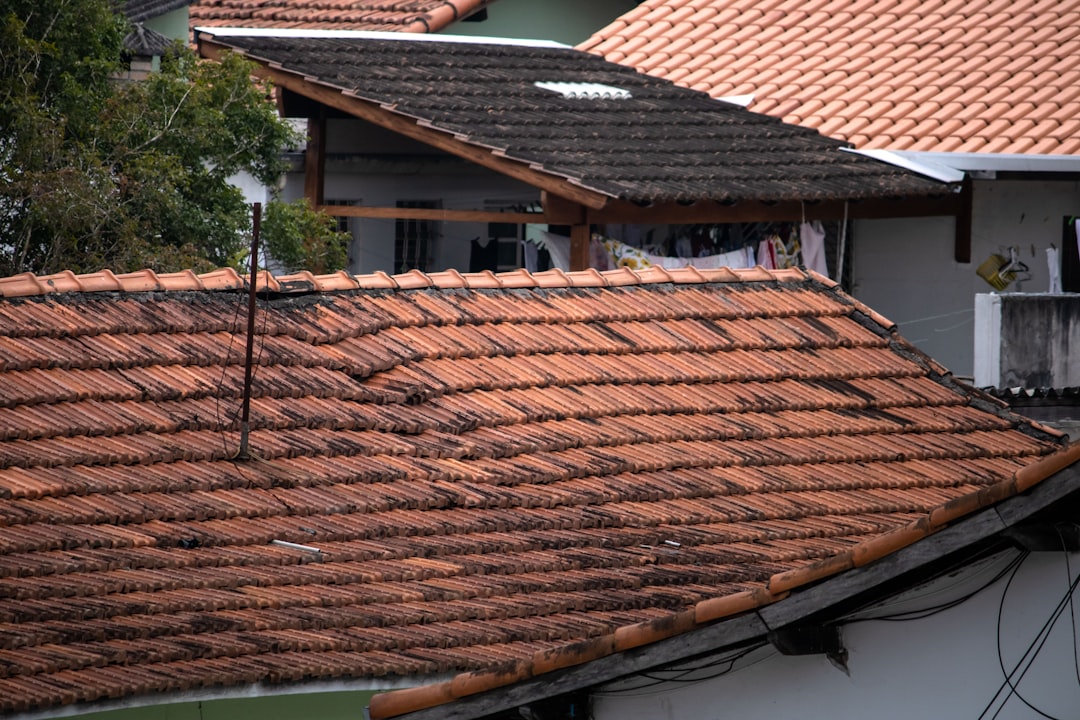
Clay or concrete tile is beautiful and very long-lasting. It is also very heavy. Your home's structure must be able to support the weight. Tile is also more expensive. It requires specialized installers. For most homeowners, tile is a premium choice for a specific aesthetic.
The Installation Process: What Should Happen on Your Roof
A proper installation follows a strict sequence. Knowing what to expect helps you monitor the work. Here is the step-by-step process a quality crew will follow.
Day 1: Tear-Off and Deck Inspection
The crew will start by removing the old shingles. They will use tarps to protect your landscaping. They will haul the old materials to a dump trailer. Once the deck (the wooden surface) is exposed, they must inspect it. They are looking for soft, rotten, or damaged wood.
Any damaged plywood or OSB must be replaced. This is a critical step. Installing new shingles over a rotten deck is like putting new carpet over a rotten floor. It will fail quickly. The estimate should include a budget for deck repair, as the full extent of damage is often unknown until the old roof is removed.
Days 2-3: Underlayment, Flashing, and Shingles
The crew will install drip edge metal around the roof's perimeter. Then, they will roll out the synthetic underlayment. This is a water-resistant barrier that protects the deck. In critical areas (valleys, around chimneys, along walls), they will install ice and water shield. This is a self-adhering membrane that provides extra protection.
Next comes the flashing. Flashing is metal (usually aluminum) that directs water away from joints and penetrations. It is installed around chimneys, vent pipes, skylights, and where the roof meets a wall. Poor flashing is the number one cause of leaks, not the shingles themselves. Finally, the shingles are installed from the bottom edge up, following the manufacturer's exact nailing pattern.
Practical Homeowner Tips From Real Projects
Here is advice I give my own customers. These tips come from solving real problems on real homes.
- Be Present for the Initial Walk-Through: Walk the property with the project manager before work starts. Point out delicate plants, irrigation heads, or outdoor furniture. Discuss where the dump trailer and materials will go.
- Ask About Ventilation: Proper attic ventilation is crucial. It prevents heat and moisture buildup that can damage shingles and increase energy bills. Ask how they will ensure your attic is properly vented according to building codes.
- Get Everything in Writing: Any change to the original plan or estimate must be in writing. This includes additional deck repair, changes in materials, or extra work. A written change order protects both you and the contractor.
- Do a Final Walk-Through: When the job is done, do a walk-around with the foreman. Look for nails in your yard. Check your gutters for debris. Inspect the workmanship from the ground. A good contractor will want you to be satisfied.
Frequently Asked Questions (Real Questions From Homeowners)
How long should a new roof last?
A quality architectural shingle roof from a certified installer should last 25 to 30 years. The lifespan depends on material quality, installation quality, attic ventilation, and local weather conditions. Proper maintenance also plays a big role. Metal and tile roofs can last 50 years or more.
Can I roof over my existing shingles?
Sometimes, but I rarely recommend it. Building codes often allow one overlay. However, you cannot inspect the deck for damage. It adds extra weight to your roof structure. It often voids the new shingle warranty. A complete tear-off is almost always the better, longer-lasting choice.
What time of year is best to replace a roof?
Spring and fall are ideal in our climate. The temperatures are moderate, which is better for the installers and the shingles. Summer heat can make shingles very pliable and tricky to handle. We work year-round, but scheduling can be easier during these milder seasons.
How do I handle a roof insurance claim?
First, document the damage with photos. Contact your insurance company to start a claim. They will send an adjuster. Then, get estimates from two or three reputable local roofers. Provide those estimates to your adjuster. A good local roofer can often meet with the adjuster to help ensure the estimate covers all necessary work. Resources like the Insurance Information Institute offer helpful guidance.
What does a roofing warranty cover?
There are two main types: manufacturer's material warranty and contractor's workmanship warranty. The material warranty covers defects in the shingles. The workmanship warranty covers installation errors. A strong combination is a lifetime material warranty from the manufacturer (like GAF's Golden Pledge) and a 5-10 year workmanship warranty from the contractor. Read the warranties carefully to understand the limitations.
Real Project Case Studies & Outcomes
Let me share two real examples from my work. These show the importance of the choices you make.
Case Study 1: The Thorough Inspection
A homeowner had a leak near their chimney. A handyman quoted $500 to "patch it." We were called for a second opinion. We found the flashing was completely corroded. The plywood beneath was rotten. The patch would have failed in months. We replaced the flashing and the damaged deck. The total was $2,800. The roof has been leak-free for seven years. The lesson: a cheap fix is often temporary. A proper repair addresses the root cause.
Case Study 2: The Value of Certification
A family needed a full roof replacement. They got three bids. Two were from non-certified companies and were 15% lower. One was from us, a GAF Master Elite contractor. We explained the enhanced warranty and certification standards. They chose us. Five years later, a severe hailstorm damaged their roof. Because of the enhanced warranty and our documentation, the insurance and warranty process was smooth. They received full coverage for a replacement. The slightly higher initial investment paid off.
Industry Statistics & Data
Data helps inform good decisions. According to the National Roofing Contractors Association (NRCA), proper installation is the most critical factor in roof longevity. A 2023 industry report found that over 40% of roofing failures are due to installation errors, not product failure. Furthermore, homes with poor attic ventilation can see roof temperatures 30-40°F higher, cutting shingle life significantly. Choosing a certified professional directly addresses these major risk factors.
Your Step-by-Step Guide to Hiring a Local Roofer
- Identify Your Need: Is it a repair, replacement, or inspection?
- Research Local Companies: Search for contractors with strong local reputations and verifiable credentials.
- Check Credentials: Verify state license, insurance, and manufacturer certifications online.
- Read Reviews & Get References: Look at online feedback and ask for recent local addresses.
- Schedule Estimates: Get at least three detailed, written estimates.
- Compare & Ask Questions: Compare the line items, not just the bottom line. Ask about warranties, timelines, and crew.
- Make Your Decision & Sign a Contract: Choose the contractor that offers the best combination of value, trust, and quality—not just the lowest price. Ensure the contract includes all details from the estimate.
Conclusion: Your Path to a Successful Roofing Project
Choosing a local roofer is a major decision. Do not rush it. Your roof is a long-term investment in your home's safety and value. Use the steps in this guide to find a qualified, trustworthy professional. Look for credentials, insurance, and certifications. Get detailed estimates and check references. Understand the materials and the installation process.
Your goal is a roof that protects your home for decades. That requires a skilled installer using quality materials. The right local roofer will be a partner in that process. They will answer your questions clearly. They will stand behind their work. They will give you peace of mind.
Your next step is to start your research. Make a list of potential contractors in our area. Begin checking their credentials. Schedule consultations. You now have the knowledge to navigate this process confidently. Here's to a successful project and a secure home over your head for years to come.