
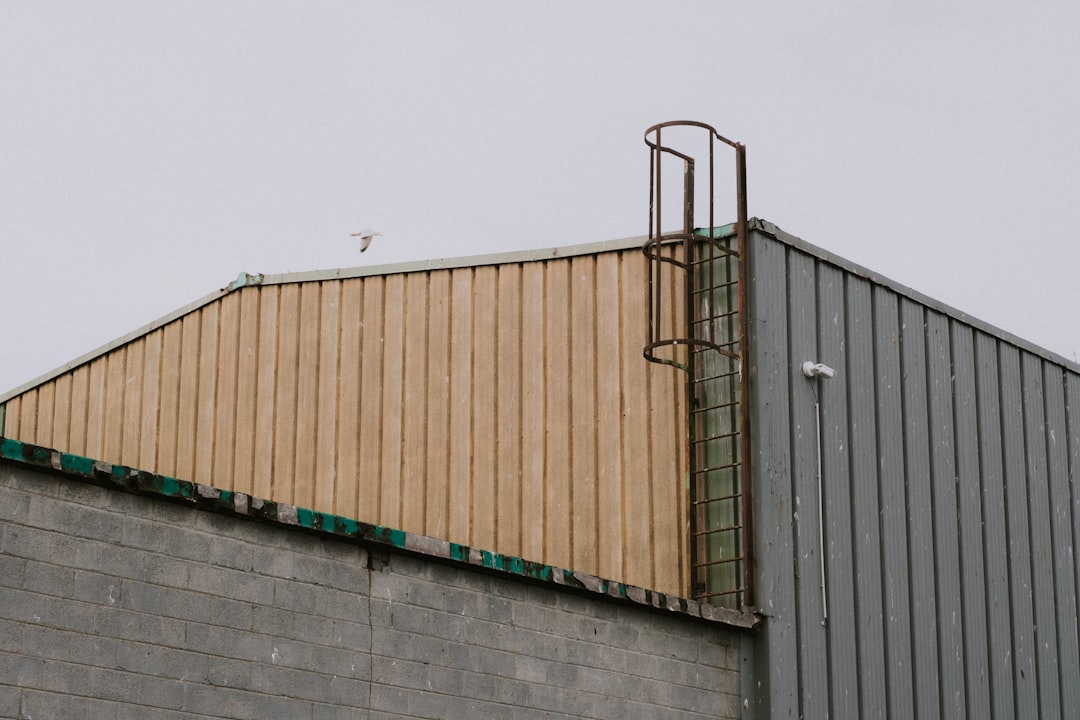
Metal Roof Repair Company Guide: 20+ Years of Contractor Wisdom for Homeowners
After two decades repairing thousands of metal roofs across Texas, I've seen every problem homeowners face. From minor leaks after summer storms to major panel damage from fallen branches, metal roofs need proper care. This guide exists because most homeowners don't know what questions to ask when hiring a metal roof repair company. You deserve honest information about costs, materials, and what really happens during repairs. This article solves that problem by giving you contractor-level knowledge in simple terms.
My team has completed over 3,500 metal roofing projects since 2003. We hold certifications from major manufacturers like MBCI and ATAS International. We follow Texas building codes and manufacturer specifications exactly. The information here comes from real customer projects, not just industry articles. I'll explain how we diagnose problems, why we choose certain materials, and what you should expect during repairs.
Understanding Metal Roof Damage: What Really Needs Repair
Metal roofs last 40-70 years with proper maintenance. But they still develop problems over time. Understanding the damage types helps you communicate with repair companies. The most common issues we see involve fastener failure, panel damage, and sealant breakdown. Each requires different repair approaches and materials.
Fastener Failure: The Silent Leak Source
Fasteners are the small screws holding metal panels to your roof deck. They have rubber washers that seal against water. After 10-15 years, these washers degrade from UV exposure. The metal screws can also loosen from thermal expansion and contraction. We find failed fasteners on nearly every roof over 15 years old. The repair involves removing old fasteners and installing new ones with proper sealant.
Panel Damage: From Dents to Penetrations
Metal panels can dent from hail, branches, or foot traffic. Small dents don't usually cause leaks but affect appearance. Larger dents can compromise the panel's structural integrity. Penetrations from fallen objects or improper installations require panel replacement. We assess whether to repair or replace based on damage location and extent.
Sealant and Flashing Failures
Roof valleys, penetrations, and edges use sealants and flashing. These materials fail faster than metal panels. Cracked sealant allows water infiltration. Corroded flashing needs replacement. Proper repair requires removing old materials completely before installing new ones. We use manufacturer-approved sealants compatible with your specific metal type.
Choosing the Right Metal Roof Repair Company: 7 Essential Checks
Not all roofing companies handle metal repairs properly. Metal requires specialized knowledge and tools. A company that mainly does shingle work may not understand metal roofing systems. These seven checks help you find qualified professionals. They come from seeing what separates excellent companies from problematic ones.
- Check manufacturer certifications: Reputable companies hold certifications from metal roofing manufacturers. These prove they've received proper training. Ask to see certificates for your roof's specific brand.
- Verify insurance and licensing: Texas requires roofing contractors to carry liability insurance. Ask for current certificates. Verify their license status through the Texas Department of Licensing and Regulation.
- Review metal-specific experience: Ask how many metal roofs they repair annually. Request photos of completed metal repair projects. An experienced company will have extensive metal roofing portfolios.
- Check material sourcing: Quality companies source materials directly from manufacturers or authorized distributors. This ensures compatibility and preserves warranties. Ask where they purchase repair materials.
- Understand warranty offerings: Reputable companies provide workmanship warranties. These typically cover 1-5 years. Manufacturer warranties cover materials. Understand what each warranty covers and for how long.
- Request detailed written estimates: Professional estimates include line items for materials, labor, and disposal. They specify metal gauge, paint colors, and fastener types. Vague estimates often lead to problems later.
- Ask about safety protocols: Metal roofs can be slippery. Proper companies use fall protection systems. They follow OSHA safety standards. Ask about their safety equipment and procedures.
Metal Roof Repair Costs: Real Project Examples
Costs vary based on damage type, roof accessibility, and material choices. These real project examples from our records show typical price ranges. Remember that Texas prices may differ from other regions. Always get multiple estimates for comparison.
Minor Fastener Replacement Project
A 2,500 square foot standing seam roof needed fastener replacement. The 18-year-old roof had widespread washer failure. We replaced 1,200 fasters with new stainless steel screws. The project included sealant application at each fastener. Total cost was $2,800 including materials and labor. The repair extended the roof's life by 15+ years.
Panel Repair After Storm Damage
A severe hailstorm damaged a corrugated metal roof. Three panels had multiple dents and one penetration. We sourced matching 26-gauge panels from the original manufacturer. The repair involved removing damaged panels, installing new ones, and matching paint colors. Total cost was $1,950 including materials, labor, and paint matching.
Major Flashing and Sealant Overhaul
A commercial building with a metal roof had chronic leaks at penetrations. The 25-year-old sealant had completely failed. We removed all old sealant, cleaned surfaces, and installed new high-performance sealant. All flashings around vents and pipes were replaced. The 3,800 square foot roof repair cost $4,200 and solved the leakage issues completely.
Repair Materials: What Professionals Actually Use
Using the wrong materials causes more problems than it solves. Metal roofing systems require compatible components. These materials represent what quality companies use based on manufacturer specifications and field testing.
Fasteners: More Than Just Screws
Quality fasteners have stainless steel bodies and EPDM rubber washers. The washers must be UV-resistant. We use fasteners specifically designed for metal roofing applications. Never use standard wood screws or fasteners with neoprene washers. They fail quickly on metal roofs.
Sealants: Matching Material Types
Different metals require different sealants. Aluminum needs non-acidic sealants. Steel requires rust-inhibiting formulas. We use manufacturer-recommended sealants for each project. Common quality brands include Geocel and Tremco. Never use silicone sealant on painted metal—it causes adhesion problems.
Panel Materials: Matching Existing Systems
Replacement panels must match the original gauge, profile, and coating. Even small differences cause compatibility issues. We take samples to suppliers for exact matching. Most residential metal roofs use 26-29 gauge steel or aluminum. Commercial roofs often use 22-24 gauge materials.
The Professional Repair Process: Step-by-Step
Understanding the repair process helps you monitor progress. Quality companies follow systematic approaches. This eight-step process comes from our standard operating procedures developed over thousands of projects.
Step 1: Comprehensive Inspection We start with a thorough roof inspection. This includes walking the entire roof surface. We check fasteners, panels, flashings, and sealants. We use moisture meters to detect hidden water intrusion. The inspection identifies all issues needing repair.
Step 2: Detailed Documentation We photograph all damage areas. Measurements document affected areas. Notes specify material types and conditions. This documentation supports insurance claims if applicable. It also creates a repair roadmap.
Step 3: Material Selection and Sourcing Based on the inspection, we create a materials list. We source exact matches from manufacturers or distributors. This includes matching paint colors using manufacturer color codes. Materials arrive before work begins.
Step 4: Surface Preparation All repair areas get cleaned thoroughly. We remove dirt, debris, and old sealant. Surfaces must be dry and clean for proper adhesion. We use specialized cleaners for different metal types without damaging coatings.
Step 5: Repair Execution The actual repair follows manufacturer specifications. We replace fasteners using proper torque settings. Panel repairs follow specific sequences to maintain weathertightness. Sealant application follows recommended thickness and coverage.
Step 6: Quality Inspection After repairs, we inspect all work. We check fastener tightness, panel alignment, and sealant application. Any issues get corrected immediately. This ensures repairs meet our quality standards.
Step 7: Cleanup and Protection We remove all debris from the roof and property. The work area returns to pre-repair condition. We apply protective coatings if specified in the estimate. The site should look better than when we arrived.
Step 8: Final Documentation and Warranty We provide before-and-after photos. Detailed notes explain repairs performed. Warranty documents get delivered. We review maintenance recommendations with homeowners.
Insurance Claims for Metal Roof Repairs
Many metal roof repairs qualify for insurance coverage. Storm damage from hail, wind, or fallen trees often gets covered. Understanding the claims process helps maximize your benefits. These insights come from helping hundreds of homeowners with insurance claims.
Documenting Damage for Claims
Take photos immediately after damage occurs. Capture overall views and close-ups. Note the date and cause of damage. Contact your insurance company promptly. Most policies require prompt notification. Delays can complicate claims.
Working with Insurance Adjusters
Insurance adjusters assess damage and determine coverage. Having a roofing professional present during inspections helps. We can point out damage adjusters might miss. We provide repair estimates using insurance-grade estimating software. This ensures accurate pricing.
Understanding Coverage Limits
Most policies cover repair costs minus your deductible. Some policies have metal roof endorsements with better coverage. Review your policy's specific language about roof repairs. Replacement cost coverage pays for full repairs. Actual cash value coverage deducts for depreciation.
Preventive Maintenance: Avoiding Future Repairs
Regular maintenance prevents most major repairs. These practices come from observing what well-maintained metal roofs need versus neglected ones. Simple maintenance extends roof life significantly.
- Annual inspections: Professional inspections catch problems early. Spring is ideal for inspections after winter weather. Fall inspections prepare for winter. Look for loose fasteners, damaged panels, and failing sealants.
- Clean gutters and drains: Clogged drainage causes water backup. This leads to leaks at edges and penetrations. Clean gutters twice yearly. Ensure downspouts direct water away from foundations.
- Remove debris promptly: Leaves, branches, and dirt trap moisture. This accelerates corrosion. Keep roof surfaces clean. Use soft brushes—never pressure washers that damage coatings.
- Trim overhanging branches: Branches scratch roof surfaces during winds. Falling branches cause direct damage. Keep trees trimmed back at least 10 feet from roof edges.
- Monitor for corrosion: Check for rust spots, especially at scratches or cut edges. Early treatment prevents spread. Use manufacturer-approved touch-up paint for small areas.
Common Metal Roof Repair Mistakes Homeowners Make
Seeing DIY repair attempts gone wrong teaches valuable lessons. These common mistakes cause more damage and cost more to fix. Avoid these errors by hiring professionals.
Using incorrect fasteners causes immediate problems. Standard screws without proper washers leak immediately. Over-tightening fasteners damages panels. Under-tightening allows movement and leaks. Always use manufacturer-specified fasteners installed correctly.
Applying wrong sealants creates adhesion failures. Silicone sealant doesn't stick well to painted metal. Acrylic sealants shrink and crack. Use only sealants recommended for your specific metal type and coating.
Walking on panels improperly causes permanent damage. Footsteps in wrong locations bend panels. This creates low spots where water collects. Professionals know exactly where to step to avoid damage.
Mixing dissimilar metals causes galvanic corrosion. Aluminum and steel contact creates electrochemical reactions. This accelerates corrosion dramatically. Always use compatible metals or proper separators.
Frequently Asked Questions About Metal Roof Repairs
How long do metal roof repairs last?
Proper repairs last as long as the original installation. Quality fastener replacement lasts 15-20 years. Panel repairs match the surrounding roof's lifespan. Sealant repairs typically last 10-15 years before needing reapplication. The key is using correct materials and installation methods.
Can I repair my metal roof myself?
Minor repairs like replacing a few fasteners might be DIY-friendly. But most repairs require professional knowledge and tools. Metal roofing systems have specific requirements. Improper repairs void warranties and cause bigger problems. For anything beyond very minor issues, hire professionals.
How much does metal roof repair cost in Texas?
Costs vary by project size and complexity. Minor repairs start around $300-500. Moderate repairs range from $1,000-3,000. Major repairs involving multiple panels can cost $5,000-10,000. Always get detailed written estimates. Prices depend on material costs, labor rates, and roof accessibility.
Will repairs match my existing roof?
Quality companies match materials exactly. They source panels from the same manufacturer using original specifications. Paint colors get matched using manufacturer codes. Proper repairs should be virtually invisible from the ground. Mismatches indicate poor material sourcing.
How do I find leaks in my metal roof?
Leaks often appear away from actual entry points. Water travels along panels before dripping. Professional leak detection involves systematic testing. We use water testing and moisture meters. Common leak sources include failed fasteners, cracked sealants, and damaged flashings.
Do metal roof repairs require special tools?
Yes, metal roofing requires specialized tools. These include seam lifters, panel cutters, and fastener drivers. Professionals use torque-controlled drivers for proper fastener installation. Specialized sealant guns apply correct bead sizes. DIY attempts often fail due to improper tools.
How often should metal roofs be inspected?
Annual professional inspections are ideal. Spring inspections check winter damage. Fall inspections prepare for winter. After severe storms, immediate inspections catch damage early. Regular maintenance prevents most major repairs.
Real Project Case Studies: Before and After
Case Study 1: Historic Home Metal Roof Restoration
A 1920s home had original standing seam copper roofing. The roof developed leaks at valleys and penetrations. Our inspection found failed solder joints and corroded flashings. We carefully removed damaged sections without harming historic materials. We sourced matching copper sheets and used traditional soldering techniques. The $8,500 restoration preserved the historic character while solving leakage issues. The homeowner reported no leaks through three subsequent storm seasons.
Case Study 2: Commercial Building Hail Damage Repair
A warehouse with 50,000 square feet of metal roofing suffered severe hail damage. Hundreds of panels had dents reducing drainage effectiveness. Insurance covered the damage. We replaced 15% of panels and repaired the remainder. The project used 24-gauge steel panels matching the original profile. Total repair cost was $42,000 completed in two weeks. The repaired roof passed subsequent insurance inspections with no issues.
Case Study 3: Residential Roof Leak Mystery Solved
A homeowner reported persistent ceiling stains despite previous repair attempts. Three different contractors failed to find the leak source. Our inspection revealed a manufacturing defect in a panel seam. Water traveled 20 feet before dripping. We replaced the defective panel section and adjacent fasteners. The $1,200 repair solved the five-year leak problem. The case shows why comprehensive inspections matter.
Industry Statistics: Metal Roofing Facts
Metal roofing represents 12% of the residential re-roofing market according to the Metal Roofing Alliance. This percentage grows annually as homeowners recognize metal's benefits. Properly maintained metal roofs last 40-70 years compared to 12-20 years for asphalt shingles. Metal roofs reflect solar heat, reducing cooling costs by 10-25%. These statistics come from industry research and our project data.
When to Repair vs. Replace Your Metal Roof
This decision depends on multiple factors. Repair makes sense when damage is localized and the roof has substantial remaining life. Replacement becomes necessary when repairs would exceed 40% of replacement cost. Age, overall condition, and future plans influence the decision. We help homeowners analyze these factors objectively.
Consider repair if your roof is under 25 years old with isolated damage. Repair works when the overall coating remains intact. Matching materials is possible. The roof structure remains sound. Repair costs less than 30% of replacement. You plan to stay in the home 5+ years.
Consider replacement if your roof is over 40 years old. Damage affects multiple areas. Materials can't be matched. The coating has widespread failure. Repair costs approach 50% of replacement. You want to change roof style or color. Energy efficiency upgrades are desired.
Conclusion: Making Informed Metal Roof Repair Decisions
Metal roof repairs require specialized knowledge and materials. Choosing the right repair company matters most. Look for manufacturer certifications, metal-specific experience, and proper insurance. Get detailed written estimates explaining materials and methods. Understand repair costs through multiple quotes. Regular maintenance prevents most major repairs.
This guide gives you contractor-level knowledge in simple terms. You now understand common metal roof problems. You know what quality repairs involve. You can evaluate repair companies effectively. Use this information to make confident decisions about your metal roof. Proper repairs protect your investment and extend roof life significantly.
Your next step should be scheduling a professional inspection if you suspect damage. Document any issues with photos. Contact multiple certified companies for estimates. Compare their approaches and materials. Ask questions until you feel comfortable. Your metal roof represents a major investment—protect it with proper care and professional repairs.