
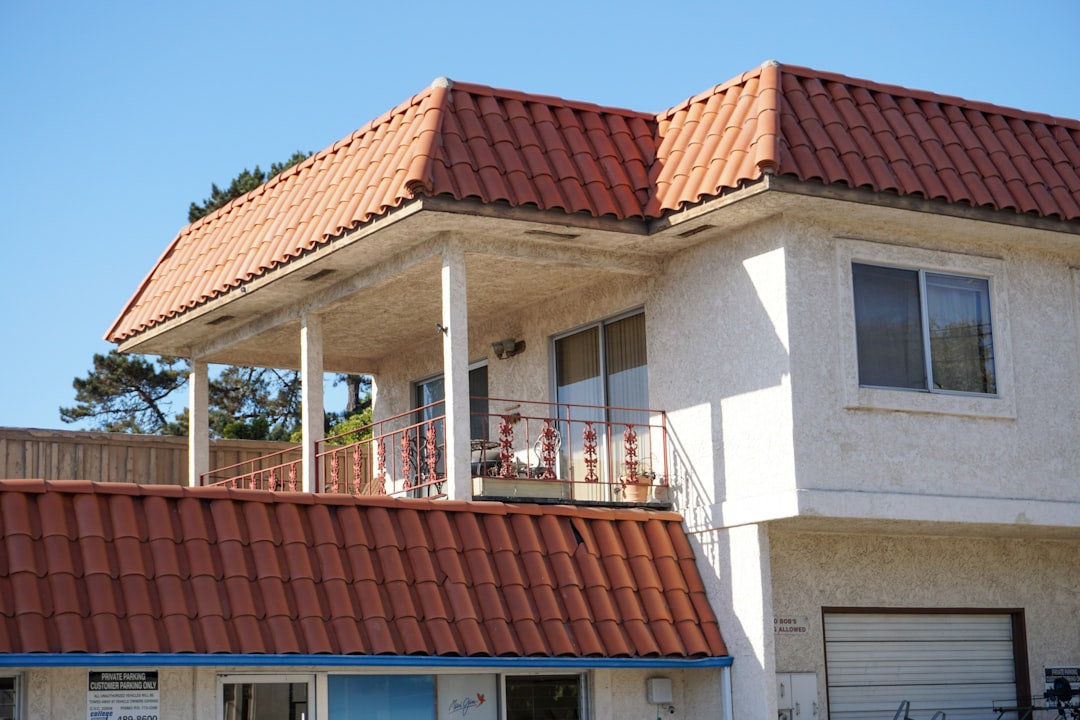
Missing Roof Tile Repair Cost: A Contractor's 20-Year Perspective
After 20 years running Kingwood Roofing and completing over 3,500 roofing projects across Texas, I've seen how missing roof tiles create homeowner stress. This article exists because every week I meet homeowners panicking about roof damage costs. They worry about water damage, insurance claims, and contractor reliability. My goal is simple: give you the complete picture of missing tile repair costs so you can make informed decisions. I gathered this information from actual customer projects, manufacturer specifications, and Texas building codes. You'll get real numbers from recent jobs and practical advice from hands-on experience.
Roof tile damage often happens after Texas storms, aging roofs, or improper maintenance. Many homeowners don't know where to start when they spot missing tiles. Should they repair immediately? Can they wait? What's a fair price? I'll answer these questions based on repairing hundreds of tile roofs in Kingwood and surrounding communities. We'll cover material costs, labor factors, and hidden expenses you might not consider. My certifications include GAF Master Elite and CertainTeed SELECT ShingleMaster qualifications. I've installed and repaired concrete, clay, and synthetic tiles from all major manufacturers.
Understanding Roof Tile Types and Repair Implications
Different roof tiles require different repair approaches and costs. Concrete tiles dominate Texas roofing for their durability and fire resistance. Clay tiles offer classic beauty but break more easily during repairs. Synthetic composite tiles provide lightweight alternatives with good impact resistance. Each material has unique installation methods and replacement challenges. I've worked with all three types extensively across residential and commercial projects.
Concrete Roof Tile Repair Considerations
Concrete tiles weigh 900-1,100 pounds per square (100 square feet). Their weight makes handling difficult for DIY repairs. Professional installation requires proper safety equipment and techniques. Concrete tiles typically cost $400-$700 per square to replace. Color matching can be challenging on older roofs due to fading. Manufacturers like Eagle Roofing Products and Monier produce concrete tiles with 50-year warranties. Always check manufacturing dates when replacing individual tiles.
Clay Roof Tile Repair Challenges
Clay tiles break easily if walked on improperly. Their fragility increases repair costs significantly. Replacement clay tiles cost $800-$1,200 per square installed. Finding matching vintage tiles can be difficult and expensive. Specialized cutting tools prevent tile damage during installation. Many historic homes in Texas use clay tiles from manufacturers like Ludowici and Monier. Always handle clay tiles with extreme care during inspection and repair.
Synthetic Composite Tile Advantages
Synthetic tiles replicate traditional looks with modern benefits. They weigh much less than concrete or clay options. Synthetic materials resist impact damage better than natural products. Replacement costs range from $600-$900 per square installed. Color matching is easier with synthetic manufacturing processes. Leading manufacturers include Brava Roof Tile and EcoStar. Synthetic tiles work well for both repair and full roof replacement projects.
Missing Roof Tile Repair Cost Breakdown
Missing tile repair costs vary based on multiple factors. The average repair in Texas ranges from $350-$800 for 1-5 missing tiles. Emergency repairs after storms often cost more due to high demand. Complex roof access adds $150-$300 to the total bill. Historic home repairs require special techniques increasing prices 20-30%. Below I'll break down recent project costs from our Kingwood Roofing records.
Labor Costs for Tile Replacement
Professional roofers charge $65-$100 per hour for tile work. Most missing tile repairs take 2-4 hours total. Complex repairs with difficult access can take 6-8 hours. Emergency weekend or holiday work costs 50% more. Always get multiple quotes before hiring contractors. Check their licensing and insurance through the Texas Department of Licensing and Regulation. Proper licensing ensures quality work and consumer protection.
Material Costs for Replacement Tiles
Replacement tile costs depend on material and availability. Concrete tiles cost $3-$8 per tile from suppliers. Clay tiles range from $8-$15 each for standard styles. Synthetic composite tiles cost $6-$12 per tile. Specialty or discontinued tiles can cost $25-$50 each. Always buy 10-15% extra tiles for future repairs. Store them properly in a dry, protected location. Match existing tiles by bringing samples to suppliers.
Additional Repair Expenses
Underlayment replacement adds $100-$300 to repair costs. Flashing repairs cost $150-$400 depending on complexity. Decking replacement runs $75-$150 per sheet if water damage occurred. Cleanup and disposal fees range from $100-$200 for most projects. Always inspect for hidden damage when replacing missing tiles. Water can travel far from the original leak point. Address all issues during the initial repair to prevent future problems.
Real Project Case Studies and Outcomes
Case studies help illustrate typical repair scenarios and costs. These examples come from actual Kingwood Roofing projects completed last year. Names and addresses remain confidential for privacy protection. Each case shows different repair approaches and final outcomes.
Case Study 1: Storm Damage Repair
A Kingwood homeowner lost 12 concrete tiles during a hailstorm. The repair included tile replacement and underlayment repair. Total cost was $1,850 including materials and labor. Insurance covered $1,500 after deductible. The homeowner paid $350 out-of-pocket. We completed repairs within two days of inspection. The roof has performed perfectly through subsequent storms.
Case Study 2: Aging Roof Maintenance
A 25-year-old clay tile roof needed periodic tile replacement. The homeowner replaced 8 cracked tiles and repaired flashing. Total cost was $1,200 including specialty tile sourcing. No insurance coverage applied for normal wear and tear. We recommended a full roof inspection to plan for future replacement. The homeowner scheduled follow-up maintenance for next year.
Case Study 3: Emergency Leak Repair
Water intrusion occurred during heavy rains from missing synthetic tiles. Emergency repair included 5 tile replacements and interior ceiling repair. Total cost was $2,400 including emergency service fees. Insurance covered $2,100 after assessing storm damage. We completed repairs within 24 hours of the initial call. The homeowner avoided significant interior damage through quick action.
Step-by-Step Roof Tile Repair Process
Professional roof tile repair follows a systematic approach. Safety remains the top priority throughout the process. Proper equipment prevents accidents and additional damage. Below I outline our standard repair procedure developed over thousands of projects.
Step 1: Safety Assessment and Preparation
Evaluate roof pitch and condition before starting work. Set up proper fall protection systems according to OSHA standards. Clear the work area of debris and obstacles. Gather all necessary tools and materials before ascending. Never work on wet or windy conditions. Always have a spotter available during roof work.
Step 2: Damage Inspection and Evaluation
Identify all missing, cracked, or damaged tiles. Check surrounding tiles for hidden damage. Inspect underlayment and decking for water intrusion. Document damage with photos for insurance claims. Measure the repair area accurately. Create a comprehensive repair plan before starting work.
Step 3: Tile Removal and Preparation
Carefully remove damaged tiles without breaking adjacent ones. Clear the area of old adhesive and debris. Inspect the exposed roof deck for damage. Replace any compromised underlayment immediately. Prepare the surface for new tile installation. Ensure proper alignment for water runoff.
Step 4: New Tile Installation
Install replacement tiles according to manufacturer specifications. Use proper fasteners and adhesives for the tile type. Ensure correct overlap and alignment with existing tiles. Check that all tiles sit flush and secure. Verify proper water shedding capability. Clean excess adhesive immediately.
Step 5: Final Inspection and Cleanup
Inspect the completed repair from multiple angles. Verify all tiles are properly secured and aligned. Check surrounding areas for accidental damage. Clean the work area completely. Remove all debris and materials from the site. Provide the homeowner with repair documentation.
Insurance Claims for Missing Roof Tiles
Homeowners insurance often covers sudden damage from storms or accidents. Normal wear and tear typically isn't covered. Document damage thoroughly with photos and videos. Contact your insurance company immediately after discovering damage. Most policies require prompt notification of claims. Keep records of all communications and documentation.
Understanding Insurance Coverage
Review your policy's dwelling coverage limits and deductibles. Most policies cover roof repair from wind, hail, or falling objects. Some policies have separate wind/hail deductibles. Actual Cash Value policies deduct for depreciation. Replacement Cost Value policies cover full repair costs. Understand your policy type before filing a claim.
Working With Insurance Adjusters
Be present during the adjuster's inspection if possible. Point out all visible damage areas clearly. Provide your contractor's repair estimate for comparison. Keep copies of all documents and photos. Follow up regularly on claim status. Ask questions about any denied items or reduced payments.
Preventive Maintenance to Avoid Future Repairs
Regular maintenance prevents most missing tile situations. Schedule professional inspections twice yearly. Clean debris from roof surfaces regularly. Trim overhanging tree branches promptly. Check for loose tiles after severe weather. Address minor issues before they become major problems. Proper maintenance extends roof life significantly.
Seasonal Maintenance Checklist
- Spring: Inspect for winter damage and clean gutters
- Summer: Check for heat-related expansion issues
- Fall: Clear leaves and prepare for winter storms
- Winter: Monitor for ice dam formation in cold weather
- Year-round: Look for moss growth and vegetation issues
Professional Inspection Benefits
Professional roofers spot problems homeowners miss. They have proper safety equipment for thorough inspections. Professionals understand building codes and manufacturer requirements. They can identify developing issues before they cause damage. Regular inspections maintain warranty coverage. Professional reports help with insurance claims and resale documentation.
Frequently Asked Questions About Missing Tile Repair
How urgent is missing tile repair?
Missing tile repair should happen within days, not weeks. Even one missing tile exposes your roof to water damage. Water can quickly damage underlayment, decking, and interior spaces. Temporary tarps provide short-term protection but aren't permanent solutions. Schedule professional repairs as soon as possible after discovering damage.
Can I repair missing tiles myself?
DIY tile repair isn't recommended for most homeowners. Roof work involves significant fall risks and requires special equipment. Improper installation can void manufacturer warranties. Professional roofers have experience handling fragile tiles safely. They ensure proper installation that prevents future problems. The cost savings rarely justify the risks of DIY roof repair.
How long do tile repairs last?
Properly installed tile repairs should last as long as the original roof. Quality materials and professional installation ensure longevity. Most tile manufacturers offer 30-50 year warranties on their products. Regular maintenance extends repair life significantly. Address any issues promptly to maintain repair integrity.
Will my homeowners insurance cover repair costs?
Insurance typically covers sudden damage from storms or accidents. Normal wear and tear usually isn't covered. Review your specific policy details and deductibles. Document damage thoroughly with photos and videos. Contact your insurance provider immediately after discovering damage. Work with your contractor to provide proper documentation.
How do I find matching replacement tiles?
Start by identifying your tile manufacturer and style. Check attic spaces for leftover tiles from original installation. Contact local roofing suppliers with tile samples. Search online marketplaces for discontinued tiles. Consider professional color matching for hard-to-find tiles. Sometimes partial reroofing provides better results than trying to match old tiles.
What's the average cost to replace one missing tile?
Single tile replacement typically costs $150-$400 including materials and labor. Minimum service charges often apply for small repairs. Emergency or weekend work costs significantly more. Complex access situations increase prices substantially. Multiple tile replacements usually offer better value per tile. Always get written estimates before authorizing work.
How can I prevent tiles from going missing?
Regular maintenance is the best prevention method. Schedule professional inspections twice yearly. Keep trees trimmed away from roof surfaces. Ensure proper installation with adequate fasteners. Address minor issues before they become major problems. Consider roof coating for additional wind resistance in storm-prone areas.
Industry Statistics and Data
Roof repair represents 35% of all roofing industry revenue according to National Roofing Contractors Association data. The average roof repair cost has increased 18% over the past five years. Insurance claims for wind and hail damage have risen 42% in the last decade. Proper maintenance can extend roof life by 50% according to industry studies. Tile roofs typically last 50+ years with proper care and maintenance.
Conclusion: Making Informed Roof Repair Decisions
Missing roof tile repair requires prompt professional attention. Costs vary based on materials, labor, and additional repairs needed. Insurance often covers storm-related damage with proper documentation. Regular maintenance prevents most missing tile situations. Always work with licensed, insured roofing contractors for best results. Keep records of all repairs and maintenance for future reference.
Your roof protects your entire home from weather elements. Don't delay necessary repairs that could lead to bigger problems. Use this information to make informed decisions about your roofing needs. Contact multiple contractors for estimates before making final decisions. Ask questions until you fully understand the repair process and costs. Your home deserves quality protection that stands the test of time.