
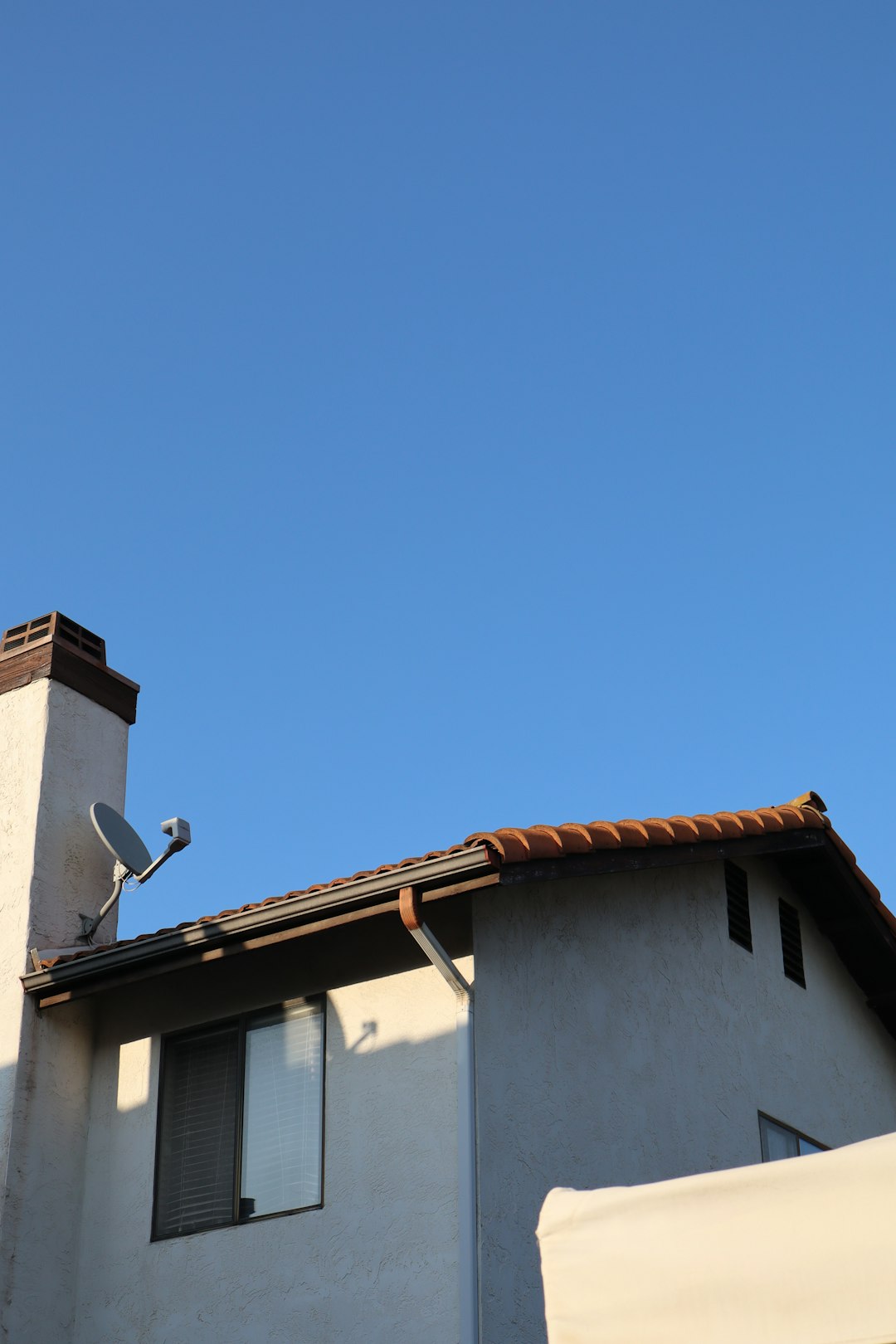
Repairing Wind Damaged Shingles: A 15-Year Roofing Contractor's Complete Guide
My name is Michael, and I've been a licensed roofing contractor in Texas for over fifteen years. I've personally supervised more than 2,800 roofing projects, from small repairs to complete replacements. I hold certifications from major manufacturers like GAF and Owens Corning. This experience comes from real homes, real storms, and real homeowners just like you. I'm writing this guide because I've seen too many people struggle after wind damage. They face confusing insurance claims, worry about leaks, and get overwhelmed by repair decisions. This article exists to solve that exact problem. It will answer your questions clearly and give you the knowledge to protect your home. I gathered this information from hundreds of customer projects, manufacturer installation manuals, and the International Residential Code (IRC). My recommendations come from what actually works on rooftops, not just theory. Let's get started.
Understanding Wind Damage to Your Roof
Wind doesn't just blow shingles off. It creates specific, predictable problems. Knowing what to look for is the first step to a proper repair. Wind gets under the shingle edges and lifts them. This breaks the adhesive seal. Once that seal is broken, the shingle is vulnerable. The next gust can tear it completely. Damage often starts at the roof edges and corners. These areas get the strongest wind forces.
Common Types of Wind Damage
Creasing is a subtle but serious issue. The shingle bends upward but doesn't tear. This crease weakens the asphalt layer. Granules will eventually shed from the crease line. Tab lifting is very common. The lower part of a shingle lifts up from the one below it. The adhesive strips fail to rebond. This creates an open flap that catches more wind. Complete shingle loss is obvious. The shingle is torn off entirely. This exposes the underlayment and decking to water. You might also see granule loss in specific patterns. Wind scours granules off the surface, especially along lifted edges.
How to Spot Damage from the Ground
You don't always need to climb on the roof. Use binoculars after a storm. Look for shingles that appear darker or lighter than others. This can indicate lifting. Look for missing shingles, of course. Check for debris in your gutters and yard. Look for granules collecting in downspouts. This is a sign of surface wear. Walk around your house and look at the roof lines. Any irregularity or bump could be damage. Pay special attention after any storm with sustained winds over 50 mph.
Immediate Steps After Suspecting Wind Damage
Safety is your absolute first priority. Do not climb onto a wet or damaged roof. The surface is slippery and unstable. Your first job is to prevent further damage to your home's interior. If you see leaks, place buckets to catch water. Move furniture and valuables away from the wet area. Cover the interior ceiling with plastic sheeting if possible. This contains water stains.
Document Everything for Insurance
Take clear photographs from the ground. Get wide shots of the entire roof. Take close-ups of any visible damage. Photograph any debris, like shingles in your yard. Write down the date and time of the storm. Note the wind speeds if you have that information. Keep all receipts for any temporary repairs you make. This documentation is crucial for your insurance claim. Contact your insurance company promptly to start the claims process. Most policies require you to report damage in a timely manner.
Making Temporary Repairs
If a shingle is fully missing, you need to cover the hole. You can use a tarp as a temporary fix. Secure a heavy-duty tarp over the damaged area. Extend it from the ridge to below the damaged spot. Use wooden 2x4s to secure the tarp edges. Nail the 2x4s into the roof sheathing, not just the shingles. Do not use duct tape or silicone on the roof. These can cause more damage. The goal is to prevent water entry until a professional can make permanent repairs. Consider hiring a professional for even the tarping if the damage is severe or the roof is steep.
Professional Assessment: What a Good Contractor Looks For
When I inspect a roof for wind damage, I follow a systematic process. I start with a perimeter walk. I look for patterns. Wind damage is rarely just one shingle. I check the field of the roof, the ridges, the hips, and the valleys. I gently lift shingle edges to check the adhesive bond. I use a tool to check for soft spots in the decking, which indicates water intrusion. I examine the flashing around chimneys, vents, and walls. Wind can loosen these critical components. I measure the granule loss in gutters. I also check the attic space for daylight coming through the decking or signs of moisture.
Repair vs. Replacement: The Contractor's Decision Matrix
This is the biggest question homeowners face. The answer depends on several factors. We consider the age of the roof. If the roof is near the end of its life, repair might be a waste of money. We count the number of damaged shingles. As a general rule, if damage affects more than 30% of a slope, replacement is often recommended. We assess the location of damage. Damage in multiple, scattered locations is harder to repair seamlessly. We check the availability of matching shingles. If your shingle color is discontinued, a repair will be visible. We also consider the underlying decking condition. If the wood is rotten, it must be replaced. A reputable contractor will explain all these factors to you clearly.
Materials and Tools for a Proper Wind Damage Repair
Using the right materials is non-negotiable. You cannot reuse old shingles. You must use new, matching shingles. You need roofing nails—typically 1-1/4 inch galvanized or stainless steel nails. You need roofing cement for sealing. You need a flat bar for lifting existing shingles. You need a hammer or nail gun. You need a utility knife with sharp blades. You also need safety equipment: a harness, proper shoes, and a sturdy ladder.
Choosing the Right Replacement Shingles
Matching is harder than it sounds. Sun exposure fades shingles over time. A new shingle will look different next to a five-year-old one. First, check your attic for leftover bundles from the original installation. If you have none, take a sample of an existing shingle to a roofing supply store. They can help find the closest match. You may need to blend shingles from different bundles to minimize color variation. For high-quality options, consider manufacturers like GAF or Owens Corning. Their websites have detailed specifications and color charts.
The Step-by-Step Repair Process (Field-Proven Method)
This is the method my crews use on every repair job. First, we set up safety systems. We install roof brackets and a secure work platform. We never work without fall protection. We carefully remove the damaged shingle. We slide a flat bar under the shingle above the damaged one. We lift it gently to expose the nails. We remove the nails holding the damaged shingle. We pull out the damaged shingle. We also remove any nails from the surrounding shingles that held the damaged piece.
Installing the New Shingle
We slide the new shingle into place. It must align perfectly with the existing courses. We apply a 1-inch dab of roofing cement under the leading edge of the shingle above the repair. This is a critical wind-resistance step often missed. We nail the new shingle. We use exactly four nails per shingle, placed according to the manufacturer's nailing pattern. The nails must go into the solid decking, not just the underlayment. We never nail through the adhesive strip of the shingle above. We press down firmly on the new shingle to ensure it bonds with the cement below. Finally, we seal any nail heads that are exposed with a dab of cement.
Special Cases: Ridge and Hip Repairs
Ridge cap shingles are especially vulnerable to wind. To repair a missing ridge cap, you must first remove the damaged piece. You may need to cut the sealant on adjacent caps. Slide the new ridge cap into place. Nail it on both sides, following the slope. Cover the nails with the overlapping cap shingle. Seal the end joints with roofing cement. Always refer to the specific installation instructions for your shingle type, like those found in the Owens Corning Installation Guide.
Costs and Insurance Claims for Wind Damage
Costs vary widely based on damage extent and roof complexity. A simple repair of a few shingles might cost $250 to $600. A more complex repair involving flashing and decking can cost $1,000 to $2,500. Full roof replacement due to widespread wind damage can range from $8,000 to $20,000 in our Texas market. Always get at least three detailed written estimates.
Navigating the Insurance Claim Process
Your homeowner's insurance typically covers sudden, accidental wind damage. You will pay your deductible first. The insurance adjuster will assess the damage. It is highly beneficial to have your own contractor present during the adjuster's inspection. We can point out damage they might miss. The insurance company will provide an estimate. You have the right to hire the contractor of your choice. The contractor's estimate and the insurance estimate should be reconciled. This is called the "scope of loss" meeting. Your contractor can work directly with your insurance company on your behalf. Keep all communication in writing. For more information, the Insurance Information Institute is a good resource.
Preventing Future Wind Damage
Proper installation is the best prevention. Shingles must be nailed correctly. In high-wind zones, we use six nails per shingle instead of four. We follow the manufacturer's instructions for high-wind application, which often includes applying additional adhesive. Regular maintenance is key. Keep trees trimmed back from the roof. Clean your gutters so water drains quickly. Have a professional inspection every few years. They can re-seal any lifted shingles before a storm hits. Consider upgrading to wind-resistant shingles rated for 130 mph when you replace your roof. These have stronger seals and better construction.
The Importance of Proper Attic Ventilation
This might seem unrelated, but it's not. A hot attic can soften the asphalt in shingles. Soft shingles are more easily lifted by wind. Proper intake (soffit) and exhaust (ridge) ventilation keeps the roof deck cool. This helps maintain shingle integrity. The International Residential Code (IRC) Chapter 8 provides standards for roof ventilation that improve durability.
Frequently Asked Questions from Homeowners
Can I repair wind-damaged shingles myself?
You can if you are experienced, comfortable with heights, and the damage is minor. However, roofing work is dangerous. A professional repair ensures correct techniques, proper materials, and warranty protection. A DIY repair done wrong can void your shingle warranty and lead to leaks.
How long do I have to file an insurance claim?
Most policies require you to report damage "promptly" or "within a reasonable time." This is often interpreted as within one year of the storm event. However, you should file as soon as possible to get the process started and prevent further damage to your home.
Will my insurance rates go up if I file a claim?
It depends on your policy, your history, and your state's regulations. A single wind damage claim may not increase your premium, but multiple claims might. You should discuss this with your insurance agent directly to understand the implications.
What if I can't find matching shingles?
This is a common issue. A good contractor can sometimes blend shingles from different bundles or source them from specialty suppliers. If an exact match is impossible, you may need to replace shingles in a larger section or on an entire slope to create a uniform appearance.
How can I tell if the decking is damaged?
Signs from inside the attic include water stains, soft or spongy wood, mold, or daylight visible through cracks. From the outside, a professional will look for sagging areas or a spongy feel when walking on the roof. Decking damage requires immediate repair.
Are some shingle brands more wind-resistant?
Yes. Most major manufacturers offer shingles with specific wind warranties, often up to 130 mph. These shingles have stronger adhesive strips and sometimes reinforced nailing zones. Look for the UL 2218 Class 4 impact rating or Miami-Dade County approvals for high wind performance.
How often should I inspect my roof for wind damage?
You should do a visual inspection from the ground after every major storm. Schedule a professional inspection at least once every two to three years, and always before and after hurricane or severe storm seasons in your area.
Real Project Case Study: A Kingwood Home After a Storm
Last spring, a severe thunderstorm with 70 mph gusts hit our area. A homeowner called us with a leak in their living room. From the ground, only two missing shingles were visible. Our inspection revealed creasing on three roof slopes and lifted tabs on the north-facing side. The adhesive on many shingles had failed. The roof was 12 years old. We documented 42 damaged shingles and compromised flashing on a plumbing vent. The insurance adjuster initially only saw the two missing shingles. We walked the adjuster through our findings. We showed him the lifted tabs and granule loss patterns. The insurance company approved a repair of the entire north slope and the vent flashing, which was a fair outcome. We completed the repair using matching shingles from a local supplier. We also installed new high-wind rated ridge caps. The repair cost was covered by insurance, minus the deductible. The homeowner was relieved, and the roof has held strong through subsequent storms.
Conclusion: Your Path Forward After Wind Damage
Wind damage to your roof is stressful, but it is manageable. Start with a thorough visual inspection and documentation. Prioritize safety and temporary protection. Understand your insurance policy and start the claim process early. Choose a qualified, licensed contractor with experience in wind damage repair. Ask questions and make sure you understand whether repair or replacement is the right long-term solution for your home. Use quality materials and insist on proper installation techniques. A well-executed repair will restore your home's protection and give you peace of mind. Your roof is your home's first line of defense. Taking care of it after a storm is one of the most important things you can do as a homeowner. If you have any doubts, always consult a professional. The small cost of an inspection can prevent huge costs from water damage later.