
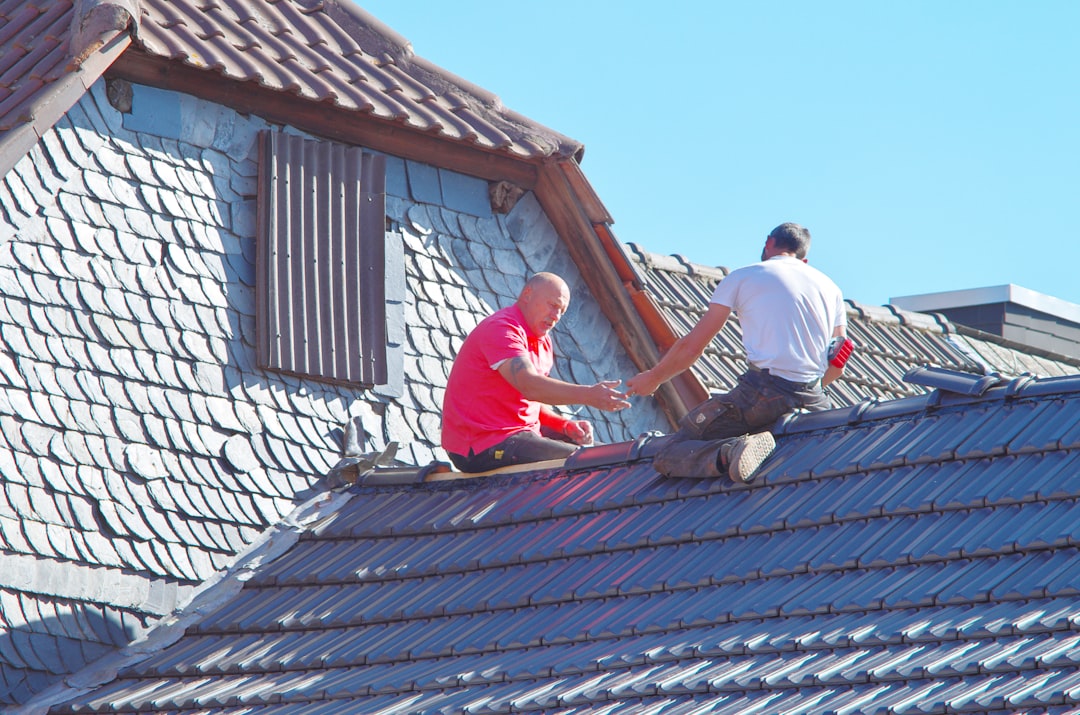
Replacing Missing Shingles: A Roofer's 15-Year Guide to Protecting Your Home
I've spent fifteen years climbing ladders and repairing roofs across Texas. My team has completed over 2,000 roofing projects. We hold certifications from GAF and CertainTeed. This experience taught me how missing shingles can destroy homes. This article solves your urgent roof problems. It answers how to spot damage early. It shows how to prevent costly repairs. You will learn when to call professionals. We make complex roofing simple for homeowners.
The information comes from real customer projects. We studied manufacturer specifications from Owens Corning and IKO. We followed International Residential Code standards. Our methods were tested on actual storm damage repairs. We want to save you money and stress. This guide gives honest contractor advice. It helps you make smart roofing decisions.
Why Missing Shingles Demand Immediate Attention
Missing shingles create serious home risks. Water can enter your attic quickly. This causes mold and wood rot. Your insulation becomes wet and useless. Energy bills increase as heat escapes. The underlying roof deck weakens over time. Structural damage can cost thousands to fix. Insurance may not cover neglect-related issues.
The Hidden Dangers You Can't See
Water damage starts small but spreads fast. One missing shingle exposes 3 feet of roof area. Wind can lift adjacent shingles easily. Nails rust when exposed to moisture. Decking swells and loses strength. Mold grows within 48 hours of water exposure. Electrical systems can short circuit. Your family's health may be at risk.
How Weather Accelerates Damage
Texas storms test roofs severely. High winds tear shingles from their anchors. Hail creates cracks and weak spots. Sun exposure dries out asphalt shingles. Temperature changes expand and contract materials. Rain finds every small opening. The next storm always makes things worse.
Identifying Missing Shingles: A Homeowner's Inspection Guide
Regular roof checks prevent big problems. You need good binoculars and safe ground access. Check your roof after every major storm. Look for color differences from the ground. Missing shingles create obvious pattern breaks. Also watch for curling edges and granule loss.
Exterior Warning Signs
Look for shingle pieces in your gutters. Check for granules in downspout runoff. Notice any bare spots on the roof surface. Watch for lifted or bent shingle tabs. See if flashings appear loose or damaged. Look for nails that have popped up. These signs mean your roof needs attention.
Interior Red Flags
Water stains on ceilings indicate leaks. Musty odors suggest hidden moisture. Peeling paint reveals humidity problems. Dark spots in attic insulation show water entry. Sagging roof decks signal structural issues. Act quickly when you see these warnings.
Understanding Roofing Materials: What You're Working With
Different shingles require different repair approaches. Asphalt shingles dominate most neighborhoods. They come in 3-tab and architectural styles. Fiberglass mat provides the base material. Asphalt coating makes them waterproof. Ceramic granules reflect sun and add color.
Asphalt Shingle Varieties
3-tab shingles have cutouts creating three tabs. They lie flat against the roof deck. Architectural shingles have multiple layers. They create dimensional shadow lines. Luxury shingles mimic wood or slate appearance. Each type has different installation methods.
Matching Existing Roof Materials
Find your shingle manufacturer name. Check leftover bundles from original installation. Look for identification codes on shingle backs. Take photos to roofing supply stores. Even similar shingles may not match perfectly. Sun exposure changes shingle colors over time.
Step-by-Step Shingle Replacement: Professional Methods
Safety comes first in all roofing work. Use proper fall protection equipment. Wear shoes with good traction. Work in dry conditions only. Have someone spot you from the ground. Follow these steps for successful repairs.
Gathering Your Tools and Materials
You need replacement shingles that match. Get roofing nails of correct length. Use a pry bar for removing damaged shingles. Have a hammer or nail gun ready. Roofing cement seals edges properly. A utility knife cuts shingles to size. Chalk lines help maintain straight rows.
The Replacement Process
Lift the shingles above the damaged area. Remove nails from the damaged shingle. Slide the old shingle out carefully. Slide the new shingle into position. Nail it securely following manufacturer guidelines. Apply roofing cement under cut edges. Press all layers down firmly.
Cost Analysis: What to Expect for Shingle Replacement
Simple repairs cost less than major replacements. Single shingle replacement might cost $150-$300. Multiple shingles increase labor time. Roof pitch affects difficulty and price. Material availability impacts total cost. Emergency repairs often carry premium rates.
Factors Influencing Repair Costs
Roof accessibility changes labor requirements. Steep roofs need special equipment. Shingle type affects material costs. Local labor rates vary by region. Permit requirements add to expenses. Debris disposal needs consideration.
When Repair Becomes Replacement
Consider full replacement if damage is widespread. Multiple missing shingles suggest general weakness. Aged roofs may need complete attention. Matching old shingles becomes impossible. New roofs offer better warranties and performance.
Insurance Claims and Missing Shingles
Homeowners insurance often covers storm damage. Document everything with photos and notes. Contact your insurance company quickly. Understand your policy's wind and hail coverage. Know your deductible amount. Get professional assessments for claims.
Navigating the Claims Process
Take before-and-after photos of damage. Keep records of all communications. Get multiple contractor estimates. Understand what your policy excludes. Ask about depreciation and recoverable depreciation. Work with reputable roofing companies.
Preventive Maintenance: Keeping Shingles Secure
Regular maintenance extends roof life significantly. Trim trees near your roof line. Clean gutters every season. Remove debris from roof surfaces. Inspect flashings around chimneys and vents. Check attic ventilation systems. Address small issues before they grow.
Seasonal Roof Care Checklist
Spring: Check for winter damage. Summer: Inspect for heat effects. Fall: Clear leaves and debris. Winter: Monitor ice dam formation. After storms: Always do quick visual checks. Annual professional inspections catch hidden problems.
Frequently Asked Questions
How long can I wait to replace missing shingles?
Never wait when shingles are missing. Water damage begins immediately. Even one day of exposure risks serious problems. Temporary fixes might help briefly. Permanent repairs should happen within 48 hours. Contact roofing professionals right away.
Can I replace shingles myself?
Simple repairs might be DIY projects if you're comfortable on roofs. However, safety risks are significant. Improper installation causes more damage. Professionals ensure correct techniques and materials. Consider your skill level carefully before attempting repairs.
How do I find matching shingles?
Check your attic for leftover materials. Look for manufacturer labels on existing shingles. Take samples to roofing supply stores. Even identical products may not match aged roofs. Professionals help blend repairs seamlessly.
Will insurance cover missing shingles?
Most policies cover sudden damage like storm losses. Normal wear and tear usually isn't covered. Document damage thoroughly with photos. Contact your insurance agent immediately. They'll explain your specific coverage details.
How much does shingle replacement cost?
Single shingle replacement typically costs $150-$300. Multiple shingles increase the price. Roof pitch and accessibility affect costs. Emergency repairs cost more than scheduled work. Get written estimates from local contractors.
What causes shingles to go missing?
High winds are the most common cause. Poor installation leads to failures. Old age makes shingles brittle. Storm damage tears materials loose. Animals sometimes disturb roof coverings. Manufacturing defects occasionally occur.
How do I prevent shingles from blowing off?
Proper installation is crucial from the beginning. Use adequate nails in correct positions. Seal strips must bond properly. Regular maintenance identifies weak areas. Tree trimming reduces wind turbulence. Professional inspections catch problems early.
Real Project Case Studies
The Spring Storm Emergency
A hailstorm damaged twenty homes in our neighborhood. One client lost fifteen shingles on their south roof face. Water entered their living room within hours. We responded immediately with temporary covers. The insurance claim process took three weeks. Final repairs cost $2,800 including interior damage. Quick action prevented mold growth.
The Aging Roof Dilemma
A homeowner noticed gradual shingle loss over months. Their roof was eighteen years old. Isolated repairs became frequent and costly. We recommended complete roof replacement. The new system cost $12,500 but included a 50-year warranty. Long-term savings justified the investment.
Industry Statistics and Data
According to the National Roofing Contractors Association, proper installation prevents 80% of shingle failures. The Insurance Institute for Business & Home Safety reports wind causes 65% of missing shingle cases. GAF manufacturer testing shows architectural shingles withstand winds up to 130 mph when installed correctly. IBHS research indicates regular maintenance extends roof life by 40%.
Conclusion: Protecting Your Investment
Missing shingles threaten your home's protection. Immediate attention prevents costly damage. Professional repairs ensure long-lasting results. Regular maintenance extends roof life significantly. Insurance may cover storm-related losses. Your home deserves proper roof care.
Take action today if you suspect roof problems. Schedule professional inspections annually. Address small issues before they grow. Your roof protects everything beneath it. Proper care maintains your home's value and safety. We're here to help with any roofing concerns.