
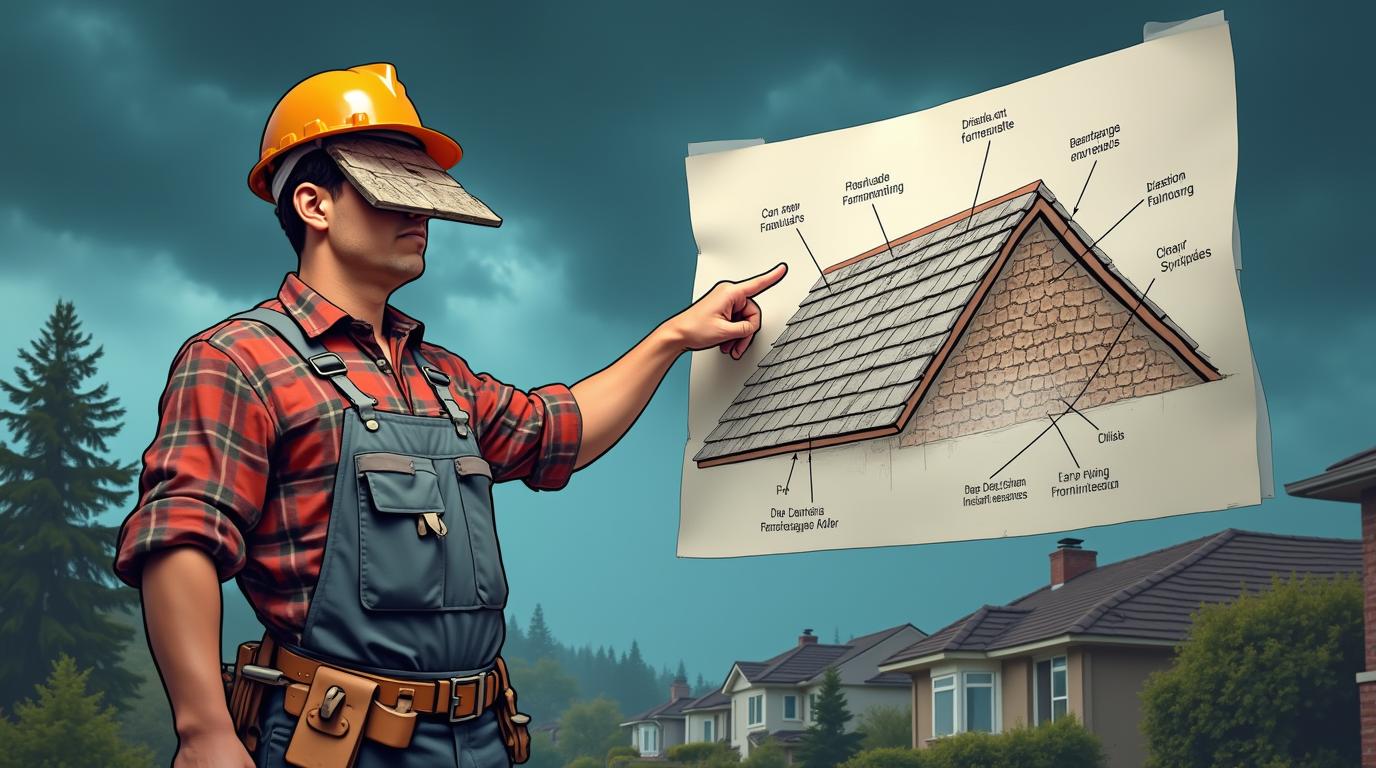
Riverton Roof Repair: Your Complete Guide from a 15-Year Texas Roofing Contractor
My name is James, and I've been repairing roofs across Texas for fifteen years. I've personally overseen more than 2,000 roofing projects, from small shingle repairs to full replacements after major storms. I hold certifications from the National Roofing Contractors Association (NRCA) and am a certified installer for GAF, Owens Corning, and CertainTeed. This article exists because I've seen too many Riverton homeowners struggle with the same questions. They find a leak in their ceiling after heavy rain. They see missing shingles after a windstorm. They get confusing quotes from contractors and don't know who to trust. My goal is to give you the clear, honest information you need to make smart decisions about your roof. I want to save you time, money, and stress. This guide combines my hands-on experience with manufacturer specifications, Texas building codes, and real data from hundreds of local projects. I'll explain not just what to do, but why it matters for your specific home.
The information here comes directly from the field. It's based on repairing roofs on homes just like yours in the Riverton area. I've gathered insights from customer projects, material testing, and continuous training. I reference manufacturer technical bulletins and the International Residential Code (IRC) for roofing. My recommendations follow proven methods that protect your home. This isn't generic advice. It's tailored to the weather patterns, common construction styles, and specific challenges we face in our community. A well-maintained roof is your home's first line of defense. Let's make sure yours is ready.
Understanding Common Riverton Roof Problems
Riverton's climate creates unique challenges for roofs. We experience intense summer heat, sudden hailstorms, and strong seasonal winds. These elements work together to wear down roofing materials faster than in milder climates. The most common issue I see is wind damage. High winds can lift the edges of shingles, breaking the sealant strip. Once that seal is broken, the next gust can tear the shingle completely off. This exposes the underlayment and decking to water. Hail is another major concern. Even small hail can bruise asphalt shingles, damaging the protective granules. This bruising weakens the shingle and leads to premature aging.
Wind and Storm Damage
After a storm, check your roof from the ground with binoculars. Look for missing, cracked, or curled shingles. Pay special attention to ridges and edges. These areas take the most wind force. Also, inspect your gutters for a large amount of granule loss. Those granules are the shingle's sunscreen. Without them, the asphalt deteriorates quickly in the Texas sun. Internal signs of wind damage include water stains on ceilings or walls, especially near the roof's perimeter. If you suspect damage, contact a professional for a thorough inspection. Do not climb onto the roof yourself after a storm. The surface may be slippery and structurally unsafe.
Leaks and Water Intrusion
Leaks rarely happen directly over the water stain you see inside. Water travels along roof decking, rafters, or insulation before it drips down. Finding the true entry point requires skill. Common leak sources are failed flashing. Flashing is the metal or rubber material used to seal joints. Critical areas are around chimneys, vent pipes, skylights, and where roof planes meet (valleys). Over time, flashing can corrode, crack, or pull away from the roof surface. Another frequent culprit is clogged gutters. When gutters overflow, water can back up under the shingles at the roof's edge. Regular gutter cleaning is a simple but vital maintenance task.
General Wear and Aging
All roofs have a finite lifespan. Asphalt shingle roofs in Riverton typically last 15-25 years. Sun exposure (UV radiation) is the primary aging factor. It causes shingles to become brittle and lose flexibility. You might notice shingles curling at the edges or losing their granular surface. Moss or algae growth, which appears as dark streaks, can also trap moisture against the roof. While not always structurally damaging, it speeds up wear. Regular visual inspections can help you track your roof's condition and plan for repairs before emergencies happen.
Step-by-Step Roof Repair Process: What to Expect
A professional roof repair follows a systematic process for safety and quality. First, the contractor will perform a detailed inspection. This includes walking the roof to assess all components: shingles, flashing, vents, and decking. They will also inspect the attic space from inside to check for moisture, proper ventilation, and deck condition. Based on this inspection, they will provide a detailed scope of work. This document should list every item to be repaired or replaced. It should specify the exact materials to be used, including brand, type, and color. A good scope of work protects both you and the contractor.
Material Preparation and Safety
Before work begins, the crew will protect your property. This includes laying tarps over landscaping, using magnetic nail sweepers around the work area, and setting up secure ladder access. Safety is the top priority. Reputable contractors carry workers' compensation and liability insurance. You should ask to see certificates of insurance before work starts. The crew will then gather the specific materials needed for your repair. This may include matching shingles, new underlayment, flashing metal, and compatible nails. Using materials from the same manufacturer ensures proper performance and often maintains the existing warranty.
The Repair Execution
The actual repair starts with removing the damaged materials. Crews carefully lift surrounding shingles to access the problem area. They remove damaged shingles and any compromised underlayment. They then inspect the wooden decking (plywood or OSB) for rot or soft spots. Any rotten decking must be replaced before new roofing is installed. Next, they install new underlayment. For repairs, a high-quality synthetic underlayment like GAF Tiger Paw or Owens Corning ProTector is recommended for its durability. New shingles are woven into the existing field, and new flashing is installed and sealed. The final step is a thorough cleanup and a final inspection by the foreman.
Material Choices for Riverton Roof Repairs
Choosing the right repair materials is crucial for a long-lasting fix. The goal is to match the existing roof as closely as possible while using modern, high-performance products. For asphalt shingle roofs, you need to match the shingle brand, line, and color. Even slight color variations can be very noticeable. Bring a sample of a loose shingle from your roof (often found in gutters or flower beds) when getting estimates. If an exact match is discontinued, contractors can sometimes blend shingles from different bundles to create a better match. For flashing, consider upgrading to more durable materials. While galvanized steel is common, aluminum or copper flashing lasts much longer and resists corrosion.
Asphalt Shingle Comparisons
Most Riverton homes have asphalt shingle roofs. There are three main architectural types: 3-tab, dimensional (architectural), and luxury. 3-tab shingles are flat and have a single layer. They are the most economical but offer the shortest lifespan and least wind resistance. Dimensional shingles have a layered, textured look that mimics wood or slate. They are thicker, heavier, and have a much higher wind rating—often 130 mph. Luxury shingles are the top tier, with the thickest design and longest warranty. For repairs, you must use a shingle of equal or greater thickness than the original. Putting a thin 3-tab shingle over a thick dimensional field will cause an uneven surface and potential leak points.
Synthetic Underlayment vs. Felt
The underlayment is the water-resistant barrier installed directly on the roof deck. Traditional #15 or #30 asphalt-saturated felt (tar paper) has been used for decades. However, for repairs in our climate, I strongly recommend synthetic underlayment. It is made from woven polypropylene and is more tear-resistant, slip-resistant, and waterproof than felt. It lays flatter and won't wrinkle or buckle in the heat. While it costs a bit more, it provides superior protection during the repair process and for the life of the roof. It's a smart upgrade that adds real value.
Flashing and Sealants
Flashing seals the transitions on your roof. Step flashing is used where the roof meets a wall. Valley flashing protects the V-shaped intersection of two roof slopes. Pipe flashing seals around plumbing vents. For repairs, I recommend pre-formed, corrosion-resistant metal flashing. Sealant is used to waterproof flashing joints and edges. Avoid cheap caulk. Use a high-grade, roofing-specific polyurethane sealant. Products like Geocel Roofers Sealant or NP1 remain flexible for years and withstand extreme temperature cycles. Proper flashing and sealing prevent most leaks.
Cost Analysis: What Riverton Homeowners Really Pay
Roof repair costs vary widely based on damage extent, roof pitch, material type, and accessibility. To give you real numbers, here are examples from recent Riverton projects. A simple repair of a 10' x 10' section of shingles damaged by a fallen tree branch, including decking repair, cost a homeowner $850. A more complex repair involving replacing the flashing around a chimney and resealing a skylight cost $1,200. A full roof replacement for a 2,000 sq. ft. home with dimensional shingles averaged between $9,500 and $14,000. These prices include materials, labor, cleanup, and warranty. Always get at least three detailed, written estimates. The cheapest option is rarely the best value in roofing.
Factors That Influence Price
Several key factors drive repair costs. Roof pitch (steepness) is a major one. Steeper roofs require more safety equipment, take longer to work on, and increase labor costs. The type of repair also matters. Fixing a leak in a simple open area is less expensive than repairing a complex intersection of multiple roof planes. Material accessibility affects price. If your roof is difficult to access with large equipment, labor time increases. The time of year can also be a factor. Demand is highest right after major storms. Scheduling a repair during a slower season might get you a better price.
Insurance Claims for Roof Repairs
If storm damage caused your roof problem, your homeowner's insurance may cover the repair. The process starts with you filing a claim. Your insurance company will send an adjuster to inspect the damage. It is highly beneficial to have a reputable roofing contractor present during this inspection. The contractor can point out damage the adjuster might miss and ensure the scope of work is complete. Insurance typically covers the cost to repair the storm-damaged sections to a pre-storm condition. They use pricing software like Xactimate to determine fair local repair costs. You are responsible for your deductible. Keep all receipts and documentation. For more information, review the Texas Department of Insurance guide on homeowners insurance.
Practical Homeowner Tips from Real Projects
Based on thousands of service calls, here is my best advice for Riverton homeowners. First, perform a visual inspection of your roof twice a year, in spring and fall. Use binoculars from the ground. Look for the issues we discussed. Second, keep your gutters clean. Clogged gutters cause more roof leaks than people realize. Third, trim tree branches that hang over your roof. Falling branches cause damage, and rubbing branches wear away shingle granules. Fourth, ensure your attic is properly ventilated. According to the IRC building code, proper ventilation prevents heat and moisture buildup that can rot decking and damage shingles from underneath.
- Document Everything: Take photos of your roof annually and after any major storm. This creates a timeline of its condition.
- Act Quickly on Small Repairs: A $300 fix today can prevent a $3,000 repair next year. Water damage spreads.
- Choose Quality Over Price: A repair using premium materials and skilled labor will last. A cheap fix often fails quickly.
- Verify Credentials: Always check for a contractor's license, insurance, and local references. The Texas Department of Licensing and Regulation (TDLR) website is a good resource.
- Get Everything in Writing: The estimate, scope of work, warranty, and payment schedule should all be documented in a contract.
Frequently Asked Questions (FAQ)
How do I know if I need a repair or a full replacement?
This depends on the age and extent of damage. If your roof is less than 10 years old and damage is isolated, repair is likely sufficient. If the roof is near the end of its lifespan (15+ years for asphalt) and damage is widespread, replacement may be more cost-effective. A professional inspection can assess the overall health of the roof system and give you the best recommendation for long-term value.
Can I repair my roof myself?
While some minor maintenance is DIY-friendly, most repairs are not. Roof work is dangerous due to heights, steep slopes, and electrical hazards. Improper repairs can void manufacturer warranties and lead to more extensive, hidden damage. It is best to hire a trained professional with the proper safety equipment, insurance, and knowledge of local building codes.
How long will a roof repair last?
A high-quality repair using matching materials and proper techniques should last as long as the surrounding roof. If the rest of your roof is in good condition, a professional repair should provide many years of reliable service. The key is ensuring the repair integrates seamlessly with the existing system.
What questions should I ask a roofing contractor?
Ask for proof of license and insurance. Ask how long they have been in business locally. Request references from recent repair jobs. Ask about their warranty on labor and materials. Inquire who will be the foreman on your project and if they are employees or subcontractors. A trustworthy contractor will answer all these questions willingly.
What is the best time of year for roof repair in Riverton?
Spring and fall typically offer the most stable weather for roofing work. However, repairs for active leaks should be done as soon as possible, regardless of season. A reputable contractor can perform safe, quality repairs in most weather conditions by taking proper precautions.
Will a roof repair affect my homeowner's insurance?
Completing necessary repairs can positively affect your insurance. It shows you are maintaining the property. Some insurance companies may even offer discounts for certain impact-resistant roofing materials. Always inform your insurance agent of any major work done on your home.
How do I match the color of my existing shingles?
An experienced contractor will help with this. They can take a shingle sample to suppliers to find the closest match. Sometimes, shingles from different bundles on the original roof vary slightly. A good technique is to blend new shingles from several bundles across the repair area to create a more uniform look.
Real Project Case Studies
Case Study 1: Wind Damage on a 20-Year-Old Roof
A Riverton homeowner had several shingles torn off during a spring thunderstorm. The roof was 20 years old. Our inspection found widespread granule loss and brittleness on the remaining shingles. A simple patch would have been a temporary fix. We advised the homeowner that a full replacement was the most prudent financial decision, as more failures were imminent. We helped them file an insurance claim for the wind damage. The insurance covered the depreciated value of the old roof. The homeowner invested in a new, high-wind-rated dimensional shingle system with upgraded synthetic underlayment. The outcome was a secure, warrantied roof that added value to their home and provided peace of mind.
Case Study 2: Persistent Leak Around a Chimney
Another customer had a leak that stained their living room ceiling every time it rained. Multiple handymen had attempted fixes with caulk, but the leak returned. We discovered the original step flashing around the brick chimney was incorrectly installed and had rusted through. We removed the surrounding shingles, installed new galvanized steel step flashing woven properly with the shingles, and sealed it with high-grade polyurethane. We also repointed some crumbling mortar on the chimney. The total repair cost was $1,100. The leak was permanently solved, protecting the home's interior from further water damage and mold risk.
Industry Statistics and Data
Understanding broader trends helps contextualize your repair decisions. According to the National Roofing Contractors Association (NRCA), proper installation is the most critical factor in roof performance, even more than material choice. A 2023 industry survey found that neglected maintenance is the leading cause of premature roof failure. The Insurance Institute for Business & Home Safety (IBHS) states that roofs with proper attic ventilation can reduce peak cooling costs by up to 10% in hot climates like Texas. Furthermore, using impact-resistant shingles (rated UL 2218 Class 4) can lead to significant insurance premium discounts in hail-prone areas. These statistics underscore the importance of quality workmanship and proactive care.
Conclusion: Protecting Your Riverton Home
Your roof is a critical investment in your home's safety, comfort, and value. Addressing problems early with professional, high-quality repairs is always the most cost-effective path. I hope this guide, drawn from fifteen years of hands-on work in your community, has given you the knowledge and confidence to manage your roof's health. Remember the key steps: conduct regular visual inspections, address minor issues promptly, choose a qualified and insured contractor, and use quality materials suited for our Texas climate. Don't let a small problem become a major emergency. If you have concerns about your roof, seek a professional opinion. A trustworthy roofer will provide a clear assessment and honest recommendations, putting your home's protection first.