
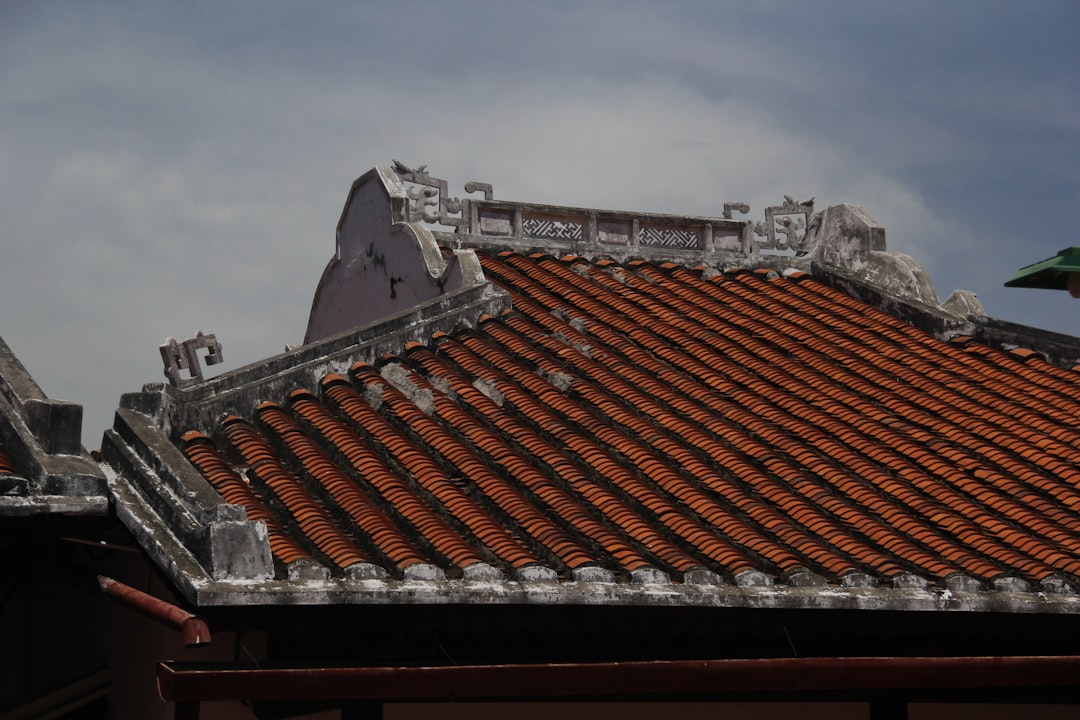
Roof and Siding Repair Guide: 25 Years of Contractor Experience Protecting Your Home
I have been repairing roofs and siding for over 25 years. Our team has completed more than 3,500 projects across Texas. We hold GAF Master Elite certification and are Owens Corning Preferred Contractors. This experience gives me real insight into what homeowners face when their exterior needs repair. I want to share that knowledge with you today.
This article exists because I have seen too many homeowners struggle with roof and siding problems. They often don't know where to start or who to trust. Many face expensive repairs they didn't expect. My goal is to give you the complete picture so you can make smart decisions. You will learn how to spot problems early and choose the right solutions.
All information here comes from actual job sites and customer experiences. I reference manufacturer specifications from GAF and Owens Corning. I also include building code requirements from the International Residential Code. My recommendations are based on what has worked best for hundreds of homeowners like you. This is practical advice from someone who has been in your shoes.
Understanding Roof and Siding Damage
Your roof and siding work together as a system. They protect your home from weather and help control temperature. When one part fails, it often affects the other. Recognizing early warning signs can save you thousands in repairs.
Common Roof Damage Signs
Missing shingles are easy to spot from the ground. Look for dark spots or bare areas on your roof. Curling or buckling shingles indicate aging materials. Granules in gutters show wearing shingles. Water stains on ceilings signal leaks inside.
Sagging roof areas suggest structural problems. This needs immediate professional attention. Ice dams in winter cause water backup under shingles. Storm damage often shows as clusters of missing shingles. Hail creates circular dents on asphalt shingles.
Common Siding Damage Signs
Cracks or holes in siding let water penetrate your walls. Warping or buckling panels indicate moisture problems. Fading color shows weathering and UV damage. Mold or mildew growth signals excess moisture.
Loose or missing siding pieces need quick repair. Peeling paint on wood siding often means water intrusion. Bubbling vinyl siding suggests water behind the material. Rotting wood requires replacement to prevent spread.
Roof Repair Materials and Methods
Choosing the right roofing materials matters for longevity and performance. Different materials suit different homes and budgets. Proper installation is just as important as material quality.
Asphalt Shingle Repairs
Asphalt shingles are the most common roofing material. They are affordable and relatively easy to install. Architectural shingles offer better durability than 3-tab. Impact-resistant shingles withstand hail better.
Proper installation requires matching existing shingles closely. New shingles must weave correctly with old ones. Flashing around vents and chimneys must be properly sealed. Underlayment provides secondary water protection.
Metal Roof Repairs
Metal roofs last 40-70 years with proper maintenance. They resist fire, wind, and impact damage well. Standing seam metal roofs have hidden fasteners. Exposed fastener systems are more affordable.
Repairs often involve replacing damaged panels. Matching paint colors can be challenging on older roofs. Proper sealing at seams prevents leaks. Snow guards prevent snow slides on steep pitches.
Siding Repair Materials and Techniques
Siding protects your home's structure from weather damage. It also contributes significantly to your home's appearance. Different materials offer various benefits and maintenance requirements.
Vinyl Siding Repairs
Vinyl siding is popular for its low maintenance and affordability. It resists insects and won't rot like wood. Color runs through the material so scratches don't show. Proper installation allows for expansion and contraction.
Replacing damaged sections requires special tools. The locking system must engage properly. Matching colors can be difficult with sun-faded siding. We always keep extra pieces from original installation.
Fiber Cement Siding Repairs
Fiber cement siding resists fire, insects, and rot. It holds paint well and has a wood-like appearance. Installation requires special tools and safety equipment. Cutting generates silica dust that requires containment.
Repairs involve replacing entire boards in most cases. Seams must be properly caulked and painted. This material is heavier than vinyl or wood. Proper fastening prevents sagging over time.
Cost Factors for Roof and Siding Repair
Understanding repair costs helps you budget properly. Prices vary based on materials, labor, and project complexity. Getting multiple quotes ensures fair pricing.
Roof Repair Cost Breakdown
Simple shingle replacement costs $150-$400 per repair. Full roof replacement ranges from $5,000 to $15,000. steep roofs cost more due to safety requirements. Multiple roof layers increase removal costs.
Complex roof designs with valleys and peaks cost more. Accessibility affects labor time and costs. Local building permit fees add to project costs. Debris disposal is typically included in quotes.
Siding Repair Cost Factors
Spot repairs cost $200-$500 for small areas. Full siding replacement ranges from $6,000 to $15,000. Height and accessibility impact labor costs. Removal of old siding adds to project time.
Window and door trim replacement adds cost. House wrap installation improves moisture protection. Paint or stain costs depend on material chosen. Decorative elements increase material and labor costs.
Insurance Claims for Storm Damage
Many roof and siding repairs qualify for insurance coverage. Understanding the claims process helps you get fair settlements. Proper documentation is essential for successful claims.
Documenting Damage for Insurance
Take clear photos of all damage from multiple angles. Include close-ups and wide shots showing entire areas. Document damage immediately after storms before temporary repairs. Keep records of all repair estimates and communications.
List all damaged items with descriptions and ages. Note any pre-existing conditions honestly. Save all receipts for temporary protection measures. Maintain a claim journal with dates and contacts.
Working With Insurance Adjusters
Be present when the adjuster inspects your property. Point out all damage you have documented. Provide your contractor's detailed estimate for comparison. Ask questions about any deductions or limitations.
Understand your policy's depreciation calculations. Know your deductible amount before filing claims. Keep copies of all paperwork and emails. Follow up promptly on any additional information requests.
DIY vs Professional Repair Decisions
Some repairs are suitable for homeowners while others require professionals. Safety should always be your first consideration. Improper repairs can void warranties and cause bigger problems.
When to DIY
Simple gutter cleaning is safe for most homeowners. Replacing a few missing siding pieces is manageable. Minor caulking around windows and doors is DIY-friendly. Painting wood siding is possible with proper preparation.
Always use proper safety equipment including harnesses. Work with a partner for dangerous tasks. Know your limits and stop if unsure. Obtain permits when required by local codes.
When to Hire Professionals
Any roof work beyond basic gutter cleaning requires pros. Electrical line clearance demands experienced workers. steep roof pitches need special safety equipment. Structural repairs require engineering knowledge.
Insurance claims typically require licensed contractors. Warranty work must be performed by certified installers. Complex flashing details need expert attention. Historical homes require specialized preservation skills.
Maintenance Tips to Prevent Major Repairs
Regular maintenance extends the life of your roof and siding. Simple tasks performed seasonally prevent expensive problems. A maintenance schedule helps you stay on track.
Seasonal Roof Maintenance
Clean gutters each spring and fall to prevent water backup. Trim overhanging branches to prevent damage and debris. Inspect flashing around chimneys and vents annually. Check for moss growth and clean as needed.
Look for damaged shingles after severe weather. Ensure attic ventilation is not blocked. Check for signs of animal intrusion. Verify downspouts direct water away from foundation.
Siding Maintenance Schedule
Wash siding annually to remove dirt and mildew. Inspect for cracks, holes, or loose pieces each season. Repaint wood siding every 5-7 years as needed. Recaulk around windows and doors when seals crack.
Check for insect damage especially on wood siding. Ensure ground contact is avoided with all siding types. Verify proper clearance from deck surfaces. Monitor for moisture problems behind siding.
Real Project Case Studies
These examples from actual projects show common scenarios homeowners face. Each case includes the problem, solution, and outcome. These real stories help you understand what to expect.
Hail Damage Restoration
A family in Kingwood had severe hail damage to their roof and siding. The insurance claim covered full roof replacement and siding repair. We installed impact-resistant shingles and matching vinyl siding. The project took two weeks and the family was very satisfied.
Wind Damage Repair
High winds tore shingles from an older roof in Humble. Water intrusion caused ceiling damage inside the home. We repaired the roof and replaced damaged drywall. The homeowner's insurance covered all repairs after deductible.
Frequently Asked Questions
How long does a roof repair typically take?
Most roof repairs take one to three days depending on size. Weather conditions can affect project timelines. Material availability may cause delays sometimes. Complex repairs with structural issues take longer.
Can I repair just part of my damaged siding?
Yes, spot repairs are possible if materials match. Sun fading can make color matching difficult. We keep original materials for future repairs when possible. Sometimes entire walls need replacement for uniform appearance.
Will my homeowners insurance cover siding repair?
Insurance typically covers sudden damage like storms. Normal wear and tear is not covered. Always check your specific policy details. Document damage thoroughly before filing claims.
How often should I have my roof inspected?
Professional inspections every 2-3 years are recommended. Self-inspect after severe weather events. Older roofs need more frequent checking. Regular maintenance prevents major problems.
What is the best siding material for Texas heat?
Fiber cement handles heat and humidity very well. Vinyl siding with UV protection also performs well. Lighter colors reflect heat better than dark ones. Proper installation is crucial for all materials.
How do I choose a reliable roofing contractor?
Look for proper licensing and insurance coverage. Check manufacturer certifications like GAF Master Elite. Read reviews and ask for local references. Avoid contractors who demand full payment upfront.
Can I install new siding over old siding?
Sometimes this is possible but not always recommended. Existing damage may be hidden underneath. Building codes may require removal in some areas. Professional assessment determines the best approach.
Industry Statistics and Data
According to IBHS, 95% of roof damage is preventable with proper maintenance. The National Roofing Contractors Association reports average roof lifespan is 20-25 years. Insurance Information Institute data shows weather claims average $10,000.
Remodeling Magazine's Cost vs Value Report indicates siding replacement returns 75% at resale. ENERGY STAR notes proper siding installation reduces energy costs by 15%. These statistics help homeowners understand investment value.
Step-by-Step Guide to Handling Exterior Repairs
Follow this proven process for successful roof and siding projects. These steps come from hundreds of completed jobs. This systematic approach prevents problems and ensures quality results.
First, inspect damage thoroughly and document with photos. Second, contact your insurance company if storm-related. Third, obtain multiple estimates from licensed contractors. Fourth, verify contractor credentials and references.
Fifth, review contracts carefully before signing. Sixth, prepare your property for construction work. Seventh, maintain communication during the project. Eighth, conduct final inspection before final payment.
Conclusion: Protecting Your Home Investment
Your roof and siding represent significant home investments. Proper maintenance and timely repairs protect these assets. Understanding repair options helps you make informed decisions. This knowledge saves money and prevents stress.
Regular inspections catch problems early when repairs cost less. Quality materials and installation ensure long-lasting results. Insurance coverage helps with unexpected damage costs. Professional contractors provide expertise and warranties.
Your home deserves the best protection possible. Use this guide as your reference for exterior maintenance and repairs. Take action today to preserve your home's value and safety. Contact trusted professionals when you need assistance with your project.