
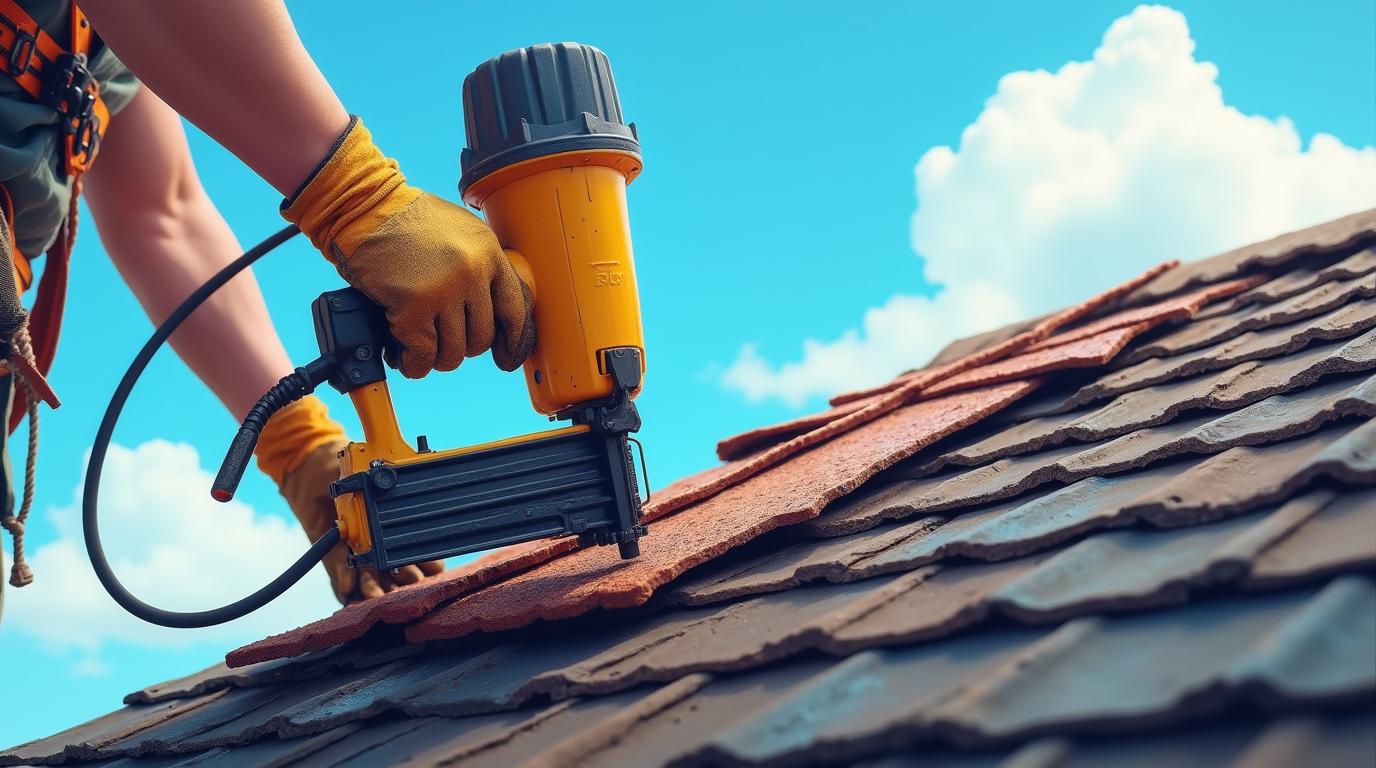
Roof Capping Repair: Your Complete Guide from a 15-Year Roofing Contractor
My name is Michael, and I've been repairing and installing roofs in Texas for over fifteen years. I've personally worked on more than 2,000 roofing projects, from simple repairs to complete replacements after major storms. I hold certifications from GAF, CertainTeed, and Owens Corning, and I'm a licensed contractor in the state of Texas. This article exists because I've seen too many homeowners face expensive water damage from neglected roof capping. My goal is to give you the same knowledge I share with my customers, so you can protect your home and make informed decisions. The information here comes directly from my field experience, manufacturer installation guidelines, and the International Residential Code (IRC). I'll explain not just what to do, but why it matters for your home's protection.
Roof capping, also called ridge cap or hip cap, is the material that seals the very top of your roof. It covers the peak where two roof slopes meet. This critical component is your roof's first line of defense against wind and water. When it fails, water can seep into your attic and cause mold, rot, and structural damage. This guide will walk you through everything from identifying problems to choosing materials and understanding costs. You'll learn how to spot early warning signs and when to call a professional. My methodology is simple: share proven solutions from real-world projects to save you time, money, and stress.
What is Roof Capping and Why Does It Matter?
Roof capping consists of specially shaped shingles or metal pieces installed along the ridge lines and hips of your roof. The ridge is the horizontal peak where two sloping sides meet. Hips are the angled lines where two roof sections meet, forming an external corner. Capping serves three vital functions. First, it provides a watertight seal at the most vulnerable part of your roof. Second, it allows for proper attic ventilation when combined with ridge vents. Third, it gives your roof a finished, aesthetically pleasing look. According to the International Residential Code (IRC), proper flashing and capping are required for all roof intersections.
The Anatomy of a Roof Cap
A properly installed roof cap has several layers. The base is the roof deck, usually made of plywood or OSB. Over this lies the underlayment, a water-resistant barrier. Next come the field shingles, which run up to the ridge. Finally, the cap shingles are installed over the ridge. These are often pre-bent or specially manufactured to fit the angle. For metal roofs, the capping is typically a long, pre-formed piece of painted steel or aluminum. The critical detail is the overlap and fastening pattern. Nails must be placed correctly to prevent leaks while allowing for roof movement.
Common Types of Roof Capping Materials
Different roofing materials require different capping solutions. Asphalt shingle roofs use cap shingles made from the same material as the field shingles. These are typically three-tab shingles cut into individual tabs or pre-formed ridge caps. Wood shake roofs use specially cut shakes for the ridge. Tile roofs use half-round or special ridge tiles secured with mortar. Metal roofs use pre-formed ridge caps that snap or screw into place. Synthetic slate and composite roofs have manufacturer-specific cap pieces. Each material has unique installation requirements detailed in the manufacturer's specifications, like those from GAF or CertainTeed.
How to Identify Roof Capping Problems
Early detection of capping issues can prevent major interior damage. The most obvious sign is missing cap shingles after a storm. You might see bare spots along your roof's peak from the ground. Another common problem is cracked or curled cap shingles. This happens due to age, sun exposure, or poor installation. Look for granules collecting in your gutters; this indicates shingle deterioration. Inside your home, water stains on ceilings or walls near the peak suggest a leak. In the attic, check for daylight coming through the ridge or damp insulation. Musty odors can also signal hidden moisture problems from a compromised cap.
Visual Inspection Checklist
Perform a visual inspection twice a year, in spring and fall. Use binoculars from the ground for a safe initial assessment. Look for these specific issues along all ridge and hip lines. Check for cap shingles that are lifting or buckling. Look for rust on metal ridge caps or fasteners. Notice any moss or algae growth, which can trap moisture. Examine the sealant along the edges of metal caps; it should be flexible, not cracked. After heavy winds, check for displaced caps. Following hail storms, look for dents or impact marks. Document any problems with photos for insurance or contractor discussions. This proactive approach is far cheaper than emergency repairs.
When to Worry: Serious Warning Signs
Some signs require immediate professional attention. Active dripping in your attic during rain means a significant breach. Multiple missing cap shingles expose your roof to direct water entry. Sagging along the ridge line suggests structural issues beyond the cap. Widespread granule loss leaves asphalt shingles vulnerable to UV damage. If you see daylight through the ridge board in your attic, ventilation is compromised. Metal ridge caps with separated seams need prompt repair. Any sign of rot in the sheathing near the ridge is critical. In these cases, contact a licensed roofer immediately to prevent escalating damage and higher repair costs.
Common Causes of Roof Capping Failure
Understanding why capping fails helps prevent future problems. The primary cause is improper installation. Nails placed too high or too low can cause caps to lift in high winds. Using standard field shingles instead of proper cap shingles is another installer error. Age is a natural factor; most asphalt shingle caps last 20-30 years. Severe weather is a major culprit. High winds can lift and remove cap shingles entirely. Hail can crack and damage the surface. Thermal expansion and contraction over seasons stress the materials. Poor attic ventilation causes excessive heat buildup, baking the shingles. Tree branches rubbing against the ridge can wear away the surface. Animals like squirrels or raccoons sometimes damage caps while seeking entry.
Installation Errors I See Most Often
In my field experience, certain installation mistakes recur. The most common is under-driving nails. When nails aren't flush, they catch wind and lift the cap. Over-driving nails cracks the shingles and compromises their integrity. Incorrect nailing placement outside the manufacturer's nail line is frequent. Using too few nails per cap shingle is another issue; most require 4-6 nails. Failing to seal the end caps properly allows water intrusion. Not overlapping cap shingles sufficiently leaves gaps. Ignoring the need for ice and water shield along the ridge in cold climates leads to ice dam problems. These errors are preventable with proper training and attention to manufacturer guidelines like those from Owens Corning.
Environmental and Weather Factors
Your local climate dramatically affects capping longevity. In Texas, intense UV radiation breaks down asphalt binders over time. The National Fire Protection Association (NFPA) notes that sun exposure is a major factor in material degradation. High winds common in our region test the fastening strength. Temperature swings cause materials to expand and contract, stressing seals. Heavy rain tests the water-shedding ability. In northern climates, ice dams are a significant threat to ridge integrity. Coastal areas face salt spray corrosion on metal components. Understanding these factors helps you choose the right materials and maintenance schedule for your specific location and weather patterns.
Roof Capping Repair Costs and Considerations
Roof capping repair costs vary based on several factors. For a simple repair of a few missing cap shingles, you might pay $150-$400. This includes materials, labor, and disposal of old materials. For a full ridge cap replacement on an average-sized home, expect $800-$2,500. The price depends on roof pitch, accessibility, and material choice. Metal ridge cap replacement typically costs $10-$25 per linear foot installed. Tile ridge cap repair can be $20-$40 per linear foot due to the specialized labor. Always get multiple written estimates from licensed contractors. The estimate should detail materials, labor, warranty, and cleanup. Beware of quotes significantly lower than others; they often indicate corner-cutting.
Real Project Cost Examples
Let me share actual project costs from recent jobs. A Kingwood homeowner needed 20 linear feet of asphalt ridge cap replaced after wind damage. The total was $675, including matching architectural shingles. A Spring resident with a metal roof required a new ridge cap seal; the cost was $1,200 for materials and labor. A Humble home with a tile roof needed mortar repair and replacement of 5 ridge tiles; the bill was $950. These are real Texas prices from 2024. Remember, emergency repairs often cost 20-30% more than scheduled maintenance. Planning ahead saves money. Also, check if your homeowners insurance covers storm-related damage; many policies do with proper documentation.
What Influences the Final Price?
Several factors determine your final repair cost. Roof pitch is major; steeper roofs require more safety equipment and labor time. Roof height affects accessibility; two-story homes cost more than single-story. The type of existing roofing material influences price; specialty materials cost more. The extent of damage matters; isolated repair is cheaper than widespread issues. Local labor rates vary by region and season. Permit requirements in your municipality add to the cost. Debris removal and dump fees are often included. The contractor's overhead and insurance coverage affect their pricing. Quality materials from reputable manufacturers cost more but last longer. Always balance cost with quality for a durable repair.
Choosing the Right Materials for Your Repair
Selecting appropriate capping materials ensures a long-lasting repair. For asphalt shingle roofs, use cap shingles from the same manufacturer and series as your existing roof. This ensures color match and performance compatibility. For metal roofs, choose the same gauge and finish metal. Aluminum is lightweight and corrosion-resistant but costs more. Steel is strong and economical but can rust if the coating is damaged. Copper offers exceptional longevity but has a high initial cost. Tile roofs require matching tiles and proper mortar mix. Synthetic options like PVC or composite offer durability and often come with extended warranties. Consult manufacturer specifications for compatibility, like those from MRA.
Material Comparison: Pros and Cons
Each material has advantages and drawbacks. Asphalt shingle caps are affordable and easy to install but have a shorter lifespan. They typically last 15-25 years. Metal ridge caps are durable and excellent for ventilation but can be noisy during rain. They often last 40-50 years. Tile ridge caps are extremely durable and fire-resistant but are heavy and require skilled installation. They can last 50+ years. Wood shake caps offer a natural look but require regular maintenance and are less fire-resistant. Synthetic caps mimic other materials with less weight and maintenance but can be expensive. Consider your budget, climate, and desired aesthetic when choosing. I often recommend matching your existing material unless upgrading the entire roof.
Ventilation Considerations
Proper attic ventilation is crucial for roof health. Many ridge caps integrate with ventilation systems. Ridge vents run continuously along the peak, allowing hot air to escape. They require a specially designed cap with openings. The ASHRAE recommends specific ventilation rates for different climates. When repairing your ridge cap, consider upgrading to a ventilated system if you don't have one. This reduces attic heat buildup, lowering cooling costs and extending shingle life. Ensure any new ridge vent is compatible with your existing soffit vents for proper airflow. Balanced intake and exhaust are key. A professional can assess your current ventilation and recommend improvements during the repair process.
The Professional Repair Process: What to Expect
A professional roof capping repair follows a systematic process. First, the contractor conducts a thorough inspection. They assess the damage extent and check for related issues. Next, they provide a detailed written estimate. Once approved, they schedule the work. On repair day, they set up safety equipment like harnesses and guardrails. They carefully remove damaged cap materials, preserving undamaged surrounding shingles. They inspect the underlying deck for water damage or rot. Any compromised wood is replaced. They install new underlayment if needed. Then they install the new capping according to manufacturer specifications. Finally, they clean up all debris and perform a water test to ensure integrity. The entire process typically takes 4-8 hours for an average repair.
Step-by-Step Installation Details
For asphalt shingle caps, the process is precise. Workers start at one end of the ridge, opposite the prevailing wind. They apply a bead of roofing cement along the ridge. They place the first cap shingle, ensuring it overhangs the edge properly. They nail it with 4-6 nails per shingle, placed according to the nail line. Each subsequent cap overlaps the previous by several inches. At the opposite end, they trim the final cap for a clean finish. They seal the end caps with roofing cement. For metal ridge caps, they dry-fit the pieces first. They apply sealant along the edges. They screw the cap in place using color-matched screws with neoprene washers. They ensure all seams are properly overlapped and sealed against water intrusion.
Quality Control and Inspection
After installation, a quality inspection is essential. The contractor should check every nail for proper depth and placement. They verify all cap shingles are securely fastened with no lifting edges. They ensure proper overlap and alignment along the entire ridge. They check sealant application for consistency and coverage. They remove any excess sealant for a clean appearance. They verify color matching from all angles. They conduct a water test by spraying the ridge with a hose to check for leaks. They inspect the attic for any signs of water penetration. They provide documentation of the work completed, including before-and-after photos. They explain the warranty coverage for materials and labor. This thorough approach ensures a durable, professional repair.
DIY vs. Professional Repair: Making the Right Choice
Deciding between DIY and professional repair depends on several factors. DIY may be suitable for minor repairs if you have roofing experience, proper safety equipment, and comfort with heights. However, roof work is dangerous; falls cause serious injuries annually. Professionals have insurance, proper training, and access to wholesale materials. They can spot related issues you might miss. They provide warranties on their workmanship. For most homeowners, hiring a professional is the safer, more reliable choice. The cost difference is often worth the peace of mind and quality assurance. If you do choose DIY, never work alone, always use fall protection, and follow all manufacturer instructions precisely. Check local building codes for permit requirements first.
Safety Considerations for Homeowners
Roof safety cannot be overstated. Always use a properly anchored fall arrest system. Wear shoes with good traction, like roofing boots. Check weather forecasts; never work in rain, high winds, or extreme heat. Use a sturdy extension ladder that extends 3 feet above the roof edge. Have a spotter on the ground. Be aware of overhead power lines. Watch for slippery surfaces like moss or algae. Stay organized to avoid tripping hazards. Keep tools secured with lanyards. Drink plenty of water to prevent dehydration. Know your limits; if a repair seems beyond your skill level, call a professional. Your safety is more important than saving money. The Occupational Safety and Health Administration (OSHA) has specific standards for roofing work.
When to Absolutely Call a Professional
Certain situations always require professional intervention. If your roof is steeper than a 6/12 pitch (6 inches of rise per 12 inches of run), the risk is too high. If the damage extends beyond simple cap replacement to the deck underneath, you need expertise. If you have a tile, slate, or metal roof, specialized skills are necessary. If the repair involves structural components like rafters or trusses, a professional assessment is crucial. If you suspect mold or extensive water damage, proper remediation is needed. If the repair is insurance-related, documentation from a licensed contractor is often required. When in doubt, get a professional opinion; many offer free inspections. This protects your home and your safety.
Preventive Maintenance for Long-Lasting Roof Capping
Regular maintenance extends your roof capping's life significantly. Perform visual inspections twice yearly, in spring and fall. Clean debris like leaves and branches from roof valleys and near the ridge. Trim overhanging tree branches to prevent abrasion. Keep gutters clean to ensure proper water drainage. Check attic ventilation to prevent heat buildup. After severe storms, inspect for damage promptly. Consider applying UV protectant to asphalt shingles in sunny climates. For metal caps, inspect sealant annually and reapply as needed. Address minor issues immediately before they worsen. Keep records of all inspections and repairs. This proactive approach can add years to your roof's lifespan. It also makes any insurance claims smoother with documented maintenance history.
Seasonal Maintenance Checklist
Follow this seasonal checklist for optimal roof health. In spring, check for winter damage like ice dam effects or loose caps. Clean gutters and downspouts. Inspect for moss or algae growth. In summer, ensure attic ventilation is working properly. Look for signs of heat damage like blistering shingles. Trim trees back from the roof. In fall, clear leaves and debris. Check for loose or damaged caps before winter storms. Ensure all flashings are secure. In winter, monitor for ice dams if you live in a cold climate. Remove snow accumulation carefully if safe to do so. Never use metal tools that could damage the roof surface. After any major weather event, perform a quick visual check from the ground. Consistent care prevents most major problems.
Professional Maintenance Services
Consider hiring a professional for annual maintenance. A roofing contractor can perform a comprehensive inspection you might miss. They check fastener tightness on metal caps. They inspect sealant integrity at all joints. They verify proper ventilation function. They can clean roof surfaces without causing damage. They identify early signs of problems like granule loss or minor cracking. They provide documentation for warranty purposes. Many offer maintenance contracts with priority service for repairs. The cost is typically $200-$400 annually, far less than major repairs. This service is especially valuable for older roofs or complex roof designs. It also builds a relationship with a trusted contractor for when repairs are needed. Regular professional care is an investment in your home's longevity.
Frequently Asked Questions About Roof Capping Repair
How long does roof capping repair take?
Most roof capping repairs are completed in one day. Simple repairs of a few missing caps take 2-4 hours. Full ridge replacement on an average home takes 6-8 hours. Complex roofs with multiple hips or steep pitches may require two days. Weather conditions can affect timing; rain delays work for safety. Professional crews work efficiently with proper planning and equipment. They typically start early and finish by late afternoon. Cleanup is included in the timeline. Always ask your contractor for a specific timeframe based on your roof's unique characteristics.
Can I repair just part of the ridge cap?
Partial repairs are possible but require careful matching. If damage is isolated to one section, a professional can replace just that area. They must blend new caps with existing ones for a seamless look. Color matching can be challenging with faded older shingles. Sometimes the entire ridge needs replacement for consistency. Metal ridge caps can often be repaired in sections if the same material is available. Tile ridges may require partial replacement with careful mortar matching. Consult with a professional roofer who can assess whether a partial repair will look and perform properly.
Will my homeowners insurance cover roof capping repair?
Insurance coverage depends on the cause of damage. Most policies cover sudden, accidental damage like storm-related issues. Wind damage that removes cap shingles is typically covered. Hail damage is usually covered. Age-related wear and tear is not covered. Maintenance neglect is not covered. You'll need to file a claim with documentation and photos. An adjuster will inspect the damage. Your deductible applies. Some policies have separate wind/hail deductibles. Review your policy details or consult your agent. Texas has specific insurance regulations through the Texas Department of Insurance. Always get a professional assessment before filing a claim.
How do I find a reputable roofing contractor?
Start with local referrals from friends or neighbors. Check online reviews on multiple platforms. Verify the contractor is licensed in Texas through the Texas Department of Licensing and Regulation. Confirm they carry liability insurance and workers' compensation. Ask for references from recent similar projects. Look for manufacturer certifications from companies like GAF or CertainTeed. Get multiple written estimates with detailed scope of work. Avoid contractors who pressure you for immediate decisions. Check for complaints with the Better Business Bureau. A reputable contractor will answer all your questions patiently and provide clear documentation.
What warranty should I expect on roof capping repair?
You should receive two types of warranties. Material warranties come from the manufacturer, typically ranging from 20 years to lifetime depending on the product. Workmanship warranties come from the contractor, usually 1-10 years. The best contractors offer longer workmanship warranties because they stand behind their installation quality. Ensure warranties are in writing with clear terms. Understand what voids the warranty, like improper maintenance. Transferability to new homeowners can add value if you sell your home. Keep all warranty documents in a safe place with other important home records. Warranties provide peace of mind for your investment.
How do I know if I need a full roof replacement instead of just capping repair?
Several indicators suggest full replacement is needed. If your roof is near the end of its expected lifespan, repair may not be cost-effective. Widespread damage beyond the ridge area indicates overall roof failure. Multiple leaks in different locations suggest systemic issues. If matching materials are unavailable for a seamless repair, replacement may be better. When repair costs approach 50% of replacement cost, replacement often makes more sense. An energy-efficient upgrade opportunity might justify replacement. A professional inspection can provide this assessment. They consider age, condition, and your long-term plans for the home.
Can roof capping repair improve my home's energy efficiency?
Yes, especially if you incorporate proper ventilation. Ridge vents combined with soffit vents create passive airflow that reduces attic temperatures. This lowers cooling costs in summer. Some reflective cap materials can reduce heat absorption. Proper sealing prevents air leaks that waste conditioned air. During repair, you can add insulation at the eave line if accessible. While the primary goal is protection, energy efficiency improvements are a valuable bonus. Discuss options with your contractor. The U.S. Department of Energy recommends proper attic ventilation as a key energy-saving measure for homes.
Real Project Case Studies and Outcomes
Let me share real examples from my work. A Kingwood homeowner had recurring leaks after multiple patch jobs. Inspection revealed the entire ridge cap was improperly installed with insufficient nails. We replaced the full ridge with proper ventilation. The leak stopped completely, and their summer cooling bill dropped 15%. A Spring resident had hail damage to their ridge cap. We worked with their insurance, replaced the damaged section with matching materials, and sealed all flashings. The repair cost was covered minus their deductible. A Humble business owner had moss growth on their north-facing ridge. We cleaned the roof, applied moss treatment, and installed zinc strips to prevent regrowth. These real cases show how proper diagnosis and repair solve specific problems effectively.
Lessons Learned from Field Experience
Over years of repairs, certain lessons stand out. First, address small problems early; they rarely fix themselves. Second, quality materials installed correctly last much longer than cheap alternatives. Third, proper ventilation solves many moisture-related issues. Fourth, documentation helps with insurance claims and future sales. Fifth, regular maintenance is cheaper than emergency repairs. Sixth, homeowner education prevents repeat problems. Seventh, local climate considerations should guide material choices. Eighth, safety must never be compromised for speed or cost savings. These principles guide my work and recommendations. They come from seeing what works and what fails in real-world conditions across hundreds of Texas homes.
Industry Statistics and Data
Roofing industry data provides useful context. According to the National Roofing Contractors Association (NRCA), proper installation is the most critical factor in roof longevity. They report that 90% of roofing failures relate to workmanship issues, not material defects. The Insurance Institute for Business & Home Safety states that wind uplift is a leading cause of ridge cap failure. They recommend specific fastening patterns for high-wind regions. The National Association of Home Builders notes that a well-maintained roof can last 50% longer than a neglected one. In Texas, hail causes over $1 billion in property damage annually, much of it to roofs. These statistics underscore the importance of quality installation and proactive maintenance for roof capping durability.
Conclusion: Protecting Your Home's First Line of Defense
Your roof capping is more than just a finishing touch; it's a critical protective component. Proper maintenance and timely repair prevent costly interior damage. Regular inspections catch problems early. Choosing quality materials and professional installation ensures long-term performance. Understanding costs and insurance options helps you plan effectively. Whether you tackle minor repairs yourself or hire a professional, knowledge empowers better decisions. Your roof protects everything underneath it; giving attention to the ridge cap protects the roof itself. I hope this guide from my fifteen years of hands-on experience helps you maintain a dry, secure home. The investment in proper roof care pays dividends in peace of mind and avoided repair costs.
Start with a visual inspection from the ground using binoculars. Document any issues with photos. If you see problems, contact a licensed roofing professional for an assessment. Get multiple estimates for any needed repairs. Ask questions about materials, warranties, and installation methods. Consider preventive maintenance to extend your roof's life. Keep records of all inspections and work performed. Your proactive approach today prevents emergencies tomorrow. A well-maintained roof capping system will serve your home reliably for years, through Texas sun, rain, and wind. Thank you for taking the time to learn about this important aspect of home maintenance.