
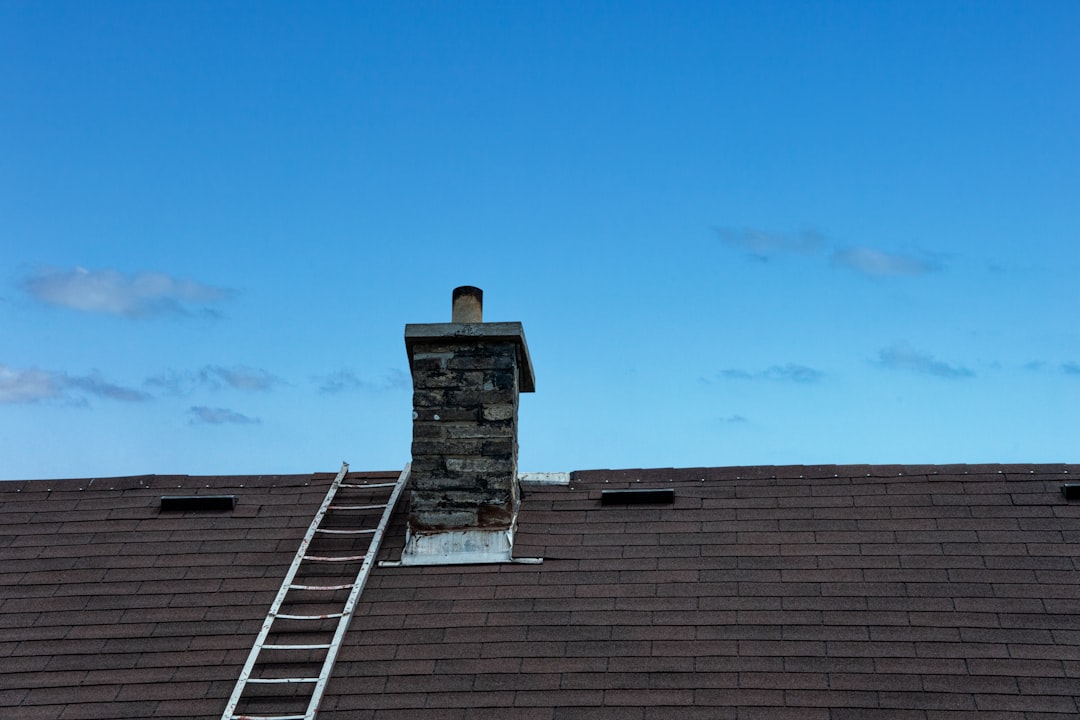
Roof Contractors Guide: 25 Years of Field Experience Helping Homeowners Make Smart Choices
After installing over 3,000 roofs across Texas, I've seen what separates great roofing experiences from costly disasters. This guide exists because choosing the right roof contractor is the most important decision you'll make for your home's protection. Many homeowners feel overwhelmed by roofing decisions and worry about being taken advantage of. I created this comprehensive resource to give you the same knowledge professional contractors use, helping you avoid common pitfalls and make confident choices. The information comes directly from my hands-on work with materials from GAF, Owens Corning, and Malarkey, following International Residential Code standards and dealing with countless insurance claims.
My journey in roofing began in 1999, starting as an apprentice and earning certifications including GAF Master Elite and Owens Corning Platinum Contractor status. I've worked through hurricanes, hailstorms, and Texas heat waves, learning what truly makes a roof last. This guide combines manufacturer specifications, building code requirements, and real-world experience from hundreds of customer projects. You'll get transparent advice about costs, materials, and installation processes without the sales pressure. My methodology focuses on proven techniques that withstand Texas weather while providing maximum value for your investment.
Understanding Roof Contractor Qualifications and Certifications
Not all roof contractors operate at the same quality level. The right credentials separate professionals from amateurs. Manufacturer certifications require rigorous training and quality standards. For example, GAF Master Elite contractors must maintain proper insurance, have a proven track record, and pass regular quality inspections. Owens Corning Platinum contractors undergo extensive training on proper installation techniques. These certifications matter because manufacturers stand behind their products when installed correctly.
Essential Licensing and Insurance Requirements
Proper licensing varies by state but always requires meeting minimum competency standards. In Texas, roof contractors must carry general liability insurance and workers' compensation coverage. Always verify insurance certificates directly with the insurance company. I've seen situations where homeowners faced massive bills because their contractor lacked proper coverage. General liability should cover at least $1 million per occurrence. Workers' compensation protects you if a worker gets injured on your property.
Manufacturer Certifications That Matter
Manufacturer certifications demonstrate specialized training and commitment to quality. GAF Master Elite status requires passing business background checks and technical training. Owens Corning Platinum contractors complete installation mastery programs. CertainTeed ShingleMaster certification involves comprehensive product knowledge testing. These programs ensure contractors understand proper installation methods specific to each product line. Certified contractors often receive better warranty coverage and manufacturer support.
How to Vet and Select the Right Roof Contractor
Choosing a roof contractor requires careful research and multiple verification steps. Start by checking online reviews across multiple platforms like Google, BBB, and social media. Look for patterns in feedback rather than isolated complaints. Request references from recent customers and actually contact them. Ask about communication, cleanliness, and follow-through. Verify licensing through your state's licensing board website. Check for manufacturer certifications on the manufacturer's official website.
Comprehensive Interview Questions
Prepare specific questions that reveal contractor knowledge and business practices. Ask about their experience with your specific roofing material. Inquire about their project management process and communication methods. Request details about their crew composition and supervision. Discuss their approach to weather protection and site cleanup. Ask how they handle unexpected issues that arise during projects. Request examples of similar completed projects in your area.
Red Flags and Warning Signs
Certain behaviors should immediately raise concerns about contractor reliability. Door-to-door solicitation after storms often indicates storm chasers. Pressure to sign contracts quickly suggests predatory practices. Requests for large upfront payments before work begins are major red flags. Lack of physical business addresses or local references indicates transient operations. Vague answers about insurance or licensing should prompt immediate termination of discussions. Unusually low bids often signal corner-cutting or bait-and-switch tactics.
Understanding Roofing Costs and Payment Structures
Roofing costs vary significantly based on materials, complexity, and regional factors. Asphalt shingle roofs typically cost between $5,000 and $15,000 for average homes. Metal roofing ranges from $12,000 to $25,000 depending on material quality. Tile and slate roofs can exceed $30,000 due to material and installation complexity. These prices include materials, labor, disposal, and profit margins. Always get multiple detailed quotes to understand market rates in your area.
Breaking Down Cost Components
Understanding what you're paying for helps evaluate quotes accurately. Material costs account for 40-50% of total project costs. Labor represents 30-40% depending on roof complexity. Waste disposal and dump fees typically cost $500-$800. Underlayment and flashing materials add $1,000-$2,000. Ventilation components cost $300-$600. Profit margins of 15-25% cover business overhead and warranty reserves. Permits and inspections add $200-$500 depending on municipality.
Reasonable Payment Schedules
Proper payment schedules protect both homeowners and contractors. Initial deposits should not exceed 10-20% of total project cost. Progress payments should align with completed work milestones. Final payment should only occur after complete satisfaction and final inspection. Never pay 100% upfront under any circumstances. Use checks or credit cards rather than cash for payment tracking. Consider escrow accounts for large projects to ensure proper fund distribution.
Roofing Materials Comparison from Installation Experience
Different roofing materials offer varying lifespans, costs, and performance characteristics. Asphalt shingles remain popular due to affordability and ease of installation. Architectural shingles provide better durability than 3-tab options. Metal roofing offers exceptional longevity and weather resistance. Tile roofs deliver classic aesthetics and fire resistance. Slate provides premium appearance and century-plus lifespans. Each material requires specific installation techniques for optimal performance.
Asphalt Shingle Practical Insights
Modern asphalt shingles have evolved significantly in quality and durability. Architectural shingles use multiple layers for dimensional appearance and wind resistance. Many premium shingles carry 50-year limited warranties when installed properly. Proper installation requires specific nailing patterns and exposure adjustments. I've found GAF Timberline HDZ and Owens Corning Duration shingles perform exceptionally in Texas conditions. Always use manufacturer-approved accessories for complete warranty coverage.
Metal Roofing Performance Analysis
Metal roofing systems offer excellent longevity but require specialized installation. Standing seam metal roofs provide superior weather protection and expansion control. Proper installation requires understanding thermal movement and fastener placement. I recommend working with contractors experienced in metal roofing specifically. Metal roofs can last 40-70 years with minimal maintenance. They offer excellent fire resistance and energy efficiency benefits in hot climates.
The Roof Installation Process: What to Expect
Professional roof installation follows a systematic process ensuring quality results. Day one typically involves material delivery and setup of safety equipment. Crews install protective measures for landscaping and property features. Existing roofing removal happens systematically to maintain structural integrity. Deck inspection and repairs address any underlying damage discovered. Underlayment installation creates the secondary water barrier. Flashing installation protects vulnerable areas like valleys and penetrations.
Critical Installation Steps Homeowners Should Monitor
Certain installation elements significantly impact roof performance and longevity. Proper ice and water shield installation in valleys and edges prevents water intrusion. Correct flashing details around chimneys and vents eliminate common leak points. Adequate ventilation installation maintains attic temperature and moisture control. Proper shingle nailing prevents wind uplift damage. Valley treatment methods affect water drainage efficiency. Ridge vent installation completes the ventilation system for balanced airflow.
Project Timeline Realities
Understanding realistic timelines prevents frustration during roofing projects. Material procurement typically takes 1-2 weeks depending on product availability. Actual installation requires 2-5 days for average homes depending on complexity. Weather delays can add several days to project completion. Final inspection and cleanup typically require one additional day. Complex roofs with multiple penetrations or steep pitches take longer. Proper installation should never be rushed despite timeline pressures.
Working with Insurance Companies on Roof Claims
Navigating insurance claims requires specific knowledge and documentation. Start by thoroughly documenting damage with photographs from multiple angles. Review your insurance policy to understand coverage details and deductibles. Contact your insurance company promptly to initiate the claims process. Many contractors offer assistance with claims documentation and communication. Understand that insurance covers sudden damage rather than normal wear and tear. Most policies cover hail, wind, and falling object damage.
Maximizing Insurance Claim Success
Proper documentation significantly improves insurance claim outcomes. Take date-stamped photographs before any temporary repairs. Keep records of all communications with insurance representatives. Maintain copies of all estimates and supporting documentation. Understand the difference between actual cash value and replacement cost coverage. Consider hiring a public adjuster for complex or denied claims. Work with contractors experienced in insurance restoration processes for best results.
Essential Maintenance Tips from Professional Experience
Regular maintenance extends roof life and prevents costly repairs. Conduct visual inspections twice annually from ground level. Clear debris from roof surfaces and gutters regularly. Trim overhanging tree branches that could damage roofing materials. Check attic ventilation for proper airflow and signs of moisture. Monitor for granule loss in gutters indicating shingle wear. Address minor issues promptly before they become major problems. Keep records of maintenance activities for warranty and insurance purposes.
Seasonal Maintenance Checklists
Different seasons require specific maintenance attention points. Spring cleaning removes winter debris and checks for winter damage. Summer inspections focus on heat-related expansion and UV damage. Fall preparation involves clearing leaves and preparing for winter weather. Winter monitoring checks for ice dam formation and cold weather damage. Post-storm inspections identify damage needing immediate attention. Regular maintenance prevents small issues from becoming emergency repairs.
Frequently Asked Questions from Real Homeowners
How long should a new roof installation take?
Most residential roof replacements take 2-3 days for skilled crews. Complex roofs with multiple levels or steep pitches may require 4-5 days. Weather conditions can extend timelines significantly. Proper installation should never be rushed despite timeline pressures. Crews work systematically to ensure quality at every stage. Final cleanup and inspection typically complete on the last project day.
What warranty coverage should I expect?
Quality roof installations include both manufacturer and workmanship warranties. Manufacturer warranties cover material defects for 25-50 years depending on product. Workmanship warranties from contractors typically cover 5-10 years of installation quality. Always get warranty details in writing before project commencement. Understand warranty transfer processes if you sell your home. Proper maintenance is often required for warranty validity.
How do I prepare my home for roof installation?
Simple preparations make roof installation smoother for everyone. Remove wall decorations that could vibrate loose during work. Cover items in attic spaces to protect from dust infiltration. Clear driveway space for material delivery and equipment placement. Protect landscaping with temporary covers if possible. Inform neighbors about upcoming construction noise. Make arrangements for pets who may be stressed by noise.
What payment schedule is reasonable?
Standard payment schedules protect both homeowners and contractors. Initial deposit of 10-20% secures materials and scheduling. Progress payments align with major completion milestones. Final payment occurs only after complete satisfaction and final walkthrough. Never pay 100% upfront under any circumstances. Payment methods should provide documentation like checks or credit card receipts. Discuss payment schedule details during contract negotiation.
How do I verify contractor credentials?
Verification requires checking multiple sources for consistency. Confirm state licensing through official licensing board websites. Verify insurance with certificate copies and direct carrier contact. Check manufacturer certifications on manufacturer websites. Review Better Business Bureau ratings and complaint history. Search court records for litigation history. Contact references from recent similar projects for firsthand feedback.
What happens during unexpected weather?
Professional contractors monitor weather forecasts continuously throughout projects. Work pauses during rain, high winds, or other dangerous conditions. Temporary waterproofing measures protect exposed structures during delays. Projects resume when conditions become safe for workers and proper installation. Weather delays are common in roofing and built into project timelines. Communication about schedule adjustments maintains realistic expectations.
How do I handle discovered deck damage?
Deck damage discovery is common during roof replacements. Additional deck repair costs are typically separate from original quotes. Repairs must meet building code requirements for safety and performance. Documentation through photographs supports insurance claims for damage repair. Quality contractors explain damage clearly and provide repair options. Deck repairs ensure proper substrate for new roofing materials.
Real Project Case Studies and Outcomes
Actual project examples demonstrate common scenarios homeowners face. The Johnson residence required complete tear-off and deck repairs after hail damage. Insurance coverage required detailed documentation and multiple adjuster visits. Project completion took 7 days due to weather delays and repair complexity. The Miller commercial property needed metal roof replacement over existing deck. Coordination with business operations required careful scheduling. The project finished on budget despite material availability challenges.
Residential Storm Damage Recovery
Recent hail damage projects show insurance claim realities. The Thompson home sustained significant granule loss and bruising. Detailed photography documented pre-existing conditions and new damage. Insurance approval required supplement requests for proper repairs. Installation followed manufacturer specifications for warranty protection. Final inspection confirmed proper installation and complete damage repair. The homeowners received full replacement cost coverage minus their deductible.
Historic Home Roof Preservation
Older homes present unique roofing challenges and considerations. The 1920s Craftsman required careful material matching for historic preservation. Custom flashing details maintained architectural integrity while improving performance. Special installation techniques addressed structural settlement issues. Material selection balanced historical accuracy with modern performance standards. The completed project received historical society approval while providing modern protection.
Industry Statistics and Data Analysis
Roofing industry data reveals important trends and benchmarks. According to IBIS World, the roofing industry generates $56 billion annually. Approximately 78% of roofing contractors have fewer than 10 employees. The average roof replacement cost increased 15% from 2020-2024. Hail damage accounts for 35% of all homeowners insurance claims. Properly installed roofs last 50% longer than poorly installed equivalents. Regular maintenance reduces repair costs by 60% over roof lifespan.
Material Performance Statistics
Long-term studies provide material performance insights. Asphalt shingles maintain 85% market share for residential roofing. Modern architectural shingles average 30-year lifespans with proper installation. Metal roofing systems typically last 40-70 years depending on material quality. Tile roofs often exceed 50-year service life with minimal maintenance. Slate roofs can last 100+ years when installed on appropriate structures. Material choices significantly impact long-term ownership costs.
Step-by-Step Contractor Selection Guide
Following a systematic approach ensures successful contractor selection. Step one involves gathering multiple recommendations from trusted sources. Step two requires preliminary research on company history and reputation. Step three includes initial interviews and rough estimates. Step four involves detailed proposal comparison and clarification. Step five includes reference checks and credential verification. Step six involves contract review and final negotiations. Step seven monitors project progress through completion.
Comprehensive Checklist Implementation
Detailed checklists prevent oversight during contractor evaluation. Verify all required licensing through official channels. Confirm adequate insurance coverage with certificate reviews. Check Better Business Bureau ratings and complaint history. Review online feedback across multiple platforms. Contact references from similar recent projects. Evaluate communication responsiveness during selection process. Assess proposal detail and professionalism. Compare warranty terms and coverage details.
Conclusion: Making Confident Roofing Decisions
Choosing the right roof contractor protects your largest investment and ensures long-term satisfaction. The knowledge gained from this guide empowers you to navigate the selection process confidently. Remember that quality installation matters as much as material selection. Proper credentials and verification prevent most common roofing problems. Realistic expectations about costs and timelines reduce stress during projects. Your due diligence in contractor selection pays dividends for decades through trouble-free performance.
Your next steps should include gathering multiple quotes from qualified contractors. Verify credentials thoroughly before making final decisions. Ask detailed questions until you feel completely comfortable. Remember that the cheapest option often costs more long-term through repairs and premature replacement. Quality roofing provides peace of mind knowing your home receives optimal protection. The right contractor partnership ensures your roof performs beautifully for its entire expected lifespan.