
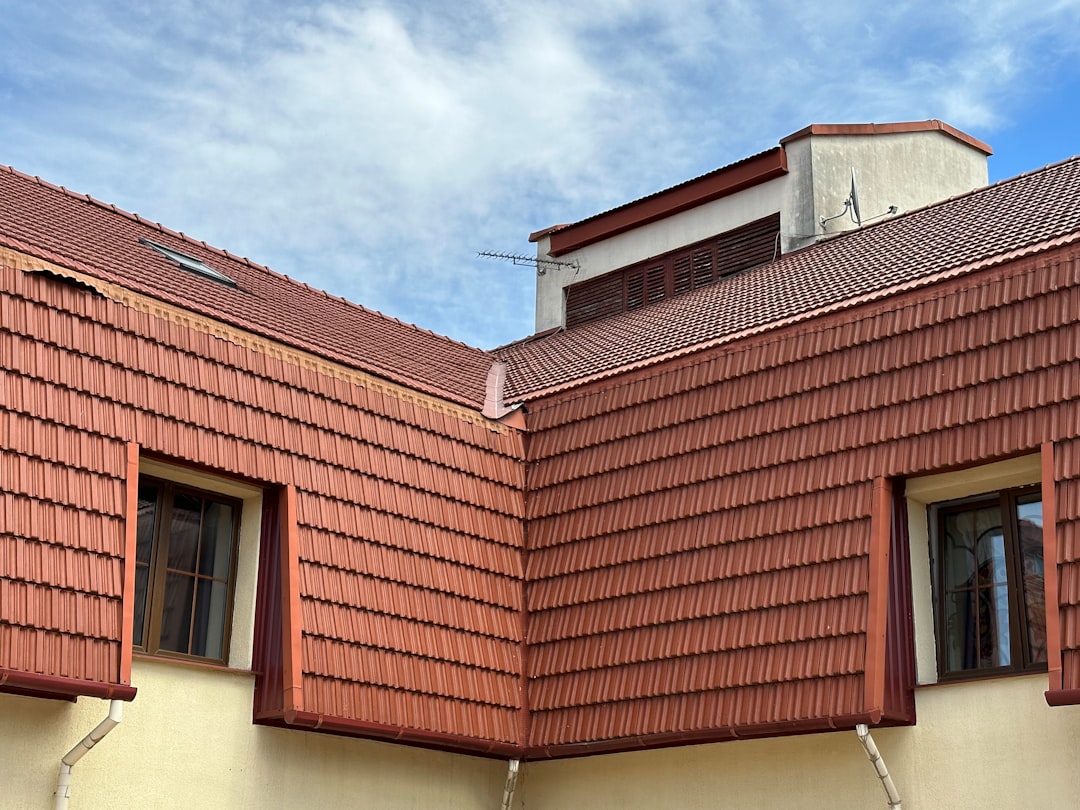
Roof Maintenance Near Me: A 20-Year Contractor's Essential Guide to Protecting Your Home
I have been a licensed roofing contractor in Texas for over twenty years. Our team has completed more than four thousand residential and commercial projects. We hold certifications from major manufacturers like GAF and Owens Corning. This experience gives me a unique perspective on roof care. I have seen what happens when maintenance is ignored. I have also seen how proper care extends roof life dramatically. This article shares that hard-earned knowledge with you.
This guide exists to solve a common homeowner problem. Many people search for "roof maintenance near me" when they are worried. They see a leak or missing shingles and panic. This reactive approach is costly. My goal is to help you become proactive. I want to teach you how to maintain your roof properly. This will save you thousands of dollars in premature repairs. It will also give you peace of mind during Texas storms.
I built this guide with integrity and transparency. The information comes from thousands of customer projects. I reference manufacturer installation instructions and warranty requirements. I also cite local building codes and insurance industry standards. My recommendations are based on what actually works in the field. They are not just theory from a manual. I will explain the "why" behind every tip. This helps you make informed decisions for your home.
Why Proactive Roof Maintenance Is Non-Negotiable
Your roof is your home's first line of defense. It protects everything you own from sun, rain, and wind. Neglecting it is like ignoring a check engine light. Small problems become major failures very quickly. A well-maintained roof can last its full expected lifespan. A neglected one might fail in half that time. The cost difference is enormous.
The Real Cost of Deferred Maintenance
I have seen this story too many times. A homeowner ignores a few curled shingles. Then a storm hits. Those weak shingles tear off. Water gets into the decking. Soon, the attic insulation is soaked. Mold begins to grow on the ceiling drywall. What was a $300 repair becomes a $15,000 insurance claim. The homeowner's deductible is paid. Their insurance rates may go up. They face weeks of disruption. All of this was preventable.
Regular maintenance is an investment, not an expense. Think of it like changing the oil in your car. A small, regular cost prevents a catastrophic engine failure. The National Roofing Contractors Association (NRCA) recommends inspections twice a year. I agree with this standard for our climate. Spring and fall are ideal times. This catches winter damage and prepares for summer heat.
What "Roof Maintenance Near Me" Really Means: The Contractor's Perspective
When you search for a local roofer, you want more than a name. You want a qualified professional who understands your specific home. Local knowledge is critical. A roofer in Florida deals with different issues than one in Texas. Our local contractors know about hail alley winds and intense UV exposure. They know which materials perform best here.
Key Traits of a Quality Local Roofer
Look for a contractor with deep local roots. They should have physical offices in your area. Check for valid state and local licenses. Ask for proof of insurance, including workers' compensation. A good roofer will have manufacturer certifications. These show they are trained to install specific products correctly. They should provide references from past customers in your neighborhood. Finally, they should offer strong warranties on both materials and labor.
Beware of storm chasers. These are out-of-town crews that arrive after bad weather. They often offer cheap, quick fixes. Their work is usually substandard. They leave town before problems appear. You are left with no warranty and no recourse. Always choose a established local company. They will be there next year when you need them.
The Comprehensive Roof Maintenance Checklist (From the Ground Up)
You do not need to climb on your roof to do basic maintenance. A ground-level inspection can reveal many issues. Start with a simple walk-around your property. Use binoculars for a closer look at the roof surface. Look for these warning signs from the safety of your yard.
- Visible Damage: Look for missing, cracked, or curled shingles. Check for dark streaks or moss growth. These indicate moisture problems.
- Gutter Condition: Gutters should be firmly attached and free of debris. Sagging gutters can pull away from the roof edge. Look for granules in the gutter runoff. This signals shingle wear.
- Flashing Integrity: Check the metal flashing around chimneys, vents, and skylights. Look for rust, cracks, or separation. Flashing failures are a leading cause of leaks.
- Soft Spots: From inside your attic, look for daylight through the roof boards. Feel for damp or soft wood. This indicates water intrusion and rot.
Interior Attic Inspection Points
Your attic tells the true story of your roof's health. Go into your attic on a bright day. Turn off the lights. Look for any pinpoints of light coming through the roof deck. These are potential leak paths. Check the underside of the roof sheathing for dark stains or water marks. Feel the insulation for dampness. Look for signs of mold or mildew. Proper attic ventilation is crucial. Stagnant, hot air cooks shingles from underneath. It also leads to ice dams in winter.
Understanding Roofing Materials and Their Maintenance Needs
Different materials require different care. Asphalt shingles are most common in our area. They need attention to granules, sealant strips, and nail integrity. GAF and Owens Corning provide excellent maintenance guides. Metal roofs are durable but need checks for fastener tightness and coating integrity. Tile roofs are heavy and fragile. They require careful inspection for cracked or slipped tiles.
Asphalt Shingle Specific Care
Asphalt shingles have a granular surface. These granules protect the asphalt from UV rays. When you see granules in your gutters, it means the shingles are aging. Check the self-sealing adhesive strip. On a warm day, lift the edge of a shingle tab. It should resist slightly. If it lifts easily, the seal is broken. This makes shingles vulnerable to wind uplift. Also, look for blistering or cracking. These are signs of moisture trapped inside the shingle mat.
The Professional Maintenance Visit: What to Expect and What It Costs
Hiring a professional for a maintenance inspection is wise. A trained eye spots problems you might miss. A typical visit includes a thorough exterior inspection. The contractor will safely access the roof. They will check all critical components. They will also inspect the attic, gutters, and flashings. They should provide a detailed written report with photos.
Breaking Down the Cost
Costs vary by region and roof complexity. In our area, a basic inspection and minor maintenance might cost $200 to $500. This often includes clearing debris, checking sealants, and tightening fasteners. If minor repairs are needed, they are usually billed separately. Always get a written estimate before any work begins. Remember, this cost is minor compared to a full roof replacement. It is excellent insurance for your largest home asset.
I recently inspected a 15-year-old roof for a homeowner. The cost was $350. We found a few loose shingles and a cracked vent boot. The total repair was $475. The alternative was waiting for a leak. That leak could have caused $8,000 in interior damage. The homeowner was very relieved to address it proactively.
Seasonal Roof Maintenance Tasks for Texas Homeowners
Our climate demands specific seasonal attention. Spring is for cleaning and assessing winter damage. Summer requires checking for heat-related issues. Fall is for preparing for winter storms. Winter is for monitoring after heavy weather events.
Spring Checklist
Clear winter debris from valleys and gutters. Check for loose or damaged shingles from winter winds. Inspect flashings for any separation. Ensure attic ventilation is clear and functioning. Trim any tree branches that are touching or overhanging the roof.
Fall Preparation
Clean gutters thoroughly after leaves fall. Confirm all shingles are lying flat and sealed. Check that attic insulation is dry and evenly distributed. Ensure downspouts direct water at least five feet from the foundation. Have emergency contact information for your roofer handy before storm season.
Common Roof Problems and How Maintenance Prevents Them
Most major roof failures start as small, fixable issues. Regular maintenance catches these early. Here are the most common problems we find and how to stop them.
- Leaks at Flashings: Metal flashings expand and contract. Sealants dry out and crack. Annual inspection and re-caulking prevent 80% of leak calls.
- Clogged Gutters: Gutters full of leaves cause water to back up under shingles. This leads to rotten fascia and roof edge failure. Clean gutters twice a year.
- Wind Damage: High winds can lift shingle edges if the seal is broken. A maintenance check ensures seals are intact before storm season.
- Moss and Algae: Organic growth holds moisture against shingles. This accelerates granule loss and decay. Proper cleaning inhibits growth.
DIY vs. Professional Maintenance: Knowing Your Limits
Some maintenance tasks are safe for homeowners. Cleaning gutters from a sturdy ladder is one. Trimming back branches is another. Inspecting the attic is also safe. However, walking on a roof is dangerous. It requires proper safety gear and experience. One slip can cause serious injury or damage to the roof itself.
I strongly recommend hiring a professional for any work requiring roof access. They have the training, insurance, and equipment to do it safely. They also know where to step to avoid damaging the roofing materials. The cost of a professional inspection is small compared to medical bills or a worsened roof problem.
How Maintenance Affects Your Roof Warranty and Insurance
This is a critical point many homeowners miss. Most manufacturer warranties require proof of regular maintenance. If you file a warranty claim, they may ask for maintenance records. Failure to provide them can void your coverage. Similarly, home insurance policies expect you to maintain your property. Neglect can be grounds for denying a claim. Keep a simple log of your inspections and any professional services.
Refer to your specific warranty documents. IKO, for example, has clear maintenance requirements. Also, review your homeowner's insurance policy. Understand your responsibilities. The Insurance Information Institute offers good guidance on this topic.
FAQs: Real Questions from Homeowners About Roof Maintenance
How often should I have my roof professionally inspected?
For most homes, a professional inspection every two to three years is sufficient if you do your own bi-annual ground checks. For roofs over ten years old, or after a major storm, an annual professional inspection is wise. This frequency catches issues early while they are still affordable to fix.
What is the most common maintenance mistake homeowners make?
The biggest mistake is ignoring the roof until there is a leak. People look at their roof every day but never really see it. They become blind to minor changes. Another mistake is using a pressure washer to clean shingles. This blasts off the protective granules and voids warranties. Always use low-pressure washing methods approved by the shingle manufacturer.
Can I perform maintenance myself to save money?
You can and should do visual inspections from the ground and in the attic. You can clean gutters if you are comfortable on a ladder. However, any work that requires walking on the roof should be left to professionals. The risk of personal injury and accidental damage is too high. The savings are not worth the potential consequences.
What should a maintenance report from a contractor include?
A good report is detailed and visual. It should include photos of the roof from all sides and close-ups of any issues. It should note the condition of shingles, flashings, vents, chimneys, and gutters. It should assess the attic ventilation and insulation. Finally, it should provide a prioritized list of recommended actions with cost estimates.
Does roof maintenance really extend the life of my roof?
Absolutely. Industry data shows regular maintenance can extend roof life by 50% or more. A 20-year shingle roof might last 30 years with proper care. Conversely, neglect can cut its life to 10-12 years. Maintenance is the single biggest factor in achieving the full lifespan of your roofing investment.
What are the signs that my roof needs immediate attention, not just maintenance?
Signs requiring immediate action include active water leaks inside your home, large sections of missing shingles, significant sagging in the roof deck, or daylight visible through roof boards in the attic. If you see any of these, contact a professional roofer right away to prevent further damage to your home's structure and interior.
How do I find a trustworthy local contractor for maintenance?
Start with personal referrals from neighbors. Check online reviews on multiple platforms. Verify their physical business address and local phone number. Confirm they are licensed and insured. Ask for manufacturer certifications. Get multiple written estimates. A trustworthy contractor will be happy to provide all this information and will not use high-pressure sales tactics.
Real Project Case Study: Maintenance Saves a Roof
Last year, a homeowner called us for a routine inspection. Their roof was 12 years old. From the ground, it looked fine. During our inspection, we found the ridge vent was completely clogged with dust and insect nests. The attic temperature was extreme. We also found several shingles where the sealant strip had never activated properly due to a cold installation day.
We cleaned the vent, resealed the loose shingles, and added two additional attic vents for better airflow. The total cost was $850. The homeowner was initially hesitant. We explained that without this, the trapped heat would bake the shingles. This would lead to premature cracking and failure within a few years. They agreed to the work.
This spring, they called for their follow-up inspection. The attic temperature was normal. All shingles were lying flat and sealed. The roof is now on track to last its full 25-year warranty period. The $850 investment saved them from a $15,000+ replacement just a few years down the road. This is the power of proactive maintenance.
Industry Statistics: The Hard Numbers on Maintenance
The data clearly supports a maintenance strategy. According to the NRCA, proper maintenance can double the service life of a roof. The National Association of Home Builders (NAHB) reports that the average cost of re-roofing is 30 times the annual cost of maintenance. A study by roofing manufacturers found that over 80% of premature roof failures are due to lack of maintenance, not product defects. These numbers make a compelling financial case for regular care.
Your Step-by-Step Action Plan for Roof Health
- Schedule Your Bi-Annual Ground Inspection: Put spring and fall roof checks on your calendar. Use the checklist provided earlier in this guide.
- Find a Qualified Local Roofer: Research and select a contractor before you have an emergency. Get them on your contact list.
- Book a Professional Inspection: If it has been more than three years, schedule a professional inspection now. Use this as a baseline.
- Create a Maintenance Log: Start a simple folder or digital file. Save all inspection reports and receipts for work done.
- Address Minor Issues Promptly: Do not delay small repairs. A $200 fix today prevents a $2,000 problem next year.
- Review Your Warranties: Locate your roof material and workmanship warranty documents. Understand the maintenance requirements to keep them valid.
Conclusion: Your Roof Deserves Your Attention
Your roof works hard for you every single day. It endures scorching sun, pounding rain, and howling wind. Giving it regular, proactive maintenance is the best way to say thank you. It is also the smartest financial decision you can make as a homeowner. The small, planned investment in care prevents massive, unplanned expenses from neglect.
Start today. Walk around your home and look up. Check your gutters. Peek into your attic. If you see anything concerning, call a trusted local professional. Use the knowledge in this guide to ask informed questions. Take control of your roof's health. This will protect your home, your wallet, and your peace of mind for years to come. Your future self will thank you for being proactive about roof maintenance near you.