
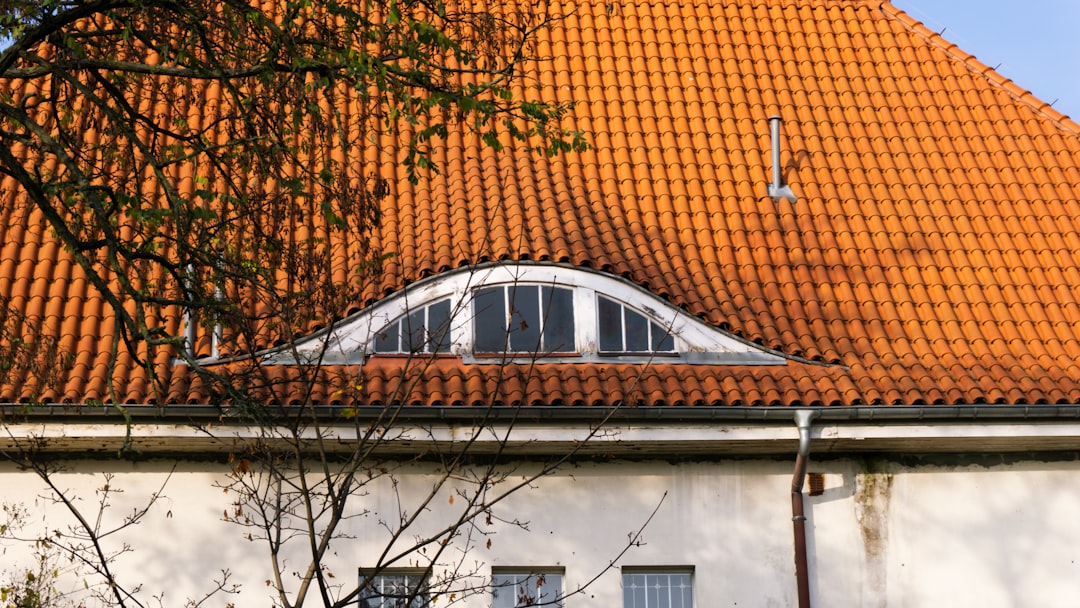
Roof Repair Services: Expert Solutions from 15+ Years of Texas Roofing Experience
My name is Michael, and I've been a licensed roofing contractor in the Kingwood area since 2008. Over those 15+ years, my team and I have completed over 2,500 roofing projects. We hold certifications from GAF, Owens Corning, and CertainTeed. We are also certified by the National Roofing Contractors Association (NRCA). This article comes from real experience on Texas roofs. I've seen every type of roof problem you can imagine. This guide exists to solve a real homeowner problem. That problem is confusion and stress when your roof needs repair. You might see a leak or missing shingles after a storm. You wonder: Is this an emergency? How much will it cost? Who should I call? This article answers those questions clearly. I will share the exact process we use on customer projects. You will learn how to make smart decisions about your roof. This information comes from fixing real homes in our community. I gathered this knowledge from thousands of repair jobs. I studied manufacturer specifications and local building codes. My recommendations are based on what actually works on Texas homes. Let's get started.
Understanding When You Need Professional Roof Repair Services
Many homeowners wait too long to call for roof repairs. This can turn a small fix into a major expense. Knowing the warning signs is crucial. Some problems are obvious, like water dripping from your ceiling. Other signs are more subtle but just as serious. Acting quickly can save you thousands of dollars. It can also prevent damage to your home's structure and your belongings.
Common Signs of Roof Damage
Look for these signs inside and outside your home. Inside your house, check your attic first. Use a flashlight and look for water stains on the wood. Look for dark spots or mold growth on the insulation. Check for daylight coming through the roof boards. This means there are holes. Walk through your living areas during the day. Look for discolored spots or sagging on your ceilings. Peeling paint on walls or ceilings can signal moisture. A musty smell in certain rooms often means a hidden leak.
Outside, you need to do a visual inspection. Do this from the ground with binoculars for safety. Look for missing, cracked, or curling shingles. Check for shingles that look bald or have lost granules. Granules look like small, dark sand. You might find them in your gutters. Look for damaged or rusty flashing. Flashing is the metal around chimneys and vents. Check for sagging areas on the roof deck. Look for moss or algae growth, which holds moisture.
The Impact of Texas Weather on Your Roof
Our local weather is tough on roofs. The National Hurricane Center tracks storms that affect us. Hail is a major problem. Hailstones can crack shingles and damage the waterproof layer. High winds can lift shingles and tear them off. The constant sun and heat cause shingles to dry out and become brittle. Thermal expansion and contraction from temperature swings stress materials. This leads to cracks and splits over time. According to the Insurance Information Institute, wind and hail cause the most homeowners insurance claims in Texas. Understanding these forces helps you protect your investment.
A Deep Dive into Roof Repair Materials and Methods
Not all roof repairs are the same. The right material and method depend on your roof type, damage extent, and budget. Using the wrong repair can cause more problems. As a contractor, I match the solution to the specific problem. This ensures a long-lasting fix. Let's compare the most common materials we use in the field.
Asphalt Shingle Repairs: The Standard Approach
Asphalt shingles are the most common roofing material in Texas. Repairs often involve replacing individual shingles. The process requires care to maintain the waterproof barrier. First, we carefully lift the shingles above the damaged one. We use a flat bar to avoid breaking them. Then, we remove the nails holding the bad shingle. We slide the new shingle into place. We secure it with roofing nails in the nail line. Finally, we seal the shingles with a dab of roofing cement. This method works for small, isolated damage. For larger areas, a partial reroof might be better. Always use shingles from the same manufacturer and similar color. A close match is important for looks and performance. Major manufacturers like GAF and Owens Corning provide excellent repair guidance.
Metal Roof Repair Techniques
Metal roofs are durable but can develop leaks at seams or fasteners. Repairing a metal roof is different from shingle repair. For small holes or punctures, we clean the area thoroughly. We apply a high-quality, metal-compatible sealant. For larger issues, we may need to replace a panel. This requires carefully removing the adjacent panels. We then install the new panel and re-secure everything. It's critical to use the correct fastener type. Using the wrong screw can cause galvanic corrosion. Always refer to the Metal Building Manufacturers Association (MBMA) for best practices. Proper repair preserves the roof's longevity and weather resistance.
Tile and Slate Roof Repairs
Tile and slate roofs are beautiful and long-lasting. They are also fragile and require specialized repair. Broken tiles must be handled gently. We start by removing any broken pieces. We then slide a new tile into the space. The tile must interlock correctly with its neighbors. It is then secured with copper nails or hooks, not standard nails. The underlayment beneath the tile is also checked. A cracked tile often means the underlayment got wet. We might need to replace a section of the waterproof underlayment as well. This is skilled work that prevents future leaks.
The Real Cost of Roof Repairs: A Transparent Breakdown
Homeowners always ask about cost. It's a fair question. The answer depends on many factors. Giving a single number is not honest. Instead, I will share real project examples from our records. These are actual jobs we completed for Kingwood homeowners. All prices are from 2023-2024. They include materials and labor. Your cost may vary based on your specific situation.
Small Repair Project Example
Project: Repair wind damage on a suburban home. The storm lifted and cracked 12 asphalt shingles. There was minor damage to the underlying decking in one 2x2 foot area. We replaced the damaged decking with new plywood. We installed new shingles to match the existing roof. We replaced 10 linear feet of ridge cap shingles. We also resealed the flashing around one plumbing vent. Total Cost: $850. This price included a 12-month labor warranty. The homeowner's insurance deductible was $1,000. They paid out-of-pocket because the repair cost was less than the deductible.
Medium Repair Project Example
Project: Fix hail damage on a two-story home. Hail caused bruising and granule loss on one roof slope. The damage affected about 15 "squares" of roofing. A "square" is 100 square feet. We performed a partial reroof on the damaged slope. This involved removing old shingles, inspecting the decking, installing new underlayment, and installing new shingles. We carefully blended the new shingles with the old ones on adjacent slopes. We also replaced all associated flashing and drip edge on that slope. Total Cost: $4,200. The homeowner filed an insurance claim. The insurance adjuster agreed with our assessment. The homeowner paid their $1,500 deductible, and insurance covered the rest.
Factors That Influence Repair Cost
- Roof Pitch and Accessibility: Steep roofs cost more to repair. They require special safety equipment. Hard-to-reach areas add time.
- Extent of Damage: A few shingles are cheap. Widespread damage or structural issues are expensive.
- Material Type: Asphalt shingles are the most economical to repair. Tile, slate, and metal are more costly due to material and labor.
- Location of Damage: Repairs near complex areas like valleys, chimneys, or skylights are more involved.
- Permit Costs: Some municipalities require permits for roofing work. This adds to the total cost.
Always get a detailed, written estimate before work begins. The estimate should list all materials and labor. It should specify the work scope. Beware of extremely low quotes. They often mean low-quality materials or skipped steps.
The Step-by-Step Roof Repair Process: What to Expect
Knowing what will happen reduces anxiety. A professional roof repair follows a clear process. This is the exact sequence we use on every job. It ensures quality and safety. From the first call to the final cleanup, here is what you can expect.
Step 1: Initial Inspection and Assessment
We start with a thorough inspection. We examine the interior for signs of water. We then inspect the exterior roof. We take photos of all damage. We measure the affected area. We identify the root cause of the problem. Is it wind, hail, poor installation, or just age? We provide a clear diagnosis. We explain what needs to be fixed and why. This consultation is usually free.
Step 2: Detailed Estimate and Agreement
Based on the inspection, we prepare a detailed estimate. It includes line items for materials, labor, and disposal. It specifies the brand and type of materials we will use. It outlines the work schedule. We review this estimate with you in person. We answer all your questions. Once you approve, we sign a contract. The contract protects both you and us. It defines the project scope and price.
Step 3: Material Procurement and Scheduling
We order the exact materials needed for your repair. We source from local suppliers. We schedule the work for a date that works for you. We check the weather forecast. We want dry conditions for at least 24 hours before and after the repair. We call you a day before to confirm.
Step 4: The Repair Day: Execution and Quality Control
The crew arrives at the scheduled time. They protect your property. They lay tarps over landscaping. They set up safety equipment. They remove the damaged materials carefully. They inspect the exposed roof deck. They replace any rotten wood. They install new underlayment if needed. They install the new roofing materials according to manufacturer specs. They clean up all debris. They perform a final quality check. They walk the roof to ensure everything is secure.
Step 5: Final Inspection and Documentation
I personally inspect the completed repair. I check for proper installation and sealing. I ensure the site is clean. I review the work with you. I provide before-and-after photos. I explain the warranty on materials and labor. I provide documentation for your insurance company if needed. This closes the loop and gives you peace of mind.
Navigating Insurance Claims for Roof Repairs
Dealing with insurance can be confusing. Many repairs are covered by homeowners insurance. This is especially true for sudden, accidental damage like storm damage. Wear and tear from age is usually not covered. Knowing how to navigate the process is key. A smooth claim can make the repair much more affordable.
When to File a Claim
File a claim for damage caused by a specific event. This includes hail, wind, fallen trees, or fire. First, document the damage immediately. Take clear photos and videos. Prevent further damage if it is safe. For example, place a bucket under a leak. Then, call your insurance company to start the claim. They will assign an adjuster. It is very helpful to have a roofing contractor present during the adjuster's inspection. The contractor can point out damage the adjuster might miss. This often leads to a more accurate and fair settlement. The Texas Department of Insurance is a great resource for understanding your rights.
Understanding Your Policy and Deductible
Review your policy before you have damage. Know your deductible amount. This is what you pay out-of-pocket. Know if you have "Replacement Cost Value" (RCV) or "Actual Cash Value" (ACV). RCV pays to replace your roof with new materials of similar kind and quality. ACV pays the replacement cost minus depreciation. RCV is much better for you. If your repair cost is close to or less than your deductible, paying out-of-pocket may be smarter. Filing a small claim can sometimes raise your premiums.
Practical Homeowner Tips from Real Projects
Here is wisdom gathered from thousands of repair jobs. These tips can save you money and hassle. They come from seeing what works and what causes problems for homeowners.
- Schedule Annual Inspections: Have a professional inspect your roof every year, especially after storm season. Catching problems early is cheap. Fixing major leaks is expensive.
- Keep Gutters Clean: Clogged gutters cause water to back up under the roof edge. This leads to rot and leaks. Clean them at least twice a year.
- Trim Overhanging Branches: Trees rubbing on the roof wear away shingles. Falling branches can cause major damage. Keep branches at least 10 feet away from your roof.
- Check Attic Ventilation: Poor ventilation causes heat and moisture buildup. This cooks your shingles from the inside out. Ensure your soffit and ridge vents are clear.
- Act Fast on Leaks: If you see a water stain, do not wait. Water damage spreads quickly. It can ruin drywall, insulation, and cause mold. Call a roofer immediately.
- Choose Quality Over Price: The cheapest repair often fails quickly. Invest in quality materials and a reputable contractor. It pays off in the long run.
Frequently Asked Questions About Roof Repairs
How long does a typical roof repair take?
Most small to medium repairs take one day. The crew arrives in the morning and finishes by afternoon. Complex repairs or large partial reroofs might take two to three days. Weather is the biggest variable. We cannot work safely in rain, high winds, or on a wet roof. We schedule around the forecast to ensure quality.
Can I repair my roof myself?
I do not recommend DIY roof repair for most homeowners. Working on a roof is dangerous. A fall can cause serious injury. Improper repair can void manufacturer warranties. It can also lead to bigger, more expensive problems. Professional roofers have the right training, tools, and safety equipment. They know how to match materials and seal leaks correctly. Hire a pro for peace of mind.
How do I find a trustworthy roofing contractor?
Look for a local contractor with a physical address. Check for a valid license and insurance. Ask for references from recent customers. Look for manufacturer certifications like GAF Master Elite or Owens Corning Platinum. These programs require rigorous training and proper insurance. Read online reviews on Google and the Better Business Bureau (BBB). Get at least three detailed estimates. The lowest bid is not always the best choice.
What warranties should I expect?
You should get two warranties. First, the manufacturer's warranty on the materials. This can range from 25 years to a lifetime, depending on the product. Second, the contractor's warranty on the workmanship. This covers installation errors. A reputable contractor will offer a warranty of at least 1-2 years on labor. Some offer up to 10 years. Get all warranties in writing.
Will a roof repair affect my home's energy efficiency?
Yes, a proper repair can improve efficiency. Damaged roofs let conditioned air escape. They also let heat in. Fixing leaks and replacing damaged insulation in the attic helps your HVAC system work less. Using lighter-colored "cool roof" shingles can also reflect more sun and reduce attic heat. The U.S. Department of Energy has good information on this topic.
What is the difference between repair and replacement?
Repair fixes a specific, localized problem. Replacement removes all old roofing materials and installs a completely new roof. As a rule of thumb, if more than 30% of your roof is damaged or if it is near the end of its lifespan, replacement is often more cost-effective. Multiple repairs on an old roof become a waste of money. A professional inspection can advise you on the best path.
How do I maintain my roof after a repair?
Keep gutters clean. Trim tree branches. After major storms, do a visual ground-level inspection. Look for missing shingles or debris. Check your attic occasionally for signs of new moisture. Do not pressure wash your roof, as it can damage shingles. If you need to clean algae, use a specialized roof cleaner applied gently. Schedule a professional inspection every other year to ensure everything is holding up.
Real Project Case Studies with Outcomes
Case Study 1: The Hidden Hail Damage
A homeowner in Atascocita called after a spring hailstorm. They saw no obvious leaks. Our inspection revealed widespread bruising on the shingles. The granules were knocked off in a spotted pattern. This damage compromises the shingle's UV protection. We documented the damage with photos and a hail map. The homeowner filed an insurance claim. The adjuster initially denied it, saying it was "cosmetic." We provided technical data from the NRCA on functional hail damage. We met with the adjuster on the roof. We showed him the bruised matting. The claim was approved. We replaced the entire roof. The homeowner paid their deductible. Their home was protected before the next storm season. Outcome: Full roof replacement covered by insurance, preventing future leaks.
Case Study 2: The Chronic Leak Around a Chimney
A Kingwood family had a leak in their living room for years. Multiple handymen had applied sealant to the chimney flashing. The leak always returned. We inspected and found the root cause. The original step flashing was installed incorrectly. It was nailed directly to the chimney, not woven into the shingles. Water was running behind it. We removed the old flashing and several courses of shingles. We installed new, properly integrated step flashing. We sealed it with a high-grade counterflashing and mortar. We also found and replaced a small section of rotted decking. The repair took one full day. The leak has not returned in three years. Outcome: Permanent fix for a long-term problem through correct installation.
Industry Statistics and Data
Data helps you understand the bigger picture. According to a 2023 report by Fixr.com, the average cost of a minor roof repair in the U.S. is between $350 and $1,400. Major repairs average $1,500 to $7,000. The National Roofing Contractors Association states that proper installation is the most critical factor in roof longevity, more important than the material itself. A Insurance Institute for Business & Home Safety (IBHS) study found that roofs with proper wind-rated installation can withstand winds up to 130 mph. The U.S. Census Bureau tracks roofing as part of its construction spending data, showing consistent demand for repair and replacement services. This data shows that investing in quality repair is a standard and necessary part of homeownership.
Conclusion: Your Next Steps for a Healthy Roof
Your roof is your home's first line of defense. Ignoring problems is never a good strategy. This guide has given you a contractor's view of roof repair. You now know the signs of damage. You understand the repair process and costs. You have tips for dealing with insurance. The most important step is to be proactive. If you suspect damage, get a professional inspection. It is a small investment for huge peace of mind. Choose a qualified, local contractor who communicates clearly. Ask questions and understand the proposed solution. A proper repair will protect your home and family for years to come. Your home is your biggest investment. Protect it with knowledge and quality workmanship. If you are in the Kingwood area and have concerns about your roof, do not hesitate to seek a professional opinion. Thank you for taking the time to learn about roof repair services.