
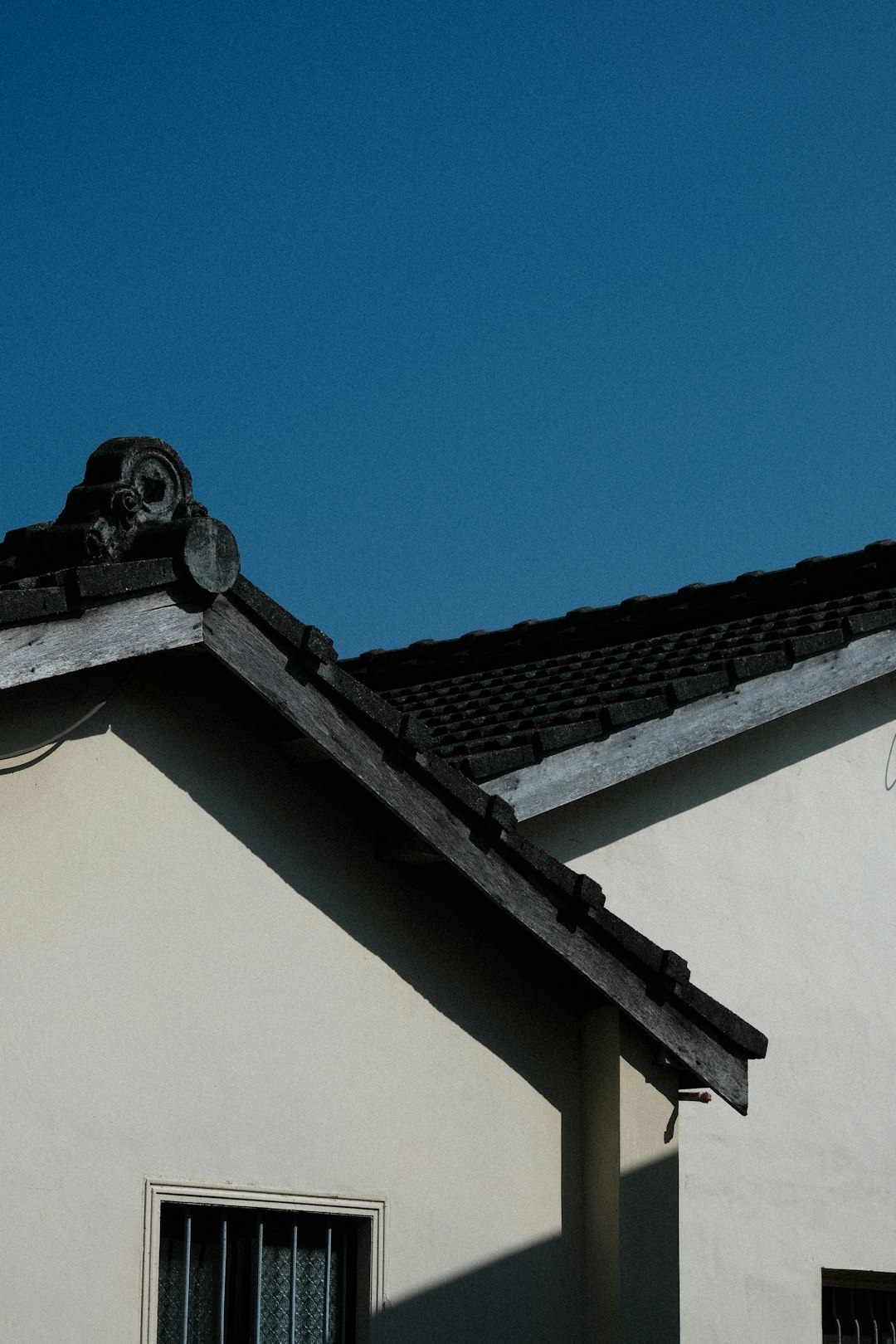
Roofing Repair Contractors: 25 Years of Trusted Roofing Experience
I have worked in roofing for over twenty five years. Our team has completed more than five thousand roofing projects. We hold certifications from major manufacturers like GAF and Owens Corning. This experience gives me real knowledge about roofing repairs. Homeowners often struggle to find good contractors. They worry about costs and quality of work. This article solves those problems completely.
You will learn how to choose the right roofing contractor. I will share real project examples and costs. The information comes from my hands on work with customers. I gathered data from manufacturer specifications and building codes. My recommendations follow proven methods that work well. This will save you time and prevent costly mistakes.
Understanding Roofing Repair Contractors
Roofing contractors specialize in fixing damaged roofs. They assess problems and provide solutions. Good contractors know local building codes and weather conditions. They understand different roofing materials and installation methods. The best contractors combine skill with honest business practices.
What Roofing Contractors Actually Do
Contractors perform many important tasks during roof repairs. They start with thorough roof inspections. This helps identify all damage areas. Next they create detailed repair plans. They obtain necessary permits from local authorities. Then they coordinate material delivery and crew scheduling. Finally they perform quality repairs and clean up thoroughly.
Types of Roofing Repair Specialists
Different contractors focus on various repair types. Storm damage specialists handle hail and wind issues. Leak detection experts find hidden water problems. Shingle replacement crews work with asphalt materials. Flat roof technicians repair commercial buildings. Metal roofing specialists work with standing seam systems. Emergency repair teams respond to urgent situations quickly.
How to Choose the Right Roofing Contractor
Selecting a good contractor requires careful research. Check their license and insurance coverage first. Look for manufacturer certifications and local references. Review their past project photos and customer testimonials. Ask about their warranty policies and service areas. Avoid contractors who pressure you for quick decisions.
Verifying Credentials and Insurance
Always verify contractor credentials before hiring. Check their state license number online. Confirm they carry workers compensation insurance. Ask for certificate of insurance from their provider. Ensure they have general liability coverage too. Proper insurance protects you from accident costs. The National Roofing Contractors Association provides good resources.
Checking References and Reviews
References help verify contractor quality. Ask for three recent local references. Contact each reference and ask specific questions. Inquire about work quality and cleanup standards. Check online reviews on multiple platforms. Look for patterns in feedback comments. Visit completed projects if possible to see actual work.
Roof Repair Costs and Budget Planning
Roof repair costs vary based on several factors. Material type and roof pitch affect pricing. Damage extent and repair complexity matter too. Location and labor rates influence final costs. Emergency repairs often cost more than scheduled work. Proper planning helps manage your budget effectively.
Typical Repair Cost Ranges
Minor repairs typically cost between three hundred and one thousand dollars. These include fixing small leaks or replacing few shingles. Medium repairs range from one thousand to three thousand dollars. This covers larger damaged areas or flashing repairs. Major repairs can cost three thousand to eight thousand dollars. These involve structural issues or extensive water damage.
Factors Affecting Repair Pricing
Several elements determine repair costs. Roof accessibility impacts labor time significantly. Steep roofs require special safety equipment. Material quality affects both cost and longevity. Local permit fees add to project expenses. Season and weather conditions influence scheduling. Urgency of repairs may increase labor rates.
Common Roofing Materials and Repair Methods
Different roofing materials require specific repair approaches. Asphalt shingles are most common in residential roofing. Metal roofing offers long lifespan and durability. Tile roofs provide classic appearance and weather resistance. Flat roofs use membrane systems for water protection. Each material has unique repair requirements and costs.
Asphalt Shingle Repairs
Asphalt shingles need careful repair attention. Damaged shingles require matching replacements. Proper nailing technique prevents future problems. Flashing around roof penetrations needs inspection. Underlayment replacement may be necessary. GAF certified contractors follow manufacturer guidelines precisely.
Metal Roof Repair Techniques
Metal roofs develop different issues over time. Loose fasteners need tightening or replacement. Seam separation requires professional resealing. Panel damage might need partial replacement. Rust spots need treatment and coating. Proper repair maintains weather tightness and appearance. Metal roofing manufacturers provide specific repair guidelines.
The Roof Repair Process Step by Step
Professional roof repairs follow systematic processes. The contractor begins with comprehensive inspection. They document all damage with photos and notes. Next they provide detailed written estimate. After approval they schedule materials and crew. Repair work follows manufacturer specifications. Final inspection ensures quality completion.
Initial Inspection and Assessment
Thorough inspection identifies all roof issues. Contractors check interior and exterior damage signs. They examine attic spaces for water stains. Roof surface inspection finds damaged materials. Flashing and vent inspections reveal common leak sources. Proper assessment prevents missing hidden problems.
Repair Execution and Quality Control
Quality repairs follow established procedures. Crews protect property with tarps and barriers. They remove damaged materials carefully. New installation follows manufacturer specifications. Multiple quality checks occur during work. Final inspection verifies complete repair success. Cleanup leaves property better than found.
Working with Insurance Companies
Insurance claims require specific documentation. Contractors help navigate claim processes effectively. They provide detailed damage assessments and estimates. Photographic evidence supports claim submissions. Knowledge of insurance requirements speeds approvals. Good contractors communicate with adjusters directly.
Documenting Storm Damage
Proper documentation strengthens insurance claims. Take photos immediately after storm events. Document all visible damage areas clearly. Keep records of temporary repairs made. Save all repair estimates and invoices. Insurance Information Institute provides helpful claim guidance.
Navigating Claim Processes
Insurance claims involve multiple steps. File claim promptly after damage occurs. Meet with insurance adjuster for assessment. Provide contractor estimates for comparison. Understand your policy coverage limits. Keep detailed records of all communications. Ask questions about anything unclear.
Roof Maintenance and Prevention
Regular maintenance prevents major repairs later. Schedule professional inspections twice yearly. Clean gutters and downspouts regularly. Trim overhanging tree branches promptly. Remove debris from roof surfaces. Check flashing and seals around penetrations. Address small issues before they worsen.
Seasonal Maintenance Checklist
Spring maintenance prepares for rainy season. Summer checks address heat damage. Fall cleaning prevents winter problems. Winter inspections find ice dam issues. Each season brings different roofing challenges. Consistent maintenance extends roof lifespan significantly.
Early Problem Detection
Early detection saves money on repairs. Look for interior water stains on ceilings. Check for missing or damaged shingles outside. Notice granule accumulation in gutters. Watch for sagging roof areas. Detect musty odors in attic spaces. Address concerns immediately with professionals.
Frequently Asked Questions
How long do roof repairs typically take?
Most roof repairs complete within one to three days. Simple shingle replacements might take few hours. Complex structural repairs could require week or more. Weather conditions affect project timelines significantly. Material availability impacts scheduling too. Emergency repairs prioritize speed over perfect timing.
What warranties should I expect from roofing contractors?
Good contractors provide multiple warranty types. Workmanship warranties cover installation quality. Manufacturer warranties protect material defects. Water penetration warranties address leakage issues. Warranty periods range from one year to lifetime coverage. Always get warranties in writing with clear terms. Understand what voids warranty protection.
Can I repair my roof myself instead of hiring contractors?
DIY roof repairs involve significant risks. Safety hazards include falls and electrical dangers. Improper repairs can void existing warranties. Incomplete fixes often lead to bigger problems. Professional contractors have proper training and equipment. Their work meets building code requirements. Insurance companies prefer professional repairs.
How do I know if I need repairs or full replacement?
Several factors determine repair versus replacement needs. Age of existing roof influences decision significantly. Extent of current damage matters too. Multiple leak areas suggest replacement might be better. Energy efficiency improvements might justify replacement cost. Professional inspection provides best guidance for this decision.
What questions should I ask potential roofing contractors?
Ask about their license and insurance coverage first. Inquire about manufacturer certifications held. Request local references from recent projects. Discuss warranty terms and service areas. Understand their cleanup and protection procedures. Ask how they handle unexpected issues during repairs. Get everything in writing before work begins.
How do weather conditions affect roof repairs?
Weather impacts repair scheduling and quality. Rain prevents proper adhesive bonding. High winds create safety hazards for workers. Extreme heat affects material performance. Cold temperatures make materials brittle. Ideal conditions ensure best repair results. Professional contractors monitor weather forecasts carefully.
What payment schedule is normal for roof repairs?
Standard payment schedules vary by project size. Small repairs often require full payment upon completion. Larger projects might need deposit for materials. Progress payments align with project milestones. Final payment occurs after your satisfaction. Avoid contractors demanding full payment upfront. FTC guidelines help understand fair payment practices.
Real Project Case Studies
Storm Damage Repair Example
A recent hail storm damaged many local roofs. One homeowner had extensive shingle damage. Our inspection found granule loss and cracks. Insurance covered most repair costs. We replaced damaged shingles with matching materials. The project completed within three days. The homeowner avoided further water damage.
Age Related Repair Case
An older home developed multiple leaks. The twenty year old roof needed attention. We found worn flashing and deteriorated seals. Partial replacement addressed worst areas. Strategic repairs extended roof life five years. The homeowner saved thousands versus full replacement. Proper maintenance continues protection.
Industry Statistics and Data
Roofing industry data reveals important trends. The average roof repair costs twenty five hundred dollars nationally. Most homeowners replace roofs every twenty years. Proper maintenance extends lifespan by forty percent. Insurance claims for wind and hail damage increase yearly. NRCA statistics show industry growth patterns. Quality repairs provide excellent return on investment.
Step by Step Contractor Selection Guide
- Research local licensed contractors online
- Check reviews and ratings on multiple platforms
- Verify insurance and license status
- Request three detailed written estimates
- Compare materials and warranty offers
- Check references from recent projects
- Select contractor based on overall value
- Sign detailed contract before work begins
Conclusion: Making Informed Roofing Decisions
Choosing the right roofing contractor matters greatly. Good repairs protect your home investment effectively. Proper maintenance prevents costly problems later. Understanding costs helps budget appropriately. Working with professionals ensures quality results. Your home deserves the best protection available.
Use this information to make confident decisions. Contact multiple contractors for comparisons. Ask thorough questions about their processes. Verify credentials and insurance coverage. Get everything documented in writing. Your roof protects everything beneath it. Choose contractors who value that responsibility as much as you do.